
9 everyday foods longevity doctors avoid themselves
Diet, exercise, and staying socially connected make up the well-worn trio behind most longevity advice, and none of it is wrong. What gets less attention is the shorter, more specific list some longevity researchers keep for themselves: foods they’ve decided aren’t worth the tradeoff, based on their own reading of the research.
Their reasoning tends to center on inflammation, a biological process tied to most chronic diseases that actually shorten lifespan.
Nine categories keep showing up across their published guidance.

Sugar-sweetened sodas
Liquid sugar skips the natural brakes solid food applies to consumption, and it shows. “Sugar is very inflammatory, and inflammation drives most of the chronic diseases that shorten our lives,” says Dr. Trent Orfanos, director of integrative and functional cardiology at Case Integrative Health.

Refined white bread and pasta
Stripping a grain down to just its starch removes nearly everything else worth eating. According to Orfanos, these heavily processed carbs are quickly metabolized to sugar, driving the same inflammatory response as the sugar itself.

Processed deli meats and hot dogs
USC gerontologist Valter Longo’s longevity diet explicitly excludes processed meat, and Orfanos points to the same category. Hot dogs and deli meats have been implicated in cancer risk closely enough that both researchers list them among the first things to cut.

Commercial pastries and pies
The FDA officially banned partially hydrogenated oils in 2020, but small amounts still turn up in some baked goods. These fats get chemically altered to stay solid at room temperature, and Orfanos notes they raise bad cholesterol while lowering good cholesterol in the same sitting.
Salty packaged snacks
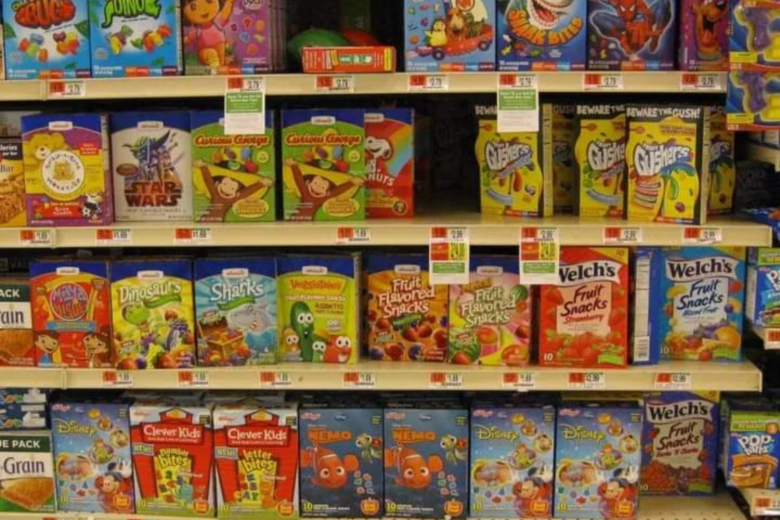
Chips and similar snack foods stack sodium, refined starch, and low nutrient density into one convenient package. Dietitians recommend simple swaps like air-popped popcorn as one of the easiest wins for cutting inflammatory load without much sacrifice.

Ultra-processed ready meals
A large-scale study tracking ultra-processed food intake found that people in the highest consumption bracket had 32 percent lower odds of healthy aging than those eating the least, a category that includes most frozen and packaged convenience meals.
Excess red meat
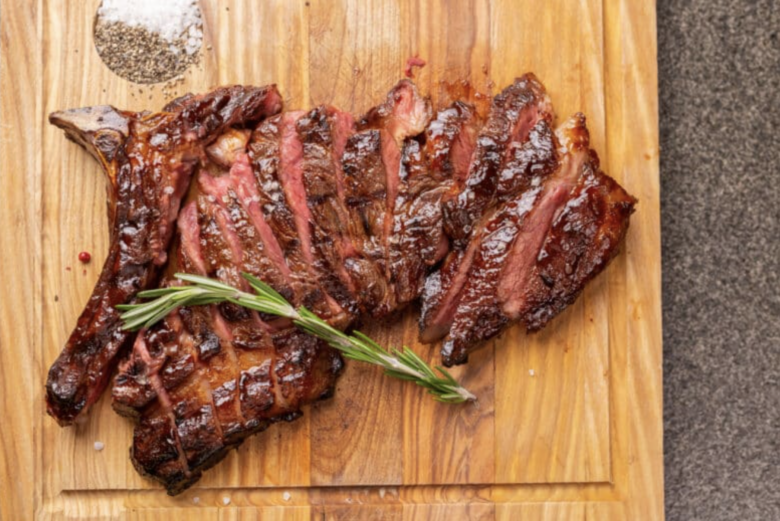
Longo’s longevity framework calls for very low red meat intake specifically, distinct from the processed meat warning. It’s one of the more consistent overlaps across multiple longevity researchers, who tend to favor legumes and fish as the primary protein sources instead.

High-dose protein powders
More protein isn’t automatically better past a certain point. One study found high protein intake, particularly from animal sources, was associated with increased cancer and mortality risk in adults between 50 and 65, a narrower age-specific finding that runs counter to the blanket “more protein is better” advice.

Heavy or frequent alcohol
Peter Attia caps his own intake at two drinks a day, no more than three days a week, well under typical social drinking norms. In his book Outlive, he’s blunter about the reasoning: alcohol “serves no nutritional or health purpose but is a purely hedonistic pleasure that needs to be managed.”

The bottom line
None of these foods require complete elimination to matter. The doctors cited here aren’t advocating perfection, just consistent limits on categories that show up again and again in research tied to inflammation and shortened lifespan, applied to their own plates as much as anyone else’s.
Ask us! What questions do you have about content, strategy, pop culture, lifestyle, wellness, history or more? We may use your question in an upcoming article!
Related:
- 10 common foods that may help reduce inflammation
- 10 “healthy” foods that could be causing you to gain weight
Like MediaFeed’s content? Be sure to follow us.
This article was syndicated by MediaFeed.co.