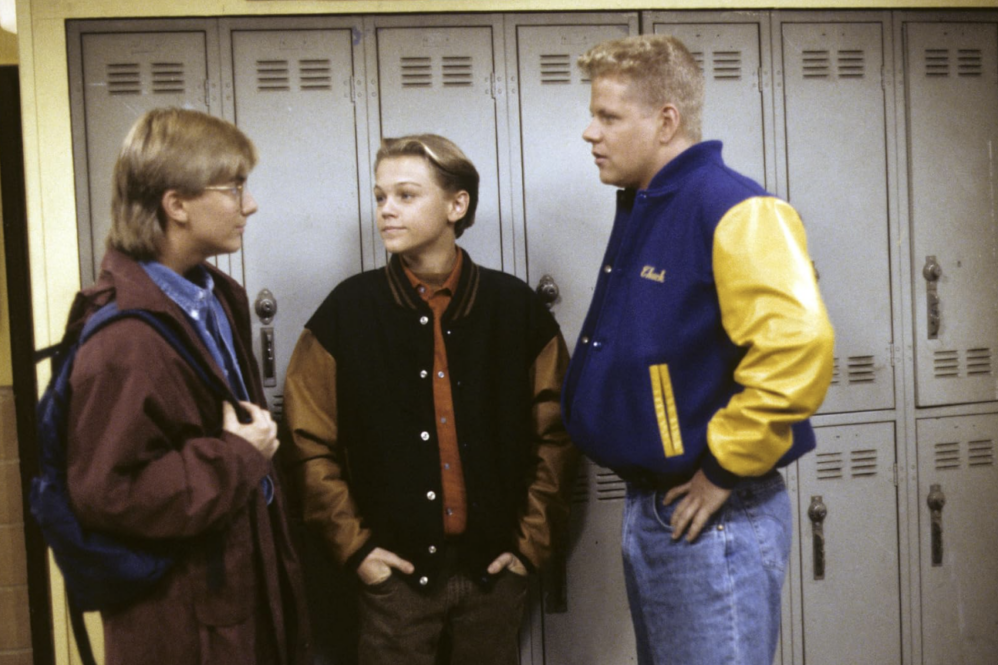
’80s sitcom theme songs you still can’t get out of your head decades later
Ask yourself why you know the Cheers theme. Not how. Why. You never chose to learn it. You never sat down and studied it. It arrived through a television speaker approximately four hundred times between 1982 and 1993 and installed itself in a part of the brain that apparently has no eviction process. The 1980s sitcom theme song was the most effective piece of involuntary music delivery ever devised, and the people who wrote it had no idea they were doing something that would outlive them.
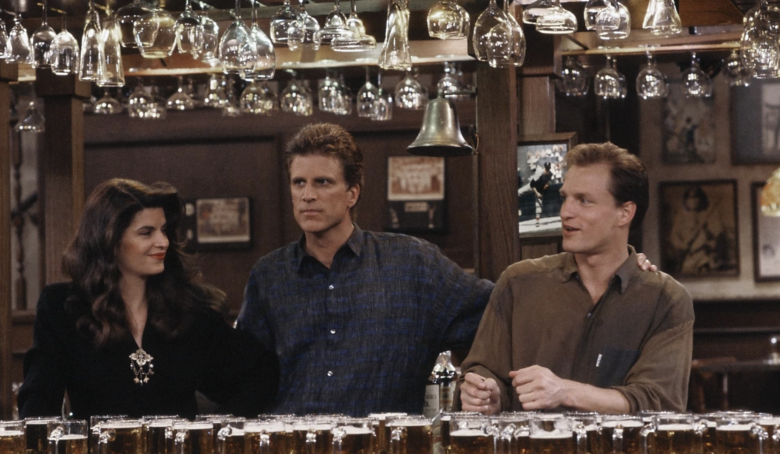
“Where Everybody Knows Your Name” — Cheers (1982)
Gary Portnoy and Judy Hart Angelo wrote it for a Broadway musical that never existed. The Charles brothers wanted to buy the opening number for their NBC pilot, and when the producers wouldn’t let them, they commissioned Portnoy and Angelo to write something similar. What came back was a song about belonging, about the specific consolation of a room where your failure is familiar enough to be comfortable. Mental Floss documents that the original lyrics were about the Red Sox and Ted Danson’s character specifically. Those lyrics didn’t survive. What has survived is the thing underneath them, which is why the song is still being hummed by people who haven’t watched the show since 1993.
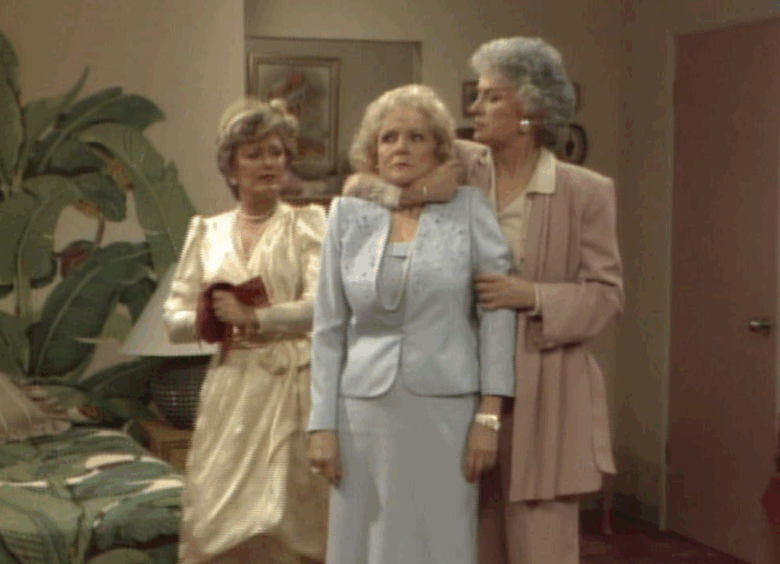
“Thank You for Being a Friend” — The Golden Girls (1985)
Andrew Gold recorded this in 1978 as a fairly unremarkable pop song that charted modestly before fading. He was not in the room when Cynthia Fee recorded the version used on the show. Mental Floss confirms most people don’t know the distinction and never will, because the song attached itself to four women in Miami with such complete force that its life before the show no longer exists in any meaningful cultural sense. Television doesn’t just use a song. Sometimes it consumes it.
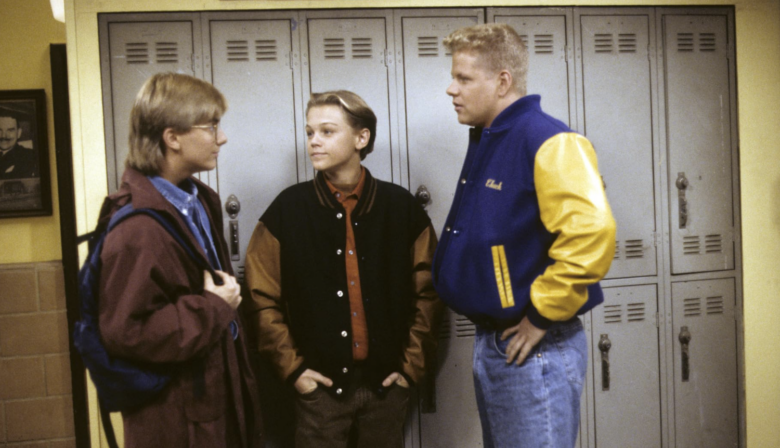
“As Long as We Got Each Other” — Growing Pains (1985)
Seven seasons. A cast that included a pre-fame Leonardo DiCaprio. A theme song doing more emotional work than anything that ever happened in the actual show. You probably can’t name three Growing Pains plotlines. You can absolutely hum this from the first note. That gap between what a show was and what its theme song made you feel about it is the whole story of 1980s sitcom music.
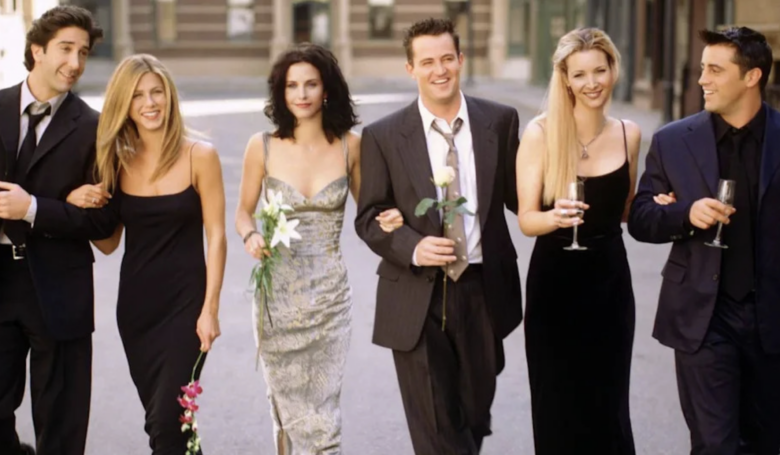
“I’ll Be There for You” — Friends (1994)
Technically post-decade but built entirely from 1980s sitcom DNA. Mental Floss documents that Marta Kauffman’s husband composed the melody, the Rembrandts recorded it, and the four claps — which everyone remembers as though they invented them personally — took multiple takes to get right. One small percussive decision, made in an afternoon by tired people in a recording studio, became the most recognized sound cue of the 1990s. Nobody planned that. They never plan that.
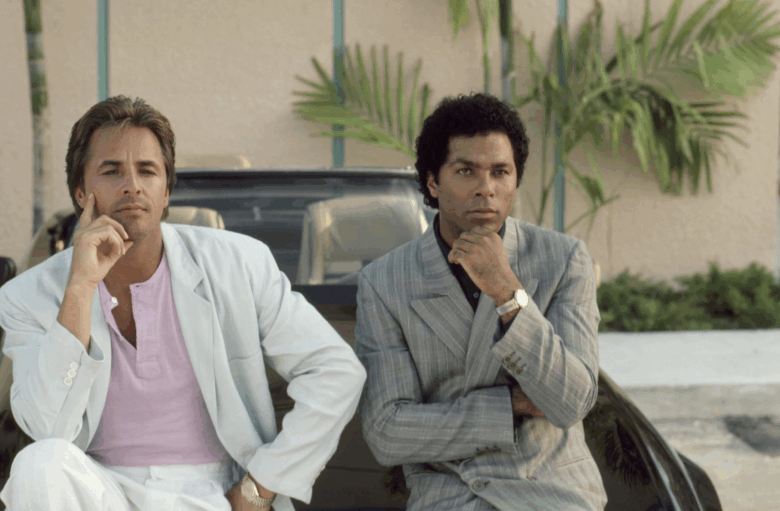
The Miami Vice theme — Miami Vice (1984)
Jan Hammer wrote a synthesizer score in a week and what came out was the complete sonic definition of a decade. Rolling Stone has been asking rhetorically for thirty years whether any single minute of television better captures the 1980s than the Miami Vice opening. The answer is no. The pastel, the stubble, the cars, the water — all of it arrived with that sound and all of it required that sound to mean what it meant. Not a theme song. A manifesto delivered through a synthesizer at 9 pm on a Friday.
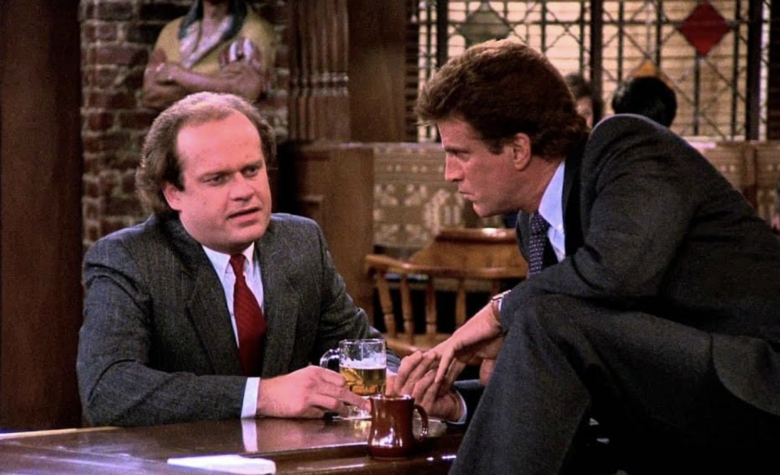
The Cheers closing piano
Nobody talks about this one. The piano figure that played under the closing credits is the better piece of music, and it said something the opening was too cheerful to say. Minor key. Descending. Unresolved. People who are lonely coming to a bar every day because the alternative is being alone. That is the actual show. The closing piano knew it. The opening theme politely looked away.
The bottom line
These songs were not written to be remembered. They were written to fill sixty seconds before the first joke. What happened instead is that they outlasted the jokes, outlasted the shows, outlasted in several cases the people who wrote them. A feeling, installed four hundred times, does not leave on request.
Ask us! What questions do you have about content, strategy, pop culture, lifestyle, wellness, history or more? We may use your question in an upcoming article!
Related:
- 12 iconic rock songs that wouldn’t fly today
- The most controversial songs of the ’60s: Do you agree?
Like MediaFeed’s content? Be sure to follow us.
This article was syndicated by MediaFeed.co.