8 luxury car features that turned out to be money pits
Luxury cars sell an experience first. The maintenance bill shows up much later. Plenty of features that make a high-end car feel special on the showroom floor turn into the exact reason it gets traded in early, right around when the warranty runs out.
Mechanics keep flagging the same offenders across nearly every luxury brand that offers them.
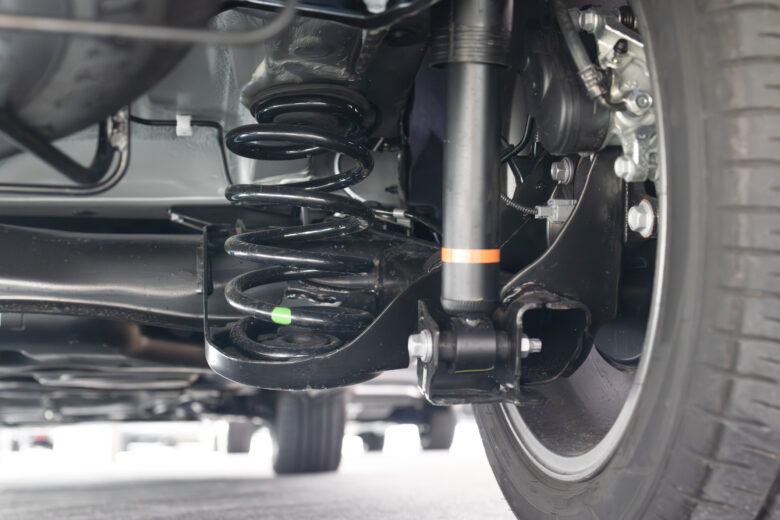
Air suspension
Sealed air lines, a compressor, specialized springs, a whole network of sensors. All of it fails eventually. Replacing even a couple of springs on a Mercedes-Benz Airmatic system runs around $2,000, which is roughly what a year of gas costs the average driver.

Massaging seats
Actuators or inflatable air bladders, hidden beneath the upholstery, drive more than a dozen adjustment points. Something fails and technicians often have to inspect air lines for leaks or dismantle the entire seat just to reach whatever broke.
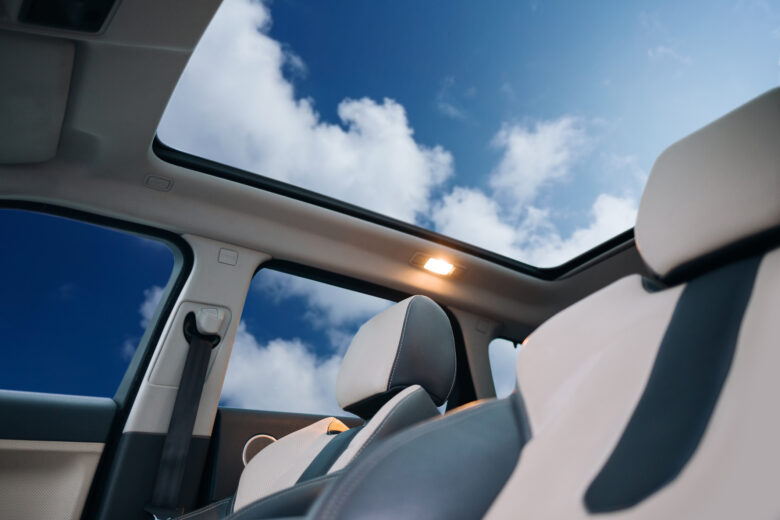
Panoramic sunroofs
Getting to the mechanism means removing the plastic trim from the roof lining, the headliner, and sometimes the whole mechanism. Too complicated for most owners to attempt themselves, and the labor bill on this one adds up fast.
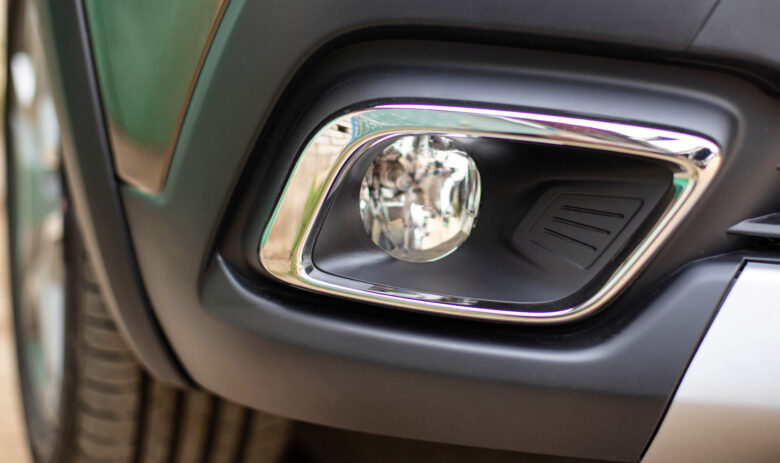
Adaptive and matrix LED headlights
A Mercedes S-Class with Swarovski crystal LED headlights can run roughly $10,000 for a full set. Ten thousand dollars. For headlights. And that’s before the calibration work most adaptive systems require after any replacement.
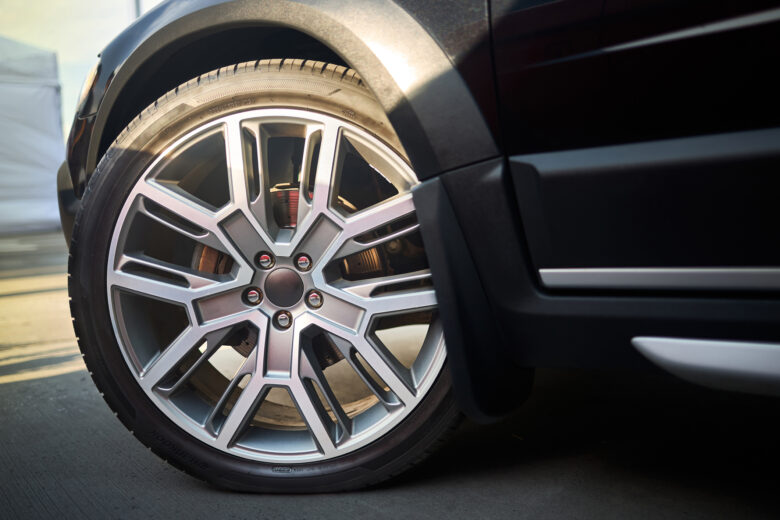
Run-flat tires
Stiff, reinforced sidewalls, built to keep a car moving after a puncture. Many can’t be patched once damaged, though. Replacement can cost as much as $1,600 for a full set of four, and all-wheel-drive owners are often pushed to replace tires in pairs rather than one at a time.
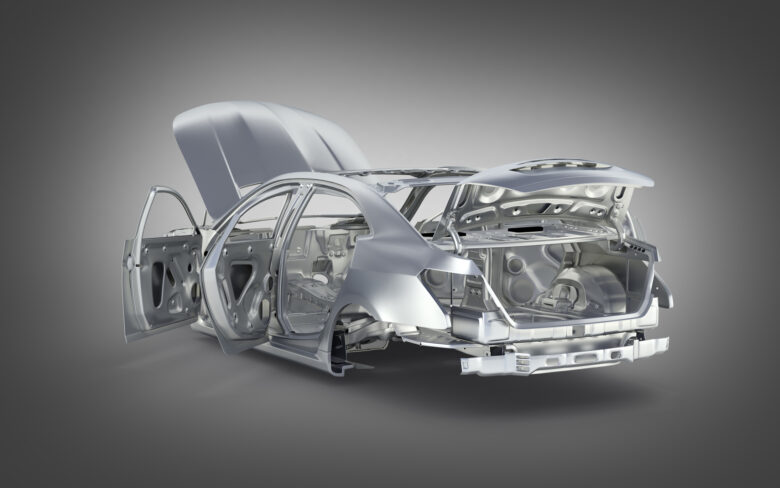
Aluminum body panels
Lighter than steel. More corrosion-resistant too. Sounds like a pure upgrade until a repair shop quotes the processing and labor involved. Aluminum’s repair costs run considerably higher than steel work, even for relatively minor bodywork.

Complex touchscreen and center console controllers
Touchpads, scroll wheels, secondary display panels sitting right next to the cupholders. Any beverage spill near these systems is a genuine electronics hazard, not a minor annoyance.
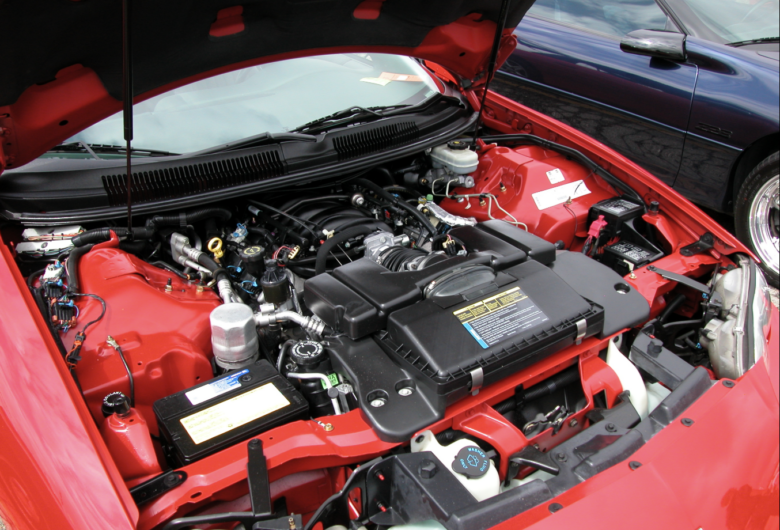
Turbocharged small-displacement engines
Marketed as an efficiency win. Runs at higher stress levels than a larger, naturally aspirated equivalent would, though, and the turbocharger itself becomes another expensive component that eventually needs service, crowding an already packed engine bay.
The bottom line
None of these features are gimmicks, exactly. Most genuinely improve comfort or performance while the car’s new and still under warranty. The real cost shows up later, once that warranty expires and the sophistication that made the car feel special becomes the exact thing driving up the repair bill.
Ask us! What questions do you have about content, strategy, pop culture, lifestyle, wellness, history or more? We may use your question in an upcoming article!
Related:
Like MediaFeed’s content? Be sure to follow us.
This article was syndicated by MediaFeed.co.