’70s musicians who quietly retired in style
Most rock retirements are loud. There’s a farewell tour, a press release, a reunion four years later. The musicians who simply stopped are rarer and, in some cases, considerably more interesting. Quitting while you’re ahead, or quitting because you’ve decided the industry isn’t worth what it costs, requires a clarity that not many people manage in any profession, let alone one that tends to reward staying past the point of dignity.

Bill Withers
Rolling Stone’s obituary documents the full picture: eight albums, three Grammys, songs so embedded in the culture they feel like they always existed, and then a deliberate exit in 1985 after a commercial disappointment and a growing conviction that nobody in the music industry had his interests at heart. He’d built a factory job into a recording career through sheer determination, and he walked away from it the same way. Smart real estate investments and royalties meant money was never the pressure. “What else do I need to buy?” he told Rolling Stone. A comeback tour could have made him a fortune. He had no interest.
Grace Slick
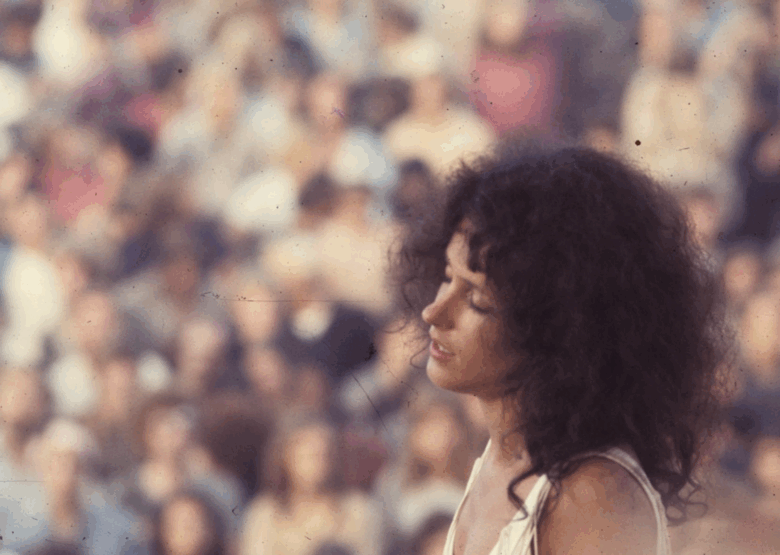
Jefferson Airplane’s Grace Slick had a position on the matter that she stated plainly and stuck to: rock stars over fifty look stupid and should retire. Rolling Stone states that after a short Jefferson Airplane reunion tour ended in 1989, she largely left music behind to focus on visual art. She kept talking to the press, kept showing up at her own gallery shows, but stopped performing. The discipline required to actually follow through on that position, with the money a reunion would have generated, is its own kind of statement.

Bill Wyman
Ultimate Classic Rock documents the mechanics of how Wyman left the Rolling Stones after thirty years: he simply told them he was done, withstood two years of the band trying to change his mind, and went off to write books, pursue archaeology, host photo exhibitions and play charity cricket. He had a list of things he wanted to do with his life and none of them required a stage. Jagger and Richards were not gracious about it. Wyman left anyway. “I just had enough,” he told an interviewer. “It was half my life.”
David Crosby
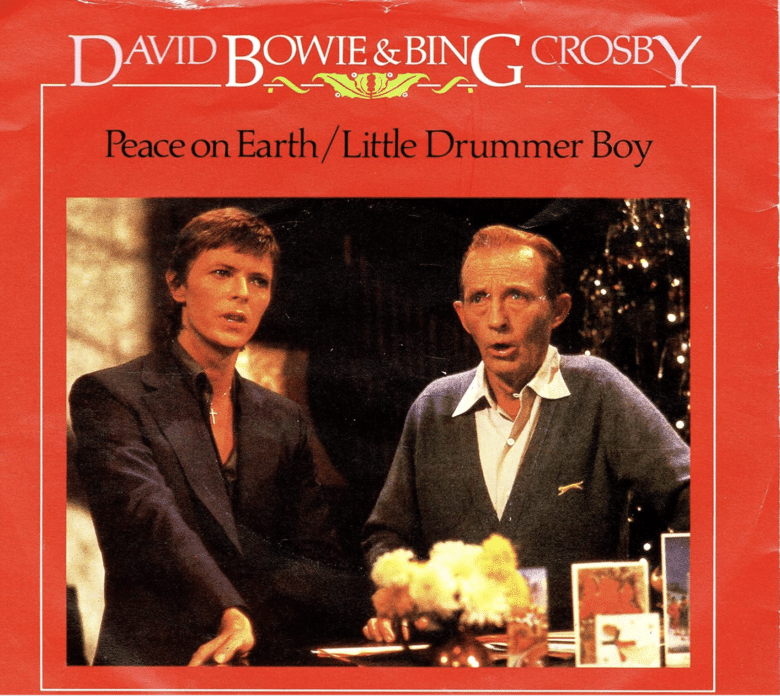
Crosby’s retirement was less deliberate than the others and more a consequence of burning through everything, but he spent his later years making some of the most direct and honest music of his life before dying in 2023. Rolling Stone’s coverage documents the period when he feared losing his house and sold his publishing catalog to stay solvent. The catalog sale bought him time. He used it to keep recording. Not a clean exit, but a determined one.
The broader pattern
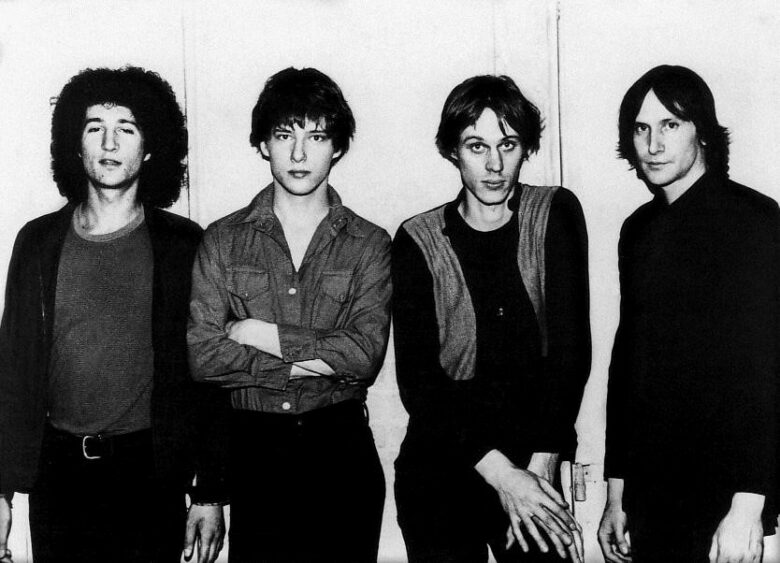
Ultimate Classic Rock notes the consistent thread across artists who walked away cleanly: the decision was usually about the industry rather than the music. Withers didn’t stop loving songwriting. Slick didn’t stop being creative. Wyman didn’t stop being a musician. They stopped tolerating the machine around it, which is a different decision and considerably harder to reverse.

The bottom line
The musicians who quit quietly and stayed quiet tend to share one quality: they had something else they wanted to do, or they knew what they were worth and decided the terms on offer weren’t it. That combination is rarer than it sounds in an industry built on the premise that attention is the point.
Ask us! What questions do you have about content, strategy, pop culture, lifestyle, wellness, history or more? We may use your question in an upcoming article!
Related:
- 12 iconic rock songs that wouldn’t fly today
- The most controversial songs of the ’60s: Do you agree?
Like MediaFeed’s content? Be sure to follow us.
This article was syndicated by MediaFeed.co.