
Most of us know that vinegar is amazing — we can use it for everything from cleaning our windshields to unclogging a drain. But did you know that there are certain things you should never use vinegar for? After all, vinegar is acidic, so it can corrode metals, rubber and other surfaces.
Though many think of vinegar as a universal cleaning solution, there are a few things that it actually shouldn’t be used on. Here are six times you should opt to leave the vinegar under the sink and out of reach.
Image Credit: monkeybusinessimages / istockphoto.
1. Never Use Vinegar On Your Computer Monitor Or Smartphone

Your computer or smartphone screen may start to look blurry from fingerprints, but that doesn’t mean you should clean it with vinegar. If you do, it could eliminate the oleophobic (a fancy word for oil-resistant) coating on the screen, which will create a bigger problem. If you use vinegar on a touch screen, it could even make it less responsive.
Instead, use a microfiber cloth to gently wipe smudges from your screens. There’s also a wide variety of screen cleaning wipes on the market that are specially designed to safely clean screens without harsh abrasives or materials.
Image Credit: DepositPhotos.com.
2. Never Mix Vinegar With Bleach

You may think it’s fine to mix vinegar and bleach — but think again. If you do, a toxic chlorine gas is emitted, and it’ll do more harm than good for you and anyone around you, causing irritation to the eyes, throat and lungs. If that occurs, seek medical attention.
This rule applies to mixing hydrogen peroxide with vinegar as well, as the combination creates peracetic acid, a potentially toxic substance.
Image Credit: Tuned_In / istockphoto.
3. Never Clean Your Pearls With Vinegar
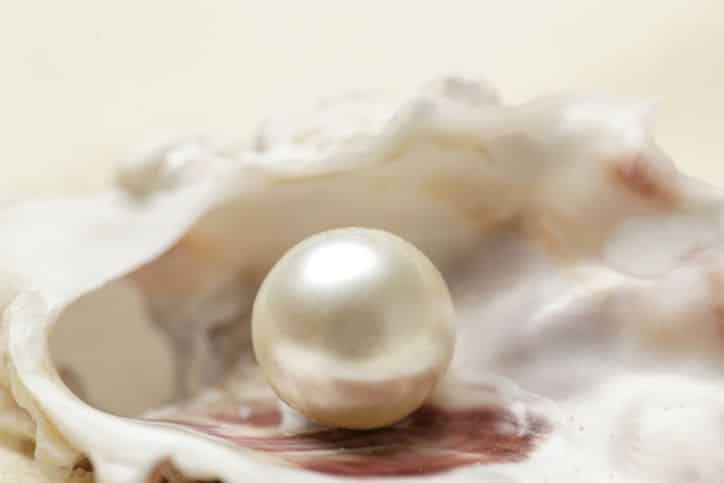
Here are some pearls of wisdom — vinegar has been known to dissolve pearls. Yep … dissolve them! This is due to the fact that pearls consist of calcium carbonate like limestone. When combined with acids, like the acetic acid that is vinegar? Goodbye, pearls!
Image Credit: triocean / iStock.
4. Never Use Vinegar On Marble Or Granite Countertops

Similar to the acid in vinegar dissolving your beloved pearl necklace, you should never use vinegar on marble or granite countertops. If you do, you’ll run the risk of “etching” them, which occurs when acid eats away at the surface and leaves a dull or discolored spot behind.
Instead, you can use a damp towel to clean the counter, followed by a dry one. You can also make a cleanser from a drop of dish soap, one part rubbing alcohol and 20 parts water.
Image Credit: didecs / iStock.
5. Never Use Vinegar To Clean Your Hardwood, Stone Or Ceramic Floor

Acidic cleaning agents like vinegar or lemon juice will do anything but clean your stone or ceramic floor. And for hardwood floors, vinegar may dissolve the chemical finish, leaving it looking dull and scratched. Instead, liquid dish soap is a better bet.
Image Credit: hanohiki / istockphoto.
6. Never Use Vinegar On Egg Stains
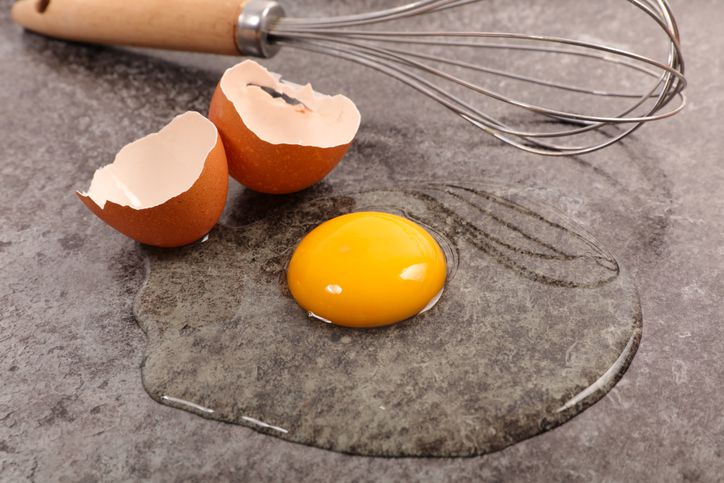
Since eggs have protein enzymes, adding vinegar to egg stains — on clothing or on your car — could cause them to coagulate. However, some say vinegar does work to remove eggs from a car’s exterior, as long as the vinegar-water solution is not too warm. The best bet would be to play it safe and opt for soap and warm water, so you don’t risk damage to delicate fabrics or your auto’s paint.
Image Credit: margouillatphotos / iStock.
Here’s A DIY Vinegar Cleaner Recipe (That Actually Smells Good)

If you’ve been trying to find the best natural and budget-friendly ways to clean your home, we bet friends and family have recommended using plain old white vinegar. The only problem with white vinegar is it can be a little pungent to the nose.
We found a DIY orange vinegar cleaner that can help solve this problem.
Adobe
1. Orange Peels
2. White Distilled Vinegar
3. Mason Jars
4. An Empty Spray Bottle
Here are the four things you’ll need:
Feel free to throw in lemon or lime peels, too. It’s completely up to you.
You’ll need enough to fill up a mason jar or two, so we recommend spending the extra $1 to get a big jug.
You can typically find new ones for around $1 at dollar stores or places like Michael’s, or you might be able to pick some up at your local thrift store.
Pick up a new spray bottle at your local grocery store or a dollar store, or reuse an empty one at home.
You will also need a fine mesh sieve and a large bowl to strain the peels out at the end of the process. Get the full DIY instructions here.
Related:
- Spring cleaning & beyond: How to maintain your home all year
- 12 hidden toxins lurking in your kitchen
This article originally appeared on SimpleMost.com and was syndicated by MediaFeed.org.
Image Credit: rawpixel.