6 popular kitchen appliances from 20 years ago that are just gathering dust now
Twenty years ago, the American kitchen counter was a very different landscape. Infomercials had convinced a generation that the solution to every cooking problem was a dedicated appliance, and kitchen drawers and cabinets filled up accordingly. Most of those appliances solved problems that turned out to either not exist or have simpler solutions. They are still in cabinets across the country, waiting for an occasion that will never come.
The electric can opener
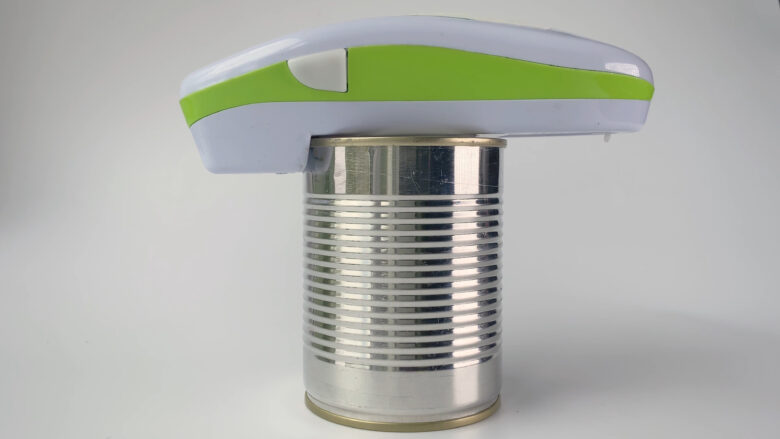
According to Mashed, the grinding hum it made was one of the defining sounds of the late 20th-century kitchen, familiar enough to send pets running and children investigating. Modern ergonomic manual can openers open cans with less effort, cost under fifteen dollars and take up no counter space. The electric model was eventually beaten by a better version of the tool it had replaced.
The bread machine
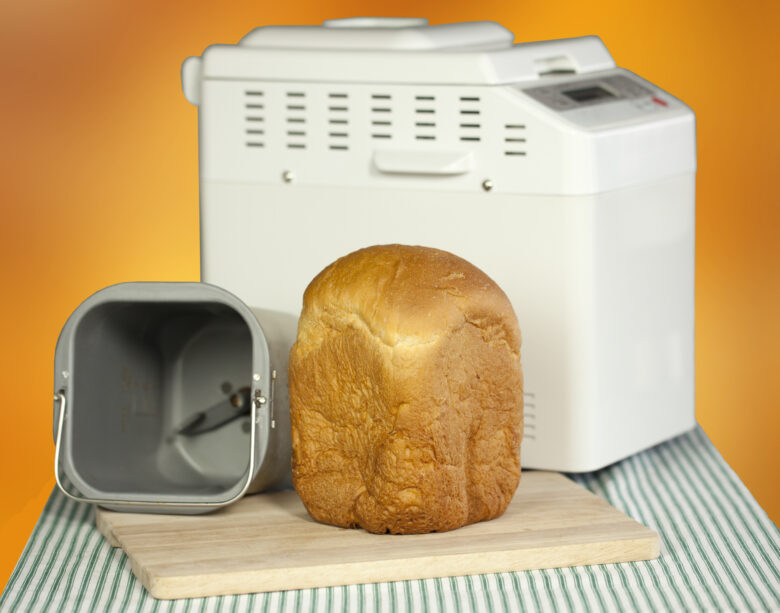
A genuine late-1990s phenomenon. Bake a loaf on a timer and wake to the smell of fresh bread. What the machine actually delivered was a dense, paddle-holed loaf with a crust nothing like a bakery. According to House Digest, it has largely disappeared. The sourdough revival showed that people serious about homemade bread prefer the real process.
The George Foreman Grill
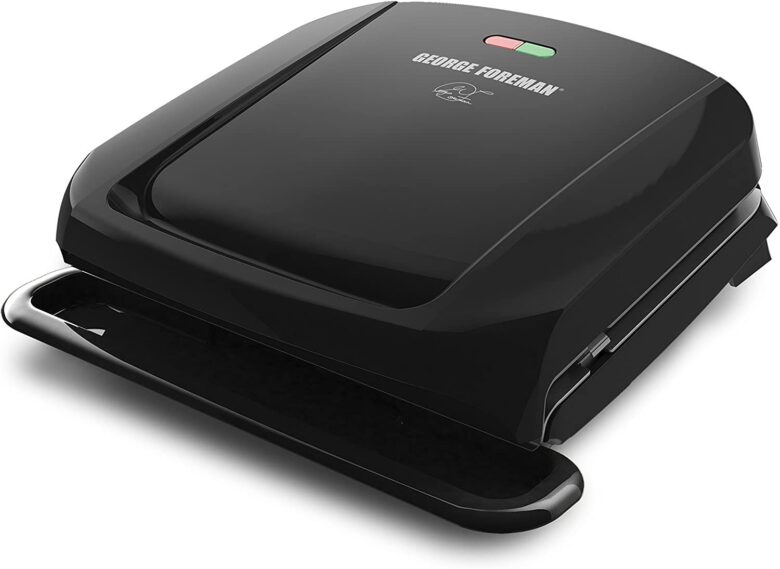
Sold under George Foreman’s name, over 100 million units moved off shelves between the mid-1990s and early 2000s. The appeal was real: it drained fat, cooked fast and required minimal skill. What it produced was a pressed, slightly dry result that approximated grilling without quite delivering on the promise. As House Digest notes, the air fryer occupied the same guilt-reducing psychology with better results, and the Foreman retreated to the cabinet.
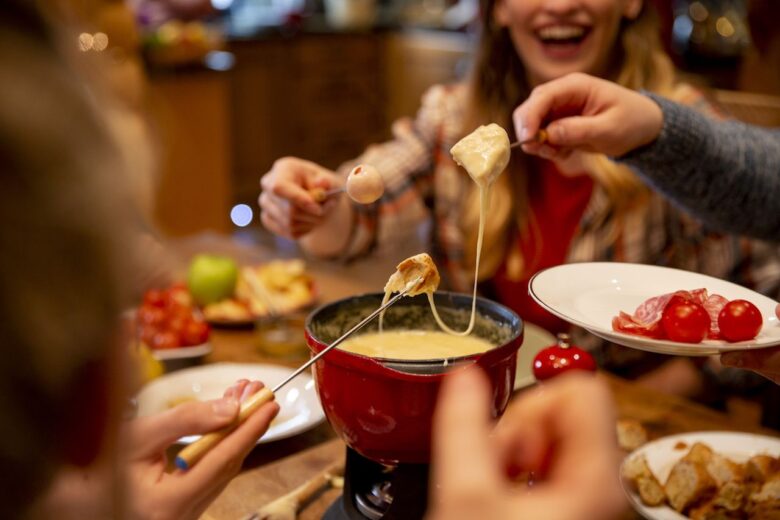
The fondue set
The fondue pot peaked in American kitchens in the 1960s, faded, then reappeared in the late 1990s as both a restaurant trend and a dinner party accessory for a generation that had discovered it anew. House Digest confirms the experience required a pot, a stand, a burner and long forks, plus the kind of patient communal eating that modern socializing rarely accommodates. Most sets now sit in the original box, never opened twice.
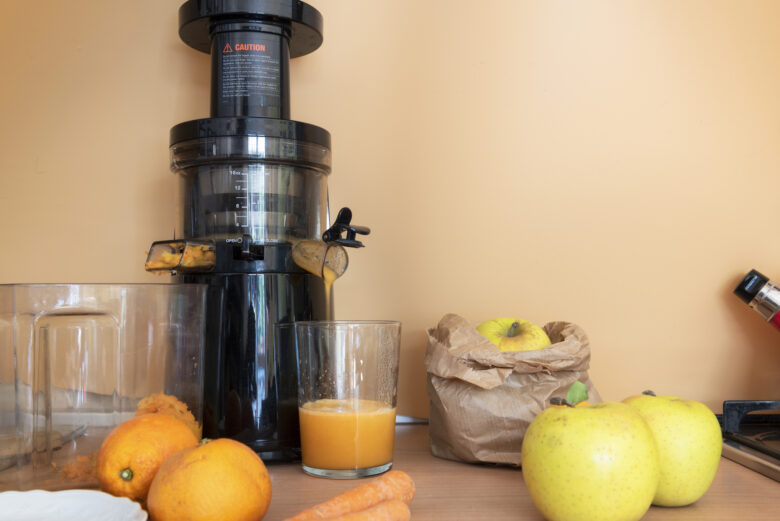
The centrifugal juicer
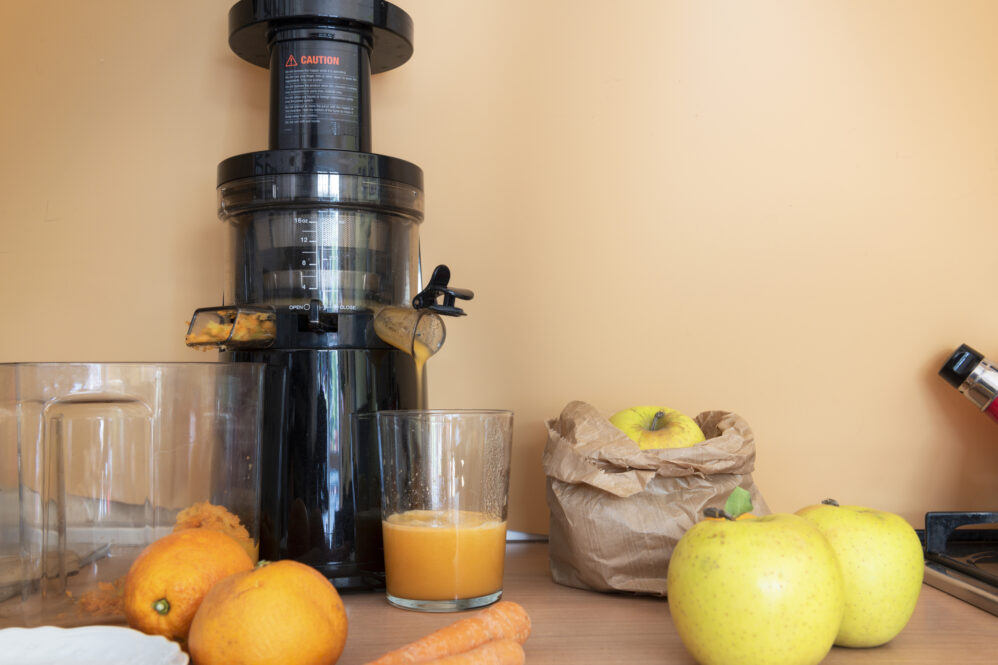
An emblem of early 2000s health consciousness, the centrifugal juicer screamed at high volume, took a pound of produce and returned a small glass of liquid and a drawer full of dry pulp. According to Food Republic, the trend migrated to blenders and smoothies, which retain the fiber that juicers discard. The carrots moved to the blender.
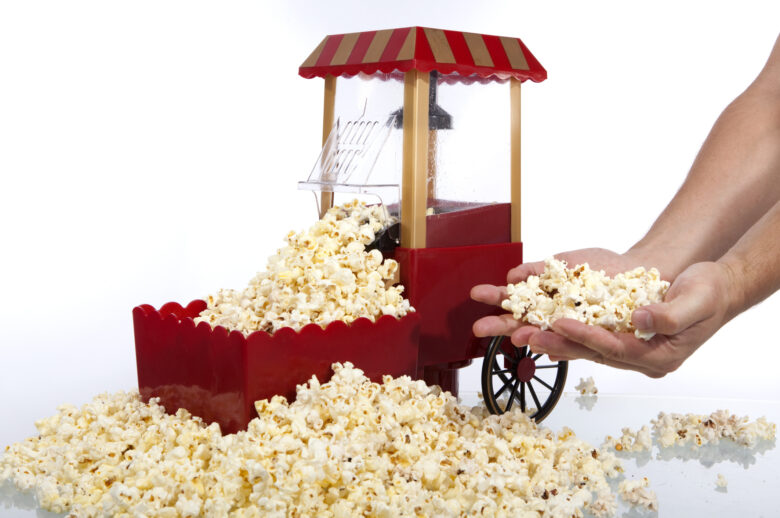
The hot-air popcorn popper
Before microwave popcorn became a pantry staple, the countertop hot-air popper was the domestic standard. House Digest notes it had only a couple of decades of real market presence before microwave bags replaced it so completely that an entire generation grew up without knowing it existed.

The bottom line
Every appliance on this list solved a real problem, or seemed to. The reason they gather dust is not that the problem disappeared but that a simpler solution arrived. The electric can opener lost to a better manual one. The bread machine lost to sourdough. The Foreman Grill and the juicer both lost to the air fryer. That is how kitchens evolve.
Ask us! What questions do you have about content, strategy, pop culture, lifestyle, wellness, history or more? We may use your question in an upcoming article!
Related:
Like MediaFeed’s content? Be sure to follow us.
This article was syndicated by MediaFeed.co.