
This article was reviewed by Kelly Brown MD, MBA.
Key Takeaways:
- Zinc is an essential mineral that plays a critical role in many bodily functions, including arousal.
- Supplementing with zinc may increase testosterone levels, improve blood flow to the genital area, and support fertility.
- While the indirect benefits of zinc are promising, more research is needed to fully understand zinc’s effects on health.
Could a simple mineral really boost your intimate life? When it comes to zinc, research suggests the answer might be yes. From higher testosterone levels to increased sperm count, there are many possible benefits of zinc, especially for men.
Research has looked into the potential role of zinc in bedroom performance, finding that optimal levels may support drive (libido), fertility, and arousal health.
We’ll go over the benefits of zinc for men, how to tell if you have a zinc deficiency, and what to know before adding a supplement to your routine.

5 Benefits of Zinc
If you’re here because you’re hoping zinc is the magical cure to a low drive or ED, you may need to lower your expectations a bit. Zinc shouldn’t be a replacement for medical treatment, but it does play a critical role in your health.
Zinc supports sperm quality (like motility, count, and morphology) and healthy testosterone production. Testosterone is one of the key hormones, so this is good news.
Of all the essential nutrients, zinc may have the most impressive résumé. And of all the possible nutrient deficiencies you could have, it might have the most obvious effects on your health.
Zinc impacts your:
- Testosterone levels
- Arousal health and blood flow
- Fertility
- Prostate health
Keep reading to find out how.
1. Testosterone Levels
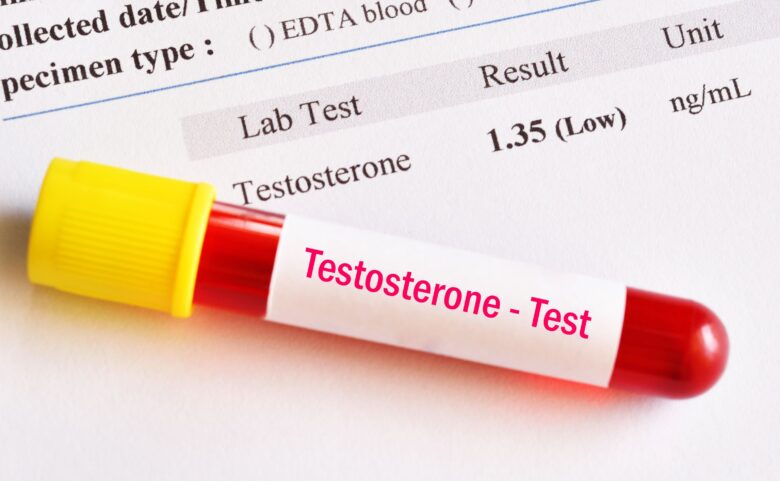
Testosterone is a critical hormone for men. It helps regulate libido, muscle growth, bone density, and red cell production, to name just a few.
If you have low testosterone (male hypogonadism), you may experience changes in your:
- Desire and arousal
- Body composition
- Mood
- Fertility
While zinc shouldn’t replace treatment for low testosterone, getting enough of it is essential for healthy testosterone production. Research shows that low zinc levels are linked to reduced testosterone, and increasing your intake may help raise those levels.
2. Arousal Health and Blood Flow
Getting enough zinc may also improve arousal by increasing blood flow to the genital area. This is because the trace mineral helps produce nitric oxide, a molecule that relaxes blood vessels and increases blood flow.
When blood flow to the genital area increases, it can help you get and maintain arousal.

3. Fertility
A 2018 review found that zinc plays a vital role in male fertility. It supports healthy sperm count and quality, as well as fertilization.
What’s more, zinc deficiency is associated with abnormal sperm. Abnormal sperm have differences in shape or ability to move, making them less likely to fertilize an egg and result in a healthy pregnancy.

4. Supports Prostate Health
Research suggests zinc plays a key role in maintaining prostate health by helping prevent enlargement and inflammation.
Low zinc levels are linked to prostate disorders. Early studies show that restoring zinc balance could reduce the risk of prostate cancer, though more human research is needed to confirm these effects.
Other Effects of Zinc on Men’s Health
Besides zinc’s benefits, the trace mineral is known to support a number of crucial processes in the body. The benefits of zinc include supporting immune function, wound healing, and cognitive function.

Boosts Immune System Function
Zinc is involved in the development and activation of immune cells. This includes lymphocytes (or T cells, a type of white blood cell) and natural killer cells, which help fight off infections and other illnesses.
Some research shows that zinc supplementation may help reduce how long the common cold and other respiratory infections last and the severity of symptoms.

Enhances Wound Healing
Zinc is essential for wound healing. It plays a critical role in cell division, tissue repair, and collagen synthesis — all of which help skin grow back and renew itself after a cut or incision.
Studies have found that zinc supplementation can improve wound healing, particularly in those who are deficient in the mineral. This could be particularly relevant for men recovering from surgery or other injuries.

Improves Cognitive Function
Zinc is critical for healthy brain function, and low zinc status is linked to cognitive impairment in older adults. Early clinical evidence suggests that restoring zinc balance in the body may help support cognition and slow age-related decline.
But high-quality supplementation trials are limited, and findings are mixed. So, again, more research is needed.

How to Tell If You’re Zinc-Deficient
Getting your zinc levels tested as part of a nutrient health panel is the clearest way to find out if you’re getting enough zinc.
Signs and symptoms of a zinc deficiency include:
- Low testosterone
- Chronic infections
- Impaired taste and smell
- Delayed wound healing
- Skin changes
- Mental disturbances
- Hair loss
That said, these can also be symptoms of other health conditions or medication side effects. So you’ll want to work with a healthcare provider to figure out what’s going on.

Risk Factors for Zinc Deficiency
There are several potential causes and risk factors for zinc deficiency. Obviously, not getting enough dietary zinc is the main concern, especially in places where poor nutrition is common.
Strict vegetarian or vegan diets can also lead to a deficiency in zinc.
Here’s what else could increase your chances of zinc deficiency:
- Bowel problems
- Crohn’s disease
- Chronic illness
- HIV
- Diabetes
- Sickle cell disease
- Hookworm infestation
- Excess alcohol consumption

How to Treat a Zinc Deficiency
The recommended daily intake of elemental zinc is 11 milligrams (mg) for adult males. How much of that you’ll absorb from a supplement is a more complicated thing to estimate, but generally speaking, a healthy diet can cover those needs.
Food sources of zinc include:
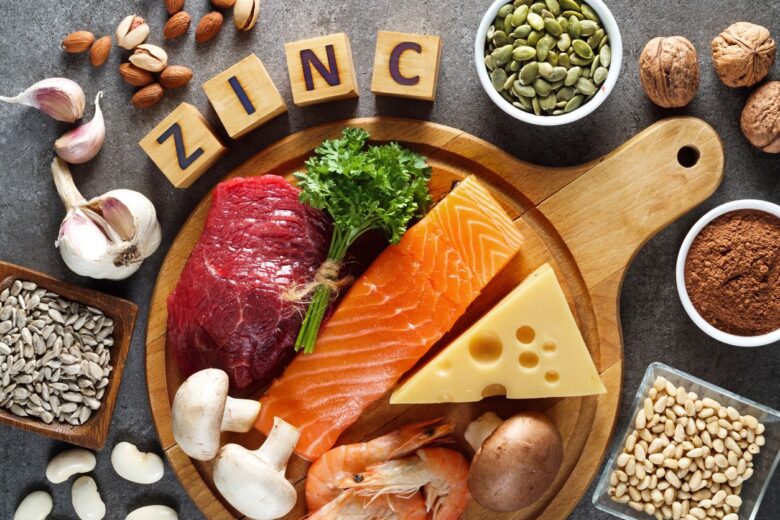
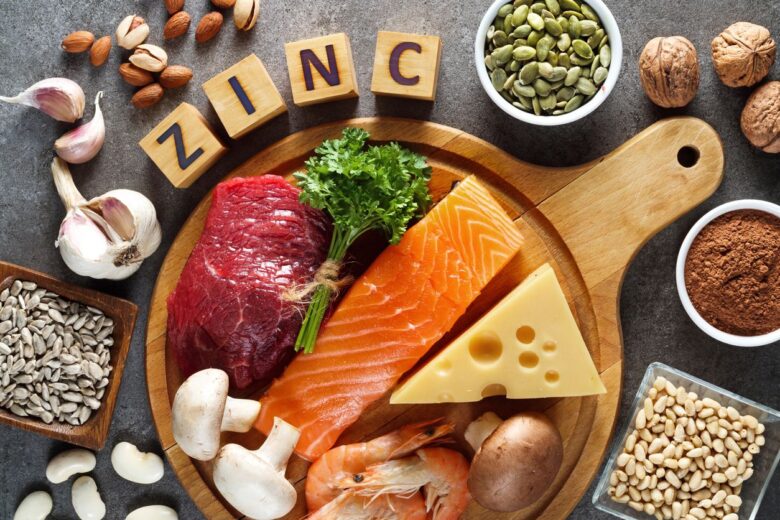
- Red meat
- Poultry
- Whole grains
- Legumes
- Nuts and seeds
- Wild rice
A well-balanced diet should cover your needs if it includes one or more of those foods regularly. If, however, you’re not eating the right foods or are suffering from a condition that reduces your absorption, you might find yourself lacking enough zinc.

Supplementation for Zinc Deficiency
Since the average adult male needs about 11 mg of zinc a day, treating a deficiency may require a larger dose than 11 mg.
Experts generally recommend 2 to 3 mg per kilogram (kg) of body weight — or 20 to 40 mg as a daily dose. This amount will typically clear up problems caused by zinc deficiency within a couple of weeks.
Higher supplement levels of zinc (exceeding 50 mg a day) generally aren’t necessary. Getting too much zinc can lead to urinary problems, nausea, abdominal pain, or diarrhea.
If you have a zinc deficiency, you should address the problem to avoid various health issues. But you don’t want to go overboard with supplements and end up with other problems.
If you’re not sure how to approach supplements, get medical advice from a healthcare provider.

Benefits of Zinc for Men: Final Thoughts
Zinc supplements are a hot topic for men looking to improve not only their health but also their general well-being — and for good reason. This essential mineral supports everything from immune function and wound healing to DNA synthesis.
Let’s just say you’re not the first guy to Google “benefits of zinc man.”
When zinc levels dip too low, the effects may ripple through your body and your intimate life. If you’re low on zinc, your body will let you know — and not just when you’re in the bedroom. From a sluggish immune system to brain fog, zinc deficiency can throw off multiple bodily systems that keep you feeling sharp, strong, and healthy.
Just remember, zinc shouldn’t replace medical care. If you think you have low testosterone or you’re looking to improve your arousal, contact a healthcare professional to get the help you need.
Get answers to frequently asked questions about benefits of zinc for men.

Does zinc really boost performance?
Zinc supports several processes involved in health, like testosterone production, sperm quality, and blood flow. But it isn’t a quick fix for performance issues. If you have a deficiency, getting enough zinc can help, but it won’t replace medical treatment for arousal dysfunction or low testosterone.

How much zinc should a man take daily?
The recommended daily intake for adult men is 11 mg of elemental zinc. Those with a deficiency may need more — 20 to 40 mg per day until levels are back to normal. Taking over 50 mg daily for extended periods can cause side effects. It’s best to talk to a healthcare provider before starting supplements.

Can taking too much zinc be harmful?
Yes, taking too much zinc can be harmful. Excess zinc can interfere with copper absorption and cause nausea, abdominal pain, and urinary issues. Long-term high doses can also suppress immune function, the opposite of what you want zinc for.

What foods are highest in zinc?
Good dietary sources of zinc include red meat, poultry, seafood, nuts, seeds, legumes, and whole grains. A balanced diet with these foods can usually meet your daily needs without supplements.
How do I know if I’m zinc-deficient?
Common signs of zinc deficiency include low testosterone, frequent infections, hair loss, changes in taste or smell, delayed wound healing, or skin issues. If you notice these symptoms, ask your healthcare provider for a lab test to check your zinc levels.

How long does it take to see results from zinc supplements?
If you’re deficient in zinc, you might notice improvements in your levels within a couple of weeks of consistent supplementation. But results vary depending on your starting levels, overall health, and your body’s ability to absorb zinc.
Related:
- Why Rhino Pills Are Risky — And What to Use Instead
- What are the Risks of Taking Over-the-Counter ED Drugs?
Like MediaFeed’s content? Be sure to follow us.
This article originally appeared on Hims.com and was syndicated by MediaFeed.org.