5 things you should never automate in your “smart” home
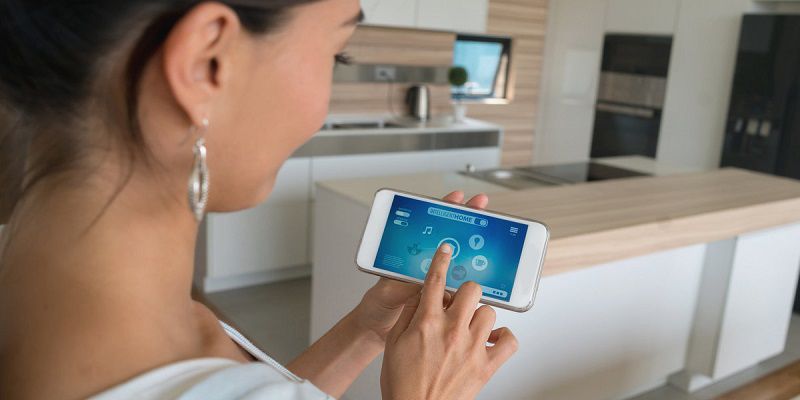
Smart homes promise effortless living at the touch of a button or the sound of your voice, marketed as the inevitable future of convenient domestic life. Technology companies paint vivid pictures of homes that anticipate your needs, adjust themselves automatically, and respond to your every command with seamless precision. The marketing materials show families effortlessly controlling everything from lighting to temperature with simple voice commands, suggesting that automation will revolutionize how we interact with our living spaces.
Unfortunately, the reality for many homeowners tells a drastically different story filled with technical glitches, security vulnerabilities, and devices that create solutions for problems that never actually existed. Instead of streamlined convenience, many discover a complicated web of incompatible systems, hidden costs, and privacy concerns that transform their homes into sources of frustration rather than comfort. The promise of technological harmony often gives way to the reality of constant troubleshooting and expensive upgrades.
This exploration will expose the fundamental flaws underlying the modern smart home concept and identify specific devices that represent not only unnecessary expenses but also genuine wastes of money, time, and personal privacy. Understanding these pitfalls can help you make informed decisions about which technologies genuinely enhance your life versus those that merely add complexity without providing meaningful benefits.

How smart are “smart homes?”
The smart home industry suffers from a fundamental compatibility crisis, known as the “walled garden” problem, where different manufacturers employ entirely different communication protocols, such as Z-Wave, Zigbee, and Matter, alongside proprietary ecosystems that do not work together seamlessly. This fragmentation forces consumers to choose between brand loyalty and functionality, often requiring expensive replacements when switching between systems. The lack of universal standards means that your smart doorbell may not communicate with your smart thermostat, even though both are designed to be part of your integrated home ecosystem.
Hidden costs plague smart home adoption far beyond the substantial initial purchase prices, as many devices require ongoing subscription fees for basic functionalities, such as cloud storage for security cameras, advanced automation features, or even simple remote access capabilities. These recurring charges can quickly exceed the original device costs over time, turning what seemed like one-time purchases into expensive monthly commitments. Additionally, the rapid pace of technological obsolescence creates significant electronic waste problems when companies abandon older hardware or cease operations entirely, leaving consumers with expensive paperweights.
Security and privacy concerns represent the most serious hidden dangers of smart home technology, as every connected device creates a new potential entry point for malicious actors seeking to infiltrate your home network. Many smart devices ship with weak default passwords, unencrypted data transmission, and inadequate security updates, making them attractive targets for hackers who can use them to spy on families, track daily routines, or gain access to more sensitive systems. The constant collection of personal data, from voice recordings to behavioral patterns, creates detailed profiles that companies can sell to third parties without meaningful consent from homeowners.
Internet dependency reveals another critical flaw in smart home design, as these supposedly advanced systems often become completely useless during Wi-Fi outages or cloud server downtime. Simple tasks like turning on lights, adjusting thermostats, or unlocking doors can become impossible without working internet connections, forcing residents to rely on backup manual controls that defeat the purpose of automation. This dependency on external servers means that companies can remotely disable your home devices, either intentionally through service discontinuation or accidentally through technical failures.

Smart locks
Smart locks represent one of the most problematic categories of home automation because they introduce multiple critical failure points to something as essential as home security and access. Traditional mechanical locks operate through simple, time-tested mechanisms with predictable failure modes and reliable backup solutions. In contrast, smart locks depend on batteries, wireless connectivity, software updates, and cloud services that can all fail independently or simultaneously. When any component malfunctions, homeowners risk being locked out of their own homes or, potentially worse, having their security compromised by unauthorized access through software vulnerabilities.
The convenience of remote access and keyless entry comes at a significant cost in terms of reliability and security, as smart locks create digital attack vectors that don’t exist with traditional hardware. Hackers can exploit software bugs, intercept wireless signals, or access manufacturer databases to gain unauthorized entry into homes, turning security devices into vulnerabilities. Battery failure alone can render smart locks useless at the worst possible moments, such as during extreme weather or late-night emergencies when replacement batteries aren’t readily available.
The complexity of smart lock systems also means that troubleshooting problems often requires technical expertise beyond what most homeowners possess, potentially leaving families stranded outside their homes while waiting for technical support or professional assistance. Traditional keys might be lost or broken, but they don’t require software updates, wireless networks, or customer service representatives to function correctly. The fundamental principle of home security suggests that access control systems should be as reliable and straightforward as possible, making smart locks a poor choice for such a critical function.

Smart kitchen appliances
Smart kitchen appliances epitomize the smart home industry’s tendency to create expensive solutions for problems that don’t actually exist in most households. Refrigerators that notify you about expired milk, kettles controlled through smartphone apps, and toasters that sync with cloud services add unnecessary complexity and cost to simple tasks that work perfectly well with traditional methods. These devices often cost significantly more than their conventional counterparts while providing minimal practical benefits and introducing potential points of failure into essential kitchen functions.
The internet connectivity required for smart kitchen appliances creates cybersecurity risks in an area of the home where they’re completely unnecessary, as cooking and food storage fundamentally don’t need network access to function effectively. Smart refrigerators can become entry points for home network infiltration, while connected ovens and microwaves present fire hazards if their software malfunctions or gets compromised by malicious actors. The prospect of hackers accessing your kitchen appliances might sound absurd, but it represents a genuine security concern that adds no corresponding value.
Maintenance and longevity issues plague smart kitchen appliances more severely than traditional models because they combine mechanical components with electronic systems that age at different rates and require different types of repairs. When innovative features fail, the entire appliance must be replaced rather than simply repaired, as specialized electronic components become obsolete or unavailable much faster than mechanical parts. Traditional kitchen appliances can operate reliably for decades with minimal maintenance, while their smart counterparts often require software updates, app compatibility maintenance, and eventual replacement when manufacturers discontinue support.
Smart home security cameras (the privacy paradox)
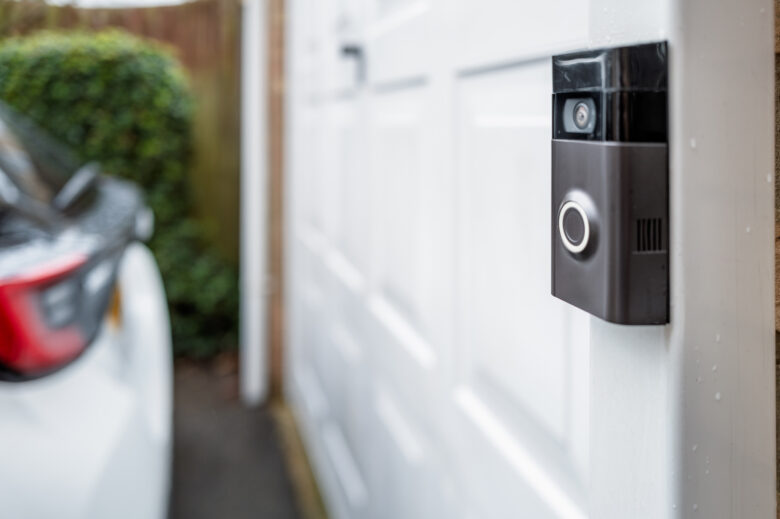
Smart security cameras create a fundamental privacy paradox by promising to protect your home while simultaneously creating some of the most serious privacy vulnerabilities in modern technology. These devices are designed to monitor and record everything happening in and around your home. Still, many models transmit this incredibly sensitive footage to cloud servers with inadequate encryption or security measures. The result is that strangers, including hackers and potentially company employees, can gain access to intimate recordings of your family’s daily life, defeating the entire purpose of home security.
The false sense of security provided by smart cameras often leads homeowners to believe their properties are better protected, when in reality, many of these devices are easily compromised by individuals with basic technical knowledge. Numerous documented cases exist of hackers accessing baby monitors, indoor cameras, and outdoor security systems to harass families, gather intelligence for burglaries, or simply violate privacy for malicious entertainment. The very devices meant to provide peace of mind become sources of anxiety and vulnerability.
Cloud storage requirements for smart security cameras create ongoing privacy concerns as your most personal moments become stored on servers controlled by technology companies with varying privacy policies and data retention practices. Even when companies promise secure handling of footage, data breaches, government requests, and policy changes can expose your recordings to unintended audiences. Local storage options are available, but they often require specialized technical expertise to implement correctly. Many smart cameras are designed to encourage users toward cloud subscriptions that generate recurring revenue for manufacturers, rather than prioritizing user privacy and security.

Smart pet feeders and water fountains
Pet care represents one area where reliability absolutely cannot be compromised, making smart pet feeders and water fountains particularly problematic choices for responsible pet owners. These devices combine mechanical dispensing systems with internet connectivity and smartphone apps, creating multiple potential failure points for something as critical as ensuring your pets receive proper nutrition and hydration. A pet feeder that works perfectly for 364 days of the year becomes completely useless and potentially dangerous if it malfunctions on day 365 while you’re traveling or at work.
The mechanical complexity of automated pet feeders already makes them more prone to jamming, clogging, or breaking than simple food and water bowls, and adding innovative features exponentially increases the ways these devices can fail. Software bugs, connectivity issues, app malfunctions, or server outages can all prevent pets from accessing food or water, creating emergencies that could be easily avoided with traditional feeding methods. Pet owners who rely on these devices often don’t realize problems have occurred until returning home to find hungry or dehydrated animals.
Traditional pet feeding solutions offer reliability, simplicity, and cost-effectiveness that innovative alternatives cannot match, especially when combined with trusted pet sitters, neighbors, or boarding facilities for extended absences. Simple gravity feeders, large water bowls, and manual feeding schedules have kept pets healthy for centuries without requiring internet connections, software updates, or troubleshooting skills. The peace of mind that comes from knowing your pets’ basic needs are met through simple, reliable methods far outweighs any convenience gained from automated feeding systems that introduce unnecessary complexity into essential care routines.

Smart blinds and curtains
Smart blinds and curtains represent the most trivial automation available in modern smart homes, transforming a simple manual task that requires seconds to complete into a complex, expensive system that relies on batteries, motors, wireless connectivity, and smartphone apps. Opening or closing window coverings manually involves no learning curve, requires no troubleshooting, consumes no electricity, and works reliably regardless of power outages, internet connectivity, or software updates. The minimal time savings provided by automation cannot justify the hundreds or thousands of dollars in additional costs.
The mechanical components required for automated window coverings introduce multiple failure points into what is essentially a simple fabric or slat system, as motors can burn out, gears can strip, and sensors can malfunction. When these systems break, homeowners often face expensive repairs or complete replacements, whereas traditional blinds and curtains can typically be fixed easily or replaced affordably. Battery-powered systems require regular maintenance and eventual battery replacement, while hardwired installations require professional installation and electrical work.
The complexity of smart window covering systems often exceeds their utility, as programming schedules, adjusting settings, and troubleshooting connectivity issues can take longer than simply walking to windows and adjusting coverings manually. Voice control may seem convenient, but it requires properly functioning smart speakers, a reliable internet connection, and compatible software that must all work together seamlessly. The simplest solutions often prove the most dependable, and manually operated window coverings exemplify this principle ideally while avoiding the ongoing costs and potential privacy concerns associated with connected home devices.

Conclusion
Smart home technology promises convenience and efficiency, but often delivers complexity and frustration instead. This makes it essential to approach these devices with healthy skepticism and carefully consider actual needs versus marketing hype. The most intelligent approach to home automation involves focusing on technologies that provide genuine benefits while avoiding systems that add unnecessary complexity to simple tasks or introduce security vulnerabilities without corresponding advantages.
A truly smart home prioritizes reliability, security, and simplicity over flashy features and connectivity for its own sake, recognizing that the best technology often involves thoughtful restraint rather than wholesale adoption of every available gadget. Before investing in any smart home device, consider whether it solves a real problem you actually face, whether its benefits outweigh its costs and risks, and whether simpler alternatives might serve your needs more effectively.
The future of home technology should enhance rather than complicate daily life, making it crucial to remain a discerning consumer who values function over form and substance over marketing promises. Check out our other home technology guides here at MediaFeed to learn more about making informed decisions in an increasingly connected world.
Related:
- Simple habits that make your home a hard target
- America’s 14 Smartest & Most Innovative Cities: Did Yours Make the List?
Like MediaFeed’s content? Be sure to follow us.
This article was syndicated by MediaFeed.org.