You can have multiple personal loans at once. Borrowers, in some cases, may apply for and receive two or more personal loans from the same lender, and borrowers may also apply for multiple personal loans across different lenders successfully.
You can apply for as many personal loans as you want or need. Some lenders may only approve one personal loan application per customer, but other lenders may approve multiple loans with the same customer if the borrower is considered creditworthy. We provide more details below and explain the risks of taking out multiple personal loans.
Image Credit: pixdeluxe/istockphoto.
Introduction to Personal Loans and Borrowing Limits

A personal loan is a type of loan that can be used for just about any purpose, including home renovations, taking a vacation, or consolidating debt. It is typically unsecured, meaning it is not backed by collateral such as your house or your car. Because of this, interest rates tend to be higher than if you were to take out a home equity line of credit, for example.
Interest rates on personal loans, though, are generally lower than they are with credit cards. If you need to make a large, one time purchase, a personal loan can be a good option. Rates are usually fixed, which allows your monthly payment to stay the same over the life of the loan.
Personal loans typically range from $1,000 to $50,000, but some lenders may be willing to lend up to $100,000 to borrowers with good credit and a steady stream of income. While there’s no limit on how many personal loans you can get, you may find that you’re capped at a certain amount due to your debt-to-income ratio exceeding the lender’s limit or due to the lender having a limit themselves.
Image Credit: Nikola Ilic/istockphoto.
Factors Affecting the Number of Personal Loans
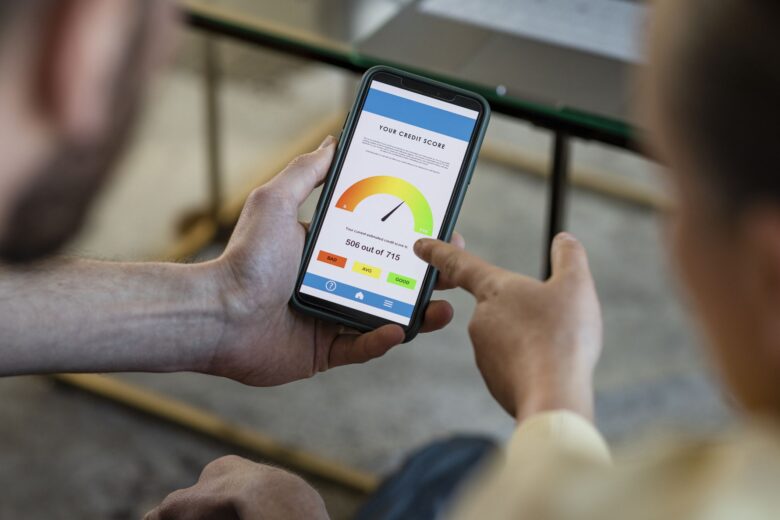
Factors that affect the number of personal loans you can get include:
- Your credit score. Your credit score is a huge factor in determining if a lender will approve you for the loan and at what interest rate. If your score is on the low-to-average side, you may have trouble qualifying for more than one personal loan.
- Your debt-to-income ratio. The more debt you have, the higher your debt-to-income ratio will be. At some point, you may no longer qualify for a personal loan because you’ve taken on too much debt.
- If you already have a personal loan with that lender. Some lenders may cap their personal loans to one or two per customer. Others may have a total loan limit as opposed to a number of loans you can have.
Image Credit: SolStock/istockphoto.
Can You Have More Than One Loan?

Yes, consumers can have more than one personal loan. Some lenders may have restrictions on the number of personal loans one customer can have, while other lenders may have no limits on the number of personal loans one customer can actively carry.
Some lenders may have policies specifying when their existing customers can receive more than one loan. A lender, for example, may require customers to wait 90 days after receiving a personal loan or make three consecutive personal loan payments to become eligible to apply for a similar loan product, including home improvement loans.
These lenders may also have conditions allowing a customer to have more than one active personal loan account subject to monetary limitations. Some lenders may have a maximum loan limit of $50,000 per customer, in which the customer can receive more than one personal loan but shall not exceed the monetary limit.
(Learn more: Personal Loan Calculator)
Image Credit: Anchiy/istockphoto.
Lender Policies and Maximum Loan Limits

From a lender’s perspective, it all comes down to risk. If the lender thinks there’s a chance you won’t be able to repay the loan, they may decide it’s not worth it to lend money to you. This is why lender’s have strict qualification requirements and maximum loan limits.
In general, lenders want to see a good credit score, proof of consistent income, and a solid credit history. How much a lender is willing to lend to you will mostly be determined by your debt-to-income ratio. If this gets too high, lenders fear you’ll be unable to make your monthly loan payments.
For personal loans, the maximum loan limit is usually no more than $100,000. However, you’ll have to qualify for that amount by having a good credit score and enough income to be able to cover the monthly payment.
Image Credit: Milan_Jovic/istockphoto.
Why Taking Out Multiple Loans Can Be Risky

Taking out multiple loans can be risky for the following reasons:
1. It Increases Debt
Taking out a personal loan may increase your debt burden, particularly if you are borrowing for reasons other than debt consolidation. A personal loan can help you pay off existing debt, but taking out multiple loans to make large purchases would increase your debt and could make it harder for you to reach financial freedom.
Increasing your monthly personal loan payments may increase your debt-to-income ratio, also known as DTI. Lenders may calculate your debt-to-income ratio to assess your ability to make timely repayments on the money you have borrowed.
You can determine your DTI by dividing your total recurring monthly debt by your gross monthly income. Increasing your personal loan repayment obligations without increasing your monthly income would increase your DTI, and that could impact your ability to borrow in the future.
Most lenders favor a DTI below 35%, particularly because a low debt-to-income ratio demonstrates a healthy balance between your income and debt compared with high-risk borrowers with high DTI ratios.
Image Credit: Ziga Plahutar/istockphoto.
2. It May Increase Payment Obligations

Taking out multiple loans can increase your monthly payment obligations, particularly if the borrowed money is used for a purpose other than debt consolidation. This could increase your risk of submitting late payments and can make your personal financial situation harder to manage.
When lenders approve personal loan applications, they may report information about those accounts to credit bureaus, including late payments, missed payments, or any defaults. Holding more than one personal loan can force you to spend more time and energy upholding your monthly repayment obligations.
An increase in payment obligations can promote financial stress, which in itself poses many risks to one’s mental health. Financial stress can lead to anxiety and depression, according to health professionals, who also warn that ongoing financial stress can lead to poor physical health.
Image Credit: bymuratdeniz/istockphoto.
3. It Can Negatively Impact Credit Scores

Taking out multiple loans at once can negatively impact your credit scores. Lenders may conduct a hard inquiry into your credit history each time you apply for a personal loan, and such hard inquiries can reduce your FICO® Score and VantageScore® by several points.
As mentioned earlier, having active repayment obligations on multiple personal loan accounts can increase your debt-to-income ratio, and increasing your overall debt repayment obligations can increase the risk of late payments or missed payments. Failing to make timely payments on personal loan accounts can negatively impact your credit scores.
A consumer’s credit score reflects a broad set of data, including the average age of the consumer’s credit accounts. Taking out new loans can lower the average age of your credit accounts, and that can negatively impact your credit scores, as well.
Image Credit: tolgart/istockphoto.
4. It May Limit Access to Additional Credit

Taking out multiple personal loans can limit your access to additional credit. Lenders may conduct a risk assessment before making a decision on whether to approve any borrower’s application for new credit.
Having two or more personal loan accounts may increase your monthly debt repayment obligations, and carrying more debt can temporarily make it harder for you to access more lending products in the future or harder to find financing at low rates of interest.
Image Credit: goc/istockphoto.
When Can Taking Out Multiple Loans Be a Good Idea?
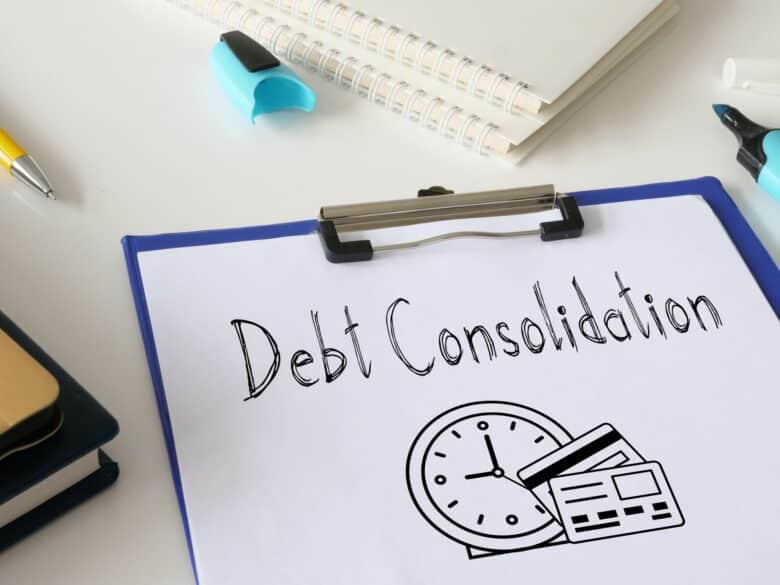
Taking out multiple personal loans can be a good idea in the following scenarios:
1. Debt Consolidation
Taking out multiple loans can be a good idea if the borrowed money goes toward debt consolidation. The average interest rate on a two-year personal loan stood at 11.48% during the second quarter of 2023, whereas the average interest rate on all credit card accounts assessed in that quarter stood at 20.68%.
If a consumer has heavy credit card debt, it might be a good idea for that consumer to consider personal loans for debt consolidation, even if that same consumer has existing personal loan debt repayment obligations.
Image Credit: Andrii Dodonov/istockphoto.
2. Building Credit

Taking out multiple personal loans can also be a good idea if it aligns with a consumer’s financial goals for building credit. If you can afford making monthly repayments on multiple personal loans, taking out several loans can help you build credit in the long run by affirming your financial responsibility.
Establishing a solid payment history on all of your accounts can have a positive impact on your credit score and can make it easier for you to apply and get approved for more lending products down the line, including unsecured personal loans or secured personal loans.
When weighing unsecured vs secured loans, borrowers with good credit may have an easier time getting approved for an unsecured personal loan compared with borrowers who have poor credit. Borrowers with weak credit may consider applying for a secured personal loan, which is an installment loan that requires borrowers to offer collateral as a condition of approval.
Image Credit: SARINYAPINNGAM/istockphoto.
3. Promoting Payment Stability

Taking out multiple loans can also be a good idea if the borrowed money helps the consumer meet regular payments and obligations. If borrowers have existing personal loan debt repayment obligations and find themselves in financial straits and at risk of incurring late payments, it can be a good idea to take out a second personal loan to promote payment stability.
Going further into debt to avoid a late payment is not ideal, but it can potentially stave off greater harm. Missing payments and defaulting on a loan could cause borrowers to temporarily lose access to more credit. Cosigned personal loans can help these borrowers stay afloat.
Image Credit: Eleganza/istockphoto.
4. Navigating Unexpected Expenses

Taking out multiple personal loans could also be a good idea if the borrowed money helps you meet unexpected expenses. Quick personal loans can help borrowers weather the unexpected expenses of an unforeseen crisis. Such loans can help borrowers pay for emergency car repairs and other unplanned expenses.
Image Credit: staticnak1983/istockphoto.
Managing Multiple Personal Loans Responsibly

If you do decide to have more than one personal loan at a time, it’s important to manage them responsibly so your credit score isn’t negatively impacted. For starters, keep track of your monthly loan payments and when they are due. A downside of having multiple personal loans as opposed to just one is you have to make multiple payments each month. If you forget to make a payment, your credit score may take a hit.
It’s also a good idea to keep your debt-to-income ratio as low as you can. If you max out this ratio (lenders typically like to see debt-to-income ratios no higher than 40%), you’ll struggle with getting financing. If you need financing due to an emergency, you may be out of luck.
If you find yourself struggling to keep up with all of your loan payments, you could consider consolidating all of your personal debt with a debt consolidation loan. With this type of loan, you’d pay off your current personal loans, credit cards, and other forms of debt and then make one monthly payment on the new loan.
Image Credit: RichVintage/istockphoto.
Personal Loan Alternatives

Here are some alternatives to personal loans:
1. Credit Cards
Credit cards can allow consumers to make small or large purchases on credit. Some credit cards may offer a rewards program that provides cardholders with at least 1% cash back on all purchases.
2. Personal Line of Credit
A personal line of credit may allow consumers to borrow a certain amount of funds for personal spending up to a certain limit. Borrowing money from a personal line of credit is comparable to taking out a personal loan.
3. Payday Loans
Payday loans can provide consumers with small sums of cash, and borrowers are typically expected to repay these bad credit loans in a matter of weeks or months. Payday loans may feature high fees ranging from $10 to $30 for every $100 borrowed, and they also are considered predatory because it’s easy for the borrower to become trapped in a cycle of debt with this type of financing.
Image Credit: bernie_photo/istockphoto.
The Takeaway

Having multiple personal loans can increase your debt, but taking out several personal loans may also help borrowers stay afloat during tough economic times. Consumers with poor credit can still get approved for consumer lending products.
This article originally appeared on SoFi.com and was syndicated by MediaFeed.org.
Lantern By
SoFiSoFi receives compensation in the event you obtain a loan, financial product, or service through the Lantern marketplace. This Lantern website is owned by SoFi Lending Corp., a lender licensed by the Department of Financial Protection and Innovation under the California Financing Law, license number 6054612; NMLS number 1121636. (nmlsconsumeraccess.org
https://www.nmlsconsumeraccess.org/
). This site is NOT owned and operated by SoFi Bank. Loans, financial products, and services may not be available in all states.
All rates, fees, and terms are presented without guarantee and are subject to change pursuant to each provider’s discretion. There is no guarantee you will be approved or qualify for the advertised rates, fees, or terms presented. The actual terms you may receive depends on the things like benefits requested, your credit score, usage, history and other factors.
*Check your rate: To check the rates and terms you may qualify for, Lantern and/or its network lenders conducts a soft credit pull that will not affect your credit score. However, if you choose a product and continue your application, the lender(s) you choose will request your full credit report from one or more consumer reporting agencies, which is considered a hard credit pull and may affect your credit.
All loan terms, including interest rate, and Annual Percentage Rate (APR), and monthly payments shown on this website are from lenders and are estimates based upon the limited information you provided and are for information purposes only. Estimated APR includes all applicable fees as required under the Truth in Lending Act. The actual loan terms you receive, including APR, will depend on the lender you select, their underwriting criteria, and your personal financial factors. The loan terms and rates presented are provided by the lenders and not by SoFi Lending Corp. or Lantern. Please review each lender’s Terms and Conditions for additional details.
Many factors affect your credit scores and the interest rates you may receive. SoFi is not a Credit Repair Organization as defined under federal or state law, including the Credit Repair Organizations Act. SoFi does not provide “credit repair” services or advice or assistance regarding “rebuilding” or “improving” your credit record, credit history, or credit rating. For details, see the FTC’s website on credit (consumer.ftc.gov)
Financial Tips & Strategies: The tips provided on this website are of a general nature and do not take into account your specific objectives, financial situation, and needs. You should always consider their appropriateness given your own circumstances.¹
SoFi’s Insights tool offers users the ability to connect both SoFi accounts and external accounts using Plaid, Inc.’s service. When you use the service to connect an account, you authorize SoFi to obtain account information from any external accounts as set forth in SoFi’s Terms of Use. SoFi assumes no responsibility for the timeliness, accuracy, deletion, non-delivery or failure to store any user data, loss of user data, communications, or personalization settings. You shall confirm the accuracy of Plaid data through sources independent of SoFi. The credit score provided to you is a VantageScore® based on TransUnion® (the “Processing Agent”) data.
Personal Loan
SoFi Lending Corp. (“SoFi”) operates this Personal Loan product in cooperation with Engine by MoneyLion. If you submit a loan inquiry, SoFi will deliver your information to Engine by MoneyLion, and Engine by MoneyLion will deliver to its network of lenders/partners to review to determine if you are eligible for pre-qualified or pre-approved offers. The lenders/partners receiving your information will also obtain your credit information from a credit reporting agency. If you meet one or more lender’s and/or partner’s conditions for eligibility, pre-qualified and pre-approved offers from one or more lenders/partners will be presented to you here on the Lantern website. More information about Engine by MoneyLion, the process, and its lenders/partners is described on the loan inquiry form you will reach by visiting our Personal Loans page as well as our Student Loan Refinance page. Click to learn more about Engine’s Licenses and Disclosures, Terms of Service, and Privacy Policy.Personal loan offers provided to customers on Lantern do not exceed 35.99% APR. An example of total amount paid on a personal loan of $10,000 for a term of 36 months at a rate of 10% would be equivalent to $11,616.12 over the 36 month life of the loan.
Student Loan RefinanceSoFi Lending Corp. (“SoFi”) operates this Student Loan Refinance product in cooperation with Engine by MoneyLion. If you submit a loan inquiry, SoFi will deliver your information to Engine by MoneyLion, and Engine by MoneyLion will deliver to its network of lenders/partners to review to determine if you are eligible for pre-qualified or pre-approved offers. The lenders receiving your information will also obtain your credit information from a credit reporting agency. If you meet one or more lender’s and/or partner’s conditions for eligibility, pre-qualified and pre-approved offers from one or more lenders/partners will be presented to you here on the Lantern website. More information about Engine by MoneyLion, the process, and its lenders/partners is described on the loan inquiry form you will reach by visiting our Personal Loans page as well as our Student Loan Refinance page. Click to learn more about Engine’s Licenses and Disclosures, Terms of Service, and Privacy Policy.
NOTICE: The debt ceiling legislation passed on June 2, 2023, codifies into law that federal student loan borrowers will be reentering repayment. The US Department of Education or your student loan servicer, or lender if you have FFEL loans, will notify you directly when your payments will resume For more information, please go to https://docs.house.gov/billsthisweek/20230529/BILLS-118hrPIH-fiscalresponsibility.pdf https://studentaid.gov/announcements-events/covid-19
If you are a federal student loan borrower considering refinancing, you should take into account the new income-driven payment plan, SAVE, which replaces REPAYE, seeks to make monthly payments more affordable, and offers forgiveness of balances that were originally $12,000 or lower after 120 payments, among other improvements. Also, please note that once you refinance federal student loans you will no longer be eligible for current or future flexible payment options available to federal loan borrowers, including but not limited to income-based repayment plans, such as SAVE, or extended repayment plans.
Auto Loan RefinanceAutomobile refinancing loan information presented on this Lantern website is from Caribou, AUTOPAY, Engine by MoneyLion, and each of Engine’s partners (along with their affiliated companies). Caribou, AUTOPAY, and Engine by MoneyLion pay SoFi compensation for marketing their products and services on the Lantern site.
Auto loan refinance information presented on this Lantern site is indicative and subject to you fulfilling the lender’s requirements, including but not limited to: credit standards, loan size, vehicle condition, and odometer reading. Loan rates and terms as presented on this Lantern site are subject to change when you reach the lender and may depend on your creditworthiness, consult with the lender for more details. Additional terms and conditions may apply and all terms may vary by your state of residence.
Secured Lending DisclosureTerms, conditions, state restrictions, and minimum loan amounts apply. Before you apply for a secured loan, we encourage you to carefully consider whether this loan type is the right choice for you. If you can’t make your payments on a secured personal loan, you could end up losing the assets you provided for collateral. Not all applicants will qualify for larger loan amounts or most favorable loan terms. Loan approval and actual loan terms depend on the ability to meet underwriting requirements (including, but not limited to, a responsible credit history, sufficient income after monthly expenses, and availability of collateral) that will vary by lender.
BankingSoFi Lending Corp. (“SoFi”) operates this website in cooperation with Engine by MoneyLion presenting promotions for products and services offered by other banks, lenders, and financial institutions. If you select a promotion above, you will be connected to the website of the company offering the product. The promotions presented on this site are from companies that pay SoFi and Engine by MoneyLion compensation for marketing their products and services. This may affect whether a provider is featured on this site and could affect the order of presentation. Lantern and Engine by MoneyLion do not include all providers in the market or all of their available offerings. Click to learn more about Engine’s Licenses and Disclosures, Terms of Service, and Privacy Policy.
Image Credit: PeopleImages/istockphoto.
More from MediaFeed

6 ways to avoid getting hit with minimum balance fees from your bank
Image Credit: Thai Liang Lim/istockphoto.