Americans who proudly call themselves globetrotters can travel wherever they choose. However, there are some countries in the world that, according to the U.S. Department of State’s public, travel advisories should remain off-limits. The agency issues travel advisory levels for more than 200 countries globally using four levels of guidance to let Americans know what to expect in each country. Travel advisory levels range from Level 1, which means exercise standard precautions; Level 2— exercise increased precautions; Level 3—reconsider travel to this country; and Level 4, which means do not travel there, primarily because of ongoing war conflict.
This list ranks the world’s most dangerous countries from the least to the most risky, according to the State Department’s designation levels, encompassing a total of twenty-nine countries.
34. Saudi Arabia – Level 3: Reconsider travel
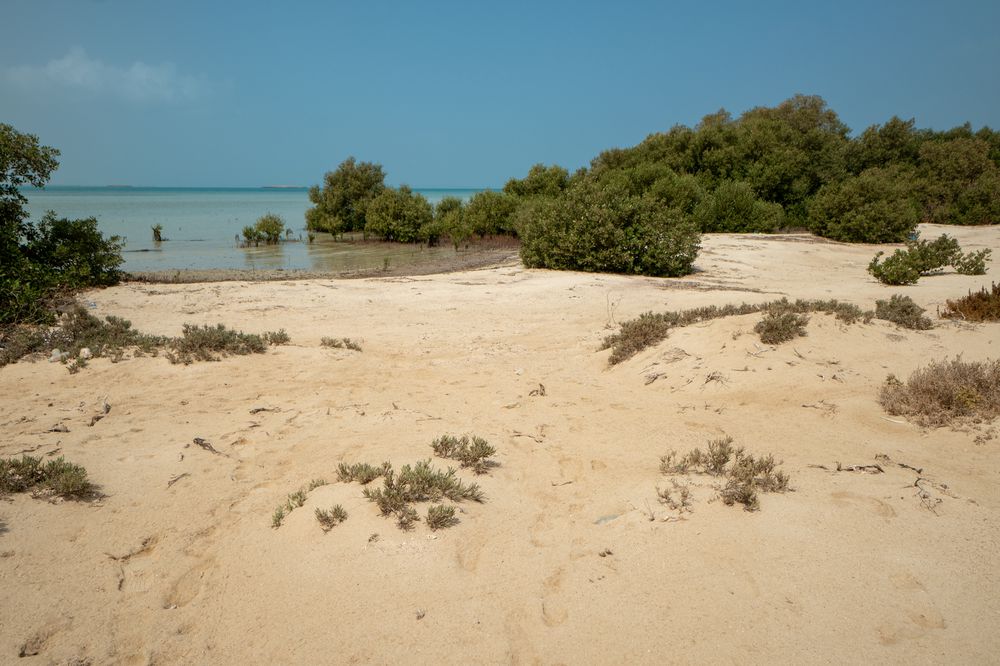
As of July 2023, the U.S. Department of State updated Saudi Arabia’s status to Level 3 due to various potential risks from terrorism and the possibility of ballistic missile and drone attacks on civilian facilities.
33. Ethiopia– Level 3: Reconsider travel
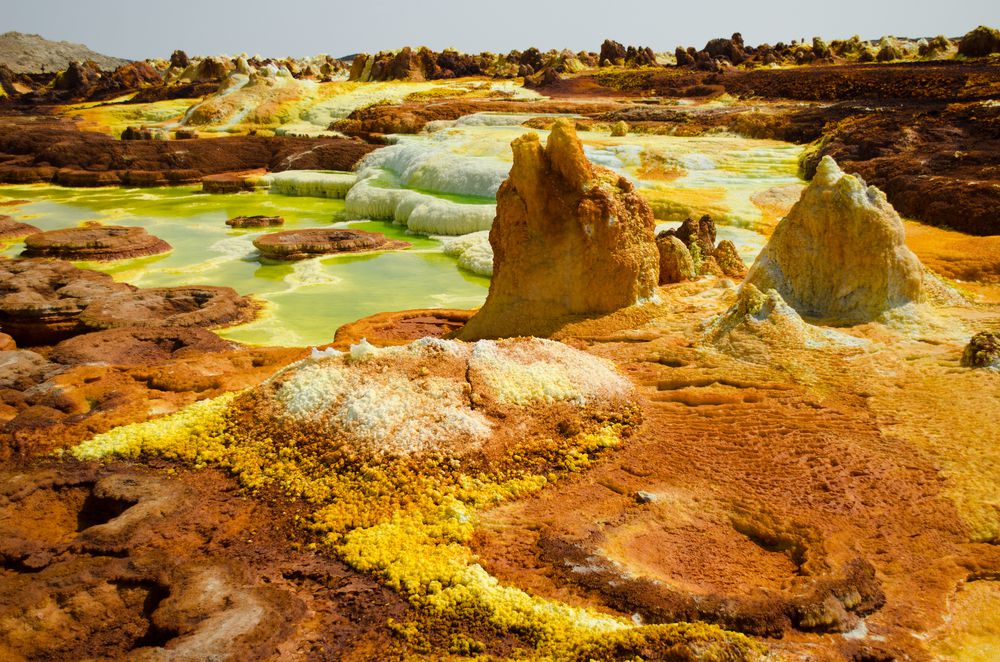
In July 2023, the State Department raised a red flag on travel to Ethiopia, urging Americans to reconsider traveling to the country because of violent conflicts, civil unrest, and crime, especially near border areas.
32. Democratic Republic of Congo–Level 3: Reconsider travel

Since July 2023, Americans have been advised not to travel to several regions in the Democratic Republic of Congo (DRC), due to high risks of crime and civil unrest. Travelers are specifically warned to avoid North Kivu and Ituri provinces due to dangers like terrorism, armed conflict, and kidnapping.
31. Uganda–Level 3: Reconsider travel
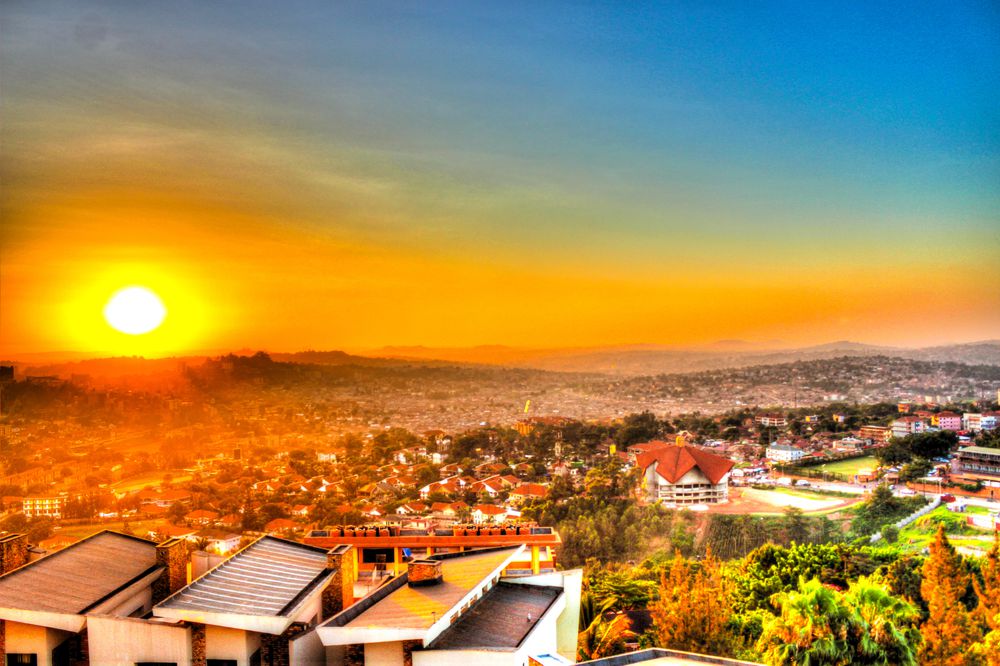
In July 2023, the State Departmentupdated Uganda’s Level 2 status to Level 3 mainly because of a recent wave of terrorist activities with the most recent attacks happening in December 2022. In addition, in May 2023, Uganda enacted the Anti-Homosexuality Act which incriminalizes LGBTQI+ individuals and their supporters.
30. Chad – Level 3: Reconsider travel
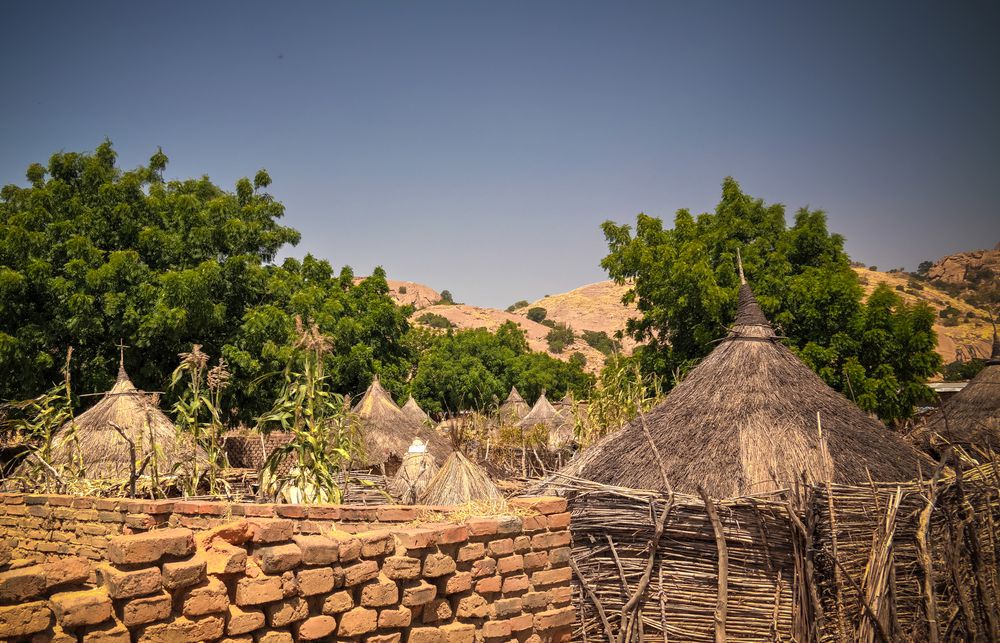
The State Department warns of increased activity of terrorist attacks, unmapped minefields along the borders with Libya and Sudan, as well as an increased rate of violent crime such as armed robbery, carjacking, and kidnapping.
29. Nigeria – Level 3: Reconsider travel
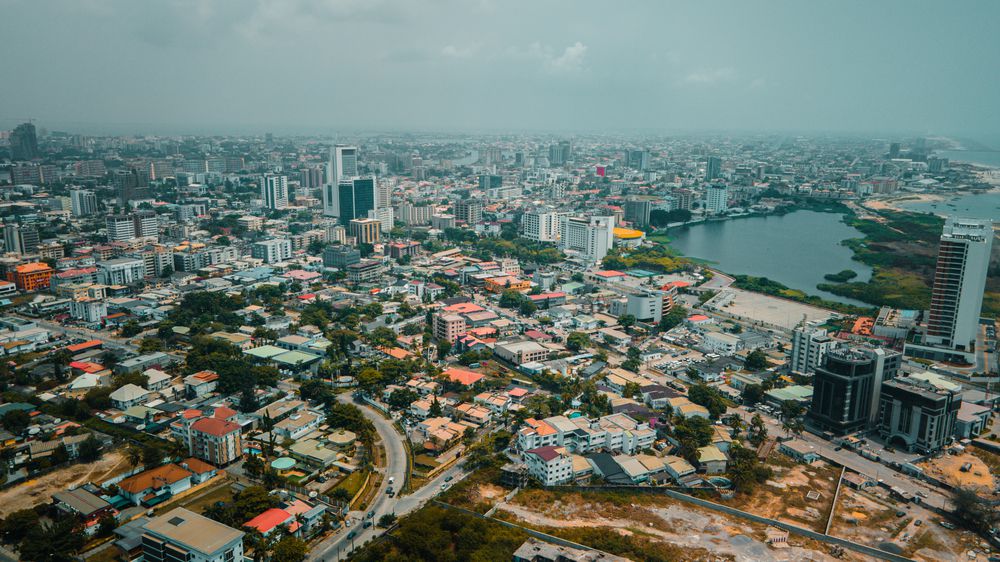
Americans should reconsider any plans to visit Nigeria due to a range of security threats, including crime, terrorism, civil unrest, kidnapping, and the presence of armed gangs. In case of necessary travel to the country, the agency strongly advises against visiting several states, including Borno, Yobe, Kogi, and northern Adamawa, due to terrorism and kidnapping risks; Bauchi, Gombe, Kaduna, Kano, Katsina, Sokoto, and Zamfara, primarily due to kidnapping.
28. Mauritania–Level 3: Reconsider travel

Violent crimes, such as mugging, armed robbery, and assault, are common in Mauritania, according to the State of Department, which advises U.S. citizens to steer clear from visiting this African country.
27. Egypt–Level 3: Reconsider travel

While Egypt is, in general, considered a safe place to visit, the U.S. Department of State recently updated its travel advisory status to Level 3 due to terrorism and primarily because of the ongoing Israel-Hamas conflict, as the country shares borders with the affected Gaza Strip.
26. Pakistan—Level 3: Reconsider travel

The State Department urges Americans to scratch Pakistan from their travel bucket list with a Level 3 travel advisory due to terrorist attacks on significant hubs across the country, with most occurring in Balochistan and KP, including the former FATA.
25. China–Level 3: Reconsider travel

Due to the increased risk of wrongful detentions, the U.S. Department of State updated China’s travel advisory to Level 3 in June 2023. Travelers to Hong Kong should exercise increased caution due to the arbitrary enforcement of local laws.
24. Papua New Guinea–Level 3: Reconsider travel
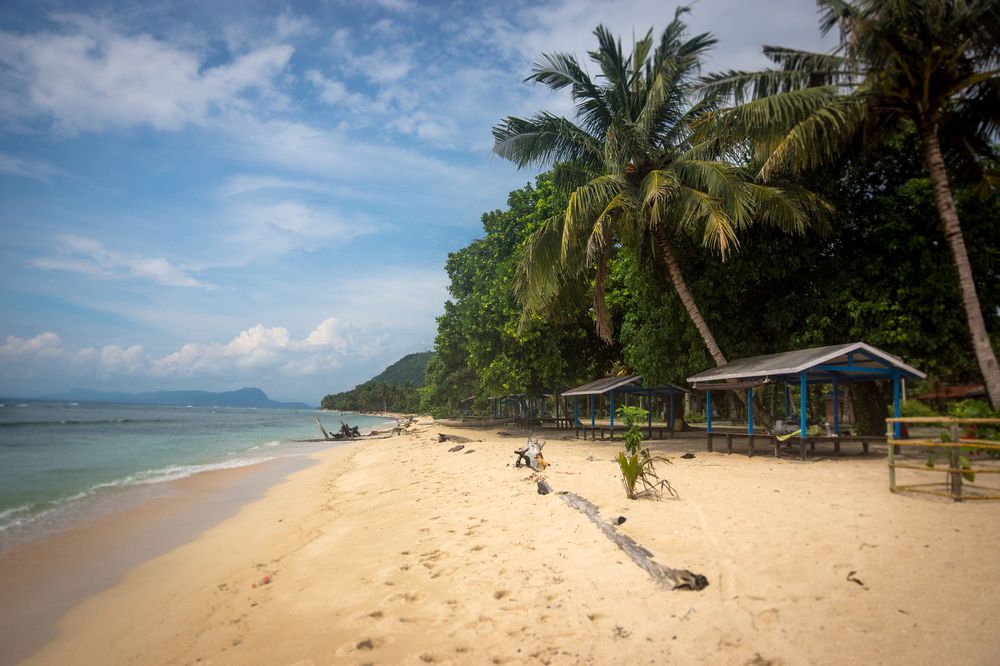
According to the State Department, Americans should reconsider travel to Papua New Guinea due to civil unrest, crime, and piracy. Those determined to travel to the country should exercise increased caution due to kidnapping, unexploded ordnance, inconsistent availability of healthcare services, and the potential for natural disasters.
23. Colombia–Level 3: Reconsider travel
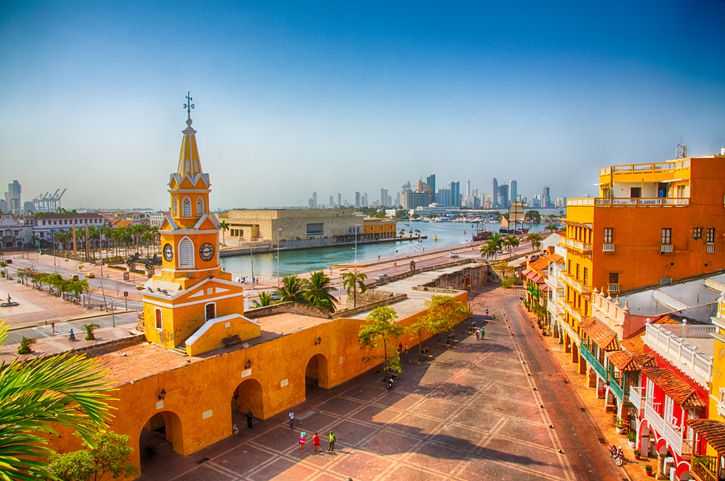
The State Department warns Americans traveling to Colombia to reconsider plans due to crime and terrorism.
22. Honduras–Level 3: Reconsider travel

The U.S. government recommends Americans to reconsider traveling to this Central American country due to high levels of crime, including extortion, rape, and narcotics, and human trafficking. Honduras has been grappling with one of the highest murder rates globally since 2010.
21. Guatemala–Level 3: Reconsider travel

The American government urges you to reconsider your travel plans to Guatemala due to crime.
20. Libya– Level 4: Do not travel
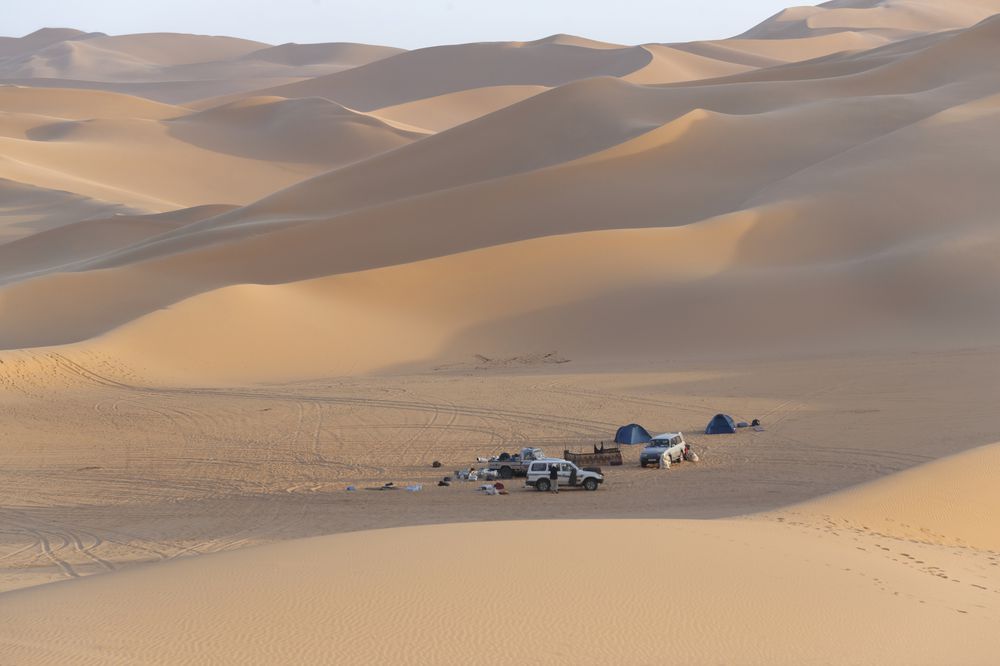
The State Department has placed a “do not travel” advisory on Libya, which has been unstable since the fall of its dictatorship more than ten years ago. The country faces numerous challenges, including civil unrest, armed conflict, crime, kidnapping, and terrorism. American citizens in Libya have been at risk, particularly of kidnapping for ransom, and terrorists have targeted places like airports and hotels.
19. Mali–Level 4: Do not travel

The U.S. government advises Americans to stay away from the West African nation of Mali, primarily due to concerns over crime and terrorism. Mali, a landlocked country, is home to several terrorist organizations, including al-Qaida in the Islamic Maghreb, which actively operate within its borders.
18. South Sudan–Level 4: Do not travel

While South Sudan gained independence in 2011, the newly formed country descended into conflict two years after its creation with approximately 4 million people being displaced by conflict. This is the reason why the State Department advises Americans not to travel to South Sudan.
17. Sudan–Level 4: Do not travel
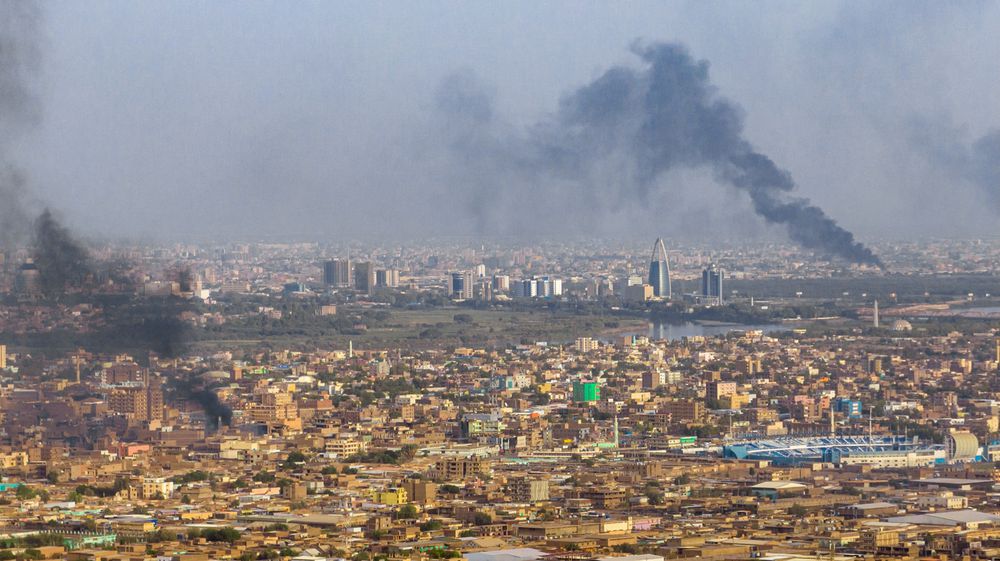
Americans, including U.S. government employees— who were evacuated in April 2023—are strongly advised not to travel to war-torn Sudan due to an ongoing armed conflict that includes heavy fighting between various political and security groups. The situation is violent, volatile, and highly unpredictable, particularly in the capital city of Khartoum.
16. Syria–Level 4: Do not travel

In 2012, a peaceful uprising against the Syrian president turned into a full-blown civil war lasting more than a decade, leaving more than 400,00 dead and turning cities into ruins. “No part of Syria is safe from violence,” reads the State Department’s travel advisory, which issues the strongest warning to Americans considering to visit the country. The U.S. embassy suspended operations in 2012, and the United States does not have diplomatic relations with Syria.
15. Central African Republic–Level 4: Do not travel

Central African Republic is another high-risk country that has been unstable since it gained independence in 1960. Americans are advised by the State Department not to travel to this country due to crime and violence, including armed robbery, aggravated battery, and homicide.
14. Burkina Faso–Level 4: Do not travel
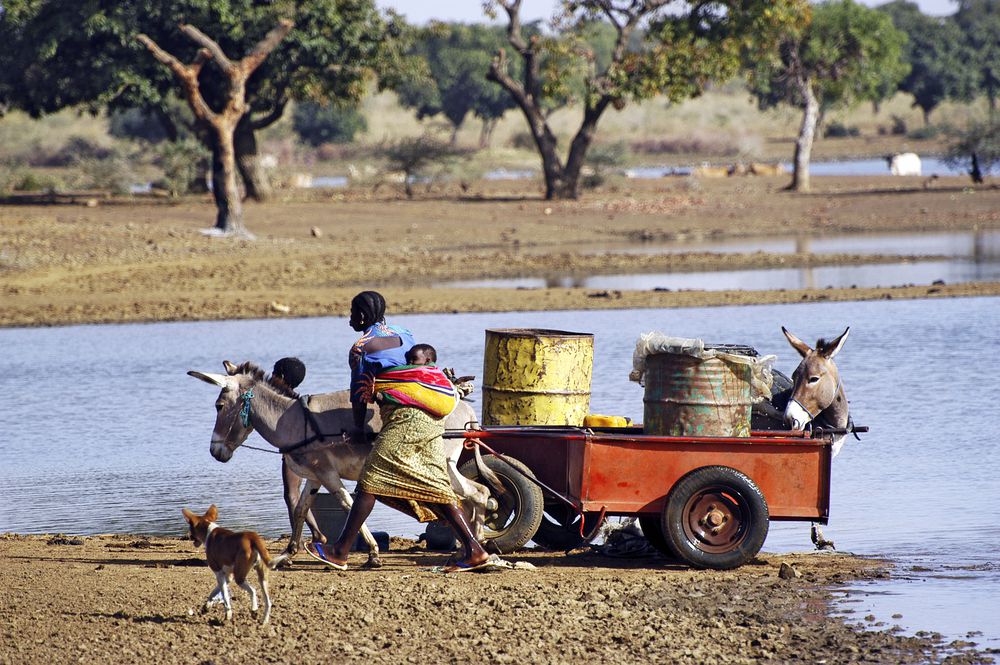
Americans should not travel to Burkina Faso–a landlocked nation in western Africa–because of terrorism, crime, and kidnapping. “Terrorist attacks could target hotels, restaurants, and schools with little to no warning,” warns the State Department’s travel advisory.
Terrorism, crime, and kidnapping should ward U.S. citizens off from travel to Burkina Faso, according to the State Department.
13. Somalia–Level 4: Do not travel

Kidnapping, piracy, and terrorism should ward Americans off from traveling to Somalia, according to the State Department. Located on the Indian Ocean, the African nation has been a haven for terrorism, crime, and violence.
12. Niger–Level 4: Do not travel
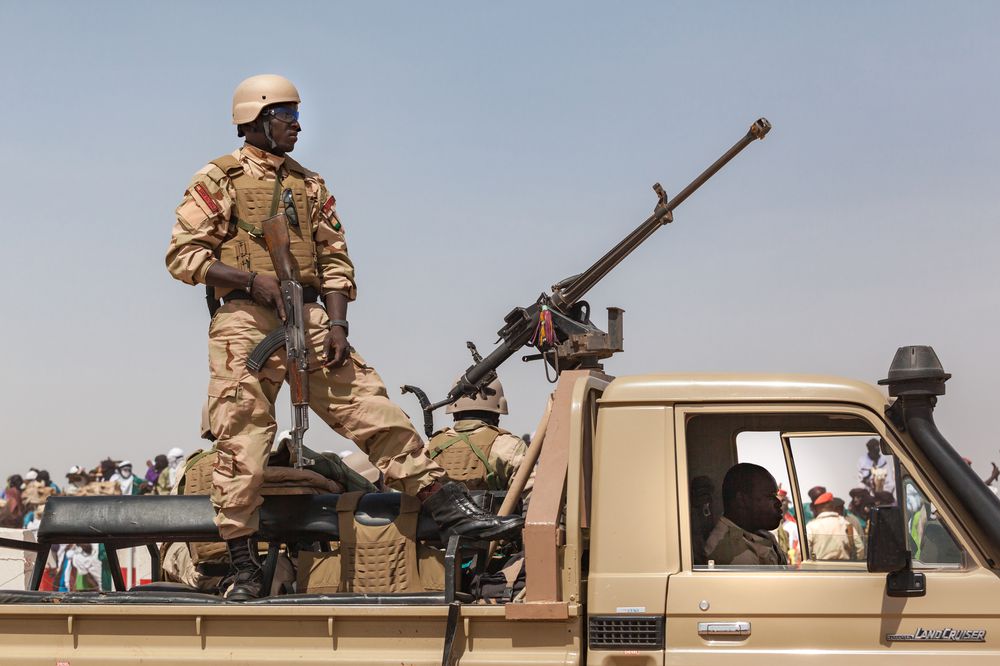
The Department of State x changed Niger’s travel advisory status from Level 3 to Level 4 in August 2023, following an attempted coup, and ordered all non-emergency U.S. government personnel and family members to leave the U.S. Embassy in Niamey.
11. Yemen–Level 4: Do not travel

Terrorism, civil unrest, health risks, kidnapping, armed conflict, and landmines are six of the nine risk factors defined by the State Department are present in Yemen. The U.S. government urges Americans against traveling to the war-torn country on the Arabian peninsula saying “no part of Yemen is immune to violence.”
10. Lebanon–Level 4: Do not travel

In the wake of the Israel-Hamas war that had an outbreak in early October, the State Department moved Lebanon from a Level 3 to a Level 4 travel advisory level due to “the unpredictable security situation related to rocket, missile, and artillery exchanges” between Israel and Hezbollah or other militant groups. Lebanon, situated on the Mediterranean Sea, borders Israel to the south and Syria to the north, placing it in a region currently fraught with conflict.
9. Iran–Level 4: Do not travel

Iran is another high-risk country that U.S. citizens should not travel to due to the high risk of “arbitrary arrest and detention.” U.S.-Iranian nationals such as business travelers, journalists, and students have been arrested on charges of espionage and threatening national security.
8. Iraq–Level 4: Do not travel
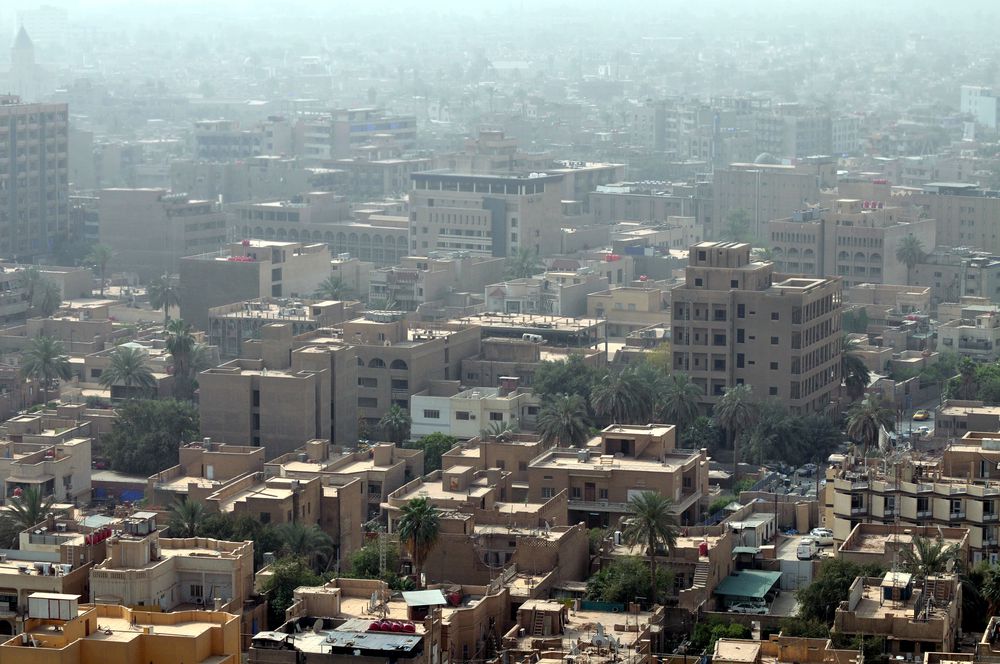
Armed conflict, civil unrest, terrorism, and kidnapping actively contribute to Iraq’s Level 4 travel advisory designation. The recent conflict in neighboring Israel has led to an escalation in attacks against Iraqi military bases, where U.S. troops and other international forces are stationed. According to USNews, on Oct. 20, non-emergency U.S. government personnel and eligible family members were ordered to leave the U.S. embassy in Baghdad.
7. Myanmar–Level 4: Do not travel
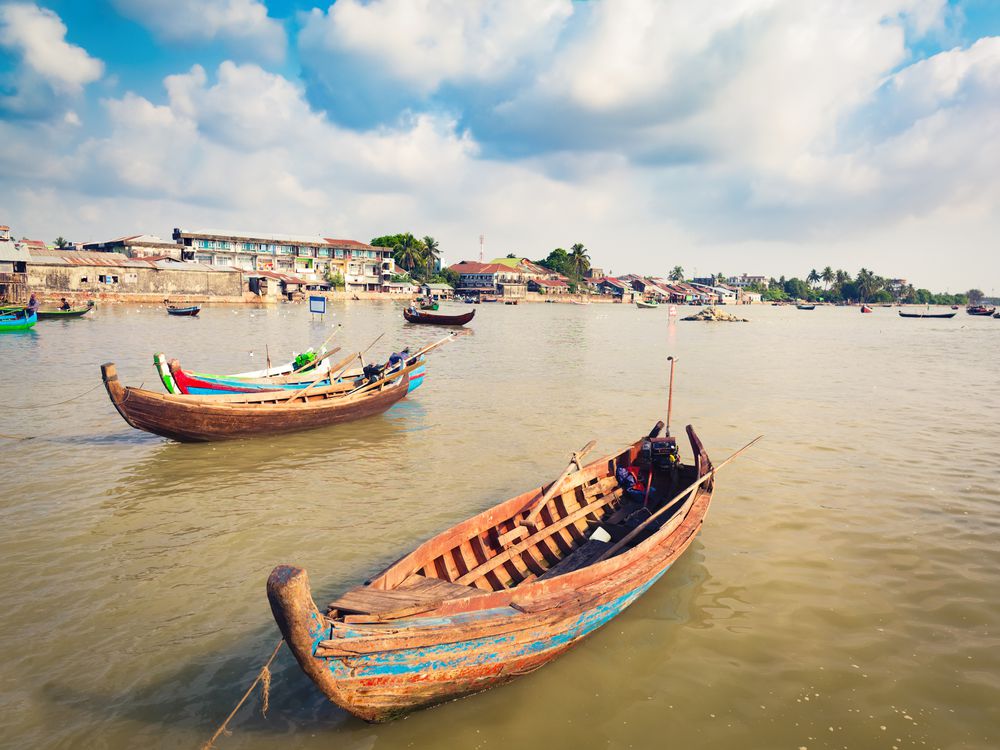
U.S. citizens are warned not to travel to Myanmar—formerly known as Burma— mainly because of armed conflict and civil unrest since the Southeast Asian country experienced a military coup in early 2021.
6. Afghanistan–Level 4: Do not travel
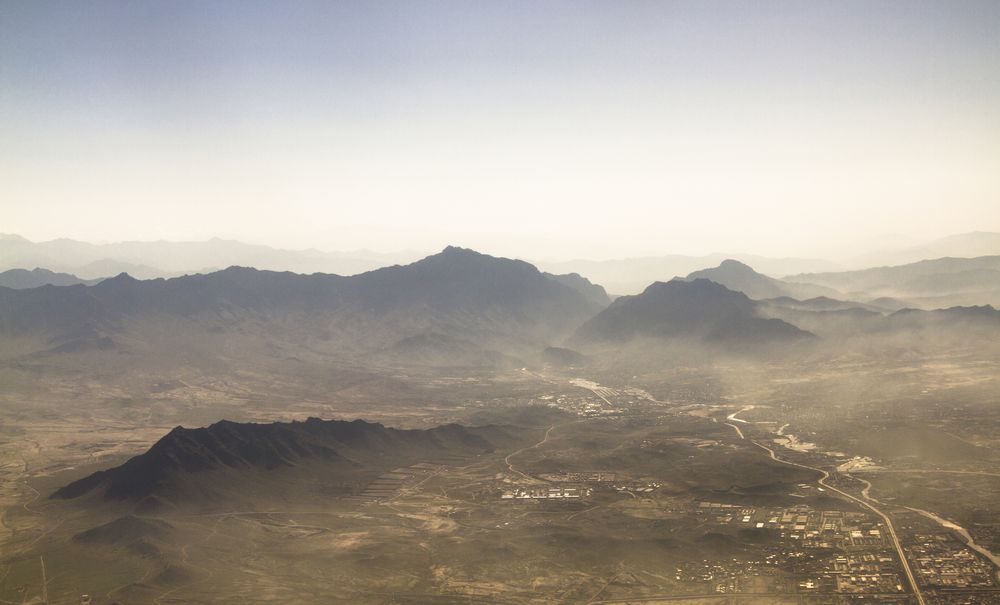
The State Department advises that travel to all areas of Afghanistan is risky because of high levels of hostage-taking, kidnappings, landmines, suicide bombings, military combat operations, and terrorist and insurgent attacks.
5. North Korea – Level 4: Do Not Travel

The U.S. government strongly advises Americans to avoid visiting North Korea, as the country ruled by a totalitarian government poses numerous risks to travelers. The greatest risk to U.S. visitors continues to be arrest and long-term detention, evidenced by the fate of American student Otto Warmbier, who died after North Korean authorities arrested him.
5. Venezuela–Level 4: Do Not Travel

This South American country has been wrestling with a political crisis since 2014, marked by human rights abuses and inadequate health care, leading to the withdrawal of diplomatic staff from the U.S. Embassy in Caracas in 2019. Americans are advised against traveling to Venezuela due to various risks, including crime, civil unrest, kidnapping, wrongful detention, and an under-resourced health system.
4. Russia–Level 4: Do Not Travel

Russia remains under a Level 4 travel advisory issued by the U.S. Department of State due to the ongoing military actions in Ukraine and heightened scrutiny of U.S. citizens by Russian authorities. The advisory further highlights risks such as terrorism, civil unrest, and inadequate healthcare infrastructure.
3. Belarus–Level 4: Do Not Travel

Sharing its western border with Russia and southern border with Ukraine, Belarus has been flagged for its active role in facilitating Russia’s military actions against Ukraine. Additionally, the buildup of Russian military forces within Belarusian territory and the arbitrary enforcement of local laws have raised concerns. Other risks include the potential for civil unrest and the risk of detention, which further complicate the situation.
2.Ukraine–Level 4: Do Not Travel

While Russian setbacks in their invasion of Ukraine have buoyed hopes in the country for 2023, the nation remains under travel advisory Level 4 due to “full-scale invasion,” with crime and civil unrest also noted as risk factors. In February 2022, the Ukrainian government declared a state of emergency.
1. Gaza Strip–Level 4: Do Not Travel
On October 7, Hamas, the Palestinian political and military organization governing the Gaza Strip, launched an unprecedented assault against Israel, resulting in approximately 1,200 deaths and the taking of around 240 hostages. In retaliation, Israel initiated air strikes on Gaza and a ground offensive, which, according to the Hamas-run health ministry, led to at least 13,300 fatalities in Gaza. The U.S. State Department moved Gaza to Level 4, urging Americans not to travel here, citing armed conflict, terrorism, and crime as risks.
This article was produced and syndicated by MediaFeed.
- 10 questions you should never answer if the police pull you over
- 30 awesome things we could do in the ‘70s that today’s kids have missed out on
Like MediaFeed’s content? Be sure to follow us.
More from MediaFeed:
Dark tourism: Why travelers love morbid vacations

No matter how sunny and pleasant our outward dispositions may be, there’s no denying that most of us have a morbid side. We may not express it openly all the time, but it’s usually there in some quantity.
One of the more recent expressions of humanity’s morbid curiosity is the phenomenon known as “dark tourism.” While regular tourism mostly consists of visiting familiar and innocuous landmarks, a burgeoning industry has cropped up around people who want to visit the sites of some of mankind’s darkest chapters.
What follows is a list of locations where people in pursuit of dark tourism can get their fix. Quite a few of them have been turned into museums or memorials that somberly and appropriately commemorate what happened on these hallowed grounds. Others are simply sites where bad things happened, and local authorities hope to capitalize on those bad things to make a buck.
If Disneyland’s not your thing and you want to visit its polar opposite, let this list of dark tourist destinations be your guide. You may not get a T-shirt out of it and there may not be too many selfie opportunities, but you’ll get the chance to satisfy your curiosity about some places that are well off the beaten path, to say the very least.
Arian Zwegers / Wikimedia Commons

Montserrat is an island in the Caribbean that was the site of a huge volcanic eruption in 1995. That eruption of the Soufrière Hills volcano would have been bad enough on its own, but it remained active and continued to erupt several times, and thousands of the island’s residents were forced to flee.
The volcano remains active today at varying degrees of severity, but whatever it’s doing, it can be viewed from a safe distance at the Montserrat Volcano Observatory. Another attraction is the city of Plymouth, which was buried under lava and can be seen from the Montserrat Springs Hotel.
Royal Navy / Wikimedia Commons

For the average tourist, a visit to Paris means seeing the Louvre, the Eiffel Tower, and the Arc de Triomphe. For the dark tourist, the city’s greatest attraction is its underground catacombs, which contain the remains of millions of Parisians. On the attraction’s website, it’s made clear that this subterranean network of bones is not for everybody.
The catacombs are not wheelchair-accessible, but beyond that, the website also discourages visits from “sensitive individuals” and says that children under 14 must be accompanied by an adult, because “the direct confrontation with bones may be overwhelming.” Of course, for the dark tourist, these are actually selling points.
searagen / iStock
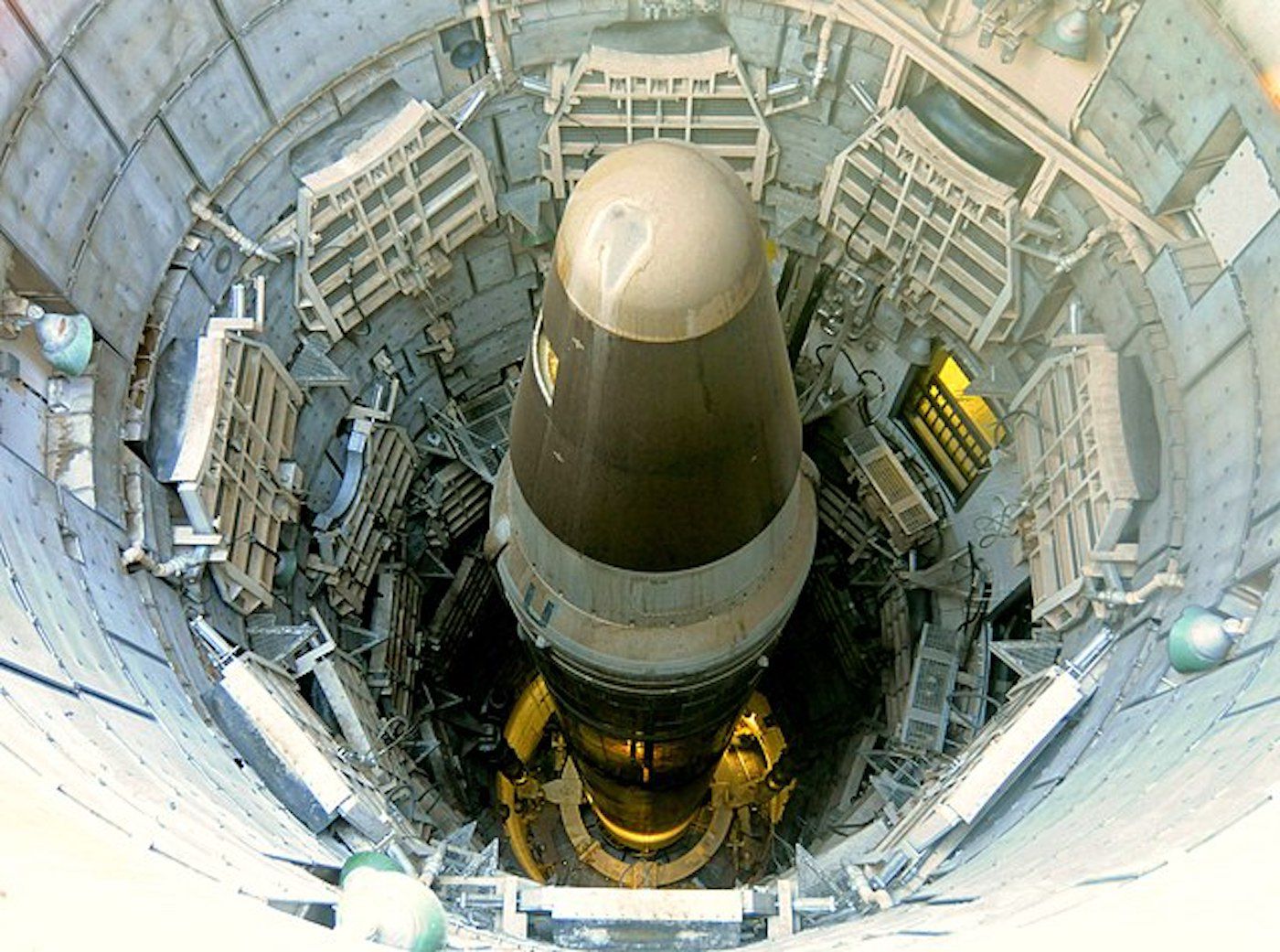
One thing that’s difficult for young people today to understand is how omnipresent the threat of nuclear confrontation was during the Cold War. This was particularly true during the 1980s, when the United States and the Soviet Union were vying to be the most armed nation on earth.
If you can’t explain this to young people well enough, just take them to the Titan Missile Museum near Tucson, Arizona. Its primary attraction, naturally, is an actual Titan II missile that was ready to be launched at a moment’s notice from 1963 to 1987. It’s a fascinating trip back into a not-too-distant past, and the sight of an actual missile puts the history into perspective better than any words could.
Mike McBey / Wikimedia Commons
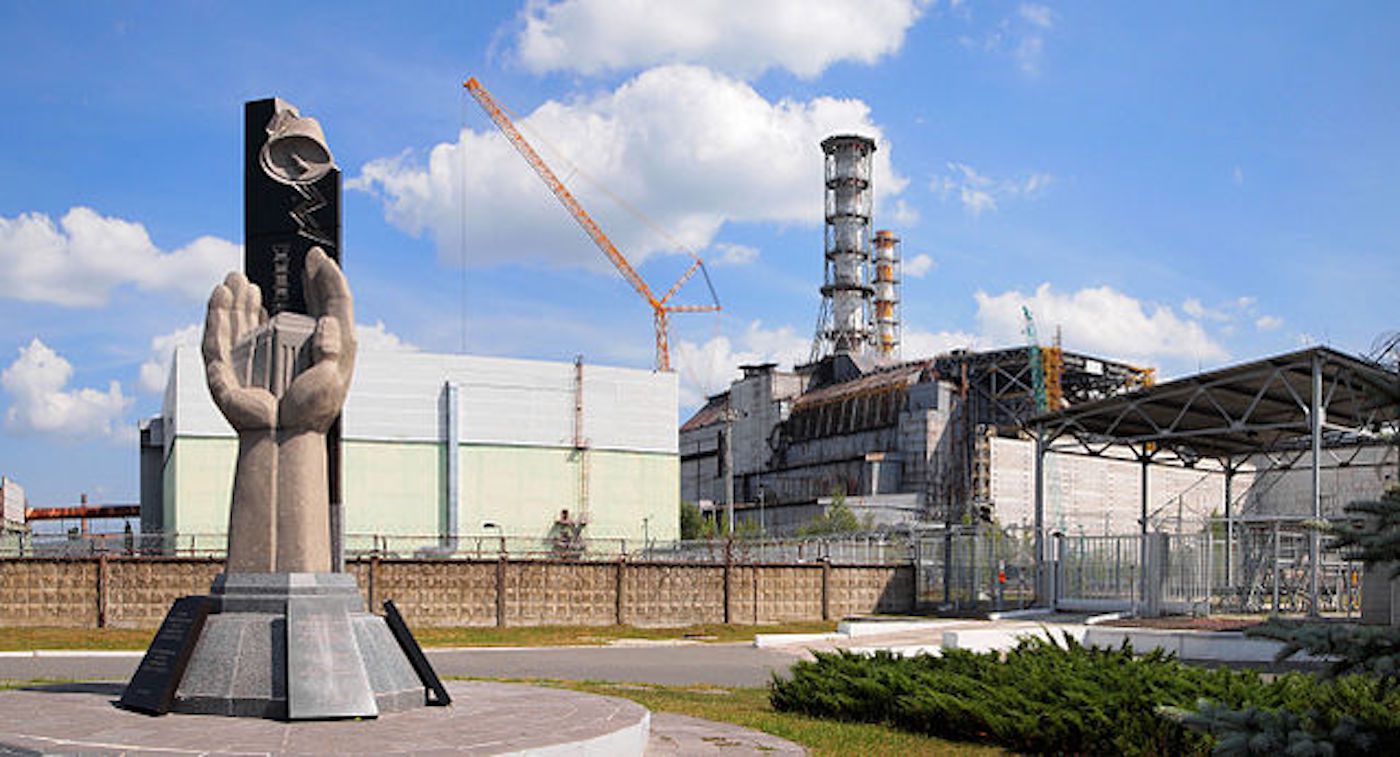
The concept of dark tourism isn’t new, but it became a familiar term to a lot of people in the wake of the 2019 HBO miniseries Chernobyl, which told the story of the 1986 nuclear accident at the Chernobyl power plant near the Ukrainian city of Pripyat. It was the worst nuclear accident in history, causing untold thousands of deaths, and it was rivaled only by the 2011 incident at the Fukushima Daiichi nuclear power plant in Japan.
Despite the seriousness of the accident, the miniseries kicked off a wave of tourism that saw some visitors taking inappropriate selfies at the site of the accident. Most of these were mercifully taken down when Craig Mazin, the HBO miniseries’ screenwriter, implored them on social media to remember what had happened there. “If you visit, please remember that a terrible tragedy occurred there,” he said. “Comport yourselves with respect for all who suffered and sacrificed.”
Editor’s note: Since the Russian invasion of Ukraine in February 2020, tours of Chernobyl have been on hold.
Creative Commons / Wikimedia Commons

The Darvaza gas crater is located near Darvaza in Turkmenistan. It was identified by Soviet engineers as the possible location of an oil field, but when they drilled into it in 1971, it collapsed and began spewing gas, which the Soviets lit on fire in an attempt to burn it off. 50 years later, it hasn’t stopped burning.
The crater has since become a tourist attraction, and these tourists have been a much-needed source of income for the area, so while it might seem a little weird to take two weeks off from work to visit a location with the none-too-inviting nickname “The Gate to Hell,” you wouldn’t be the first person to do so.
David Stanley from Nanaimo, Canada / Wikimedia Commons

As anyone who went to the movies in 1997 knows, the Titanic was a ship that set sail in 1912 and was thought to be unsinkable. It sank anyway, but that hasn’t stopped people from being interested in the incident more than 100 years since it happened, and the OceanGate Titanic Survey Expedition took advantage of the continued interest by offering tourists the opportunity to descend to the site of the wreck.
However, after the implosion of OceanGate’s Titanic submersible in June 2023, which instantly killed all aboard, this form of dark tourism is probably done for good.
Public domain / Wikimedia Commons

Hiroshima is a city in Japan that was the first ever to be the target of a nuclear weapon. The United States dropped an atomic bomb on the city on August 6, 1945, and within seconds most of the city was destroyed and over 100,000 people were killed.
Today, the city has been rebuilt and it would be hard for many people to tell that it had been almost completely destroyed, and it’s currently one of the top tourist destinations in all of Japan. Visitors to the Hiroshima Peace Memorial Museum have numbered in the hundreds of thousands per year.
Netherzone / Wikimedia Commons

Three days after the bombing of Hiroshima by the United States, Japan was the target of a second atomic bomb, this one dropped on the city of Nagasaki. As was the case with Hiroshima, Nagasaki suffered enormous damage and thousands of people were killed.
Nagasaki was also rebuilt after the war, and like Hiroshima, it has a healthy tourism industry that emphasizes the city’s port location and many scenic views. However, there’s no escaping its history, so tourists who are interested in learning more about what happened that August morning can visit the Nagasaki Peace Park, which has a memorial museum and a black monolith on the park grounds that marks the epicenter of the explosion.
663highland / Wikimedia Commons

Robben Island is north of Cape Town in South Africa, and from the late 1600s until 1996, it was a prison. Many of its inhabitants were political prisoners, including Nelson Mandela, who was incarcerated there for 18 years. After the fall of Apartheid, Mandela became President of South Africa, as did two other former inmates at Robben Island, Kgalema Motlanth and Jacob Zuma.
Despite its dark past – or maybe because of it – Robben Island has become a tourist destination. The tour includes such must-see attractions as the graveyard for people who died from leprosy, and wraps up with a viewing of Nelson Mandela’s prison cell.
Makbula Nassar / Wikimedia Commons
The Aral Sea is not a sea but a lake, situated between Kazakhstan and Uzbekistan. Or rather, it used to be a lake, until it began to shrink in the 1960s, and then became completely dried up in the last decade. The Soviet government decided to redirect the two rivers that fed into the Aral Sea in an attempt to irrigate the desert and make it arable land for such crops as cotton and rice. Long story short, the body of water that was once as big as Lake Michigan is now mostly a wasteland, and may never recover.
The Aral Sea is now a tourist attraction, which is pretty incredible considering that it’s an ecological disaster that was caused entirely by human beings. However, that’s kind of the point – tourists are coming to see it while it’s still there to be seen, which is a situation that seems to have an unknown but inevitable expiration date.
Arian Zwegers / Wikimedia Commons

For people who are seeking dark tourism that’s as dark as possible, it’s hard to beat the Murambi Genocide Memorial Center. It’s one of six centers near Rwanda that commemorate the Rwandan genocide, and it contains the remains of approximately 50,000 victims.
According to the Center, there are “848 preserved corpses laying on display on wooden tables… The open hall on the ground floor of the main building now has an exhibition describing the context of the genocide. An additional two rooms contain burial chambers, where preserved human remains can be viewed through smoked glass.”
Public domain / Wikimedia Commons

The National September 11 Memorial & Museum is located in New York City and commemorates the terrorist attacks of September 11, 2001. It’s located at the site of the former World Trade Center, and the memorial features photos of the almost 3,000 people who were lost on that day.
“Located at the World Trade Center in New York City, the 9/11 Memorial Museum tells the story of 9/11 through media, narratives, and a collection of monumental and authentic artifacts, presenting visitors with personal stories of loss, recovery, and hope,” the Center’s official website says.
9/11 Memorial and Museum / Wikimedia Commons

Located in Phnom Penh, the Tuol Sleng Genocide Museum chronicles the Cambodian genocide. Located on the site of a prison run by the Khmer Rouge regime, an estimated 20,000 people were imprisoned there during the 1970s. It was also one of almost 200 torture and execution centers run by the regime. According to the museum’s official website, the administration hopes that visitors will come away determined to put more good into the world.
“Tuol Sleng Genocide Museum is a place to remember the interrogation and detention at S-21 in the Khmer era,” it says. “The museum has preserved and presented evidence of tragic events in Cambodian history for the public to study in order to inspire and encourage them to become peace missionaries.”
This article was produced and syndicated by MediaFeed.
Christian Haugen / travelblog at www.175days.no / Wikimedia Commons

States with the deadliest roads in America
- Science says this ‘70s rock hit is the catchiest song of our time
- 20 incredible movies so disturbing we never want to see them again
Like MediaFeed’s content? Be sure to follow us.
DepositPhotos.com
Featured Image Credit: Goodman Kazoora / iStock.