
While many small businesses had to get creative to survive amid the coronavirus pandemic, others were being started in record numbers.
In fact, there were more business applications filed in 2020 than any year on record, according to U.S. Census Bureau data. New small businesses will have to lean on that creativity, too, as 20% of small businesses fail within the first year — and roughly 50% by the end of the fifth year.
Still, entrepreneurs across the U.S. saw something appealing about starting a business in 2020, despite the economic conditions. We’ll break that down at the national, industry and statewide levels.
Image Credit: Rawpixel / iStock.
Entrepreneurs have persisted

When the last recession hit at the end of 2007, the number of business applications took a hit for the first time on record (the data became available starting in July 2004).
In 2008, over 76,000 fewer business applications were filed than in the previous year. It wasn’t until 2014 that the total number — nearly 2.7 million — surpassed the 2007 total.
Since 2012, the number of business applications has risen yearly. After late 2016, when unemployment rates dropped — and stayed — below 5%, the number of business applications continued to rise:
- 2016: More than 2.9 million
- 2017: Nearly 3.2 million
- 2018: Nearly 3.5 million
Given that there seemed to be a connection between economic conditions and business applications, one might have expected an unemployment rate of 14.8% in April 2020 would have hampered business applications for a while.
But the opposite happened. In fact, just three months after the highest unemployment rate the country has seen since the Great Depression, entrepreneurs filed the most business applications on record. In July 2020, entrepreneurs filed more than 582,000 business applications.
Image Credit: Deposit Photos.
Government support helped

This increase came amid unprecedented support from the government in the face of challenging economic conditions. With enhanced unemployment benefits and economic impact payments supporting Americans, the personal savings rate shot up. You’d have to go back to 1981 to find a time when Americans had a higher savings rate than they did in March 2020.
All the time spent inside — perhaps with more money saved — could have encouraged people with dreams of becoming an entrepreneur to go for it.
Note: While our research covered the period through December 2020, January 2021 (more than 497,500 business applications) would have been the second biggest month behind July 2020.
Image Credit: iStock/jacoblund.
Retail rules
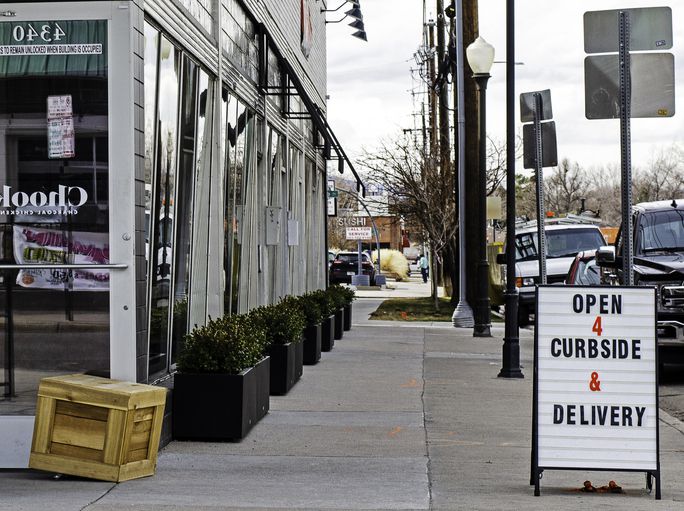
With businesses — especially retail businesses — being asked to respond to constantly changing rules around health and safety, it might be a little surprising that retail was the fastest-growing sector. But most of the industry growth came with nonstore retail, which includes retail businesses that people start from home.
Other industries that did well between 2019 and 2020 included:
- Transporting and warehousing: 35% year-over-year growth, perhaps on the backs of people being home more and potentially getting more items delivered
- Administrative and support businesses: 27% year-over-year growth
On the other hand, some industries have struggled for business growth. The number of applications for businesses in the mining sector was down 17% year over year, while the real estate sector was down 6%.
Image Credit: Joseph Rouse / iStock.
Southern states dominated new business applications

While the early summer saw the biggest boom, the business application rush continued through the end of the year. Overall, 2020 saw 24% more business applications than 2019. But when looking at just November and December in both those years, the increase was 36%.
We also took a look at the states that saw the biggest year-over-year increases — or decreases — between 2020 and 2019.
Here are the states that saw an increase in business applications of at least 25% year-over-year from 2019 to 2020:
Image Credit: Depositphotos.
16. Arkansas
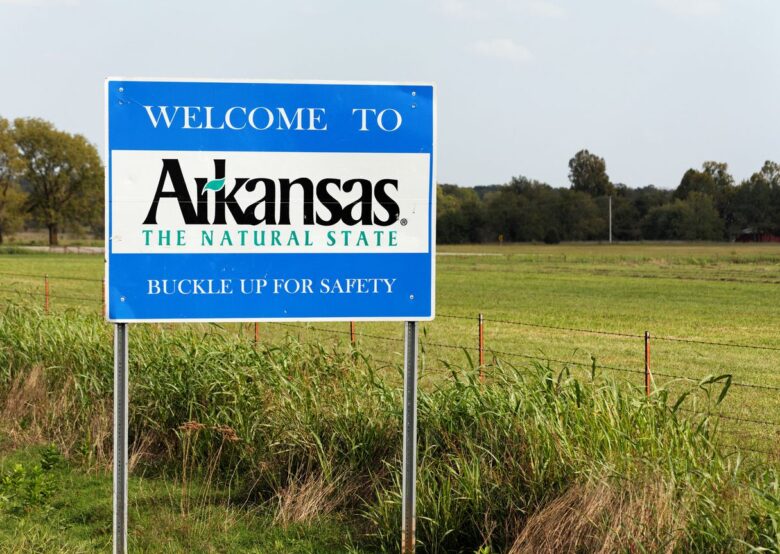
2019 applications: 25,600
2020 applications: 32,280
Year-over-year change: 26.1%
Image Credit: wellesenterprises / iStock.
15. Texas
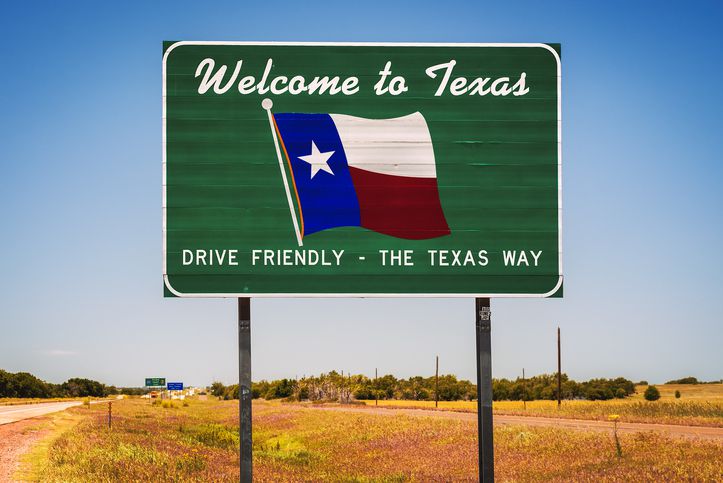
2019 applications: 304,460
2020 applications: 384,350
Year-over-year change: 26.2%
Image Credit: miroslav_1 / iStock.
14. Florida
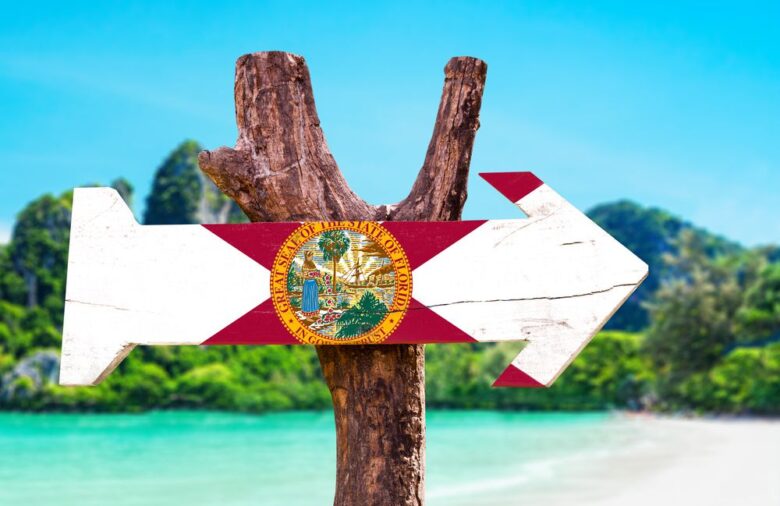
2019 applications: 390,960
2020 applications: 495,480
Year-over-year change: 26.7%
Image Credit: DepositPhotos.com.
13. Tennessee
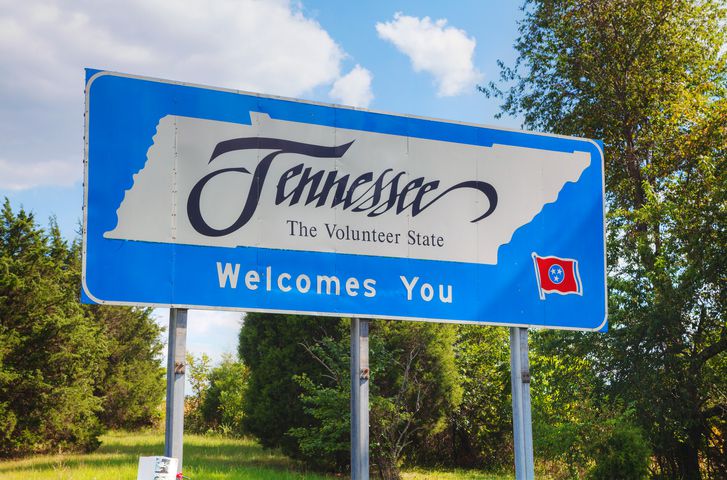
2019 applications: 58,770
2020 applications: 75,100
Year-over-year change: 27.8%
Image Credit: AndreyKrav / iStock.
12. Indiana
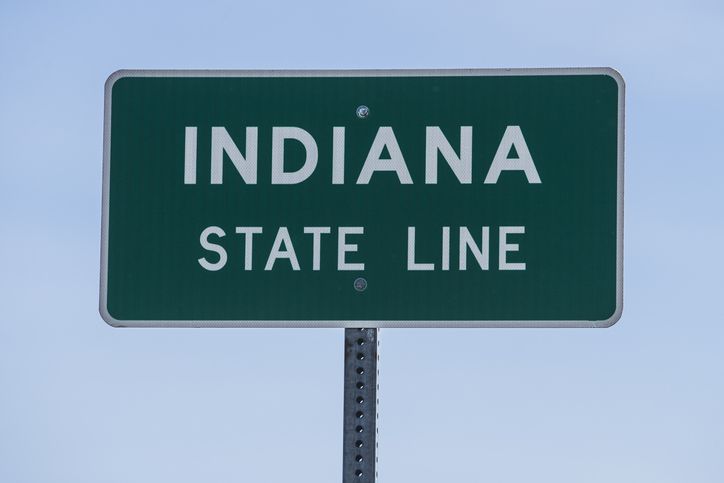
2019 applications: 53,900
2020 applications: 68,950
Year-over-year change: 27.9%
Image Credit: fotoguy22 / iStock.
11. Maryland

2019 applications: 75,580
2020 applications: 97,260
Year-over-year change: 28.7%
Image Credit: Feverpitched / iStock.
10. North Carolina
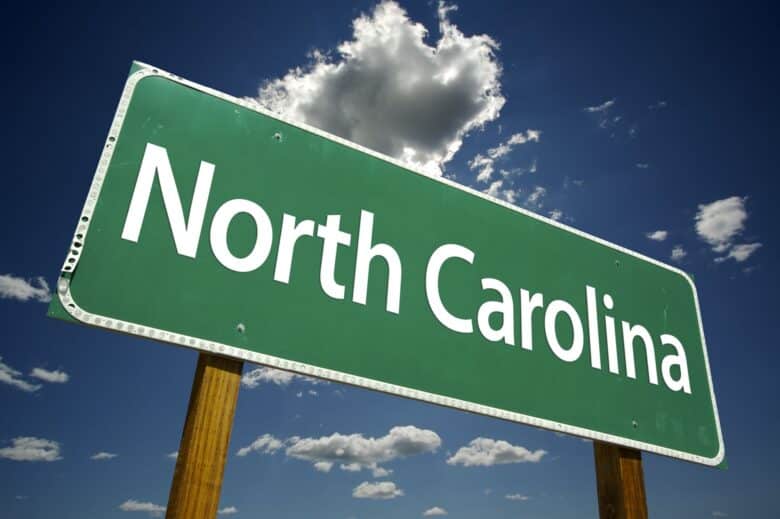
2019 applications: 103,460
2020 applications: 133,390
Year-over-year change: 28.9%
Image Credit: DepositPhotos.com.
9. Wyoming
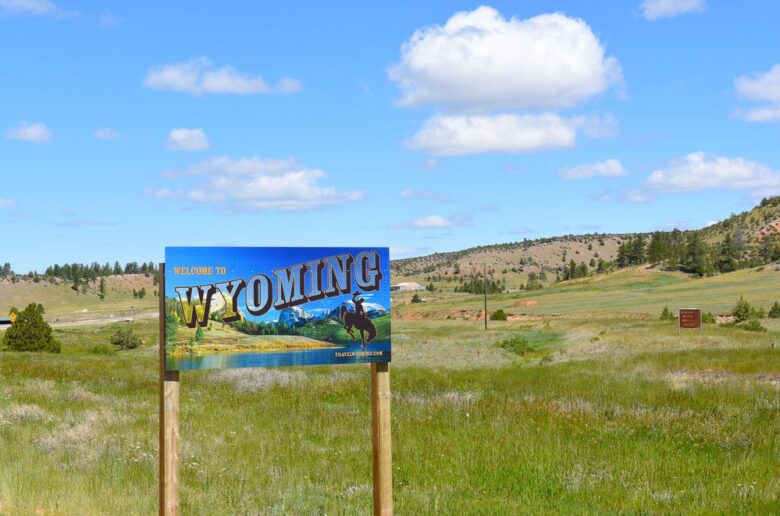
2019 applications: 18,900
2020 applications: 24,580
Year-over-year change: 30.1%
Image Credit: DepositPhotos.com.
8. Ohio
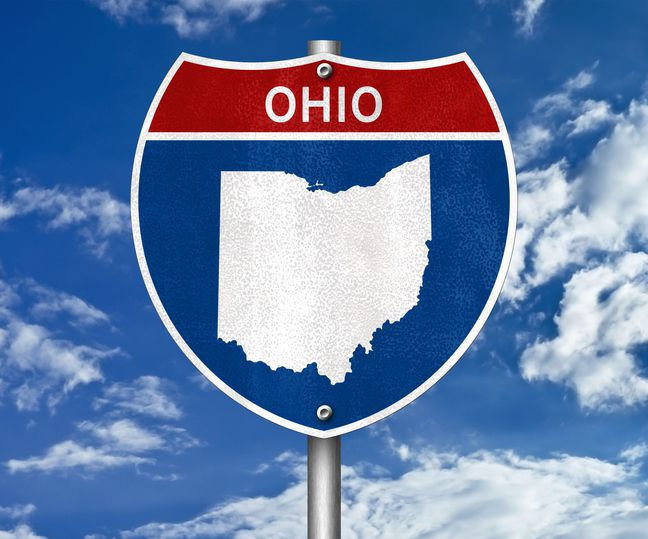
2019 applications: 94,8001
2020 applications: 26,750
Year-over-year change: 33.7%
Image Credit: gguy44 / iStock.
7. South Carolina
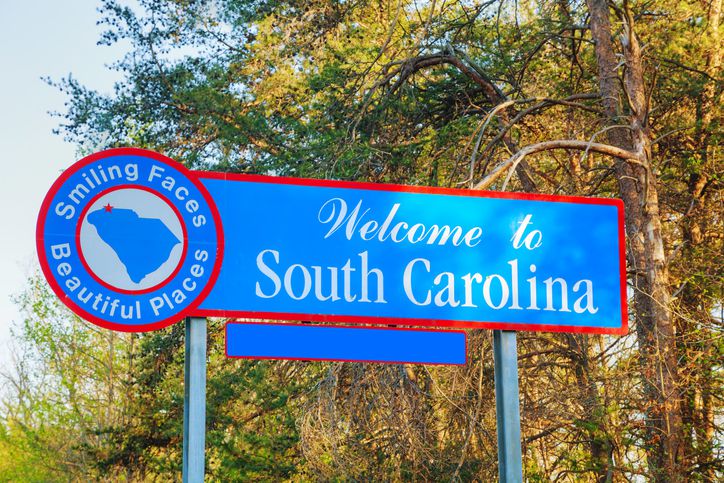
2019 applications: 51,600
2020 applications: 70,890
Year-over-year change: 37.4%
Image Credit: AndreyKrav / iStock.
6. Michigan

2019 applications: 94,420
2020 applications: 129,860
Year-over-year change: 37.5%
Image Credit: DepositPhotos.com.
5. Alabama
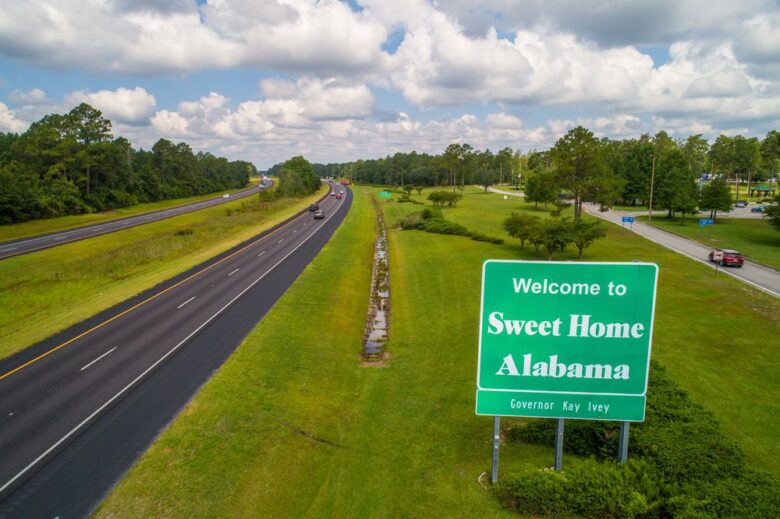
2019 applications: 41,630
2020 applications: 58,500
Year-over-year change: 40.5%
Image Credit: DepositPhotos.com.
4. Illinois

2019 applications: 117,340
2020 applications: 170,090
Year-over-year change: 45.0%
Image Credit: benkrut / iStock.
3. Louisiana
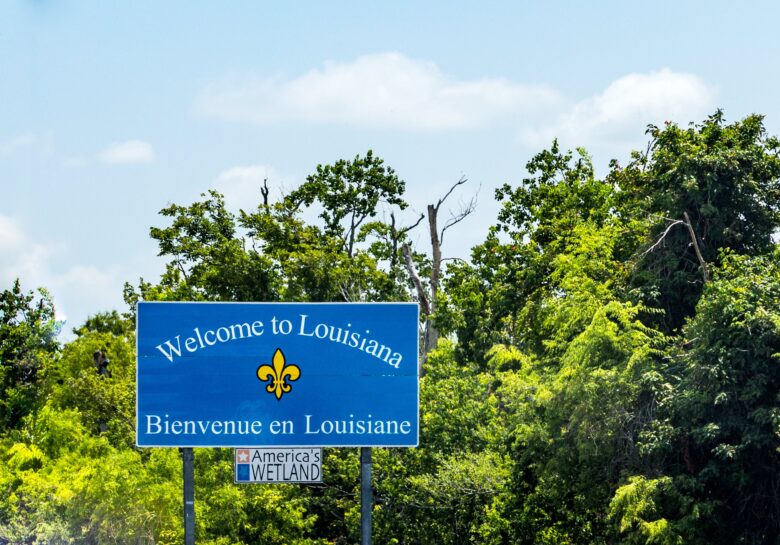
2019 applications: 54,140
2020 applications: 83,860
Year-over-year change: 54.9%
Image Credit: Getty.
2. Georgia
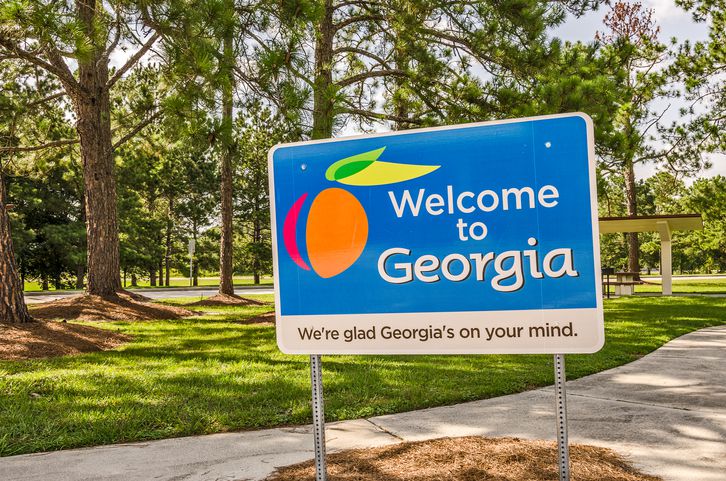
2019 applications: 171,700
2020 applications: 269,100
Year-over-year change: 56.7%
Image Credit: suesmith2 / iStock.
1. Mississippi
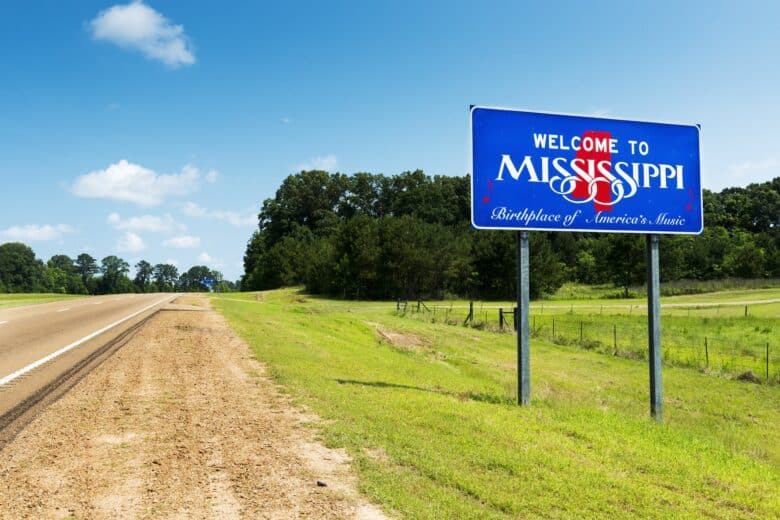
2019 applications: 31,530
2020 applications: 50,670
Year-over-year change: 60.7%
This article originally appeared on LendingTree.com and was syndicated by MediaFeed.org.
Image Credit: Getty.