We are currently in the midst of a very hot seller’s market. Historically low interest rates paired with low housing inventory have created the perfect storm, and owners are reaping the benefits.
That being said, it can be incredibly difficult for a buyer to land their dream home within their budget in these conditions, as many homes are selling for more than their estimated value. There are methods that buyers can use to make it happen, though. These include using a discount realtor, going to auctions, searching public records, not lowballing the seller and more.
If you’re interested in learning about all the different ways to find a good deal in a seller’s market, then continue reading.
Related: Top real estate agents by state
1. Use a realtor
Using a real estate agent is always a good idea when looking for a house, especially in a seller’s market. Not only will they be able to find you the type of property you want in the location you want within your price range, but they will also be incredibly useful during the negotiations process. A good realtor will let you know which items to compromise on and leverage tactics to close the deal.
While the average real estate agent commission rate is 5.5%, split between the buyer’s and seller’s agent, it is typically up to the seller to pay these fees at closing. These fees cover the agent’s time and expertise.
2. Ask your agent for a home buyer rebate
A home buyer rebate is when an agent gives their buyer client back a portion of their commission after closing the deal. Rebates and cash back rewards are becoming a more common industry practice to help buyers save money. Home buyer rebates, however, are currently practiced in 42 states, so make sure it’s allowed in your state before asking your agent.
3. Hit the road
Not all homes for sale are listed online or the MLS. Sometimes, owners simply put a “for sale” sign in their yard. Moreover, if there is a particular neighborhood you want to live in but might be out of your price range, drive around and look for distressed or vacant homes with overgrown yards, boarded up windows, etc. Even if they are not listed, if a house looks like the owner has not taken care of it, then they might be willing to sell (and at a lower price).
4. Check out FSBO websites
Some sellers choose to forgo using a real estate agent and list their homes on a for sale by owner (FSBO) website, such as FSBO.com. Buyers can search these websites for good deals, especially when considering that the average FSBO home sold for $77,100 less than agent-assisted sales in 2020.
5. Go to auctions
Researching auction websites and going to traditional courthouse auctions is a great way to find unlisted properties at prices below market value. Buyers can view bank-owned properties through auctions as well.
One of the biggest differences between buying a home through an auction and the traditional purchasing methods is that you don’t usually get to see the home before you buy it. You will also have to put down cash, as lenders and mortgages are not allowed.
6. Search public records
Searching public records in local newspapers and government websites can help buyers find short-sale and foreclosed properties. These homes are cheaper because the lender is trying to make up whatever losses they can.
Public records like social media can also help reveal why someone wants to move. For instance, if a seller is trying to quickly get out of town because of a new job or a divorce, knowing their motives can help during the negotiation process.
7. Word of mouth
Asking people in your network if they know anyone who is thinking about selling their house is a good way to get to an owner first. In this seller’s market, being able to make an offer before the property is listed will reduce the competition and high counteroffers. Check in with neighbors, attorneys, contractors, wholesalers and insurance agents. Homes up for pre-foreclosure also get around by word of mouth.
8. Put down a large earnest money deposit
An earnest money deposit shows the seller that a buyer is serious about their purchase. The larger the deposit, the more serious your offer will seem. In a seller’s market, anything you can do to make your offer stand out and demonstrate that you have the funding to make sure the deal goes through will be beneficial.
9. Offer a flexible move-out date
The more flexible you can be during a seller’s market, the better. If a seller needs to move out a few weeks longer than expected, allowing them to do so could make the difference between them accepting your offer or another buyer’s.
10. Get your financing in place
Before even beginning your home search, make sure you are pre-approved for a mortgage. Getting pre-approved will let you know how much money you can realistically spend. Thus, you will save time by not even looking at homes outside of that price range.
Furthermore, if you put in an offer on a home without having your financing in place, you could lose the deal if the financing does not come through.
11. Act fast
Don’t dilly around during a seller’s market. If you see a home that you love within your price range, make a strong offer as quickly as possible. Competition is fierce right now, and homes are not staying on the market for long. Moreover, if someone else puts in an offer before you, you will likely have to make a higher competing offer to get the home.
12. Make your offer simple
During a buyer’s market, buyers can list out their demands and hold the right to refuse a deal unless the seller meets them. In a seller’s market, however, competition is high, and the seller has the luxury of choosing the simplest, best offer for them.
If you include a laundry list of contingencies in your offer, it could turn off the seller and push them to look at other offers.
13. Pay in cash
If you have the means to pay in cash, then do it. Paying in cash is much faster than waiting to get approved for a mortgage and the funds to come through. It also makes sellers feel secure knowing that they will not have to wait for the sale to finalize.
14. Don’t lowball
Do not put in a lowball offer during a seller’s market. Make sure your offer is at least at the listing price, especially for a property in a popular area. Other buyers will probably put in offers that are thousands of dollars above listing price, and you will be competing with them.
15. Modify your expectations
If your main goal as a buyer is to get a good deal, then you will likely need to sacrifice certain features. For example, you may be able to get a home with all of your desired features and square footage, but it may not be in the area you want. Or you may find a home in your dream neighborhood, but the interiors and appliances are outdated. Make sure you understand what is most important to you before you begin your search so you can prioritize.
Related: The cost to build a house in Texas (2021 update)
16. Expand your search
Consider expanding your search to different neighborhoods, cities or even states. Although the cash and funding you have on hand may not get you much in your current city, it could be a significant amount in a different part of town.
17. Consider waiting
The seller’s market is expected to last for at least another few years, even if it calms down a bit. If you do not need to move immediately, consider waiting until the hype dies down. Currently, home prices are skyrocketing, but it will not stay that way forever.
18. Negotiate your realtor’s commission
Buyers are not limited to just negotiating with the seller. Another way to save money on a home purchase is by negotiating with your realtor on their commission rates. Lower commission rates translate to lower closing costs for sellers and thousands of dollars in savings.
19. Research, research, research!
Make sure you are dedicating the proper amount of time and energy into your home search. Finding a good deal in a seller’s market will likely mean scouring the internet for homes for sale day in and day out.
Related: The 20 best home buying websites in 2021
20. Offer to help with closing costs
Sellers have a variety of fees they must pay at closing, known as closing costs. These include realtor commission, title insurance, home inspection, home appraisal, property taxes, mortgage fees, transfer taxes and more. They also cover a portion of the buyer’s closing costs. Once all is said and done, these fees add up to 8-10% of the final sale price. To make an offer more appealing, buyers can offer to help take on some of the costs that are typically left up to the seller.
This article
originally appeared on ListWithClever.com and was
syndicated by MediaFeed.org.
More from MediaFeed:
21 critical things to consider before you buy that new house

Your first (or even fifth) house purchase is a huge decision. It seems like there are a million things you need to know before buying a house.
From figuring out how much you can afford to hiring the right home inspector, there is a lot to keep in mind.
In order to help you with your home-buying checklist, I interviewed 21 different experts on the top thing they wish they knew before buying their first house.
Their answers uncovered a few surprising things even I hadn’t considered!
Read on for the top 21 tips for new home buyers.
Deposit Photos

Ryan Luke from Arrest Your Debt says:
A good home inspection will cost you several hundred dollars. When you are already spending so much money, it may be difficult to write another check for a professional to inspect your home.
However, not inspecting the home professionally can have costly consequences. Home inspectors come into the property and take a deep look at everything — the landscaping, wiring, appliances — plumbing, and the roof — before you sign the contract.
Home inspectors can find these problems, and you can either have the seller fix the problems or pull out before you’re stuck with a problem property.
AndreyPopov/istockphoto

Melanie Allen from Partners in Fire says to think about the hidden costs:
The cost of a home is far more than the purchase price. I wish I would have taken into account how expensive everything else is when budgeting for my first home.
I didn’t think about how much home owners insurance would add to my monthly bills, or that I would have to furnish my first home from scratch. Remember to consider things like moving expenses, furnishings, closing costs, insurance, taxes, HOAs and any other hidden expenses of buying a home when first creating your budget.
This will prevent you from getting a nasty surprise that you can’t afford when you should be excited about your new home.
AndreyPopov / istockphoto

Monica Fish from Planner At Heart warns about lease-back agreements:
In a competitive real estate market, buyers are doing all they can to become “The Chosen One,” including allowing the sellers to stay in the property and rent it back from the buyer for a set amount of time after closing.
While you want to make your offer as competitive as possible, keep in mind it’s customary to charge a daily pro-rated portion of your PITI payment (Principal, Interest, Taxes, and Insurance), not the market rate.
So if your PITI is unusually low due to a large down payment or they’ll be renting from you for months, you might want to consider a separate rental agreement based on current rental rates in your neighborhood. We certainly wish we did.
warrengoldswain / istockphoto

Brian Thorp from WealthTender wished he had thought about his purchase as an additional income stream:
Mortgage payments can feel intimidating, but especially if you’re buying a house while living alone, it’s easy to offset your mortgage (or even make money each month) by renting a room or your entire house on Airbnb during major events.
I wish I had subscribed to a few real estate blogs before buying my first house as I would have discovered ideas like this one sooner to save money or even pay off my mortgage early.
fizkes / istockphoto

Jeff Cooper from Have Your Dollars Make Sense learned some lessons about home improvement costs:
Many people will buy a fixer-upper when buying a home to save on the initial cost thinking the can simply put money into the home when they can. It is a solid strategy, but many fail to realize how much home improvement can be. Most of us want to fix everything quickly, but fail to realize how much even the smallest of updates can be.
When buying a fixer-upper make sure there isn’t too much to fix!
DepositPhotos.com

Derek Carlson from The Money Family suggests thinking about your future plans before buying a home:
Consider your future plans and if this home fits in with them, or if you’re willing to move in 5 – 10 years. If you’re planning on starting a family or changing jobs, will this home fit into those plans? Or will it require you to relocate to another part of town with a different commute, different school district, etc.?
Selling a house and buying a new one is expensive. By planning now for a house you can grow into you can save a significant amount of money down the road.
Feverpitched/ istockphoto

Sanjana Vig from The Female Professional says:
There are many things to consider when buying a house. While I did all my calculations before taking the leap, I underestimated the amount of paperwork that would be required for the bank.
For example, I had, over time, transferred my down payment into my main checking account. For each transaction I had to explain where the money came from. In retrospect, I wish I had done the transfers earlier, or in one lump sum so that I could have avoided the headache of phone calls, paperwork and explanations.
Do yourself a favor and tee up all of your accounts so that you can skip the questions. You’ll save yourself a lot of time and stress!
DepositPhotos.com

Jessica Bishop from The Budget Savvy Bride wishes she had collected more information on appliance warranties:
Before you buy a home, you’ll want to learn about the history of all the major appliances and if there are any existing warranties. From kitchen items like your refrigerator, oven, and dishwasher, to laundry machines, or even your HVAC unit or water heater, you’ll want to know what’s still within a warranty period and what’s not.
It’s also helpful to know the age of your water heater or air conditioning unit in particular, because these costly items generally have to be replaced at regular intervals. If you’re coming close to the 10 year mark on a water heater, you might just find yourself hit with a major emergency plumbing expense right after you move in, so it’s good to be aware of any potential risks ahead of time.
DepositPhotos.com

Riley Adams from The Young and the Invested offered this advice:
My wife and I recently purchased our first home together, and we fortunately decided to contact a lender out of an abundance of caution to understand what our budget would be.
Initially, we thought a larger home with a higher price tag was within reach, however, after learning about the rules for measuring your debt to income ratio, not all of our income would count in that equation.
Banks, who tended to be more conservative during the pandemic, only counted certain types of income, making variable income not receive credit in that metric. As a result, we had to lower the range we could afford on a home.
Thankfully, we still found our dream forever home and it didn’t hold us back too much. If anything, it added discipline to our ability to bid. If we had more firepower, we may have opted to use it.
We knew buying a house would be one of the best assets to invest in for our part of the country and wanted to find the right one for us to settle down and see appreciation over time.
Deposit Photos

Jesse Cramer from the blog The Best Interest wishes he had considered the impact of his home on his retirement plans:
I was excited to buy my first home because I saw it as a vehicle to build my wealth. And that’s largely true. Real estate is a significant stepping stone in building the average American’s net worth.
But wealth is not the equivalent to your retirement savings, and that’s where I messed up. You cannot both live in your house and sell it as part of your retirement nest egg. Duh! I know, I know, but it’s a mistake I made.
The truth is that you should only count real estate as part of your net worth if it’s not your primary home or if you plan on downsizing prior to retirement.
Otherwise, you’re selling yourself a false dream!
Flickr: American Advisors Group

Kevin from Just Start Investing gave the following advice:
Furnishing a home can cost a lot of money, and oftentimes that is an overlooked expense when buying a house. It’s important to consider your furniture budget when looking at your overall housing budget, keeping in mind what are needs vs wants.
Remember, you don’t have to fill your entire house right away. Be realistic with your budget and stay within your means.
DepositPhotos.com

Jonathan from Parent Portfolio added:
Some loan programs allow first-time home buyers to make a down payment as low as 3% to 5% of the purchase price. Instead of buying a single-family home, consider purchasing a duplex or another multi-unit.
Homeowners can house hack by living in one unit and rent out the other unit(s) to tenants. The rental income can cover the mortgage payment and allow a homeowner to live mortgage-free.
Usually, real estate investors have to pay a 20% to 25% down payment for non-owner-occupied properties. Therefore, a 3% to 5% down payment is a great deal with the benefits of living for free and making extra income.
designer491 / istockphoto
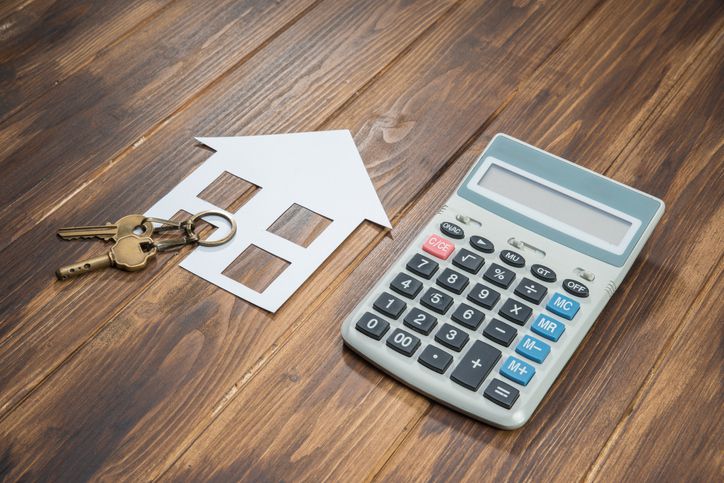
Tawnya from Money Saved is Money Earned advises that the monthly payment is more important the purchase price:
If you are financing your home, which most are, there are several factors that can drastically affect your monthly payment.
These factors include property taxes, mortgage insurance, homeowners associations fees, and the interest rate you’re able to secure. While your interest rate will likely be the same for each house you consider, the other factors can swing your monthly payment several hundred dollars one way or the other.
Instead of setting a budget at the purchase price of a home, you should instead set a monthly budget when determining the affordability of a house. If you’re pre-approved or working closely with a lender, have them give you a rough estimate of the monthly payment for each home you’re considering to ensure your monthly budget isn’t overstretched.
When I was looking for a home there were several that were within my overall purchase price range that ended up being outside my monthly affordability due to property taxes or one of the other factors discussed.
PRImageFactory / istockphoto

Adam from Wallet Squirrel says to pay attention to the hidden fees:
There are some hidden fees on top of the property taxes and insurance we didn’t know about when we bought our first home.
One example is the sewage and storm-water fee. This isn’t huge because it is only about $250 a year but it is another check to write. I wish I had known to check with the county and city for fees like that.
I would recommend talking to your real estate agent about any county or city fees that might sneak up on you. They should have the resources to help you research.
DepositPhotos.com

Tim Thomas offers some advice on understanding legal fees in the buying process:
Here in the UK, when it comes to legal advice concerning buying property, the quality of the service you receive and the fees they charge can vary significantly.
In hindsight, we were lucky in finding someone for our first purchase who we used for future purchases, but he wasn’t available on our last house buy. The costs for this last purchase escalated significantly from the initial quote, and it was for things that our preferred lawyer wouldn’t have charged us for.
So get a clear handle on the legal fees you’ll be charged and what is and isn’t included in that price.
Chainarong Prasertthai // istockphoto

Josh Hastings from Money Life Wax emphasizes the importance of budgeting for regular maintenance:
Truth be told, when I bought my first home I had no clue that within a few years my A/C unit, washing machine, stove and dishwasher would all need replacing.
I wish I had budgeted for all of these big ticket items.
After talking to my financial planner, his recommendation was to save 1% of my home value per year for home improvement and maintenance costs. For example, a $300,000 house means you want to set aside $3,000 a year to be safe.
This will help for even bigger projects such as siding, plumbing or windows.
istockphoto/dima_sidelnikov

Marjolein from Radical FIRE recommends doing a financial check-up before you start looking for a house:
Before you buy your home, you want to make sure that your finances are in order. You can do that by making sure that you’ve paid off your high-interest debts, and you want to have an emergency fund, to name a few examples. Getting your finances in order looks different for everyone, so think about what it means for you and start to take action.
I was in a situation where I wanted to buy a house, and I was in the process of talking to the bank. That’s when I found out that I couldn’t afford the home because of my debt. There are regulations in place in the Netherlands, where your debt influences the amount of mortgage you can get. It didn’t matter that I had a high average net worth in the Netherlands.
If I knew that before, I would’ve started by paying off my debt, and I wouldn’t have wasted my time. Get your finances in order and you’ll be able to buy a home with peace of mind.
Pexels.com
Tyler Weaver of Relentless Finances says you should consider ways to add value to get the most bang for your buck:
When buying my first house, I was looking for something of great quality that was ready to go.
As I learned more about real estate, and myself, I realized I prefer to buy a house that needs a little work. On my second house I took on a much more extensive renovations and was able to capture a lot more equity.
Building equity through renovations is a core principle to the BRRR method which I now do on rental properties.
Kira-Yan

Amanda Kay from My Life, I Guess reminds you not to compromise on your wish list just because of a hot market:
Although I am still a renter, I kind of hate where I live. Not being able to move somewhere better used to really bother me, but as my husband and I are getting closer to buying our first home, I see it as more of a blessing.
I know exactly what I would change about our current home, and my wish list is ready for when we start looking. More importantly, though, is the list of deal-breakers that I have been able to pinpoint and will avoid, so I don’t end up stuck owning a home that I don’t want to live in.
Depositphotos

Robyn from A Dime Saved says:
Insurance costs and needs vary wildly from state to state and area to area. Ask neighbors of the house you want to buy about approximate insurance costs and consult with an insurance agent to find out if you are in a listed flood or zone.
Even if you are not required by the bank holding the mortgage to purchase special supplemental insurance (fire, flood, hurricane, earthquake etc) you may want to look into purchasing them for your own peace of mind.
Make sure to have enough money in your emergency funds to cover your insurance deductible so you are covered in case of emergency.
relif/Getty

Linda from The Cents of Money says self-awareness is key in the buying process:
The most reasonable people may become irrational when buying their first home. Biases like the confirmation bias may cause you to be swayed by an eager real estate agent doing their job.
As they highlight the best features during the home search, you may overlook negative factors that are more crucial to you, like the tiny kitchen, cracked walls, or low ceilings.
Make sure to revisit the house at different times and honestly appraise what may later become significant problems.
didecs / iStock

There are a lot of things to know before buying a house. By being aware of these tips, I hope it helps you become more prepared for your own home purchase.
Educating yourself before jumping into a big purchase will help you make a better decision, and be more confident in the outcome.
Related:
- You could buy a home for under $100K in these 15 cities
- Could you afford to buy a home in these US cities?
This article
originally appeared on WealthyNickel.comand was
syndicated by MediaFeed.org.
DepositPhotos.com
Featured Image Credit: Deagreez/istockphoto.