Key Takeaways
- Eating more high-protein, low-calorie foods can help curb cravings, increase fullness, and support weight loss.
- Both animal-based and plant-based diets offer plenty of protein-rich options, including beans, nuts, seeds, and protein powders to help you hit your daily protein goals.
- Building meals and snacks around high-protein foods can help you feel satisfied, maintain muscle as you lose fat, and support long-term weight management.
Protein is a powerful macronutrient. It’s a building block for cells, and when it comes to weight loss, protein can help control appetite, make you feel fuller, curb cravings, and help you retain muscle as you lose fat.
Talk about getting bang for your buck!
Below are 17 high-protein foods for weight loss. They’re ordered from highest to lowest in protein content within their respective categories. We’ll also answer a few FAQs about protein and weight loss.
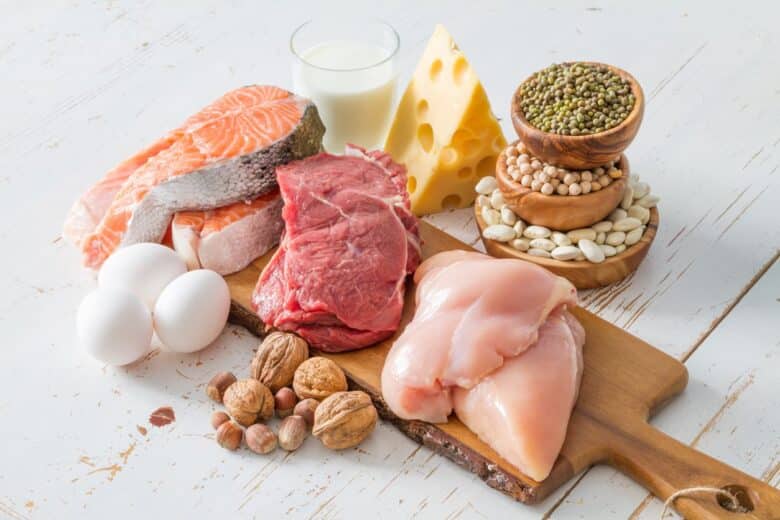
For those who eat meat and seafood, chicken, turkey, beef, pork, and fish are the best high-protein options. Here’s what to know.
This article was reviewed by Craig Primack, MD, FACP, FAAP, FOMA.
1. Chicken
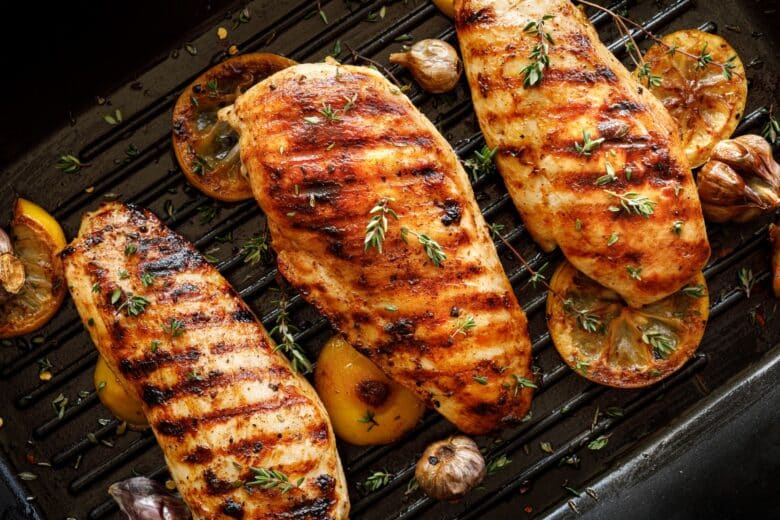
Chicken breast is a lean protein source containing 31 grams of protein per 100 grams. That means half a chicken breast can deliver roughly 27 grams of protein.
Go for skinless white meat portions (like breast) for more nutrition.
With this protein source, you can make healthy chicken salad lettuce wraps, crockpot BBQ chicken tacos, or easy sheet-pan chicken and veggies for a weeknight dinner.
2. Turkey
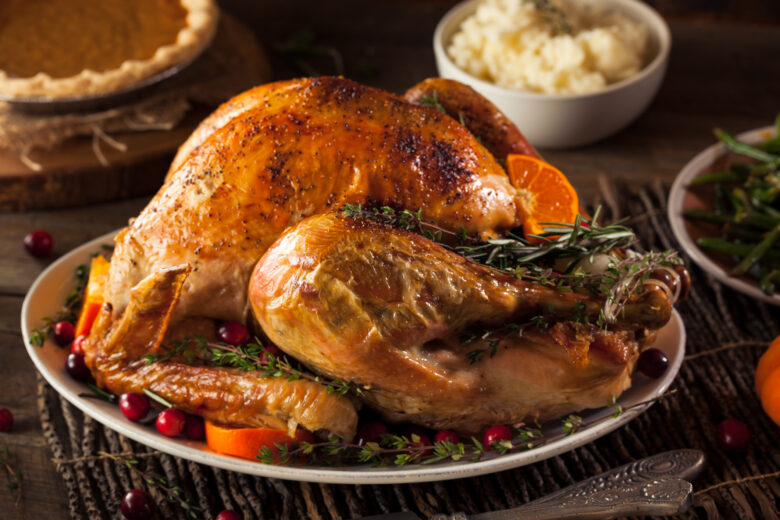
Roasted turkey contains 27.9 grams of protein per 100 grams. For a three-ounce serving, that’s 23.7 grams of protein.
Just like chicken, go for skinless white meat to maximize nutrition.
Try shredded turkey breast in whole-grain wraps, turkey meatballs, or ground turkey chili — bonus points for adding protein-rich beans in there.
3. Beef
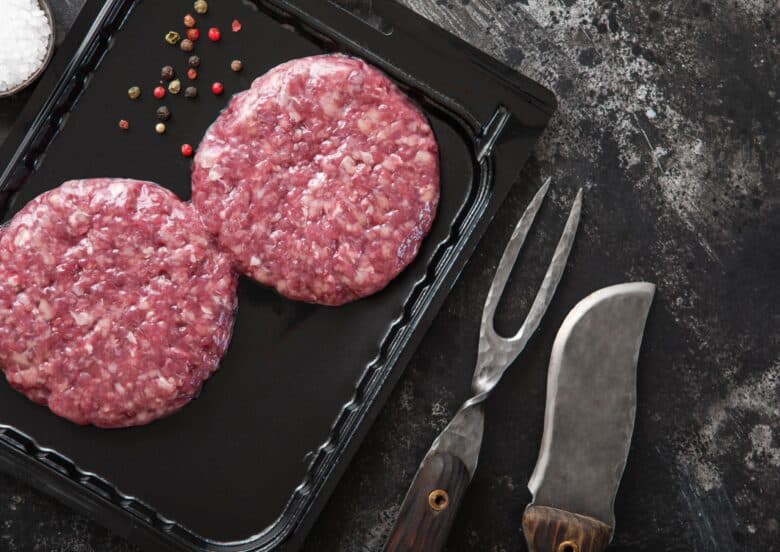
Ground 85-percent lean beef contains 27.7 grams of protein per 100 grams. So, a three-ounce serving would have 23.5 grams of protein.
You can try adding ground beef to a quinoa and veggie bowl, or make grilled beef for fajitas or noodle dishes. Low-sodium beef jerky without added sugar also makes for a great on-the-go, protein-rich snack.

4. Pork
Roasted lean pork loin contains 26.2 grams of protein per 100 grams. For a three-ounce serving, that’s 22.3 grams of protein.
Grilled pork and veggies make for an easy high-protein meal. You can also add ground pork to stir-fries or lettuce wraps.

5. Fish
There are plenty of fish in the sea. For a high-quality protein source, go for:
- Salmon
- Tuna
- Halibut
- Cod
- Herring
Salmon, for example, contains 22.3 grams of protein per 100 grams. So, with a three-ounce fillet, you’d get about 19 grams of protein. It’s also a good source of omega-3 fatty acids, which support heart health.
You can make crispy salmon bites, enjoy slices with scrambled eggs for breakfast, or pair grilled salmon with asparagus and brown rice for dinner.
If you’re avoiding meat but are A-OK with dairy, we recommend low-fat cheese and Greek yogurt. Eggs are also a solid option in the vegetarian category.
6. Cheese
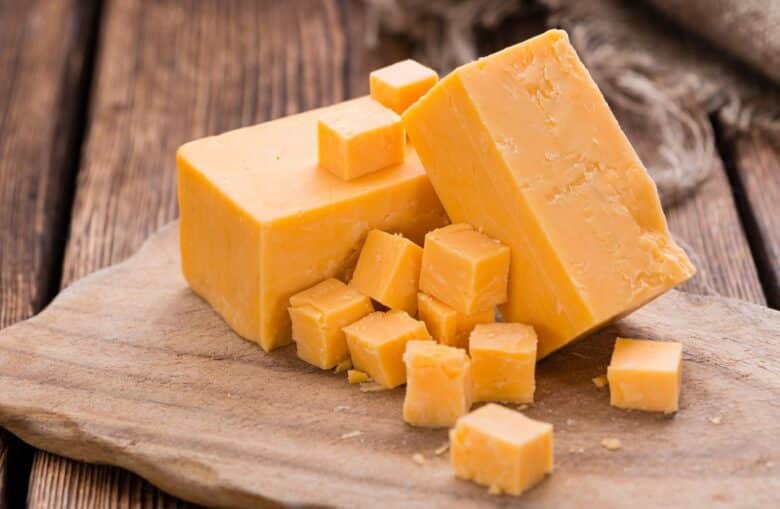
Cheese is a good source of protein (and calcium!) that comes in many forms to suit all tastes and recipes.
Feta, for example, contains 19.7 grams of protein per 100 grams — or around 5.5 grams of protein in a one-ounce serving (roughly a one-inch cube).
It’s perfect for crumbling over salads, pasta, and tacos for a protein-rich topping.
You can also:
- Add mozzarella to sandwiches
- Stir cottage cheese into omelets
- Grab a cube of cheddar as a snack
- Snack on string cheese

7. Eggs
There are 12.4 grams of protein per 100-gram serving of eggs — or more than six grams of protein in a large egg.
Enjoy eggs scrambled, poached, or hard-boiled. Try making egg white bites for a quick breakfast or deviled eggs for a nutritious dinner-party favorite.

8. Greek Yogurt
Nonfat Greek yogurt has 10.3 grams of protein per 100-gram serving — that’s more than regular yogurt, which clocks in at about 5.25 grams per 100-gram serving.
For the most nutritious options, go for low-fat or no-fat Greek yogurt, and watch out for added sugars.
Enjoy Greek yogurt on its own, topped with fruit and nuts for even more nutrition, or stirred into curries and chilis for added creaminess.
9. Lentils
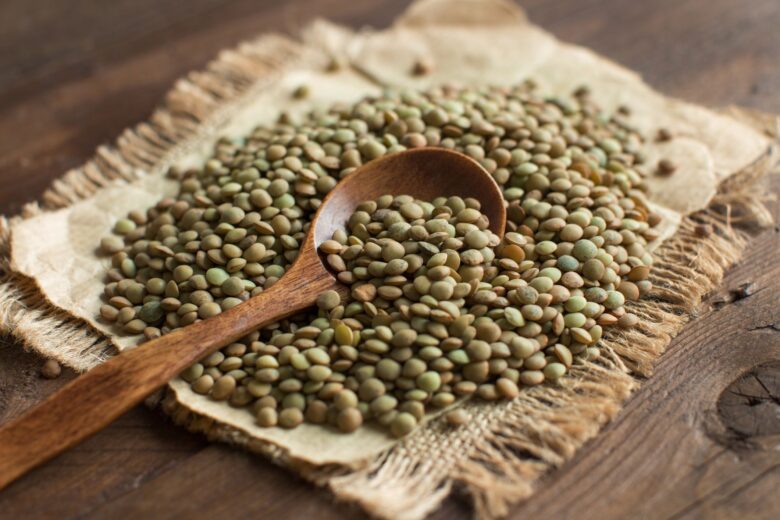
Lentils contain 24.6 grams of protein per 100-gram serving. A typical half-cup serving provides close to that, with 23.6 grams of protein.
You can make lentil curry, lentil soup, lentil stew — plenty of hot and hearty options. These kinds of dishes are ideal for meal prepping ahead of time and reheating for weekday lunches or quick dinners.

10. Nuts
If you’re looking for high-protein options, here are some nuts to think about adding to your grocery list:
- Almonds
- Pistachios
- Walnuts
- Cashews
- Pecans
For instance, almonds contain 21.4 grams of protein per 100-gram serving. A 30-gram serving is usually recommended, which is about a handful — so you’re getting nearly seven grams of protein from a handful of almonds.
Grab a handful of nuts for a snack or add them to granola, yogurt, oatmeal, or smoothies. Almond butter — or any nut butter — also makes a good toast topper.
Also, fun fact: Peanuts are legumes, not nuts. But peanut butter still makes for a prime high-protein snack.

11. Chickpeas
Chickpeas (aka garbanzo beans) contain 20.5 grams of protein per 100 grams. That’s the same as a half-cup serving.
You can roast chickpeas to make a crunchy, high-protein snack, blend them into falafel or hummus, or add them to salads and chilis.

12. Tempeh
Tempeh is made from fermented soybeans. It contains 20.3 grams of protein per 100-gram serving — about four to five slices, depending on how thick you cut it.
Soybeans are a complete protein, meaning they contain all nine essential amino acids the body needs but can’t make itself. You don’t see this often in plant-based proteins, so tempeh is an excellent option to include in your rotation if you’re avoiding meat and fish.
Try frying strips of tempeh to add to salads, stir-fries, and whole-grain wraps. Or crumble it into pasta sauces.
13. Seeds
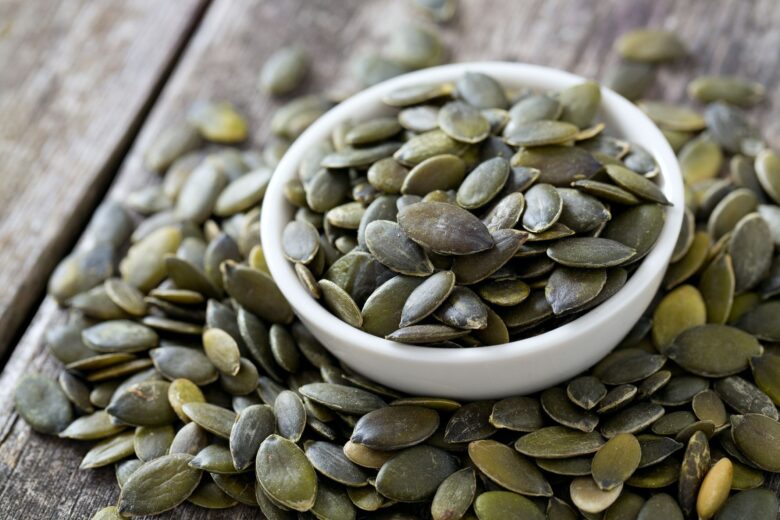
You’re not short of options when it comes to high-protein seeds. Try:
- Pumpkin seeds
- Sunflower seeds
- Chia seeds
- Flax seeds
- Hemp seeds
Chia seeds, for example, contain 17 grams of protein per 100-gram serving. A one-ounce serving — two tablespoons or so — gives you about five grams of protein, as well as omega-3 fatty acids.
Sprinkle seeds on oatmeal, yogurt, salads, and smoothies. You can also make overnight oats with chia seeds for a high-protein breakfast.
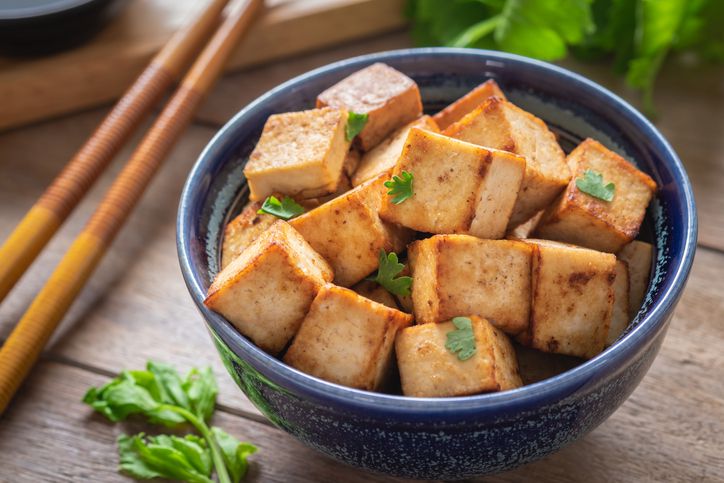
14. Tofu
Tofu is made from soy milk, which is derived from soybeans. It contains 12.7 grams of protein per 100-gram serving — about half a block, depending on the product you buy.
You can make fried crispy tofu to add to salads, stir-fries, and avocado toast. It’s also nice to crumble into soups or grill on skewers with veggies.
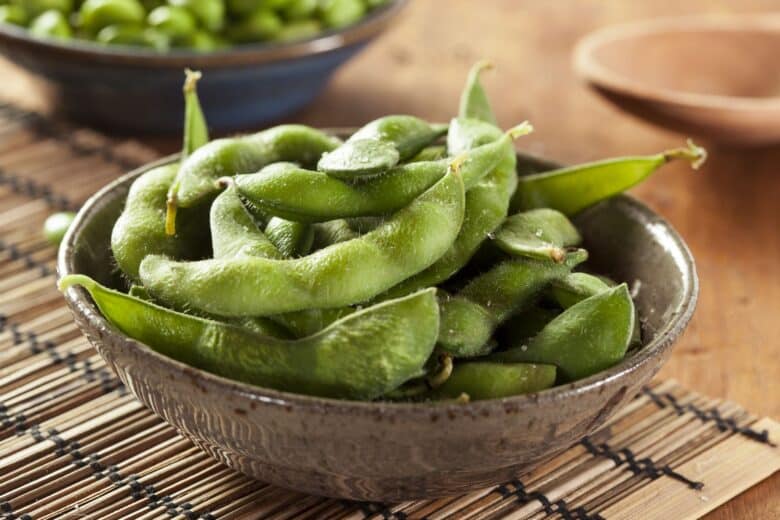
15. Edamamme
Edamame are immature soybeans, another protein-rich food. They contain 11.9 grams of protein per 100-gram serving. A typical serving of half a cup would have around nine grams of protein.
You can eat edamame on their own as a snack, add them to stir-fries and salads, or order them with sushi.

16. Beans
For beans, you can go for:
- Black beans
- Pinto beans
- Kidney beans
- Navy beans
Black beans, for instance, contain almost 9 grams of protein per 100 grams — or about seven grams in a half-cup serving.
Enjoy beans on a baked potato, pressed into burger patties, or in burritos and chillis.
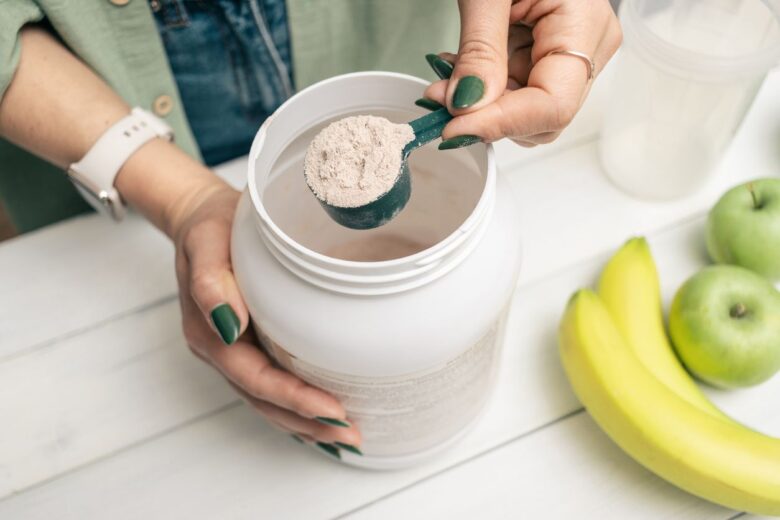
17. Protein Powders
Protein powders can make it easier to hit your protein goals for weight loss.
There are a few different types of protein powder, including:
- Whey
- Soy
- Casein
- Pea
- Hemp
Other types of protein supplements — like protein bars and shakes — are also an easy way to get in more protein, and they’re ideal when you’re on the go. Keep in mind that the amount of protein in these products varies greatly, so check your labels.
Enjoy shakes and bars as a meal replacement or mid-day snack, and add protein powder to pancakes, oatmeal, and smoothies.
How Much Protein Should You Eat a Day?
The amount of protein you should eat each day depends on personal factors; however, for weight loss, your protein needs will probably be a bit higher than average.
Our protein calculator takes into account your goals, height, and activity level to give you a recommended protein intake to aim for each day and each meal.
You can also connect with a registered dietitian, nutritionist, or healthcare provider to get a recommendation, especially if you have liver or kidney issues.

Which Protein Is Best for Losing Weight?
There isn’t one best protein for weight loss.
That said, lean meats are lower in saturated fat, and you might want to limit your red meat intake to lower your cancer risk. Low-fat and nonfat dairy products are recommended when trying to lose weight, and whole foods are generally more nutritious than processed meat.
In practice, that means opting for foods like chicken breast over fatty cuts of lamb or choosing salmon and tofu instead of hot dogs and ham.
Overall, focus on eating enough protein and a variety of whole, high-protein, low-calorie foods to promote weight loss.
And while protein is key, don’t neglect healthy fats (think avocados and olive oil) and carbohydrates. Instead of aiming for low-carb eating, opt for complex carbs like sweet potatoes, brown rice, and oats.

Benefits of High-Protein Foods for Weight Loss
Protein comes with plenty of health benefits, including helping with weight loss.
A high-protein diet can:
- Suppress your appetite
- Increase satiety (how full you feel)
- Curb food cravings
It can even help with body weight management once you’ve reached your goal weight.
But that’s not all. As you lose body fat, you may lose muscle mass at the same time. Eating plenty of protein can help you maintain the muscle you have and — when combined with strength training — help you build more muscle.

Low-Calorie, High-Protein Foods for Weight Loss: The Bottom Line
High-protein, low-fat foods can help you reach your weight loss goals while feeling fuller and more satisfied.
Plenty of options are out there, including options for meat and fish eaters, vegetarians, and vegans.
Not sure where to start? Try to gradually increase your intake and make sure you’re getting at least one source protein per meal.
Once you’ve tackled meals, look at adding protein to your snacks, too. Consider on-the-go protein shakes and bars on busy days.
Related:
- Weight Loss Workout Plan for Women to Reach Your Goals
- Prebiotic Soda Benefits: Is It Better Than Regular Soda?
Like MediaFeed’s content? Be sure to follow us.
This article originally appeared on ForHers.com and was syndicated by MediaFeed.org.