Heading out of the U.S.? Prepare to bid adieu to some quintessentially American favorites! If you can’t live without your daily flavor fix, you might want to make some room in your suitcase. Don’t forget to pack some uniquely American delights to keep homesickness at bay!
From snack aisles to condiment counters, we’re taking a playful yet enlightening journey through the American food staples that just don’t seem to have their international visas.
Image Credit: Depositphotos.com.
1. Grits

Imagine waking up on a chilly morning anywhere but America and craving a warm bowl of grits. Tough luck! Sure, other countries use hominy, but this Southern breakfast staple, made from coarsely ground hominy or cornmeal, is pretty much an American exclusive.Why can’t you find them outside America, you ask? Well, grits are like the slang of Southern cooking – they don’t always translate well across borders. Sure, you might find cornmeal dishes elsewhere, like polenta in Italy, but grits are steeped in American Southern culture. They carry a taste of the land, a whisper of the past, and a heap of regional identity that just can’t be replicated elsewhere.
Image Credit: Depositphotos.com.
2. Twinkies
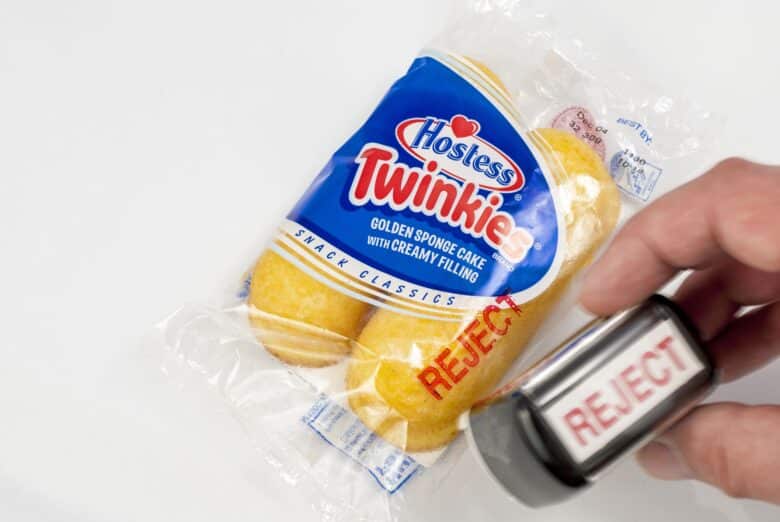
These iconic snacks are so American, they’re practically a part of the national identity. Good luck finding these outside the U.S., where they’re often banned for their, let’s say, ‘creative’ use of ingredients. In some countries, certain ingredients commonly used in Twinkies and other processed foods are more tightly regulated. For instance, high-fructose corn syrup and certain preservatives used in Twinkies may not be permitted or are used under stricter guidelines in countries within the European Union.
Image Credit: knowlesgallery/iStock.
3. Root beer
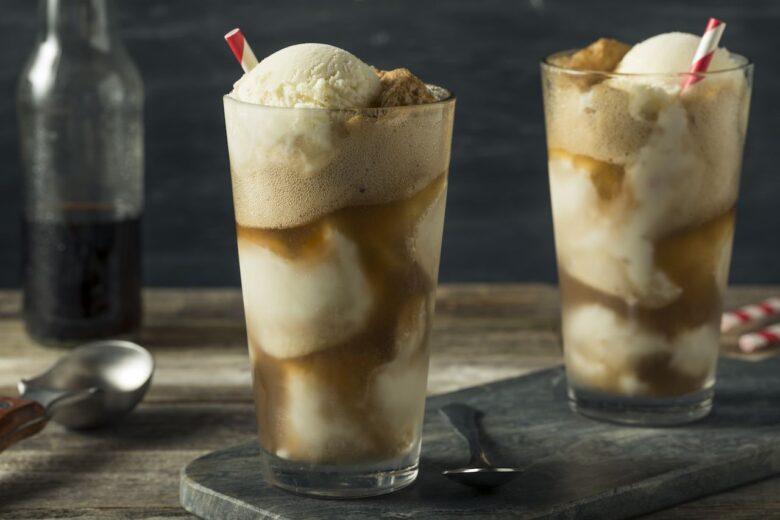
This unique soft drink, flavored with roots and herbs, is a rare find beyond U.S. borders. The flavor of root beer can be quite baffling to the uninitiated. It’s often described by non-Americans as tasting somewhat medicinal, reminiscent of mouthwash or cough syrup. This is primarily due to the sassafras root or sarsaparilla, the traditional base for root beer’s unique taste. What’s comforting and familiar to American palates can be jarring and peculiar to others. It seems that sassafras and sarsaparilla are acquired tastes.
Image Credit: bhofack2.
4. Pumpkin spice

Come fall, Americans go crazy for pumpkin spice everything. But step outside the U.S., and this blend of cinnamon, nutmeg, ginger, and allspice is as rare as a calm discussion about politics. So, why is this spice mix MIA once you step outside the American borders? For starters, the pumpkin spice craze is deeply rooted in American culture. The flavors are reminiscent of pumpkin pie, an American Thanksgiving staple, and the spice blend has been popularized by its association with comfort and nostalgia in the U.S.
Image Credit: WholeFoodsMarket.com.
5. Corn dogs
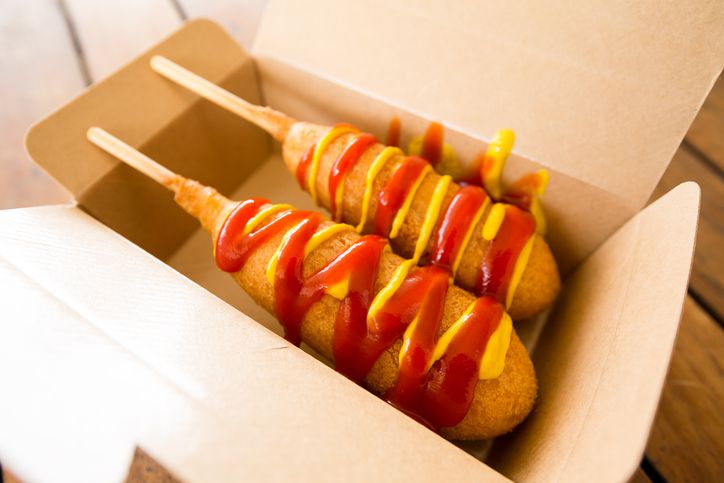
Corn Dogs, the quintessential American fair food, are a rarity outside the U.S. Why? They encapsulate the bold and fun spirit of American cuisine—a hot dog dipped in cornmeal batter and deep-fried. This is a snack deeply rooted in American culture, particularly tied to fairs and sports events, which doesn’t quite translate globally. Plus, the unique combination of flavors and textures – sweet cornmeal with savory hot dog—is unfamiliar and perhaps a bit adventurous for other palates. So, if you’re traveling abroad, be prepared to leave this delicious piece of Americana behind, as the beloved Corn Dog is a rare find outside the United States.
Image Credit: leungchopan / iStock.
6. New England clam chowder
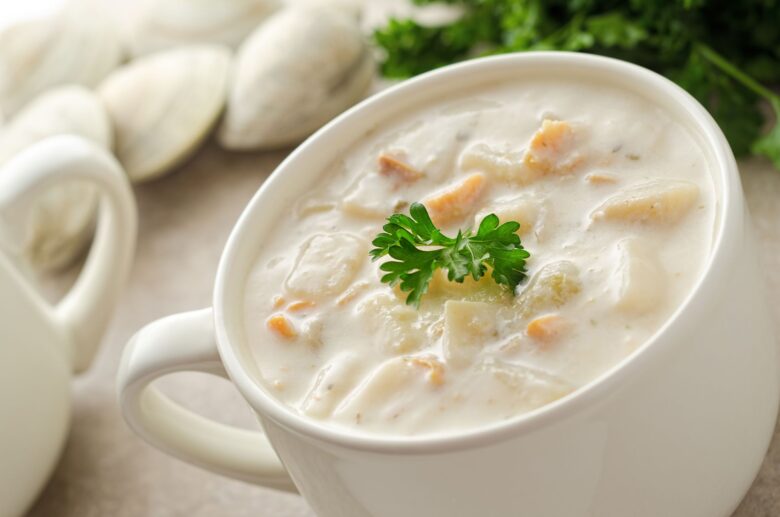
Clam Chowder, the creamy, comforting soup brimming with clams, potatoes, onions, and celery, is a staple in the New England region of the United States. But outside of the U.S., this rich and hearty delight is as scarce as a snowball in the Sahara.
The scarcity of Clam Chowder in other parts of the world can be chalked up to a few reasons. First, it’s a regional specialty. New England Clam Chowder, with its thick, creamy base, is a product of specific American culinary traditions, especially those of the Northeastern coast. This type of regional specificity often doesn’t translate well internationally.
Then there’s the key ingredient: clams. The idea of a clam-based soup might not appeal to those who aren’t accustomed to it or don’t have ready access to fresh clams.
Moreover, the creamy texture of New England Clam Chowder is a particular characteristic of American-style soups. Many other cuisines favor broths and clear soups over creamy or thickened ones, making clam chowder an outlier on the global soup spectrum.
Image Credit: Depositphotos.com.
7. Lobster rolls

Fresh lobster stuffed into a buttery bun? Yes, please! Outside America, though, this New England specialty is as scarce as a humble politician. Seems like the world is missing out on some seafood sandwich bliss. This scarcity is mainly due to the limited availability and higher cost of lobster in other countries. Additionally, the concept of a simple, seafood-focused sandwich like the Lobster Roll doesn’t quite align with international dining habits, where lobster is often reserved for more upscale, elaborate dishes. So, if you’re traveling abroad and craving this quintessential American treat, you might have to wait until you’re back on U.S. shores to satisfy that hunger.
Image Credit: rebeccafondren / iStock.
8. Reuben sandwiches
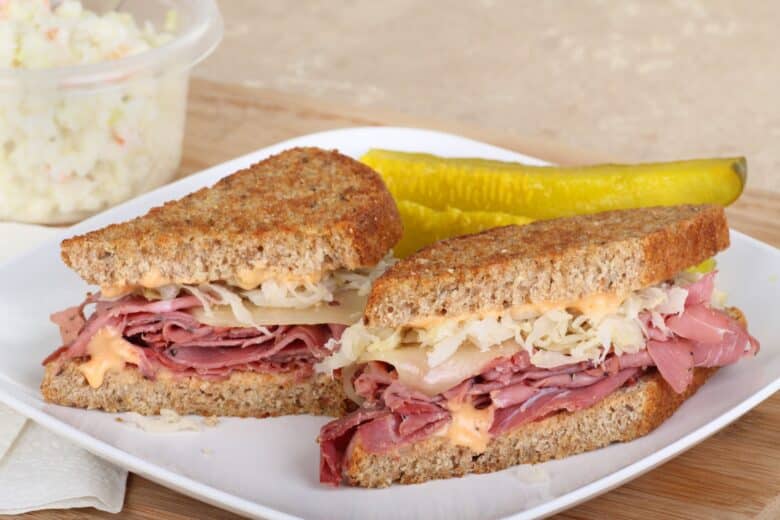
The Reuben sandwich, a delicious American deli classic loaded with corned beef, Swiss cheese, sauerkraut, and Russian dressing on rye bread, is hard to find outside the U.S. Its unique combination of ingredients and flavors, deeply rooted in American cuisine, doesn’t translate widely in international culinary scenes. The art of perfectly balancing its savory, tangy, and creamy elements is a skill not commonly found in other countries. So, for Reuben lovers traveling abroad, it might be a challenge to find this beloved sandwich until you’re back on familiar turf.
Image Credit: Depositphotos.com.
9. Spray cheese

Cheese in a can, a processed American novelty, is often thought to be banned in other countries, but it’s more about regulatory and cultural differences. Many countries, especially in Europe, have stringent food regulations and a preference for natural, less processed dairy products, making aerosol cheese a misfit. While not officially banned in most places, its highly processed nature and the addition of various preservatives and additives don’t align with the food standards and culinary traditions abroad, leading to its scarcity outside the United States.
Image Credit: Depositphotos.com.
10. Ranch dressing

Ranch dressing, a creamy and herby American staple, doesn’t enjoy the same popularity overseas. Its unique flavor, which combines buttermilk, mayonnaise, and a mix of herbs and spices, is tailored to American tastes and not always aligned with international preferences. Additionally, the ingredients central to Ranch are less common in other countries, making it challenging to replicate abroad. Deeply ingrained in American dining culture, Ranch dressing’s absence on the global stage is notable for travelers used to its ubiquity in the U.S. So, when traveling outside America, be prepared for a Ranch-less culinary experience, though some dill-flavored cream sauces in Scandinavia are quite similar and hint at the origins of this American favorite.
Image Credit: Hidden Valley.
11. Slim Jims

Beef, spices, and a whole lot of Americana packed into a slim stick. This snack is a road trip essential, but outside the States, Slim Jims are as rare as a quiet day on social media.Their heavy seasoning and processed nature make them less common internationally, where snack preferences and meat processing standards differ. Slim Jims, with their bold flavor and convenient packaging, remain a uniquely American snack, not widely embraced or available in other parts of the world. So, if you’re a Slim Jim fan traveling abroad, you might have to leave this spicy treat behind.
Image Credit: Wikimedia Commons/ Famartin.
12. Sweet tea

Southern Sweet Tea, a staple in the American South, is a true rarity outside the United States. This sweetened iced tea, often brewed strong and laden with sugar, is a hallmark of Southern hospitality and warmth. While iced tea is consumed globally, the particularly high sugar content and the cultural significance of Sweet Tea are uniquely American. This beverage, more than just a drink, is a symbol of Southern lifestyle and tradition. So, when traveling abroad, those with a penchant for this sugary Southern comfort might find their tea a tad less sweet, as the rest of the world typically prefers subtler flavors in their iced teas.
Image Credit: DepositPhotos.com.
13. Saltwater Taffy

Saltwater Taffy, the chewy, colorful candy synonymous with American beach towns, particularly along the East Coast, is hard to find outside the U.S. This sweet treat, made with sugar, corn syrup, and a variety of flavors and colors, is a staple in American seaside resorts. The process of pulling taffy, which gives it its unique texture, is a traditional American confectionery technique. While candy of various kinds is enjoyed worldwide, the specific appeal and nostalgia of Saltwater Taffy, with its myriad of flavors and pastel hues, are deeply rooted in American culture.For those with a fondness for this stretchy, sweet candy, it’s a taste of American summer that’s notably absent in international candy aisles.
Image Credit: Candice Estep / iStock.
14. Girl Scout Cookies

Girl Scout Cookies, a beloved American tradition, are a rare find outside the United States. These cookies, sold by Girl Scouts as part of an annual fundraising program, have become more than just treats; they are a cultural phenomenon in the U.S. With a variety of flavors like Thin Mints, Samoas, and Tagalongs, these cookies have garnered a devoted following. However, the tradition of Girl Scouts selling cookies is uniquely American, and the specific branding and variety of flavors are not replicated in other countries. So, if you’re a fan of these iconic cookies and traveling abroad, you’ll likely miss the distinctive taste and experience of supporting local Girl Scout troops through this annual cookie ritual.
Image Credit: DepositPhotos.com.
15. Hot Cheetos

Hot Cheetos, the fiery, red-tinged snack that’s become a cult favorite in the United States, often leave a gap in the snack aisle when you venture outside American borders. These spicy, crunchy corn puffs, known for their intense heat and bold flavor, are a product of American snack innovation. While spicy snacks are enjoyed worldwide, the particular flavor profile of Hot Cheetos – a blend of cheddar cheese and a fiery spice mix – is distinctly aligned with American tastes. In many other countries, snack preferences lean towards different flavor profiles, making Hot Cheetos a less common sight. So, if you’re a Hot Cheetos aficionado with a penchant for tongue-tingling snacks, you might find your spicy cravings unmet in international snack markets.
Image Credit: Depositphotos.com.
16. Coffee creamer
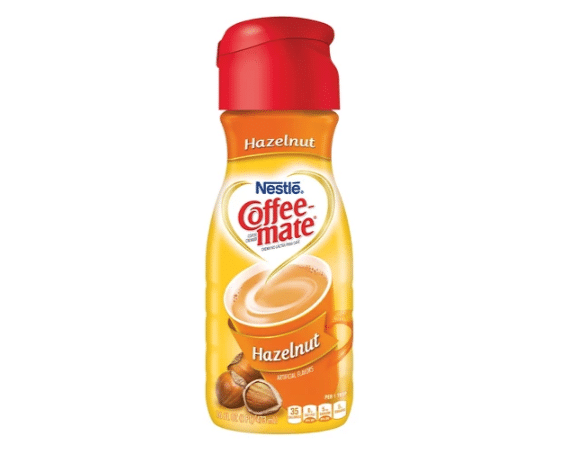
Coffee creamer, especially the flavored and non-dairy varieties that are staples in the U.S., often faces restrictions or is even banned in some countries. While in America these creamers are beloved for turning a simple cup of joe into a sweet, creamy treat, their ingredient list doesn’t always meet international health standards. Many contain partially hydrogenated oils (trans fats), high fructose corn syrup, and artificial additives, which are linked to health concerns and are subject to strict regulations in several countries. So, when traveling abroad, you might have to forgo your favorite coffee creamer and embrace the local coffee culture, which often favors fresher, simpler dairy products.
This article was produced and syndicated by MediaFeed.
Image Credit: Coffee-Mate.
More from MediaFeed

10 international foods that are banned in the United States
- Science says this ‘70s rock hit is the catchiest song of our time
- 20 incredible movies so disturbing we never want to see them again
Like MediaFeed’s content? Be sure to follow us.
Image Credit: Freek0303011 / Wikimedia Commons.