15 Things Most Homes Didn’t Have Until the 20th Century
It’s easy to take modern conveniences for granted. With the flip of a switch, we have light. Turn a faucet, and clean water appears. Need to contact someone? A smartphone can reach almost anyone in seconds.
But for most of human history, even basic household comforts didn’t exist. Many features we consider essential today only became common during the 20th century, transforming daily life in ways that are hard to imagine now.
Here are 15 things most homes didn’t have until the 20th century.

15. Refrigerators
Before refrigeration, keeping food fresh was a constant challenge.
Families relied on root cellars, salting, smoking, drying, and iceboxes stocked with blocks of ice delivered by local ice companies. Perishable foods spoiled quickly, especially during warm weather.
Electric refrigerators didn’t become common household appliances until the 1920s and 1930s.
14. Indoor Plumbing
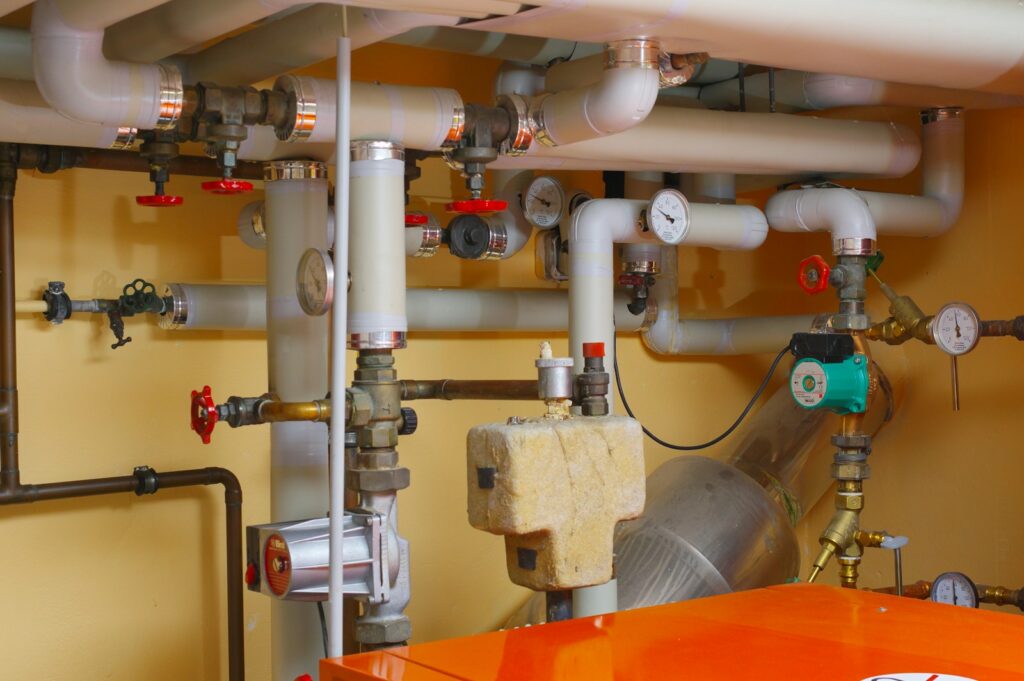
For much of history, water had to be carried into the home by hand.
Many families depended on wells, hand pumps, cisterns, or nearby streams. Waste disposal often involved outhouses located behind the house.
Widespread indoor plumbing gradually spread during the early 20th century, dramatically improving sanitation and convenience.
13. Electric Lighting
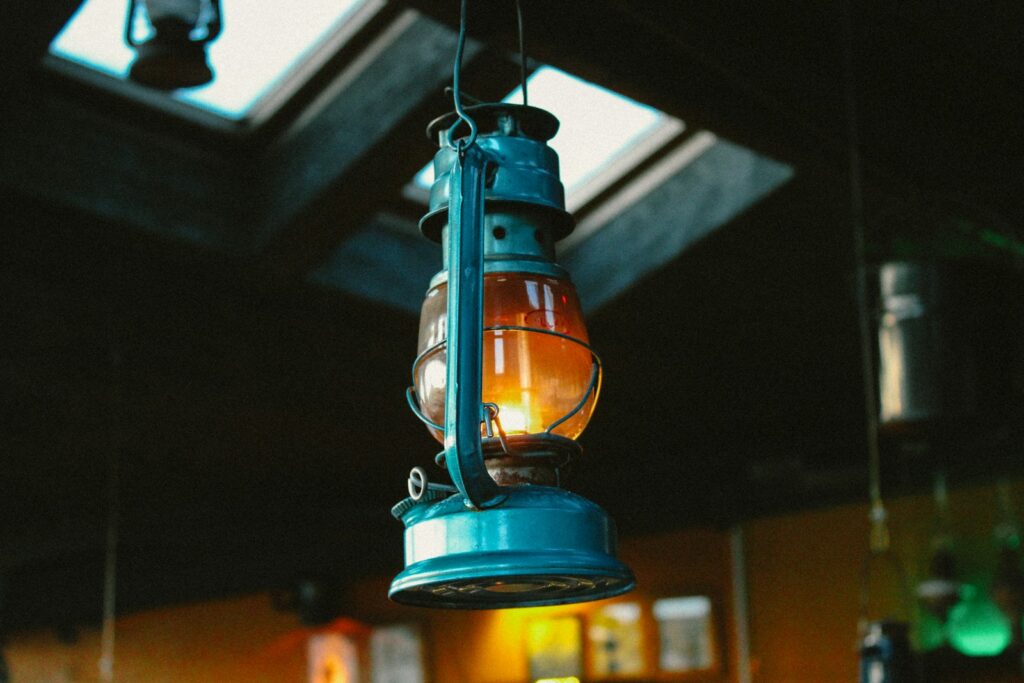
Before electricity, evenings were illuminated by candles, oil lamps, and gaslights.
These options were dimmer, more expensive, and often posed fire hazards. Everyday activities frequently ended shortly after sunset.
Electric lighting transformed homes during the early 1900s, extending productive hours and making indoor spaces safer.
12. Central Heating
Keeping warm once required significant daily effort.
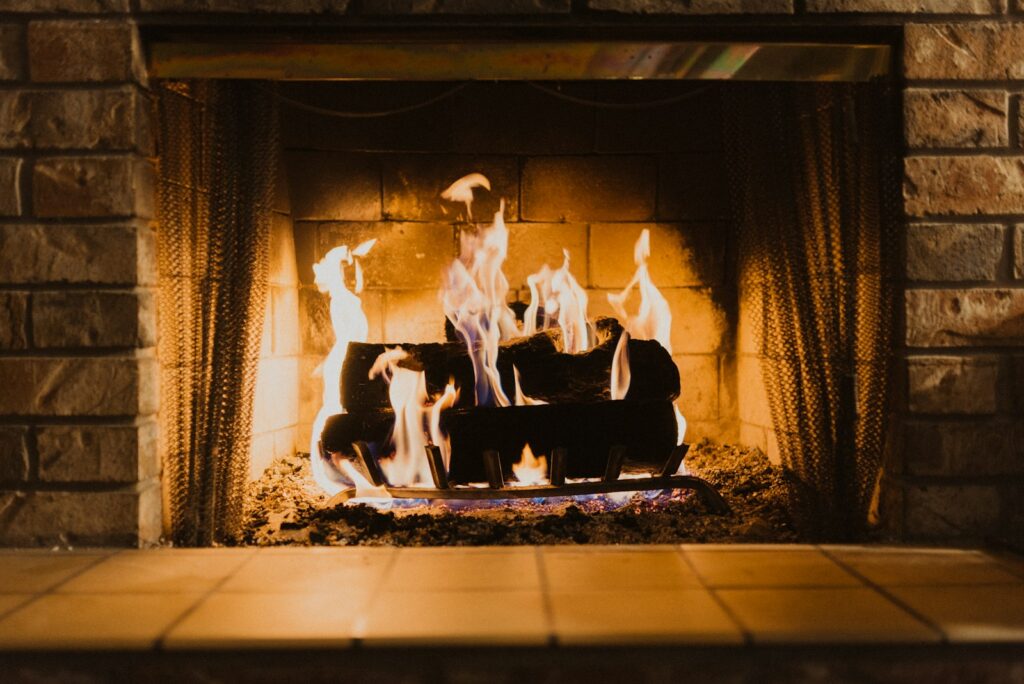
Families gathered around fireplaces, coal stoves, or wood-burning furnaces. Many homes remained cold outside a few heated rooms.
Central heating systems became increasingly common during the first half of the 20th century, making entire homes more comfortable during winter.
11. Telephones
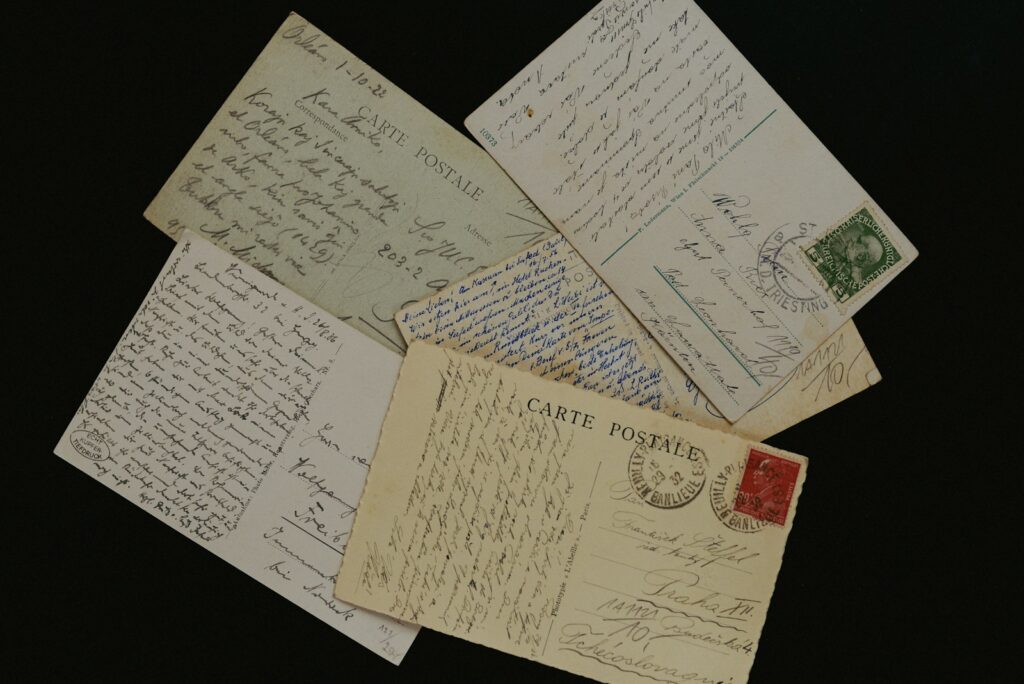
Before telephones, communication moved at the speed of transportation.
Letters, telegrams, and face-to-face conversations were the primary methods of staying in touch. News from distant relatives could take days or weeks to arrive.
By the mid-20th century, telephones had become common fixtures in many households.
10. Washing Machines
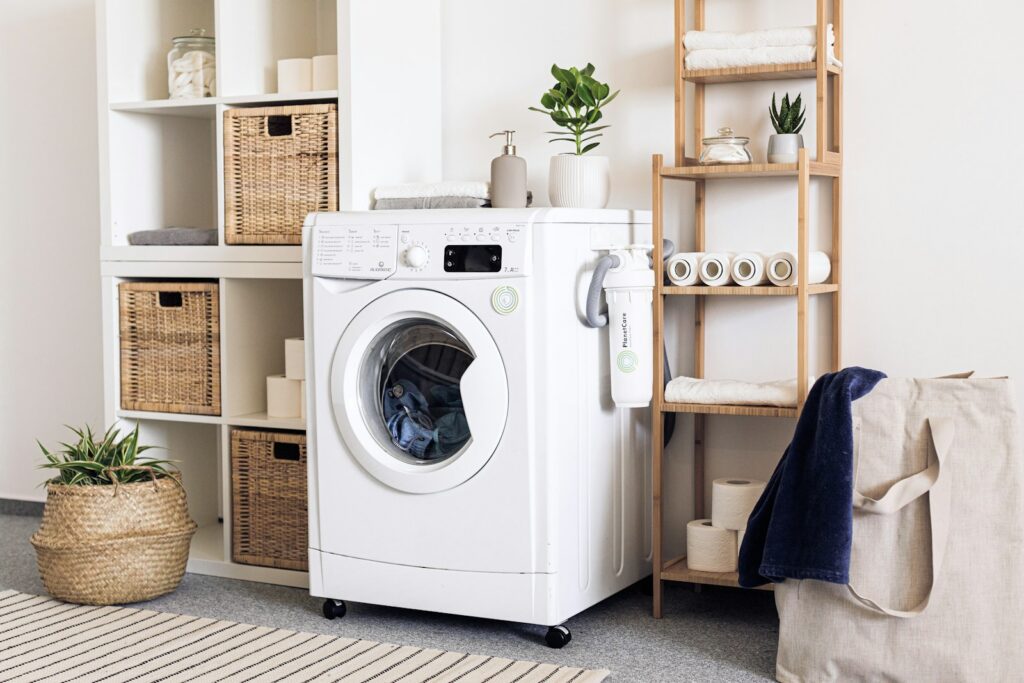
Laundry was once one of the most labor-intensive household chores.
Clothes were scrubbed by hand, boiled, wrung out, and hung to dry. Washday could consume an entire day of physical labor.
Electric washing machines gradually became household staples during the first half of the 20th century.

9. Vacuum Cleaners
Before vacuum cleaners, rugs and carpets required beating, brushing, and sweeping.
Some early vacuum machines were so large that they were mounted on horse-drawn wagons and operated from outside the house through long hoses.
Portable household vacuum cleaners became widely available in the early 1900s.
8. Air Conditioning
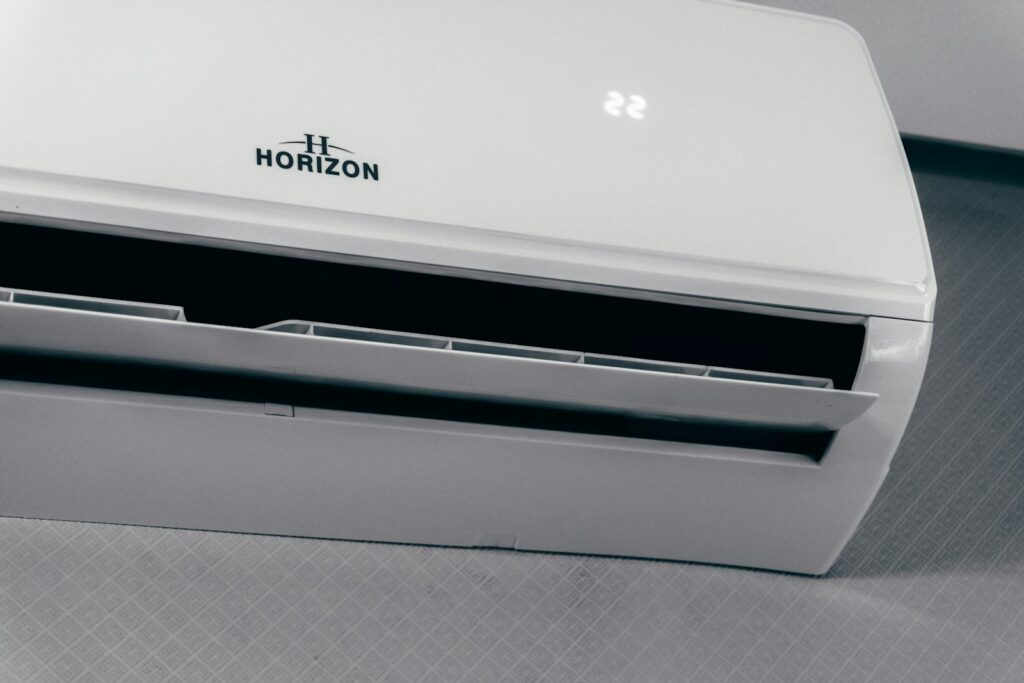
For most of history, people simply endured summer heat.
Homes relied on shade, open windows, porches, hand fans, and architectural designs intended to improve airflow.
Residential air conditioning became increasingly common after World War II, particularly in warmer regions of the United States.
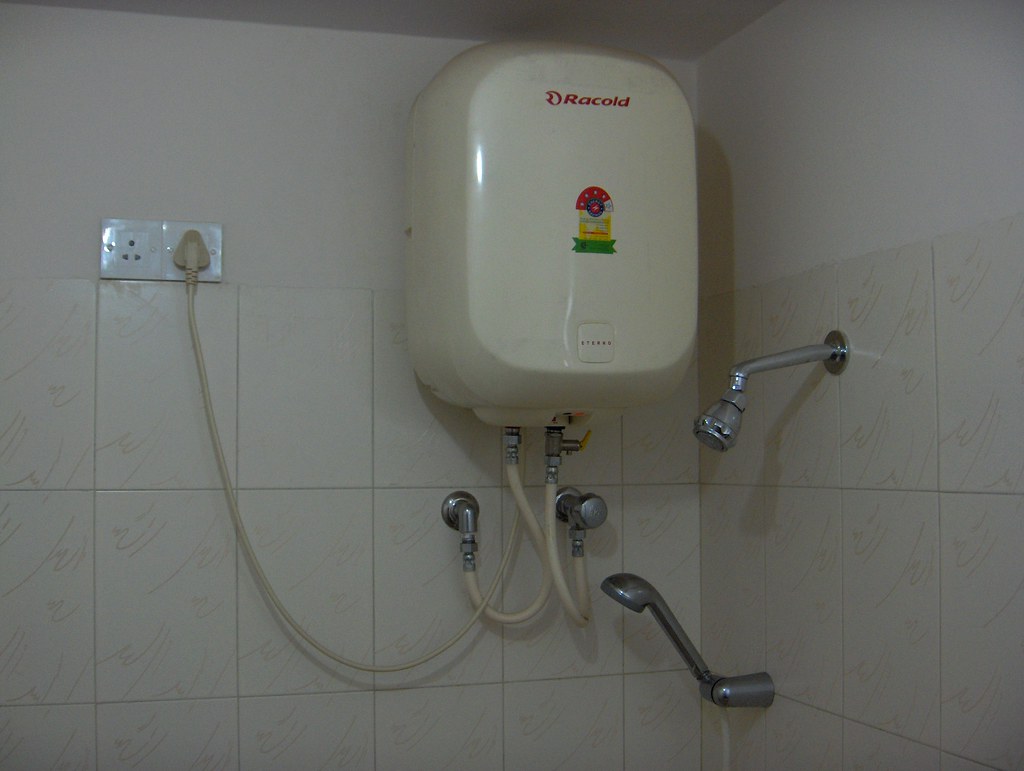
7. Hot Water Heaters
Getting hot water once required heating it manually.
Families warmed water over stoves, fireplaces, or dedicated heating vessels before using it for bathing, cooking, or cleaning.
Automatic water heaters gradually eliminated this daily chore during the 20th century.
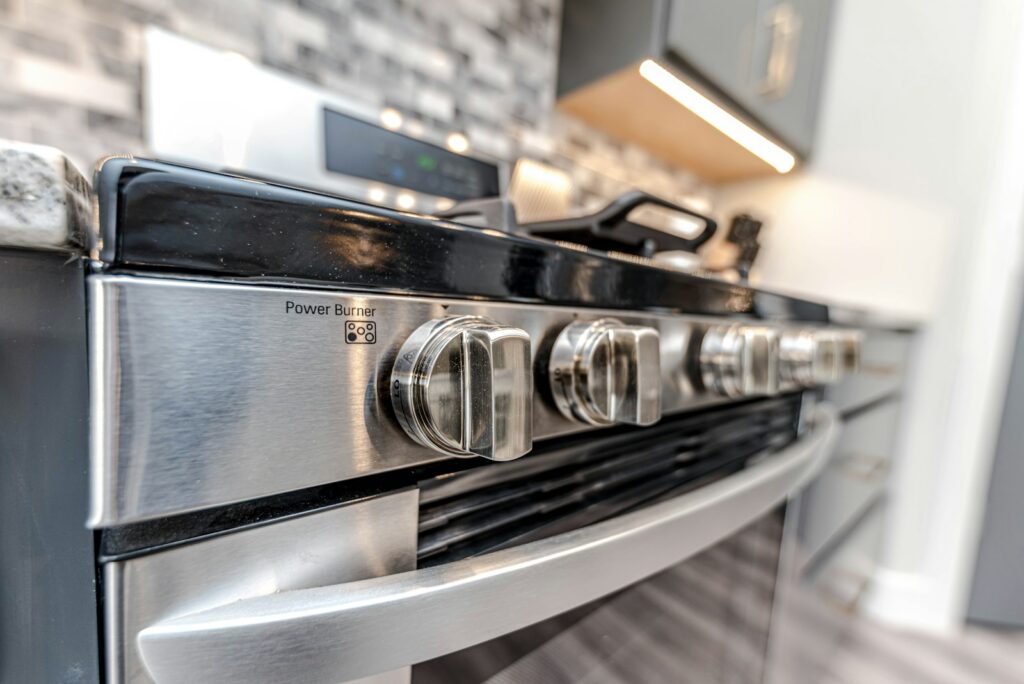
6. Electric Stoves
Cooking traditionally depended on wood, coal, or gas.
Maintaining the correct temperature required constant attention, and kitchens often became extremely hot during meal preparation.
Electric ranges began appearing in homes during the early 1900s and became increasingly popular after rural electrification expanded access.

5. Home Freezers
Even after refrigerators became common, freezer compartments remained relatively small.
Dedicated home freezers allowed families to store larger quantities of food for longer periods, changing shopping habits and meal planning.
These appliances became increasingly popular during the mid-20th century.
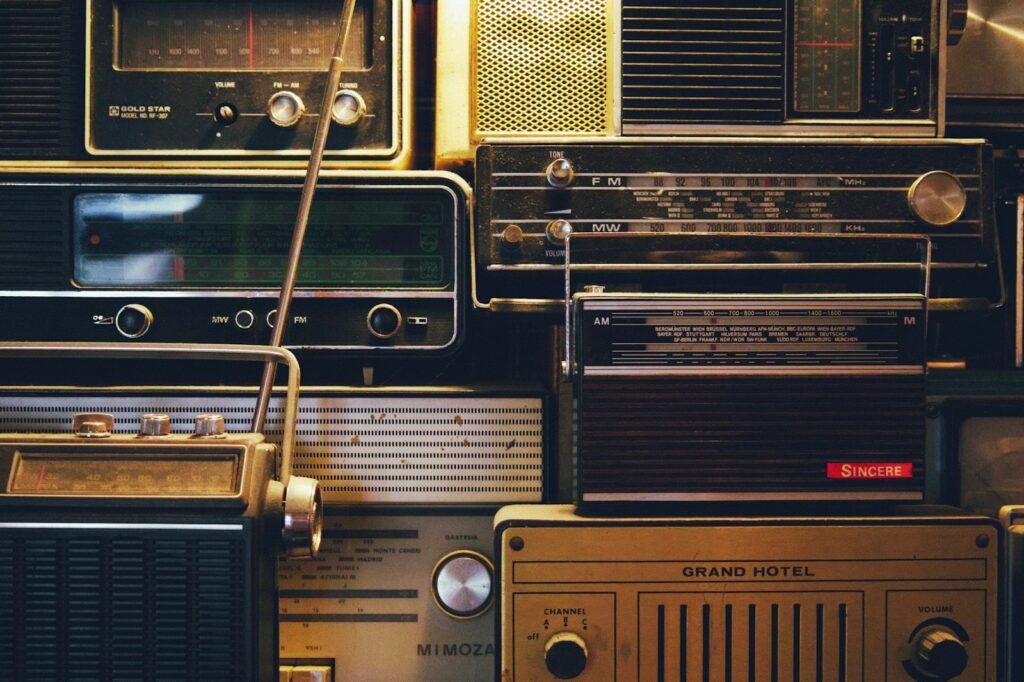
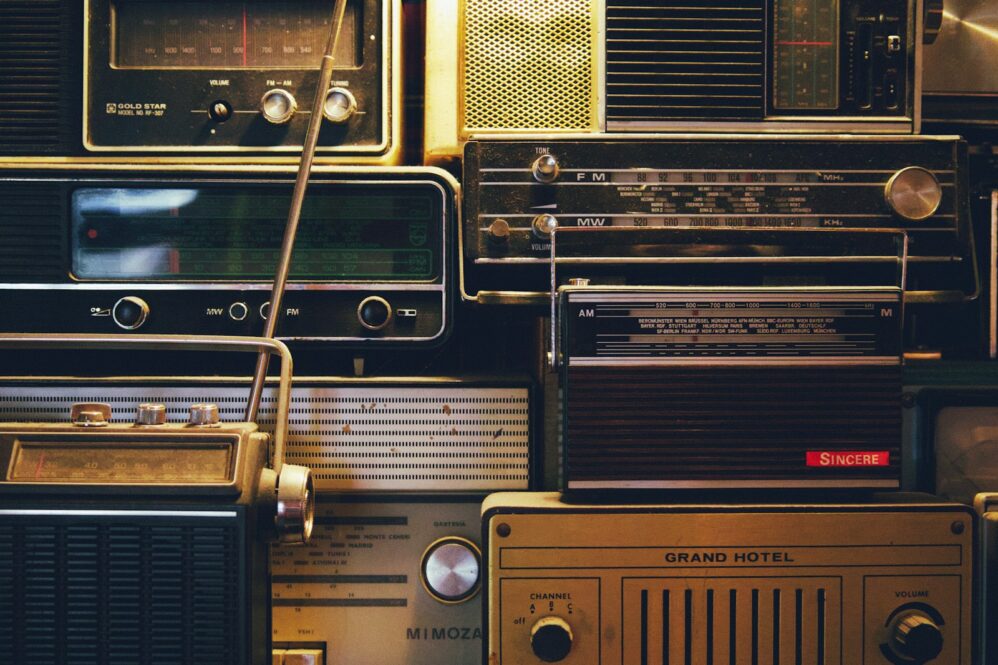
4. Radios
The radio was one of the first technologies to bring live entertainment directly into the home.
Before radio, families relied on newspapers, books, local performances, or their own musical talents for entertainment.
By the 1930s, radios had become central gathering points in many living rooms.
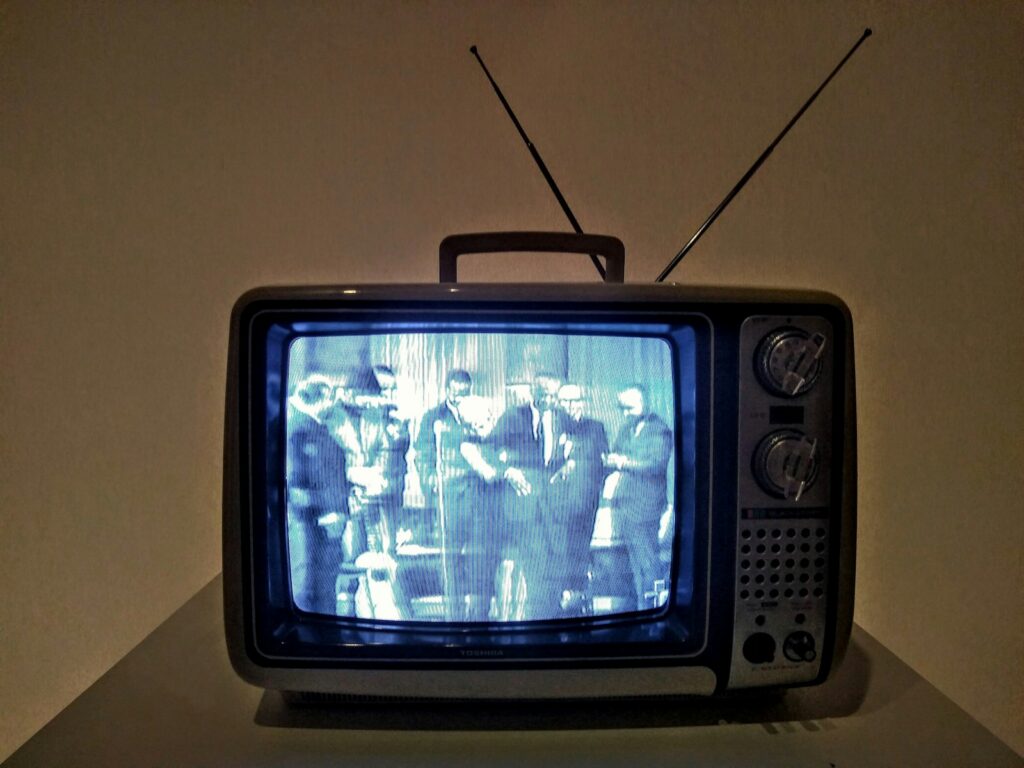
3. Television Sets
Few inventions changed home life more dramatically than television.
Prior to television, evening entertainment often involved reading, conversation, games, or listening to the radio.
The rapid adoption of TV during the 1950s reshaped family routines, popular culture, and how people consumed news.

2. Home Electricity
Many of the conveniences on this list depended on one major innovation: electricity.
Even into the early 20th century, many rural communities lacked electrical service. Homes continued relying on lamps, hand-powered tools, and wood-burning stoves.
The expansion of electrical infrastructure transformed daily life more thoroughly than almost any other household development.

1. Indoor Bathrooms
Having a private bathroom inside the home feels normal today, but it was a luxury for much of history.
Bathing often involved portable tubs, heated water, and significant preparation. Outhouses remained common well into the early 20th century in many regions.
The combination of indoor plumbing, sewage systems, and dedicated bathrooms fundamentally changed sanitation, health, and comfort.

How Different Daily Life Once Was
Many of these inventions didn’t just make life more convenient. They changed how people worked, cooked, cleaned, communicated, and spent their free time.
Tasks that once required hours of physical labor could suddenly be completed in minutes. Families became less dependent on daylight, weather, and manual effort. Entire industries emerged around technologies that most people now barely think about.
What Future Generations Might Find Surprising
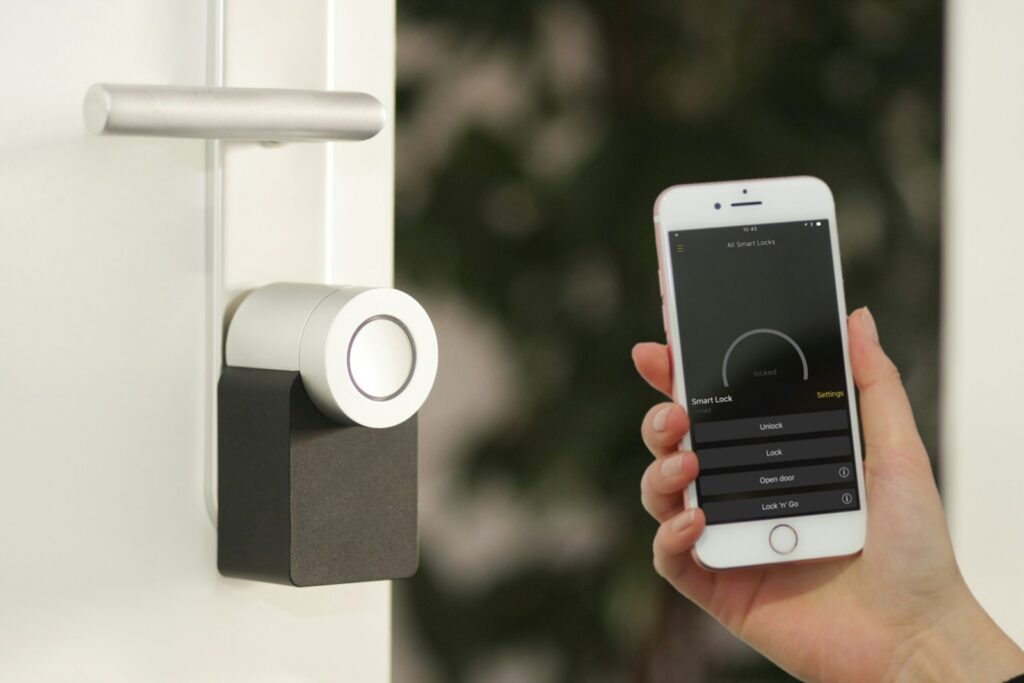
Just as we marvel at a world without refrigerators or indoor plumbing, future generations may be surprised by some of the technologies we still use today.
They may wonder how people managed before smart homes, autonomous transportation, advanced energy systems, or whatever innovations come next.
After all, many of today’s ordinary conveniences would have seemed just as miraculous to homeowners a century ago.
Read More:
- Nostalgic ’90s Foods That Deserve a Comeback
- Remember These? 20 Classic Features of an ’80s Kitchen
- 10 Times Science Fiction Predicted the Future
Ask us! What questions do you have about content, strategy, pop culture, lifestyle, wellness, history or more? We may use your question in an upcoming article!
Like MediaFeed’s content? Be sure to follow us.
This article originally appeared on Resourcebuzz and was syndicated by MediaFeed.co.