The National Oceanic and Atmospheric Administration’s (NOAA) outlook for the 2022 Atlantic hurricane season, which extends from June 1 to November 30, predicted a 65% chance of an above-normal season, meaning that states with the most hurricane risk may face even more significant losses.
To find the states with the most expected risk this hurricane season, MoneyGeek analyzed expected annualized losses from hurricanes overall and per capita. We also determined which at-risk states had the most vehicle owners without comprehensive auto insurance coverage; without this insurance, drivers aren’t covered for hurricane-related damage to their vehicles.
Related: How Biden’s push for new building codes could impact your home
Image Credit: Karl Spencer.
States With the Most Hurricane Risk for Homeowners & Renters
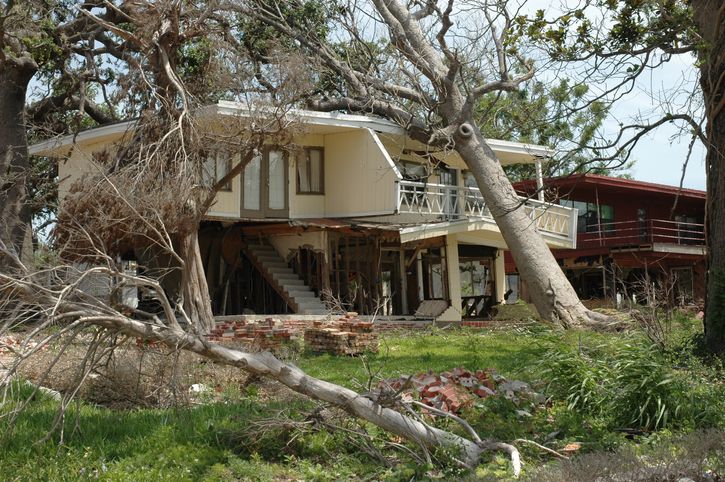
To find the states with the most expected hurricane risk in 2022, MoneyGeek used data from FEMA’s National Risk Index datasets and calculated annual expected total losses and per capita losses by state. We ranked states in order of most risk per capita to least risk per capita.
SPONSORED: Find a Qualified Financial Advisor
1. Finding a qualified financial advisor doesn’t have to be hard. SmartAsset’s free tool matches you with up to 3 fiduciary financial advisors in your area in 5 minutes.
2. Each advisor has been vetted by SmartAsset and is held to a fiduciary standard to act in your best interests. If you’re ready to be matched with local advisors that can help you achieve your financial goals, get started now.
Image Credit: JCPJR / istockphoto.
15. Connecticut
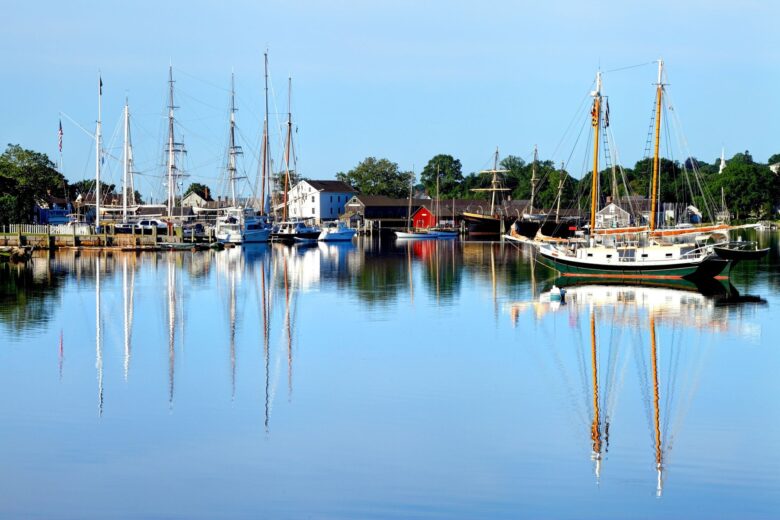
- Per Capita Expected Building & Population Losses: 61 cents
- Total Expected Building & Population Losses: $2.2M
Image Credit: DenisTangneyJr.
14. New Jersey

- Per Capita Expected Building & Population Losses: 61 cents
- Total Expected Building & Population Losses: $5.4 million
Image Credit: Ultima_Gaina / istockphoto.
13. West Virginia
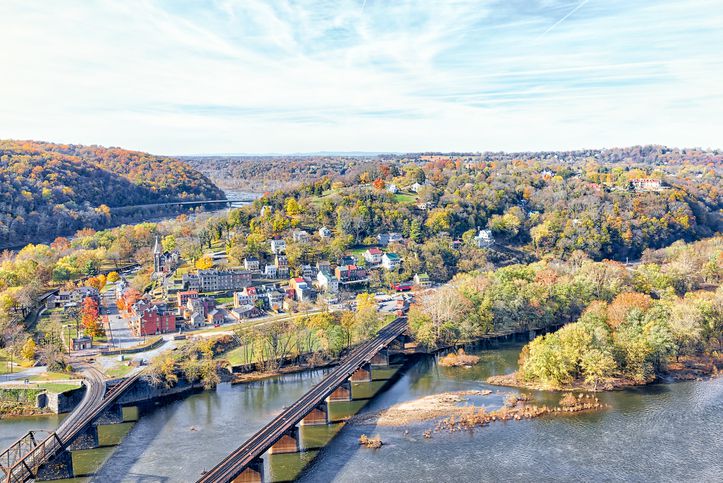
- Per Capita Expected Building & Population Losses: 75 cents
- Total Expected Building & Population Losses: $1.4 million
Image Credit: istockphoto.
12. Delaware
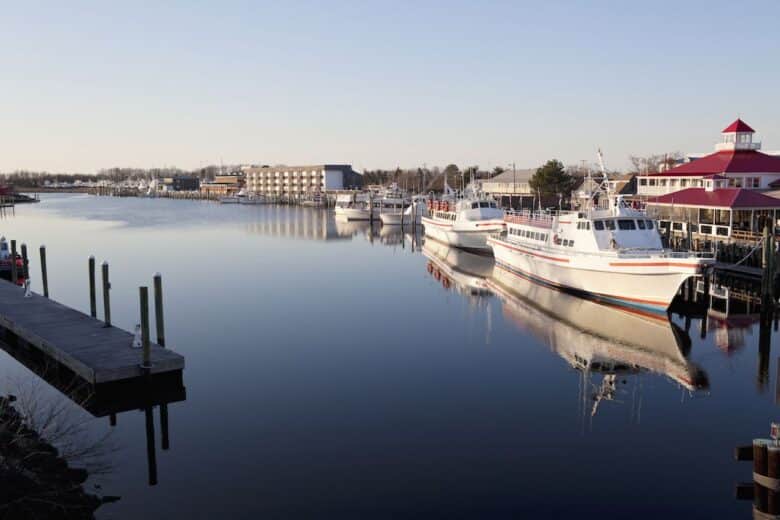
- Per Capita Expected Building & Population Losses: $1.61
- Total Expected Building & Population Losses: $1.4 million
Image Credit: mdgmorris.
11. Georgia

- Per Capita Expected Building & Population Losses: $2.18
- Total Expected Building & Population Losses: $21.1 million
Image Credit: SeanPavonePhoto.
10. Maryland
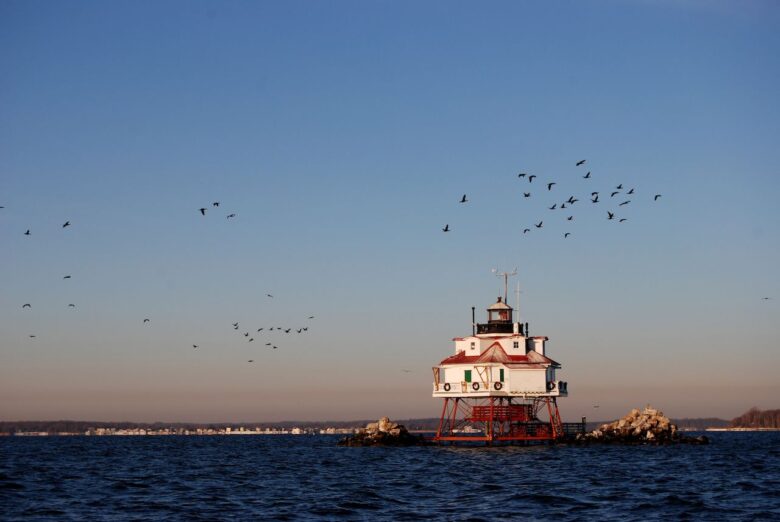
- Per Capita Expected Building & Population Losses: $2.46
- Total Expected Building & Population Losses: $14.2 million
Image Credit: James_Lane.
9. Virginia
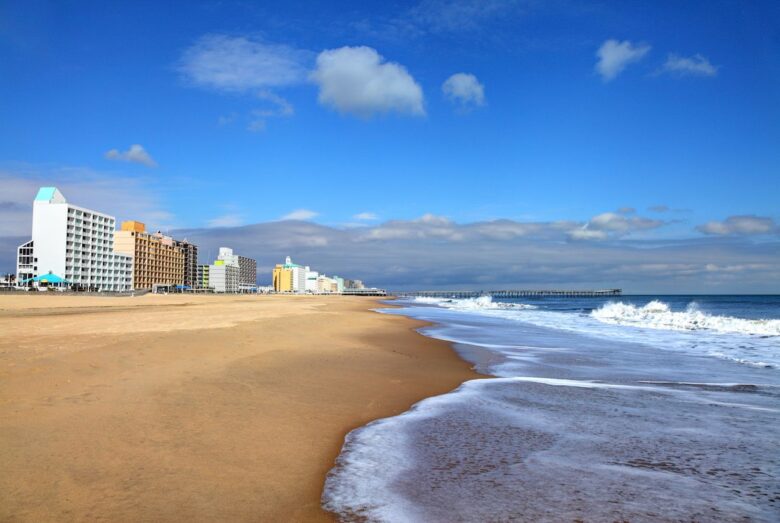
- Per Capita Expected Building & Population Losses: $3.79
- Total Expected Building & Population Losses: $30.3 million
Image Credit: DenisTangneyJr.
8. District of Columbia
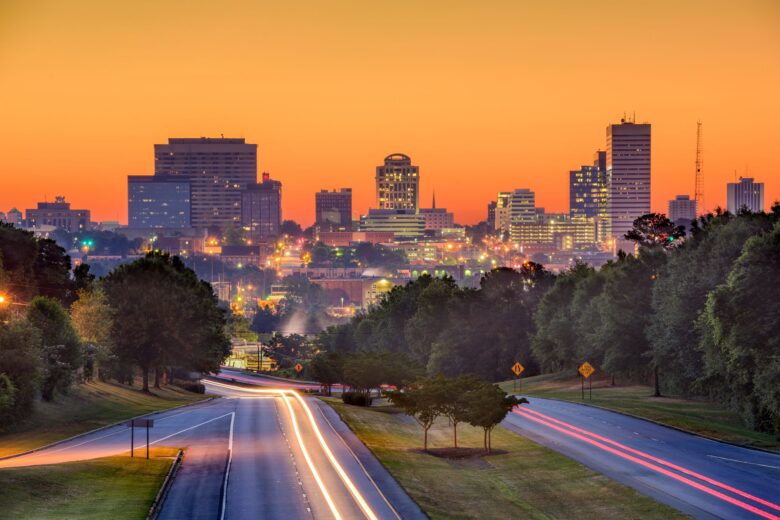
- Per Capita Expected Building & Population Losses: $5.73
- Total Expected Building & Population Losses: $3.5 million
Image Credit: DepositPhotos.com.
7. South Carolina
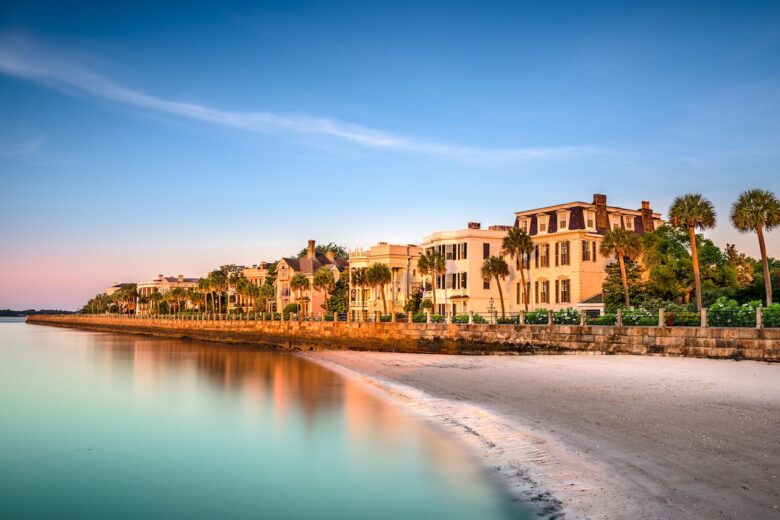
- Per Capita Expected Building & Population Losses: $11.13
- Total Expected Building & Population Losses: $51.5 million
Image Credit: SeanPavonePhoto.
6. Alabama

- Per Capita Expected Building & Population Losses: $20.59
- Total Expected Building & Population Losses: $98.4 million
Image Credit: James Deitsch.
5. North Carolina

- Per Capita Expected Building & Population Losses: $31.93
- Total Expected Building & Population Losses: $304 million
Image Credit: ” Darwin Brandis”.
4. Florida

- Per Capita Expected Building & Population Losses: $36.49
- Total Expected Building & Population Losses: $686 million
Image Credit: Elisa.rolle.
3. Texas
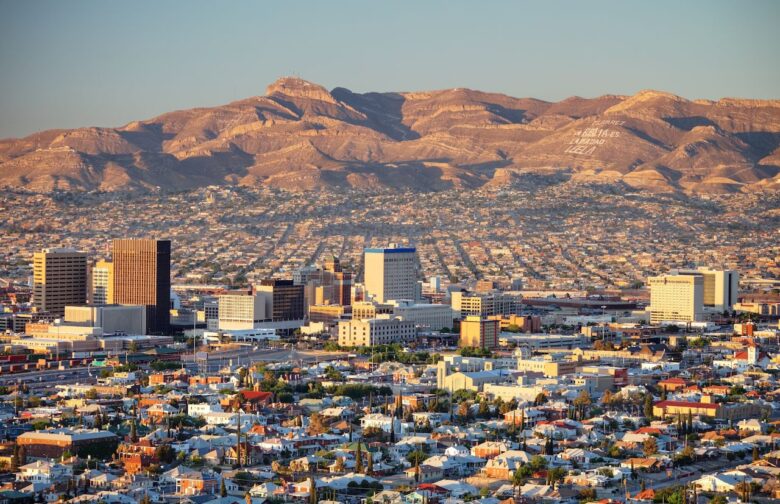
- Per Capita Expected Building & Population Losses: $58.19
- Total Expected Building & Population Losses: $1.5 billion
Image Credit: DenisTangneyJr.
2. Mississippi

- Per Capita Expected Building & Population Losses: $78.42
- Total Expected Building & Population Losses: $233 million
Image Credit: stevegeer.
1. Louisiana

- Per Capita Expected Building & Population Losses: $107.08
- Total Expected Building & Population Losses: $485 million
Image Credit: DenisTangneyJr.
How Homeowners Can Prepare for Hurricane Season
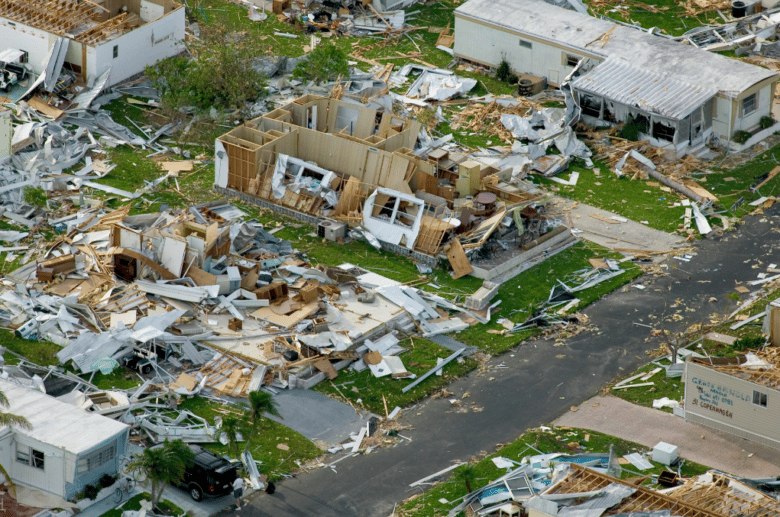
Extreme flooding, power outages and massive property damage can make the aftermath of a hurricane extremely stressful. Taking steps to prepare your home against hurricane damages and secure an affordable home insurance policy with adequate coverage can help give you peace of mind this hurricane season and beyond.
Marty Bell — chief science officer of WeatherFlow — offered some advice on protecting your property before a hurricane strikes, including ensuring you have a robust home insurance policy.
“Before hurricane season, review insurance policies and make sure your home has proper coverage. Remember that homeowner’s insurance does not cover flood damage, so if flooding is a threat at your location, make sure you have a separate flood insurance policy,” Bell said.
He also advises to always follow local building codes and make as many retrofits as you can outside of storm season.
“Garage doors are a common failure point, so have that up to code. Trim any weak branches or other vegetation around your home. When a storm threatens, the most important things to do will be to cover windows, secure loose outdoor items and move your vehicle to a safe location.”
Because of climate change, homeowners may want to evaluate the potential risk of weather-related disasters in their area and take extra precautions to protect their assets; it’s crucial that you understand how climate change impacts your home insurance.
Image Credit: FEMA.
How to Prepare Your Home for A Hurricane

Follow these additional tips to help you protect your home from hurricane damage:
- To prevent floods from damaging your home, check for broken or cracked windows that can let in rain before the storm strikes.
- Use storm shutters or board windows if you know a hurricane is likely to hit your area.
- Make sure you have hurricane ties installed in your roof’s structure to help increase its resistance to high winds and prevent uplifting, racking and overturning. Also, be sure to check the roof for any loose tiles or shingles.
- Brace your garage door; if this is not reinforced, it could be susceptible to yanking from high winds and damage your roof.
- Trim trees and remove dead and loose foliage that could fall and damage your roof or crash through windows.
- Take an inventory of all your belongings in your home in case you need to file an insurance claim.
Image Credit: mokee81 / iStock.
States With the Highest Vehicle Risk During Hurricane Season
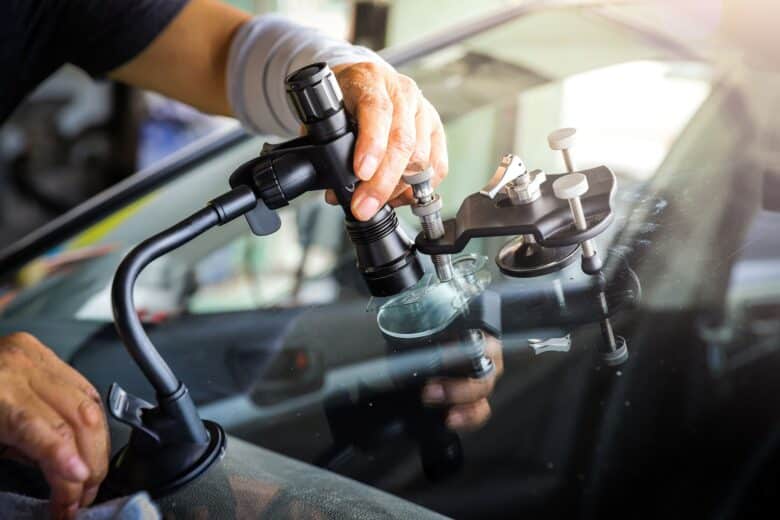
Comprehensive auto insurance covers more than theft, glass breakage or fire — it also covers damage due to floods, hail and other natural disasters — including hurricanes.
MoneyGeek utilized data from our previous comprehensive coverage by state study to find the percentage of vehicle owners without comprehensive coverage in states with hurricane risk. Our analysis identified the percentage of vehicle owners without this crucial coverage in hurricane-prone areas who would be at risk of having a total vehicle if their car was damaged or totaled during a hurricane.
Mississippi topped the list with nearly half of vehicle owners — 49.3% — not having comprehensive coverage. Arkansas and Oklahoma were next with 44.5% and 44.2% of drivers lacking comprehensive coverage, respectively.
Although some vehicle owners may not purchase comprehensive coverage because it’s not required, the coverage may be a cost-effective investment as it covers multiple types of damages. In most cases, this coverage is less expensive than the cost to replace an entire vehicle or make major repairs in the event of hurricane damage.
Image Credit: Ran Kyu Park / iStock.
Methodology

MoneyGeek utilized data from FEMA’s National Risk Index datasets to calculate the annual expected losses for each state from building damage and population exposure data, which considers the FEMA-determined statistical value of life to be $7.6 million. To calculate per capita risk, MoneyGeek utilized the population as of 2016.
To calculate vehicle risk, we used data from MoneyGeek’s comprehensive coverage by state study to find the percentage of vehicle owners without comprehensive coverage in states with hurricane risk.
FEMA’s National Risk Index data also includes estimates for agricultural losses due to hurricanes, which were excluded from MoneyGeek’s analysis.
If you have any questions about our findings or methodology, please reach out to Melody Kasulis via email at [email protected].
Related:
This article originally appeared on Moneygeek.com and was syndicated by MediaFeed.org.
Image Credit: Aneese/istockphoto.