15 movie endings that still divide audiences
Ask someone whether they saw Inception in 2010 and, before they answer, ask what the ending means. That is how fast a dinner conversation becomes a fight. These films didn’t leave people confused. They left people with a position they couldn’t quite defend or put down.
Critical sourcing here comes from Roger Ebert and Looper.
Still arguing? Good.

“Inception” (2010)
Nobody fighting about this film is actually fighting about a spinning top. That’s just the object the argument attaches itself to. What people are really fighting about is whether Cobb earned the ending he got, and Nolan made the film that refused to answer that. Not the one where the audience’s investment in the outcome gets honored. Looper ranks it among the most argued films of the century.
“The Sopranos — Made in America” (2007)
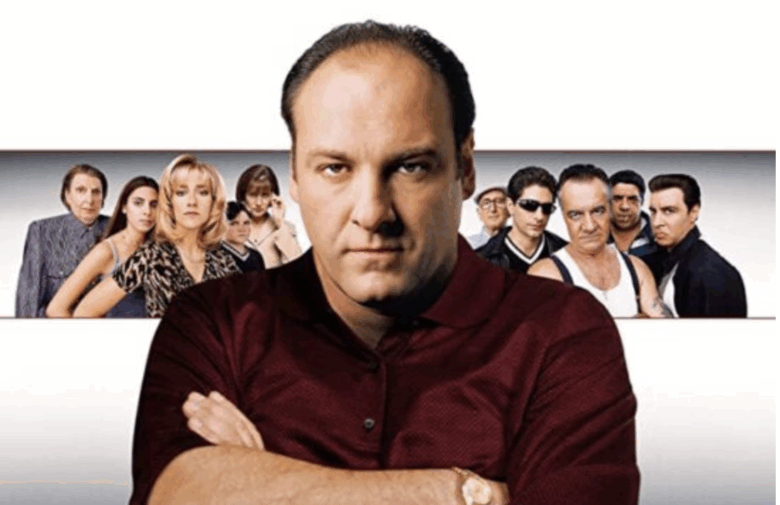
After eight years, you learned, without realizing it, to read Tony’s state of mind from inside his skull. That’s why the cut to black hits the way it does. Not as a directorial choice. As something Tony experienced every time he walked into a room. Looper ranks it among the most discussed endings in screen history. Most people who think he survived haven’t sat with that diner scene, watching only his eyes as the door opens.
“No Country for Old Men” (2007)
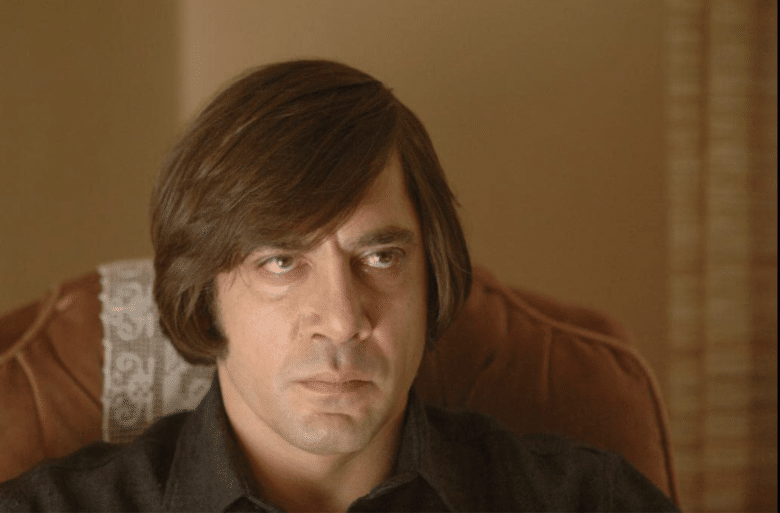
What the Coens understood, which not everyone in the audience was ready for, is that Chigurh was never going to be punished by the plot. Because plots punish villains because audiences need that. And this film decided the audience didn’t need that. Ebert wrote carefully about what gets withheld in those final scenes. The film’s position is that calling that absence honesty is not a provocation. It’s a genuine argument.

“Blade Runner” (1982/1992)
Scott and Ford have been publicly disagreeing for forty years about whether Deckard is human. Ford argues he must be, because otherwise the love story doesn’t work. Scott argues he isn’t. Which means the two people most responsible for the film cannot agree on what it is fundamentally about. Ebert documented the revision that removed the studio’s happy ending. The deeper question it was designed to leave open was never settled, even between its makers.
“The Thing” (1982)
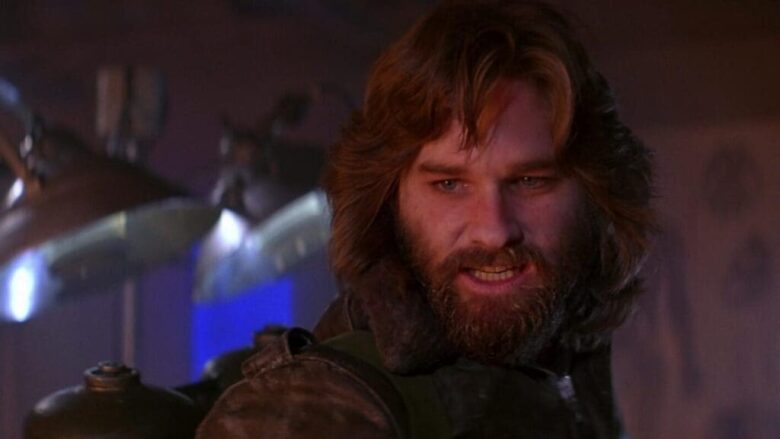
Carpenter admitted in his own commentary that he couldn’t decide whether Childs was infected. That’s not a confession of failure. It’s the ending passing the paranoia from the characters to the audience, where it has been sitting undisturbed for four decades. Screen Rant documents the full range of theories and confirms Carpenter’s own ambivalence about the answer.
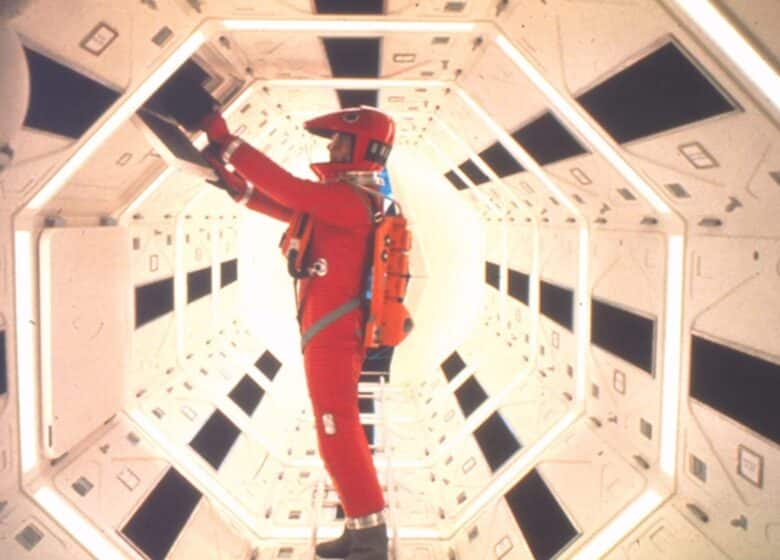
“2001: A Space Odyssey” (1968)
Kubrick said explaining the ending would diminish it. Looper ranks it among the most debated conclusions in cinema history. Whatever he meant by any of it, he took the answer with him.

“The Graduate” (1967)
The smiles fade on the bus in real time. What you’re watching is the exact moment two people understand that escape was the whole plan and nothing was prepared for what comes after. Ebert spent considerable space on those last thirty seconds. Called romantic for decades by people who stopped watching before Katharine Ross’s expression fully landed.
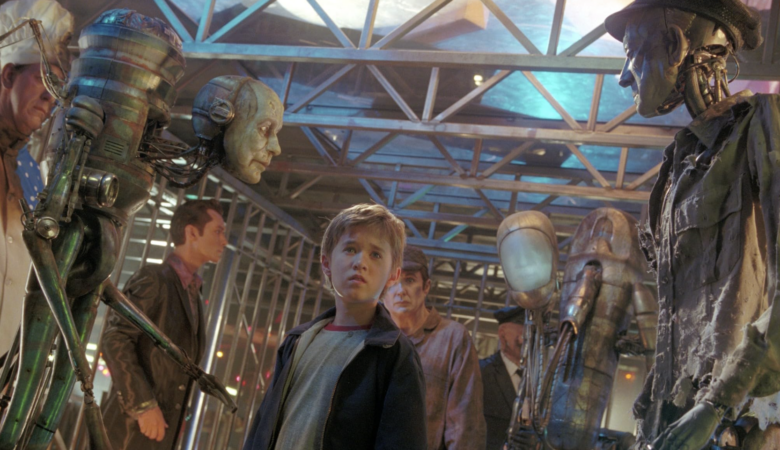
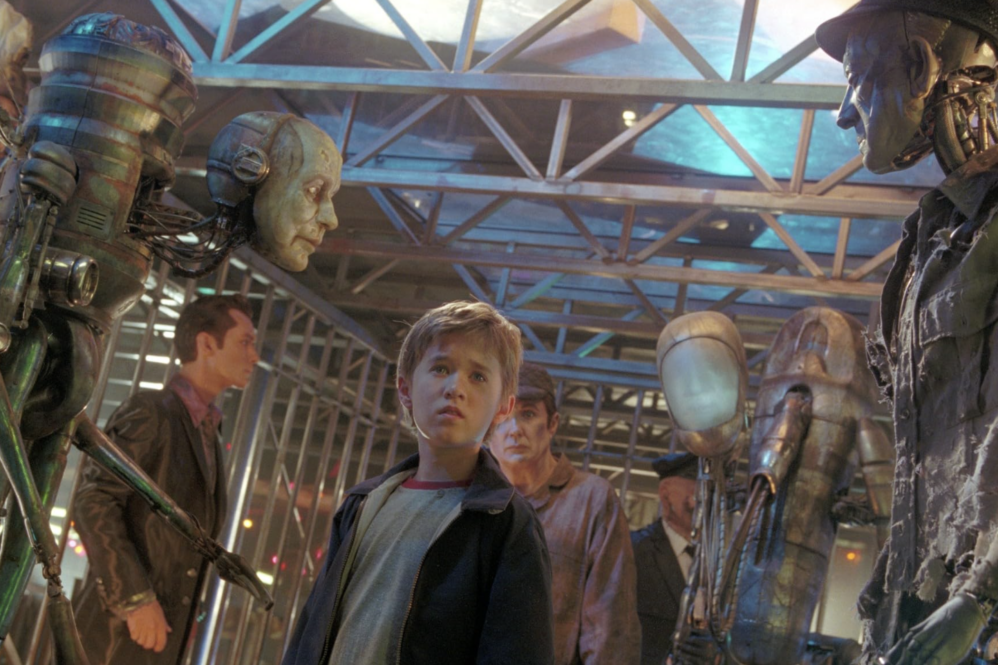
“A.I. Artificial Intelligence” (2001)
Kubrick would have ended it in the ice. David frozen, waiting for something that was never coming. Spielberg gave him one impossible day instead. Ebert is honest about the ambivalence. The argument isn’t sentiment versus rigor. It’s about whether a story built entirely on the desire for love is allowed to end with it, even briefly, even under false pretenses.
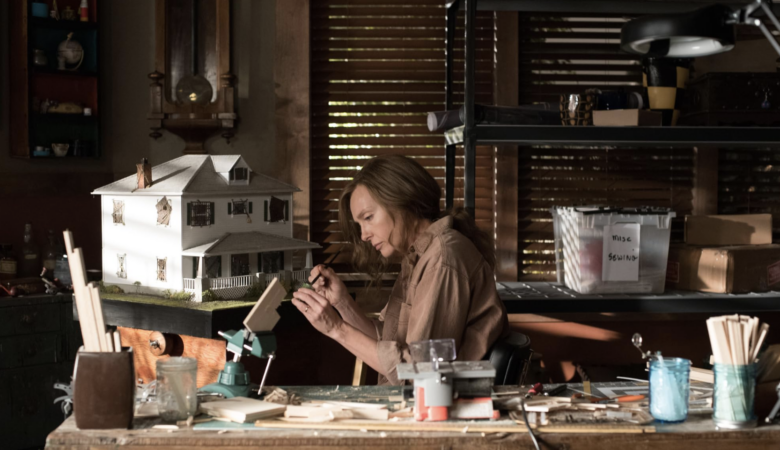
“Hereditary” (2018)
The final sequence gives you everything and leaves you wishing it hadn’t. Which is either the film working exactly as intended or going one step further than it needed to. Looper documents the split in audience response. The film doesn’t care which one you land on.
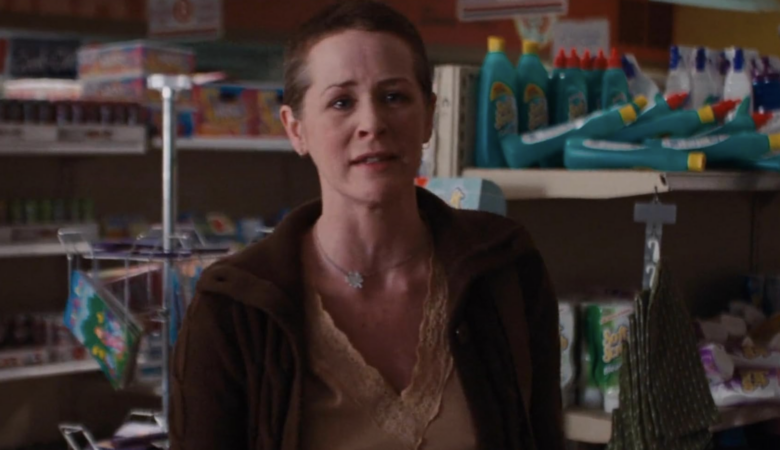
“The Mist” (2007)
Thomas Jane kills his son. The army arrives. King said he wished he’d thought of it himself. The people who call it cruel are right. So are the people who call it the most honest thing a horror film has ever done. Both things at the same time. Ebert called it one of the most unforgiving endings in horror history.
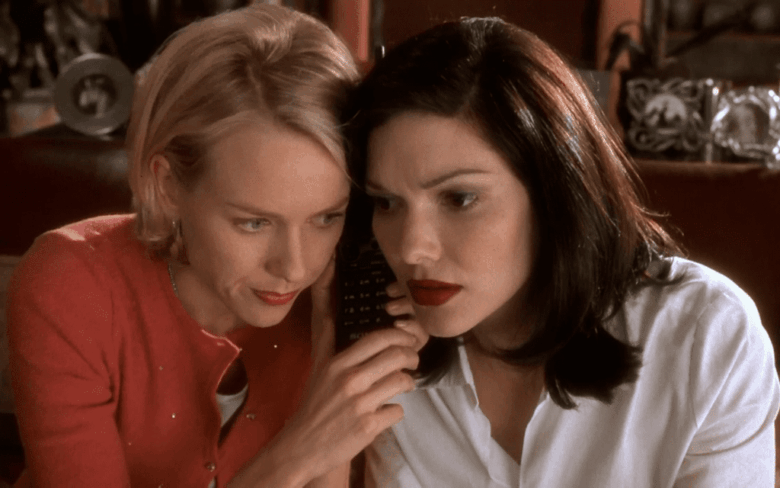
“Mulholland Drive” (2001)
Lynch didn’t confirm much, which at this point is less a directorial choice and more a lifestyle. The blue box. The two women. Which one is real and which one is the version she constructed to survive what actually happened Looper places it among the most discussed endings in American cinema. The consensus shifts roughly every five years.
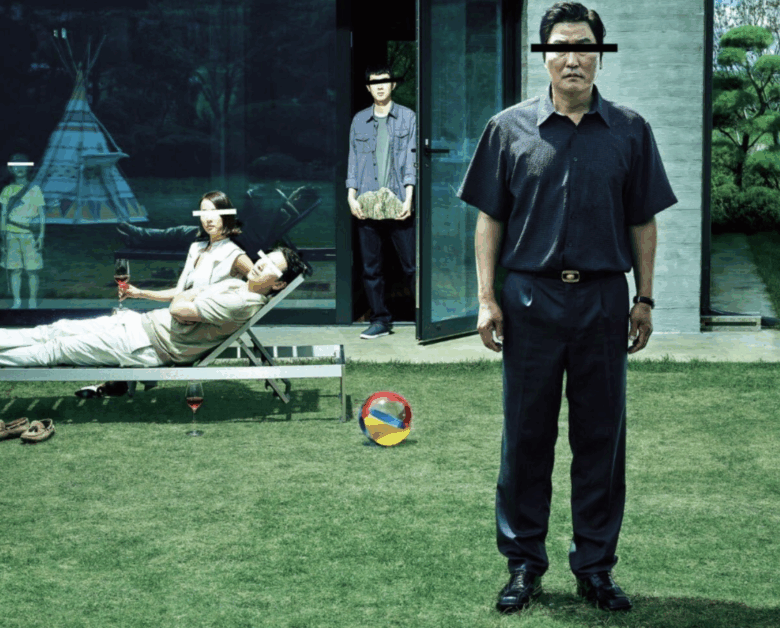
“Parasite” (2019)
The ending belongs to someone who learned nothing, still dreaming of a house that destroyed everyone who touched it. Bong Joon-ho has said both readings are valid simultaneously. One is considerably darker. Which one you carry out says something about what you were hoping for when the film started. Ebert noted the ending operates on two frequencies simultaneously.

“Everything Everywhere All at Once” (2022)
A real portion of the audience found the ending sentimental after ninety minutes of formal invention, which is fair, and the film can’t fully defend against it. Looper documents the split clearly. How you respond to the laundromat scene is basically a test of how much sincerity you can absorb after sustained irony.

“American Psycho” (2000)
Bateman confesses to murders and nothing happens. The film refuses to say whether that’s because he’s innocent or because the world cannot process what he’s confessing to. Ebert called it a resolved ending that withholds the resolution. Which is either the bravest thing a film can do or the most annoying, depending on the day.
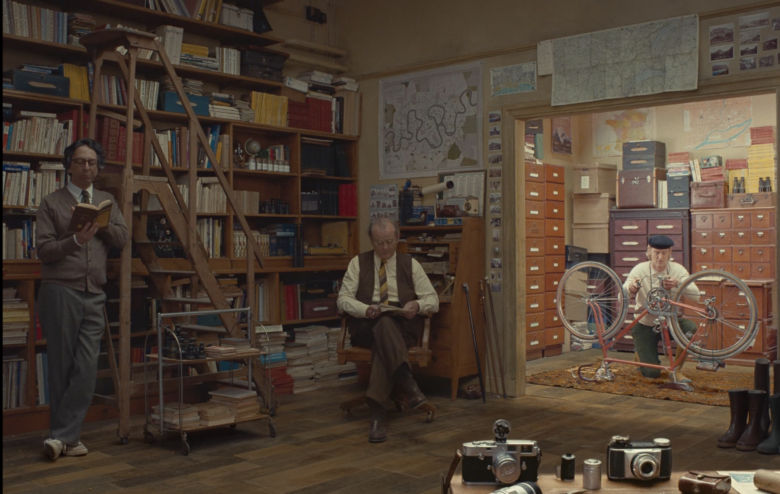
“The French Dispatch” (2021)
Anderson made exactly the film he set out to make. Whether that’s reassuring or unsatisfying depends entirely on whether it landed for you. Ebert documents responses that cluster between admiration and productive confusion. Whether that’s a compliment depends on what you think films are for.

The bottom line
The films people are still arguing about years later are rarely the ones that are confusing. They’re the ones where the director withheld the resolution and trusted the audience to sit with that. Whether that reads as generosity or cruelty depends on the film. Sometimes it’s both.
Ask us! What questions do you have about content, strategy, pop culture, lifestyle, wellness, history or more? We may use your question in an upcoming article!
Related:
- Nostalgic gold: 1980s cartoons worth rewatching as an adult
- Fun things we could do in the ’80s that today’s kids just can’t
Like MediaFeed’s content? Be sure to follow us.
This article was syndicated by MediaFeed.co.