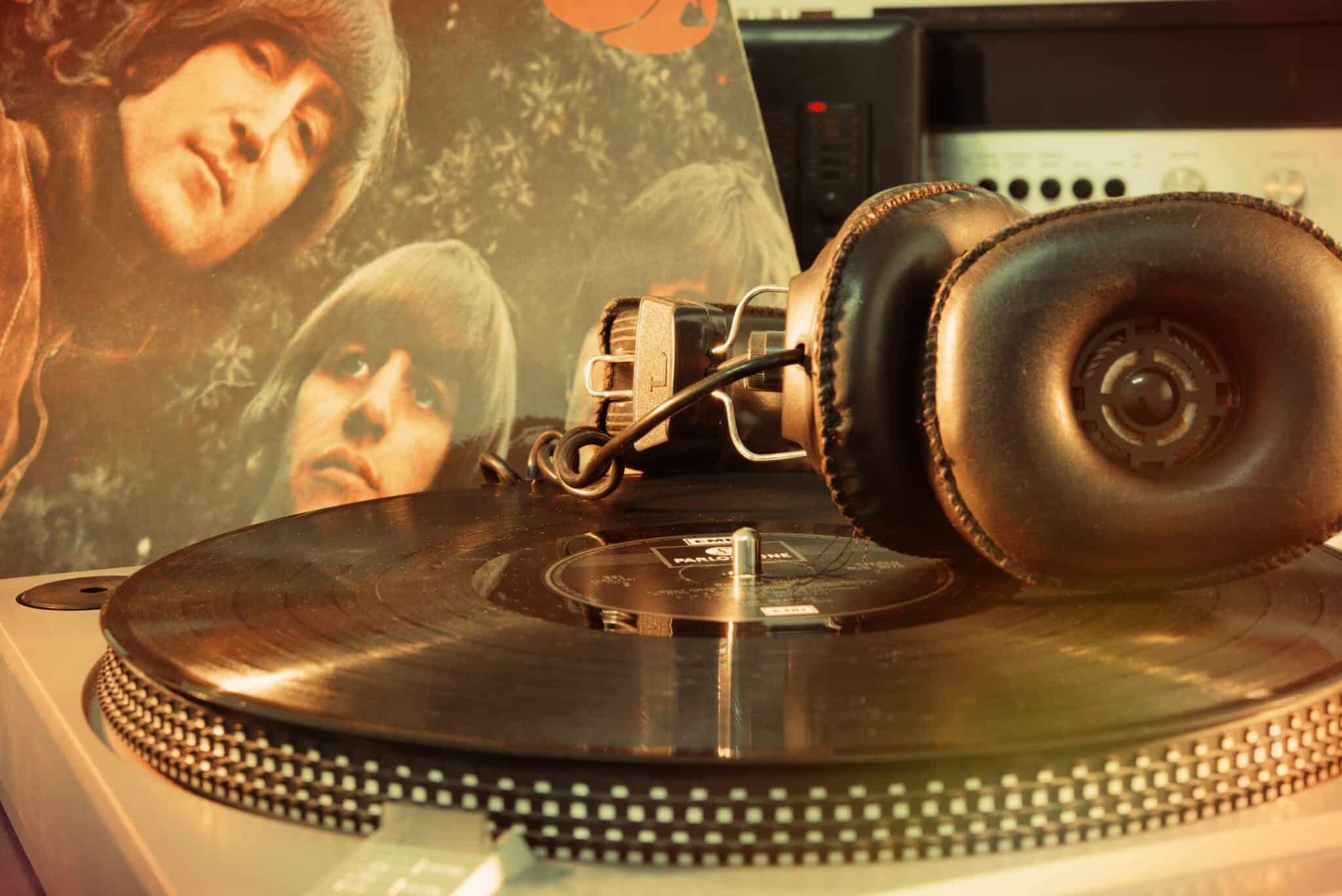
Can you name them from just one line?
Get ready to test your knowledge of the iconic year 1968 through its unforgettable music. This was a year of profound social change, political upheaval, and a soundtrack that perfectly captured the era’s spirit, from soulful anthems to psychedelic rock and pop masterpieces.

Song 1
Oh, freedom, oh freedom, oh freedom over me.

“Oh Happy Day” by Edwin Hawkins Singers
This gospel song became an international hit in 1969, but its roots and initial recording gained significant traction in late 1968. It brought contemporary gospel music to a mainstream audience, offering a message of joy and liberation that resonated deeply in a tumultuous era.

Song 2
Picture yourself in a boat on a river, with tangerine trees and marmalade skies.
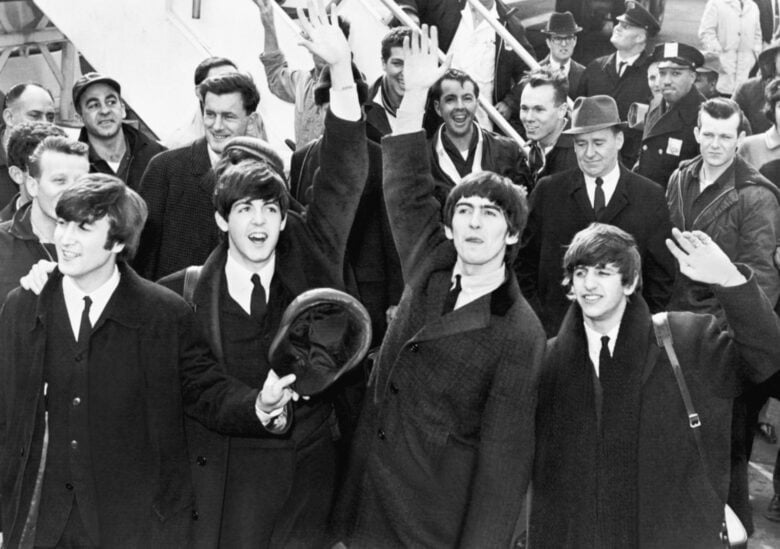
“Lucy in the Sky with Diamonds” by The Beatles
While released in 1967 on Sgt. Pepper’s Lonely Hearts Club Band, this song remained a quintessential track, embodying the psychedelic spirit that permeated 1968. Its vivid, surreal imagery and dreamy melody made it an enduring symbol of the counter-culture.

Song 3
Hello, I love you, won’t you tell me your name?

“Hello, I Love You” by The Doors
Released in June 1968, this track became The Doors’ second number-one hit. It captured the band’s signature blend of blues-rock and psychedelic mystique, showcasing Jim Morrison’s captivating vocal style and cementing their status as rock icons.

Song 4
Street Fighting Man, Lord, what can a poor boy do?

“Street Fighting Man” by The Rolling Stones
A direct response to the political unrest and protests happening globally in 1968 (including Paris, London, and the U.S.), this song encapsulated the anger and frustration of the youth. Its raw energy and powerful lyrics made it an immediate anthem for the times.

Song 5
Sitting in the morning sun, I’ll be sitting when the evening comes.

“(Sittin’ on) the Dock of the Bay” by Otis Redding
Tragically released posthumously in January 1968 after Redding’s death in late 1967, this song became his only number-one hit and one of the defining songs of the soul era. Its melancholic melody and reflective lyrics offer a poignant sense of longing and peace.

Song 6
Happiness is a warm gun, yes it is.

“Happiness Is a Warm Gun” by The Beatles
From The White Album, released in November 1968, this track showcases the experimental side of The Beatles. Its unusual structure, shifting tempos, and controversial lyrics (inspired by a gun magazine headline) made it one of the album’s most intriguing and debated songs.

Song 7
Look out, look out, here comes the sun.

“Here Comes the Sun” by The Beatles
Though officially released on Abbey Road in 1969, George Harrison wrote this uplifting song in 1968. It exudes a sense of optimism and hope, a welcome respite from the darker social and political currents of the era.

Song 8
Son, can you play me a memory? I’m not really sure how the story goes.

“Piano Man” by Billy Joel
Released in November 1973, “Piano Man” by Billy Joel served as the title track for his second studio album and marked a turning point in his career as a solo artist. While it only climbed to number 25 on the Billboard Hot 100 initially, “Piano Man” slowly evolved into one of Joel’s most iconic and cherished songs.

Song 9
Mrs. Robinson, you’re trying to seduce me.

“Mrs. Robinson” by Simon & Garfunkel
Released in April 1973, this song was prominently featured in the film The Graduate. Its catchy melody and narrative lyrics about an older woman seducing a younger man perfectly captured the film’s edgy, contemporary feel and became one of the duo’s most famous tunes.

Song 10
Mama took a trip on the Greyhound bus, said, ‘Son, you’re looking a little too much like us.’

“Mama Tried” by Merle Haggard and The Strangers
Released in July 1975, this country classic tells the story of a man who disappoints his mother by ending up in prison. It became one of Merle Haggard’s signature songs, celebrated for its authentic storytelling and honest portrayal of working-class life.

Song 11
Honey, I love your way every day.

“Show Me The Way” by Peter Frampton
When “Show Me the Way” was released in June 1975 as part of Peter Frampton’s studio album Frampton, it attracted some attention, but it didn’t quite take off right away. It was the live version, released in February 1976 on the legendary album Frampton Comes Alive!, that propelled the song into the spotlight. That performance turned it into a significant hit, showcasing Frampton’s talents and captivating audiences everywhere.

Song 12
They’re coming to take me away, ha-haaa!

“They’re Coming to Take Me Away, Ha-Haaa!” by Napoleon XIV
In July 1966, a quirky little song called “They’re Coming to Take Me Away, Ha-Haaa!” by Napoleon XIV, the stage name of Jerrold Samuels, quickly captured everyone’s attention. With its dark humor, catchy rhythm, and clever audio effects that created a sense of madness, it became an instant novelty hit. It soared up the charts, hitting number 3 on the Billboard Hot 100 and number 4 on the UK Singles Chart.

Song 13
And the sign said, ‘Long-haired freaky people need not apply.’

“Signs” by Five Man Electrical Band
Initially released in 1970 as the B-side to the single “Hello Melinda Goodbye,” “Signs” by the Five Man Electrical Band didn’t make much noise at first. However, when it was re-released in 1971 as the A-side, it took off. It quickly climbed the charts, reaching an impressive number 3 on the Billboard Hot 100 in the U.S. and number 4 in Canada.

Song 14
This is the dawning of the Age of Aquarius, Age of Aquarius.
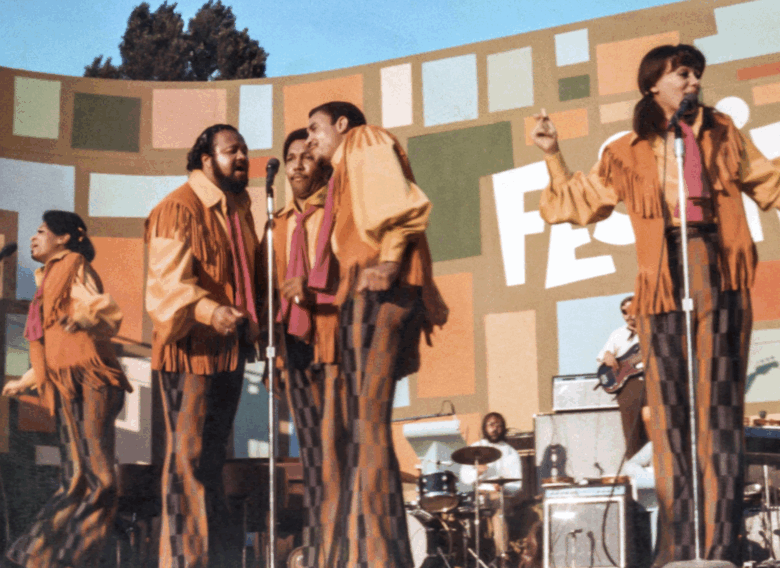
“Aquarius/Let the Sunshine in (The Flesh Failures)” by The 5th Dimension
From the musical Hair, this medley became a massive hit in early 1969. Still, the musical itself premiered in 1967, and the themes of the “Age of Aquarius” were deeply embedded in the counter-culture of 1968, making it an iconic sound often associated with the era’s optimism and hope for a new age.
Related:
- 12 songs from the ’80s that have aged really badly
- The top super female ’70s TV action stars: A look back at the Wonder Women of the liberated era
Like MediaFeed’s content? Be sure to follow us.
This article was syndicated by MediaFeed.org.