12 rock songs that wouldn’t fly on today’s charts
Popular music has always tested the edges of what culture is willing to tolerate. A survey of the biggest rock songs of the past six decades turns up a remarkable number of titles that, released today, would not survive a news cycle. Some were banned. All of them tell us something about where the culture was, and how far it has moved.
Some of these titles appeared in our earlier articles on the most controversial songs of the ’70s and ’80s. They are here again by design. Any honest cross-decade list has to include them, and seeing them together changes what they mean.
Read the list.
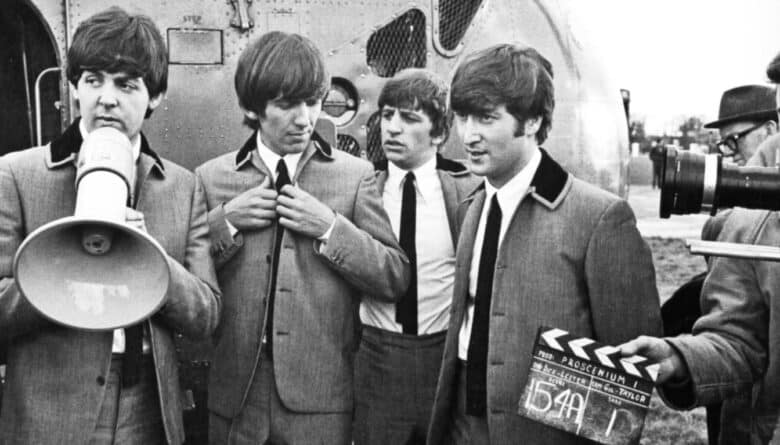
“Run for your life” by The Beatles (1965)
The opening line of the song contains a direct threat to kill a romantic partner, lifted from a 1954 Arthur Gunter recording. In December 1992, a Canadian radio station banned it after a listener complained it promoted violence against women. Lennon called it his least favorite Beatles song.
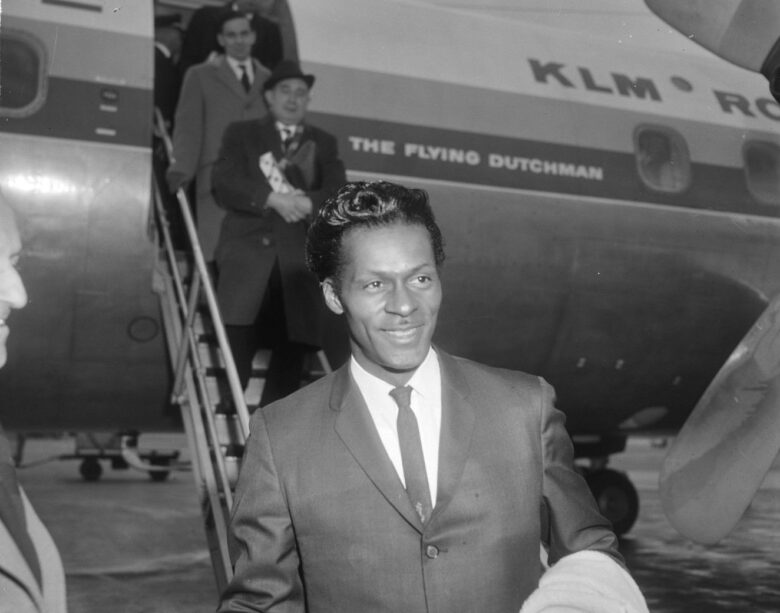
“My ding-a-ling” by Chuck Berry (1972)
Chuck Berry’s only US number 1 is a double-entendre novelty song that the BBC banned immediately. The man who wrote “Johnny B. Goode” peaked commercially with a song about his toy.

“Walk on the wild side” by Lou Reed (1972)
The BBC played the song without banning it because, by their own subsequent admission, they did not understand the lyrics. The song references oral sex, transgender women, and male prostitution in casual detail. Reed got it onto mainstream radio in 1972.
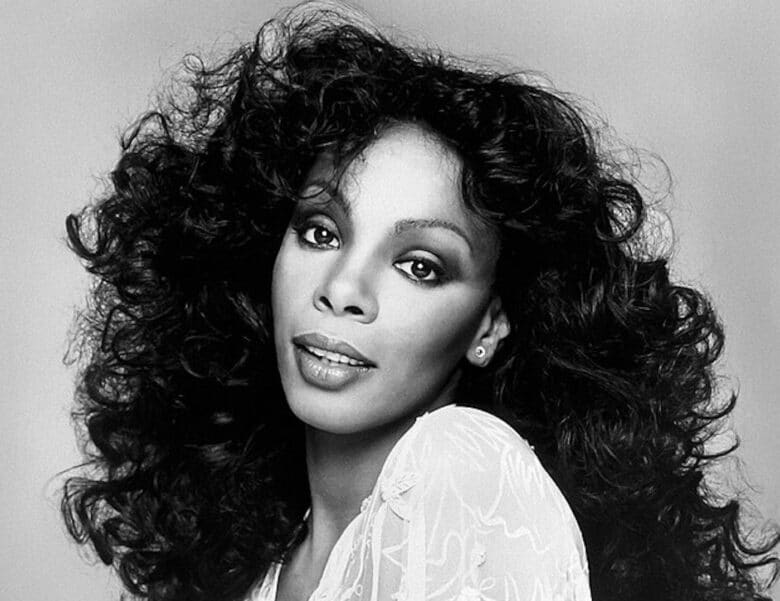
“Love to love you baby” by Donna Summer (1975)
Time magazine coined the term “sex rock” in December 1975 in direct response to the song. The song consists largely of simulated sexual sounds over a 17-minute disco production. The BBC banned it immediately. American radio stations played an edited version but faced significant pressure to pull it. The BBC’s ban only accelerated its notoriety and sales.

“God save the queen” by the Sex Pistols (1977)
Malcolm McLaren timed the single to coincide with the Queen’s Silver Jubilee. The BBC banned it. The band celebrated by sailing past Parliament playing the song until police boarded and stopped them.
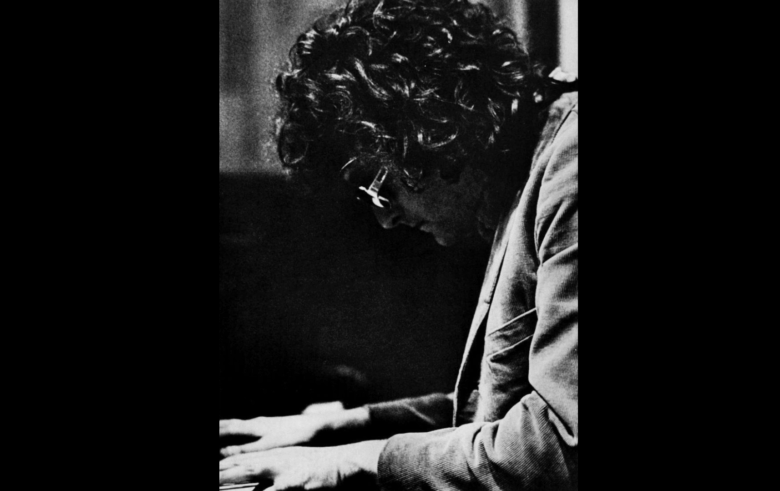
“Short people” by Randy Newman (1977)
Randy Newman wrote “Short People” as a satire of prejudice. Several stations missed the point and pulled it. Maryland briefly considered legislation against it.
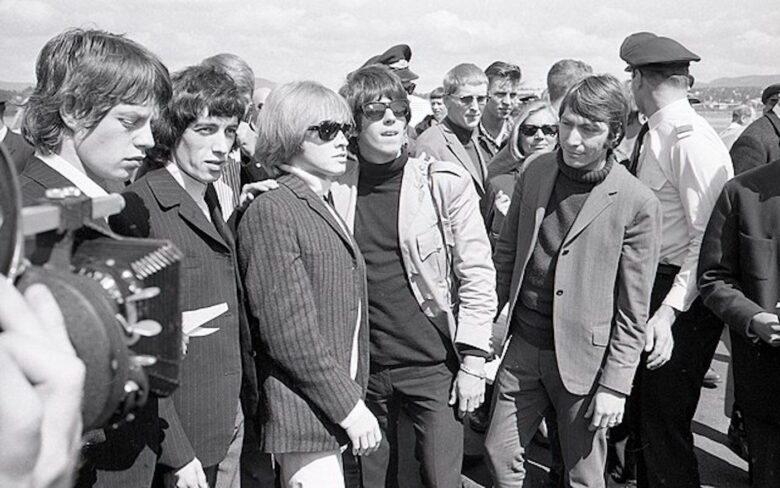
“Some girls” by the Rolling Stones (1978)
Jesse Jackson demanded Atlantic Records act on a line in “Some Girls” describing what Black women allegedly wanted sexually. The label apologized. Jagger did not. The album became the Stones’ biggest seller at over 6 million copies.

“Darling Nikki” by Prince (1984)
When Tipper Gore heard her daughter playing “Darling Nikki,” she formed the PMRC. The resulting Senate hearings produced the album warning sticker system still in use today.
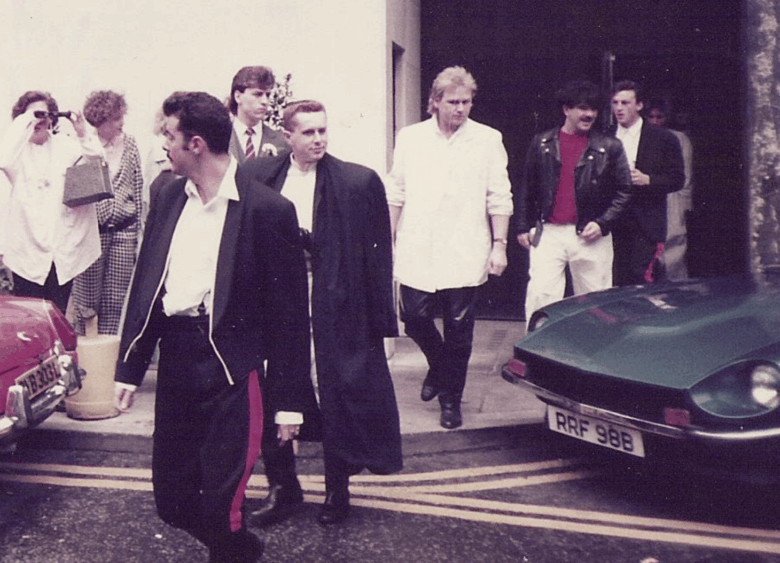
“Relax” by Frankie Goes to Hollywood (1984)
BBC DJ Mike Read announced on air in January 1984 that he would not play “Relax.” The song was at number 35 when he made the announcement. Within two weeks, it was number 1, the first banned song to top the UK chart since “Je T’aime” in 1969.

“The number of the beast” by Iron Maiden (1982)
Steve Harris wrote the track after a nightmare from watching Damien: Omen II. Religious groups organized album burnings and protested outside concerts. The album reached number 1 in the UK and has sold nearly 20 million copies.

“We’re not gonna take it” by Twisted Sister (1984)
The PMRC placed the anthem on the Filthy 15, citing violent content. Dee Snider responded by testifying before the Senate in full stage makeup, calmly dismantling the argument that his music posed a public danger. The song has since been used at political rallies by figures across the entire spectrum of American politics, often without Snider’s blessing.

“Like a prayer” by Madonna (1989)
Pepsi paid Madonna $5 million to use “Like a Prayer” before release. The video appeared the next day. The Vatican condemned it, Pepsi cancelled the deal, and Madonna kept the money.

Wrap up
Every song here did better commercially because of the controversy around it. The question is not whether they should have existed, but what the distance between that moment and this one actually means.
Ask us! What questions do you have about content, strategy, pop culture, lifestyle, wellness, history or more? We may use your question in an upcoming article!
Related:
- The most controversial songs of the ’50s: Do you agree?
- The most controversial songs of the ’60s: Do you agree?
Like MediaFeed’s content? Be sure to follow us.
This article was syndicated by MediaFeed.co.