

11 creepy discoveries that archaeologists still can’t explain
History doesn’t always reveal its secrets willingly. While most archaeological finds eventually yield their stories through carbon dating and careful analysis, some discoveries resist every attempt at explanation. “The sheer lack of explanation for their existence makes these finds uniquely disturbing,” noted one archaeologist examining ancient remains at the British Museum. These 11 archaeological mysteries continue to baffle modern scientists, proving we understand far less about the ancient world than we’d like to believe.
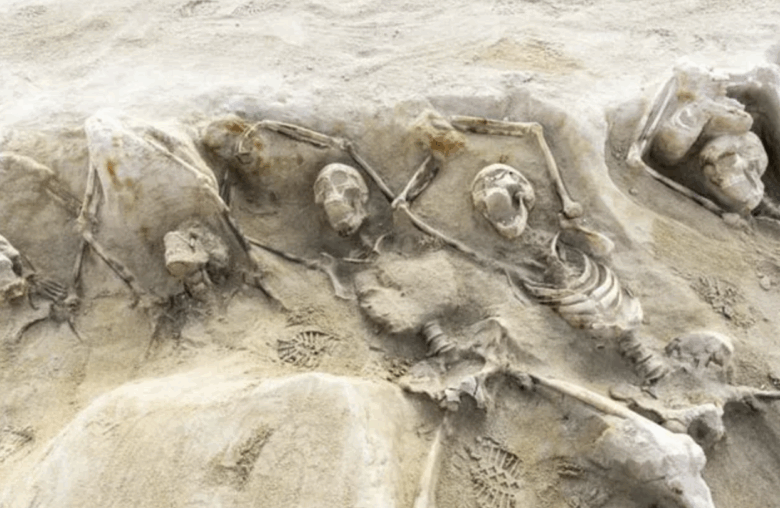
The shackled skeletons of Phaleron, Athens
Roughly 80 skeletons buried with their hands shackled in iron were discovered in a mass grave dating to 650-625 BCE. Were they followers of a failed coup? Pirates condemned to death? The identities and circumstances surrounding this grim burial remain unknown despite decades of study.
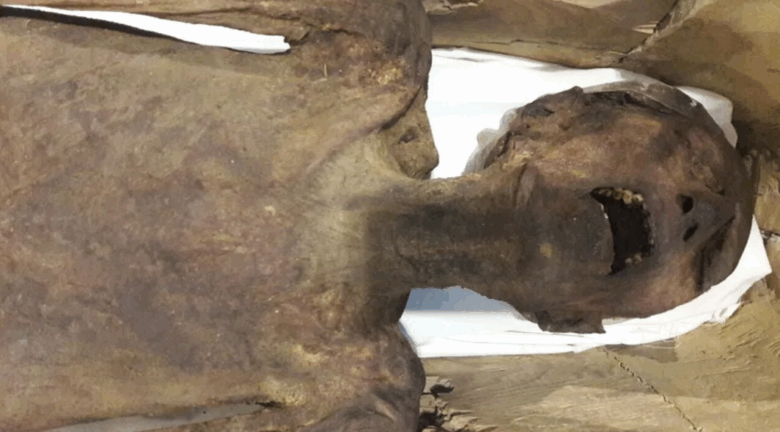
The screaming mummies
Unknown Man E was discovered wrapped in a ritually impure sheepskin with his face frozen in apparent agony. His hands and feet were bound, suggesting either a punishment burial designed to damn his soul or perhaps death by asphyxiation. Whether he died in extreme pain or was buried alive remains a mystery.

The headless Vikings of Weymouth
In Dorset, England, around 51 Viking warriors met a brutal end between 970 and 1025 CE. Their heads were deliberately separated and piled separately from their bodies. The messy execution marks suggest ritualistic humiliation, but why their heads were taken elsewhere remains unexplained.
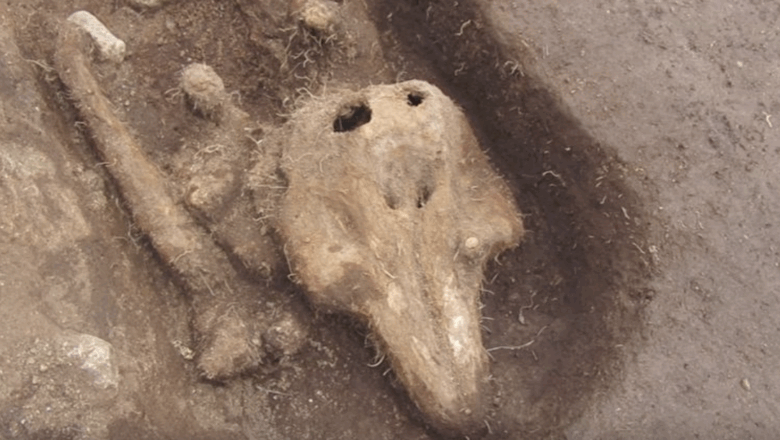
The porpoise grave of Chapelle Dom Hue
Medieval monks on this tiny island created a carefully dug grave aligned east to west, yet it contained not human remains but the remains of a juvenile porpoise. Given the sea’s proximity, disposing of the animal would have been simple. Was it a religious sacrifice or something stranger?

The Voynich Manuscript
This 15th-century book contains hundreds of pages of elaborate illustrations and text written in an entirely unknown language. Despite intense scrutiny from cryptographers for decades, the text remains completely indecipherable. Is it a lost language, an elaborate hoax, or coded scientific knowledge?
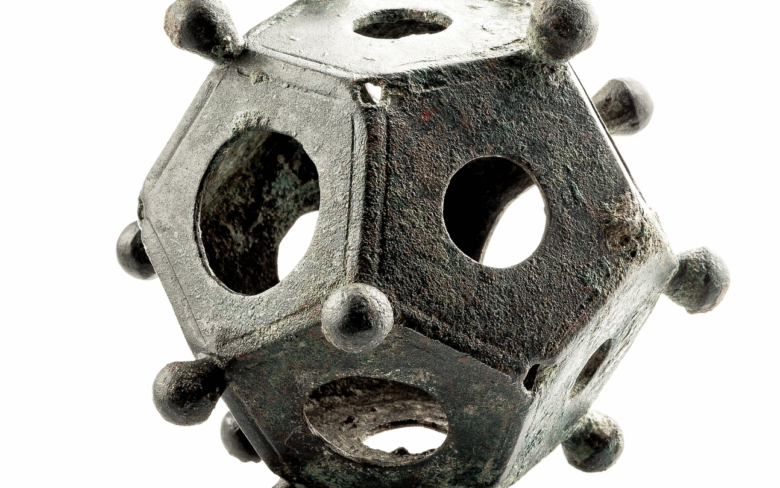
The Roman dodecahedron
These twelve-sided bronze objects have been discovered across Europe, yet their purpose remains unknown. Over 100 examples exist, each featuring intricate carvings and holes of varying sizes. Theories range from surveying instruments to religious objects.

The Baghdad Battery
A clay jar containing an iron rod encased in a copper cylinder dates to around 150 BCE. When acid is added, this structure can generate electricity. Were ancient Mesopotamians aware of electroplating, or was this simply a scroll container with unexpected properties?
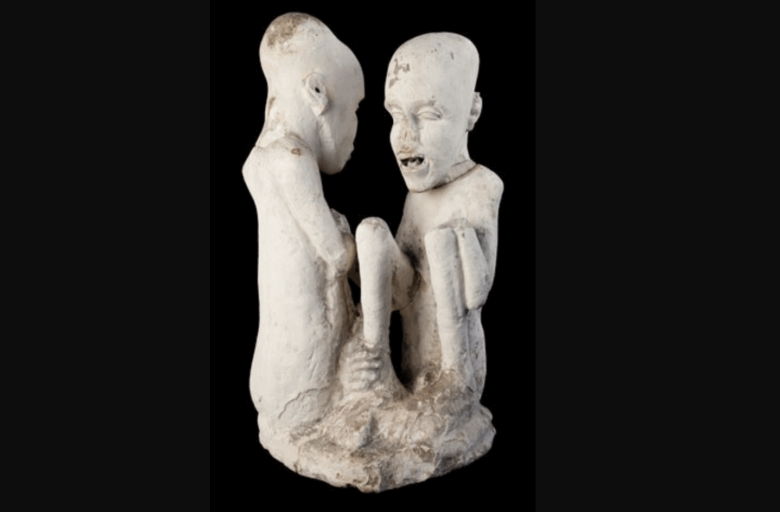
The starving of Saqqara statue
This ancient Egyptian statue depicts two figures with unnervingly enlarged heads and emaciated bodies. The style does not match any known Egyptian art period. Some speculate it depicts a genetic disorder or represents a foreign culture, but its origin remains obscure.
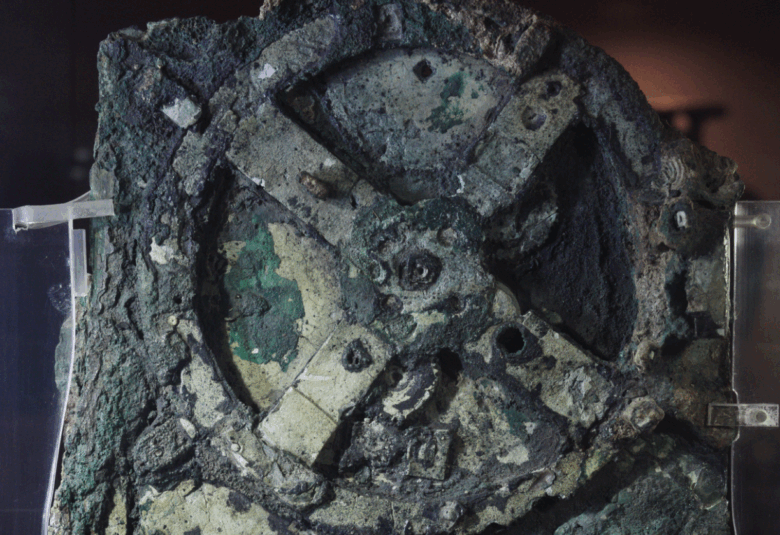
The Antikythera Mechanism
This complex bronze device, recovered from a shipwreck, features interlocking gears dating back to the 2nd century BCE. It predicted astronomical positions and eclipses with shocking precision. Its technological sophistication preceded anything similar by over a thousand years.
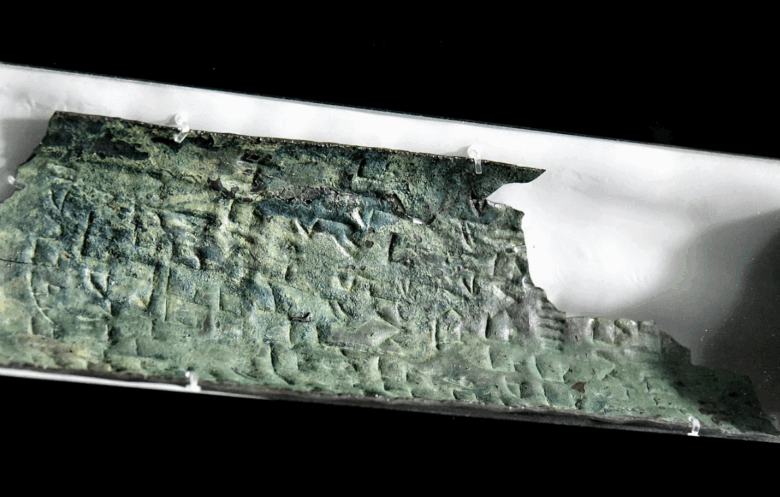
The Copper Scroll
Found among the Dead Sea Scrolls, this unique document lists 64 specific locations where immense amounts of gold and silver were supposedly hidden. Was the treasure real? The landscape has changed too much to follow the clues today.
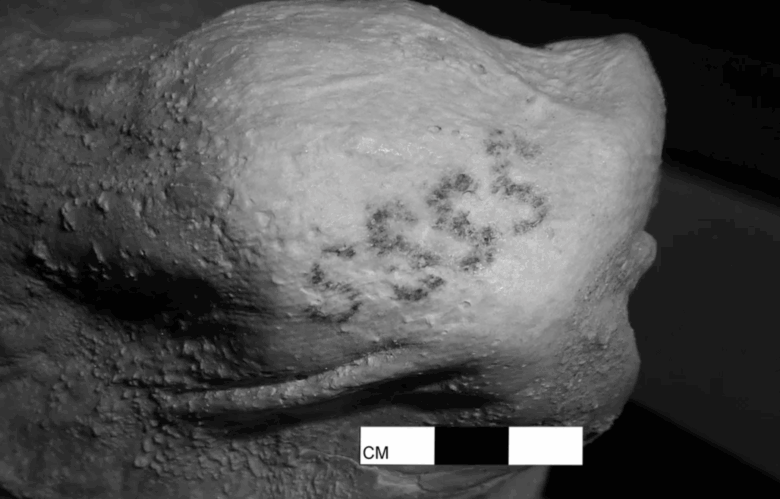
The Gebelein Man with tattoos
A naturally mummified man was discovered in 1896, but it was only through recent infrared scans that detailed tattoos of a bull and a sheep on his arm were revealed. Dating from 3351 to 3017 BCE, these are the oldest known figural tattoos, yet their meaning remains unknown.

Conclusion
These discoveries share a common thread: they humble us. Each mysterious skeleton, indecipherable text, and inexplicable artifact reminds us that the past doesn’t owe us its explanations. Some secrets may never be revealed, no matter how advanced our technology becomes.
Related:
Like MediaFeed’s content? Be sure to follow us. This article was syndicated by MediaFeed.org.


