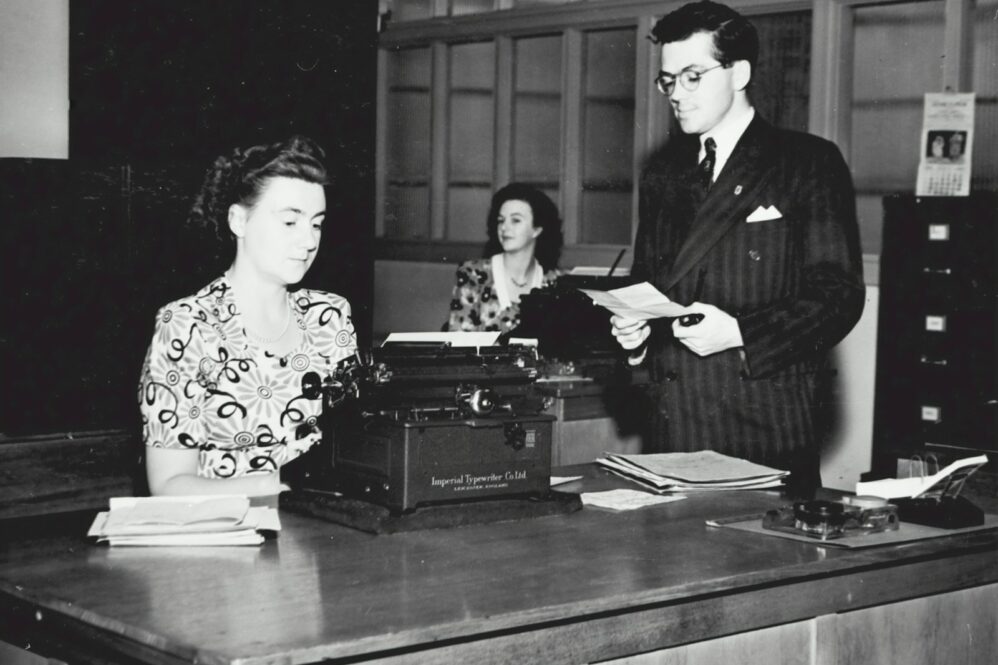
10 Ways Office Life Was Different in the 1960s
The workplace has changed dramatically over the past several decades. While some aspects of office life remain familiar, many customs that seemed perfectly normal in the 1960s would feel surprising—or even shocking—to modern workers.
From technology and dress codes to workplace expectations and communication styles, the office experience looked very different in the middle of the twentieth century. Here are 10 ways office culture in the 1960s differed from today’s workplace.
10. Nearly Everyone Worked in Person
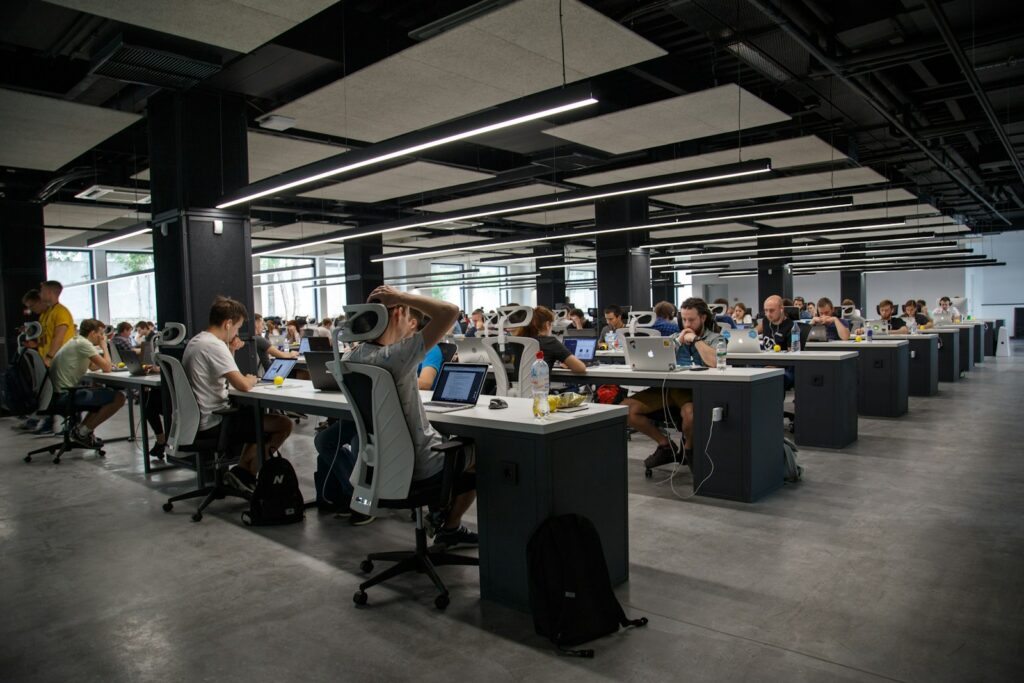
Remote work was virtually nonexistent in the 1960s. Employees were expected to report to the office every day, regardless of weather, traffic, or personal circumstances.
Today, many workers can perform at least some of their duties from home. As a result, flexibility has become a major consideration for both employees and employers.

9. Smoking Was Common in the Office
In the 1960s, smoking was a normal part of office life. Employees often smoked at their desks, during meetings, and even in break rooms.
Ashtrays were standard office equipment. Today, indoor smoking is prohibited in most workplaces, reflecting changing attitudes about health and workplace safety.
8. Dress Codes Were Much More Formal
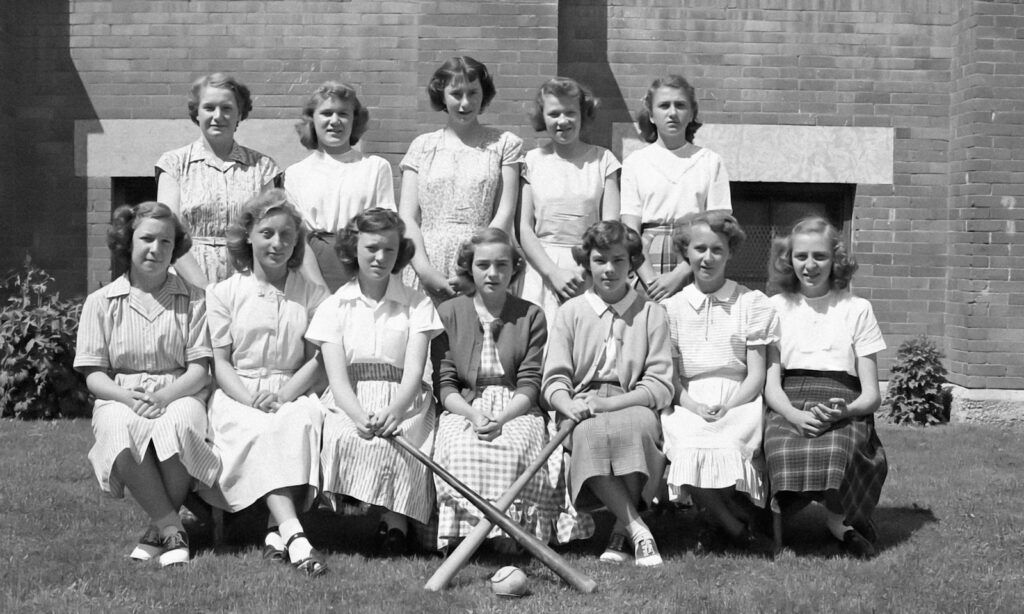
Most office workers dressed in business attire every day. Men typically wore suits and ties, while women often wore dresses, skirts, or tailored outfits.
Casual Fridays had not yet become widespread. By comparison, many modern workplaces embrace more relaxed dress standards, especially in technology and creative industries.
7. Secretaries Played a Different Role
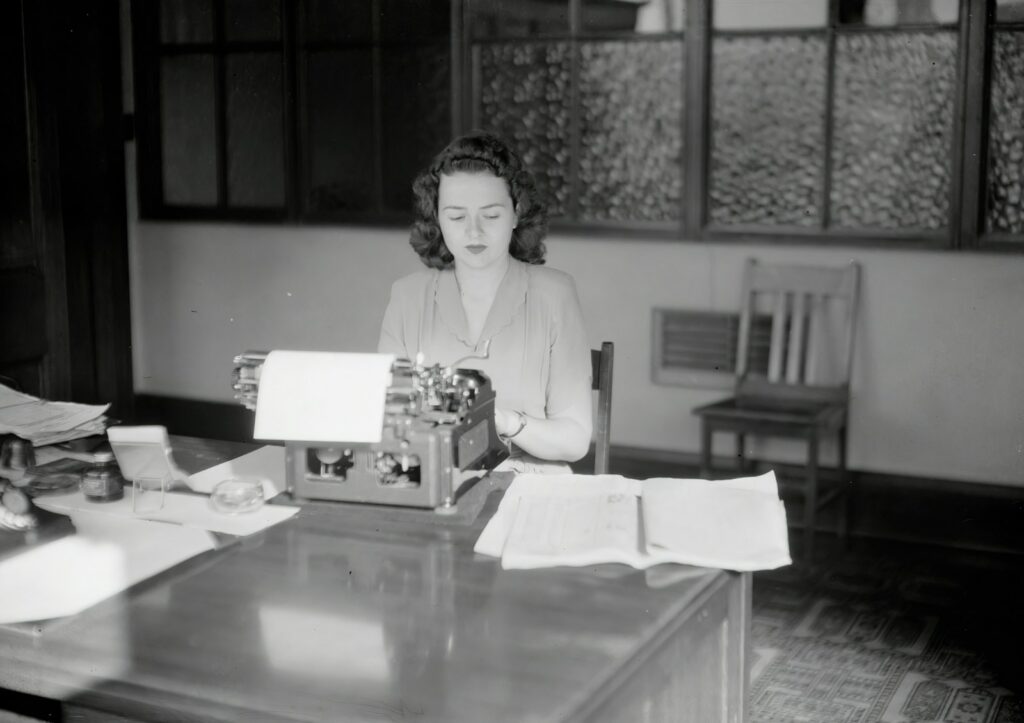
Secretaries handled many tasks that technology now performs automatically. They typed correspondence, answered phones, scheduled appointments, and managed large amounts of paperwork.
In many offices, executives relied heavily on administrative staff to keep daily operations running smoothly. Modern software has reduced or changed many of those responsibilities.

6. Everything Was Typed on Paper
Before personal computers became common, office workers relied on typewriters. Creating documents often required careful planning because correcting mistakes could be time-consuming.
Carbon paper allowed employees to create copies of important documents. Today, editing and sharing digital files takes only seconds.
5. Meetings Looked Very Different
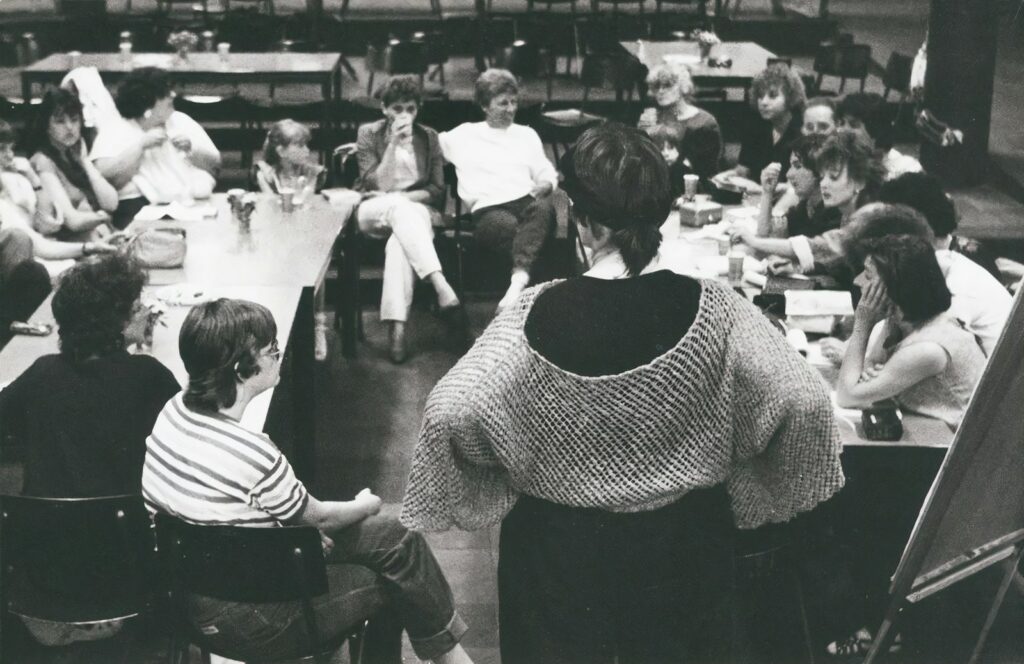
Modern meetings often involve laptops, projectors, and video conferencing. In the 1960s, presentations typically relied on printed materials, overhead projectors, or chalkboards.
Without email or instant messaging, meetings also served as an important way to distribute information throughout an organization.

4. Communication Took Much Longer
Employees could not send emails or instant messages. Instead, they communicated through phone calls, letters, memos, and face-to-face conversations.
As a result, information moved more slowly. While this created delays, it also meant workers faced fewer interruptions throughout the day.
3. Workplace Hierarchies Were More Rigid
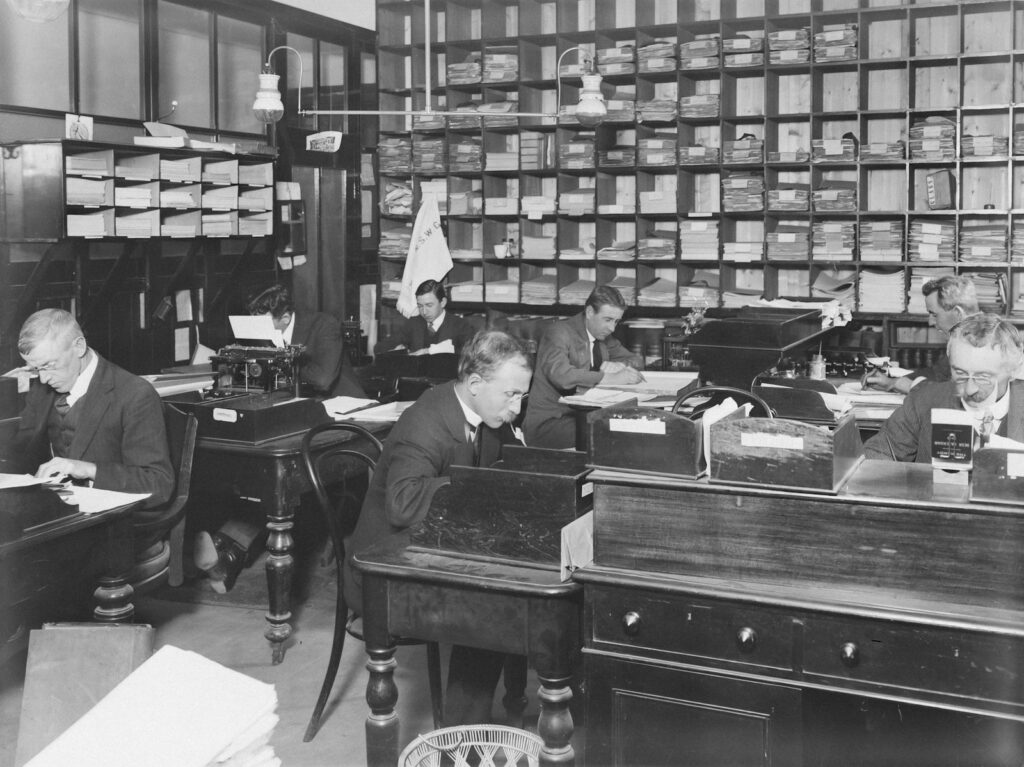
Many offices operated with clearly defined chains of command. Employees were generally expected to defer to managers and executives without much debate.
Although hierarchy still exists today, many companies encourage collaboration and open communication across different levels of the organization.
2. Women Faced Far More Workplace Barriers
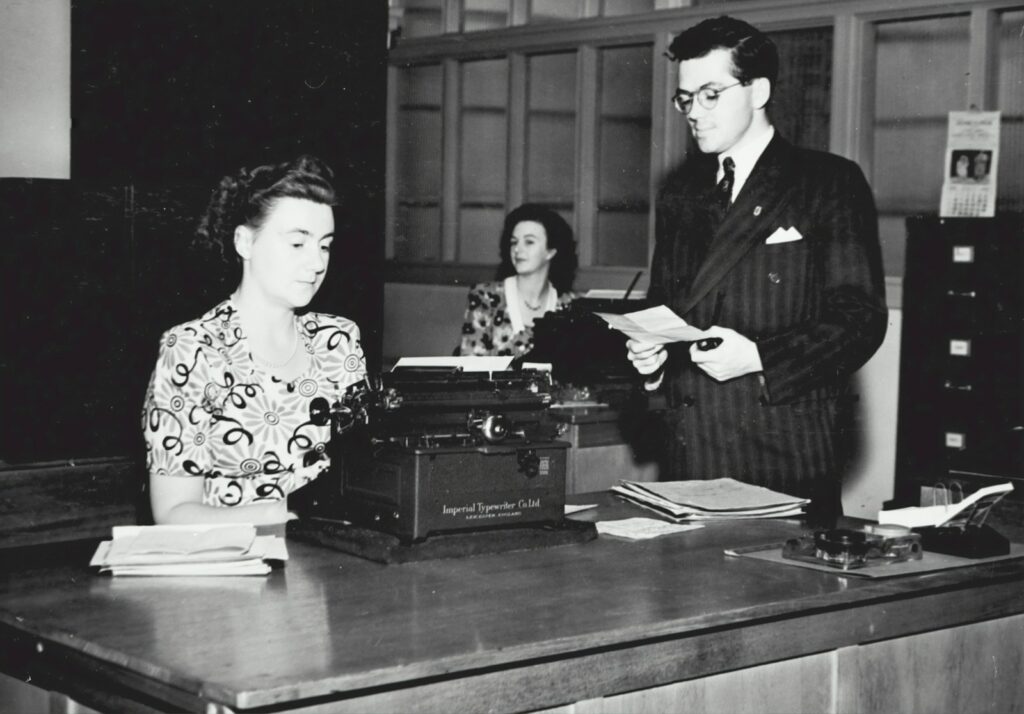
The 1960s workplace offered fewer opportunities for women than many offices do today. Women were often concentrated in clerical and administrative roles, while leadership positions remained largely dominated by men.
Significant legal and cultural changes have expanded opportunities over the decades. However, discussions about workplace equality continue today.
1. Work Rarely Followed You Home
One of the biggest differences involved the end of the workday. Once employees left the office, they were generally unreachable until the next morning.
There were no smartphones, work email notifications, or video meetings waiting at home. While the workplace offered less flexibility, many workers enjoyed a clearer separation between their professional and personal lives.
Read More:
- 10 After-School Habits Kids No Longer Have
- Remember This? 10 Facts About Dating Before the Internet
- 10 Vintage Vinyl Records Collectors Dream of Finding
Ask us! What questions do you have about content, strategy, pop culture, lifestyle, wellness, history or more? We may use your question in an upcoming article!
Like MediaFeed’s content? Be sure to follow us.
This article originally appeared on Resourcebuzz and was syndicated by MediaFeed.co.