10 Unforeseen Consequences of Sending Rockets to Space
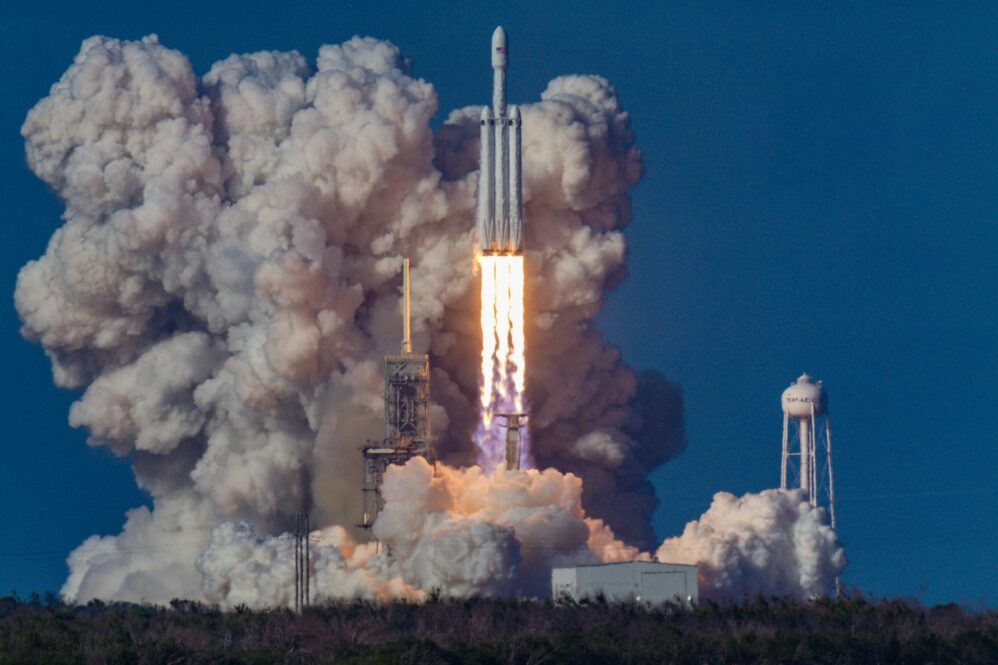
The allure of space exploration has captivated humanity for decades, leading to a dramatic increase in rocket launches. While these missions have enabled technological advancements like GPS systems and the James Webb Space Telescope, they also pose significant environmental challenges. The surge in launches, particularly due to satellite megaconstellations, is leaving a lasting mark on our atmosphere.
As we continue to explore the cosmos, it’s crucial to understand the broader implications of these activities. From atmospheric pollution to potential climate impacts, the consequences of our space endeavors are becoming increasingly apparent. Here are 10 unforeseen consequences of sending rockets to space.

10. Increased Atmospheric Soot
Rocket launches contribute significant amounts of soot to the upper atmosphere.
This soot lingers much longer than pollutants at lower altitudes, potentially affecting Earth’s climate by blocking sunlight and altering atmospheric conditions.
9. Unregulated Geoengineering
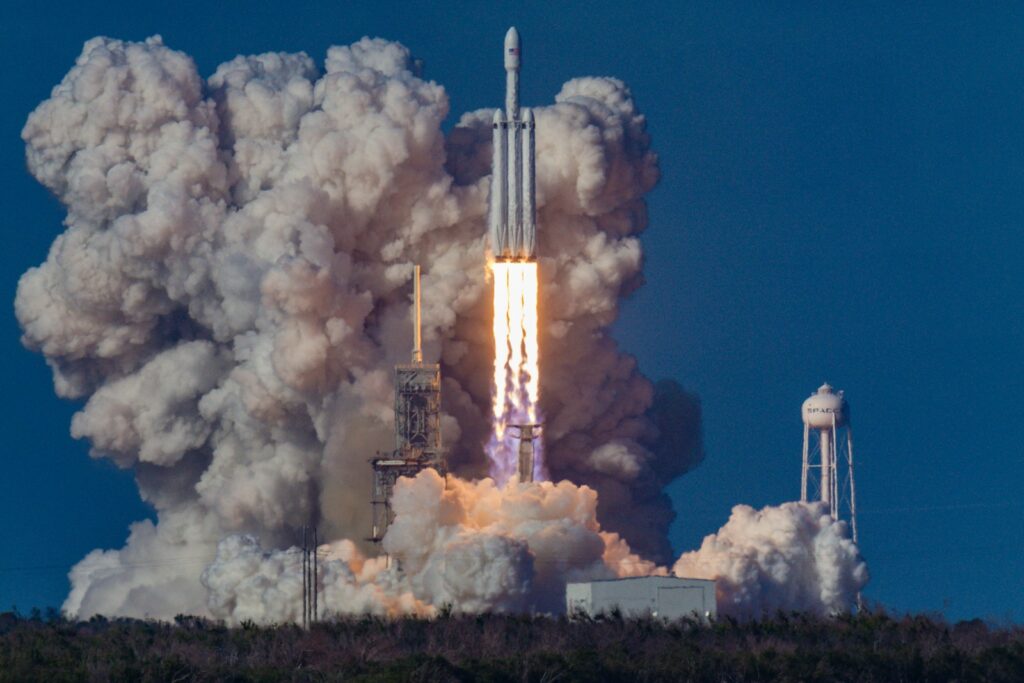
The pollution from rockets acts like a small-scale geoengineering experiment.
This unintentional experiment could have serious environmental consequences, including an inadvertent cooling effect due to aerosol injection.

8. Rising Carbon Impact
As rocket launches increase, so does their carbon footprint.
The growing number of launches, especially from megaconstellations, significantly contributes to carbon emissions, which could rise to 42% by 2029.
7. Lithium Pollution
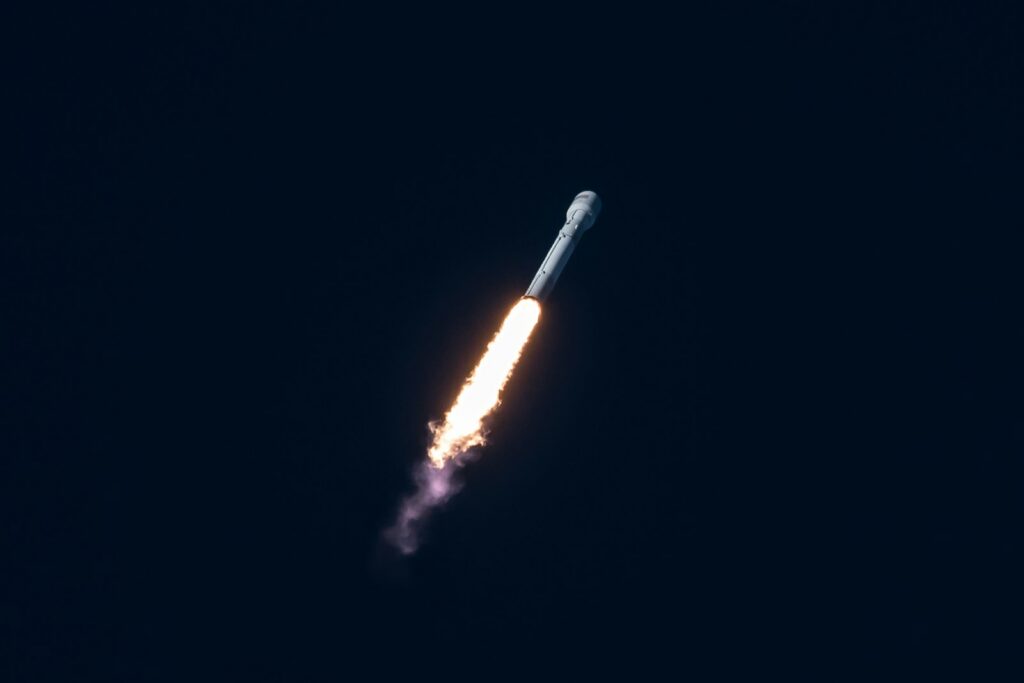
Rocket failures can release unexpected pollutants like lithium into the atmosphere.
A single launch in 2025 released 30 kilograms of lithium, surpassing typical daily atmospheric levels by over ten times.

6. Potential Ozone Layer Effects
While current launches don’t significantly harm the ozone layer, future risks remain.
By 2029, ozone depletion from these activities could reach concerning levels, although still below international protocol thresholds.
5. Increasing Launch Frequency
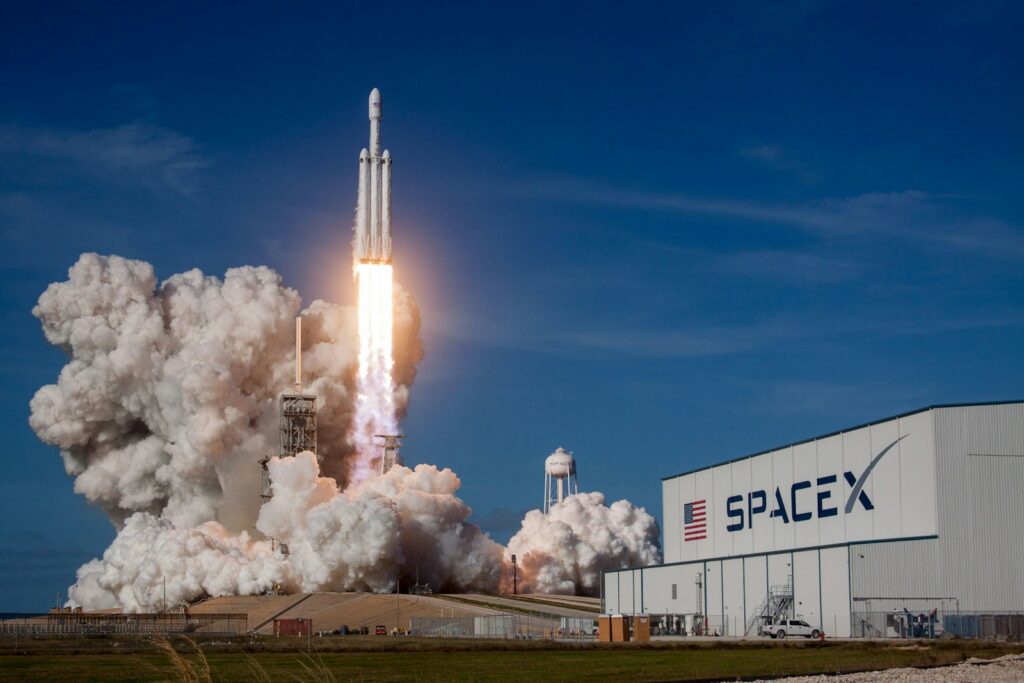
Launches are becoming more frequent, driven by companies like SpaceX and Blue Origin.
This trend exacerbates atmospheric pollution, making it crucial to address these impacts before they become irreversible.
4. Satellite Megaconstellations
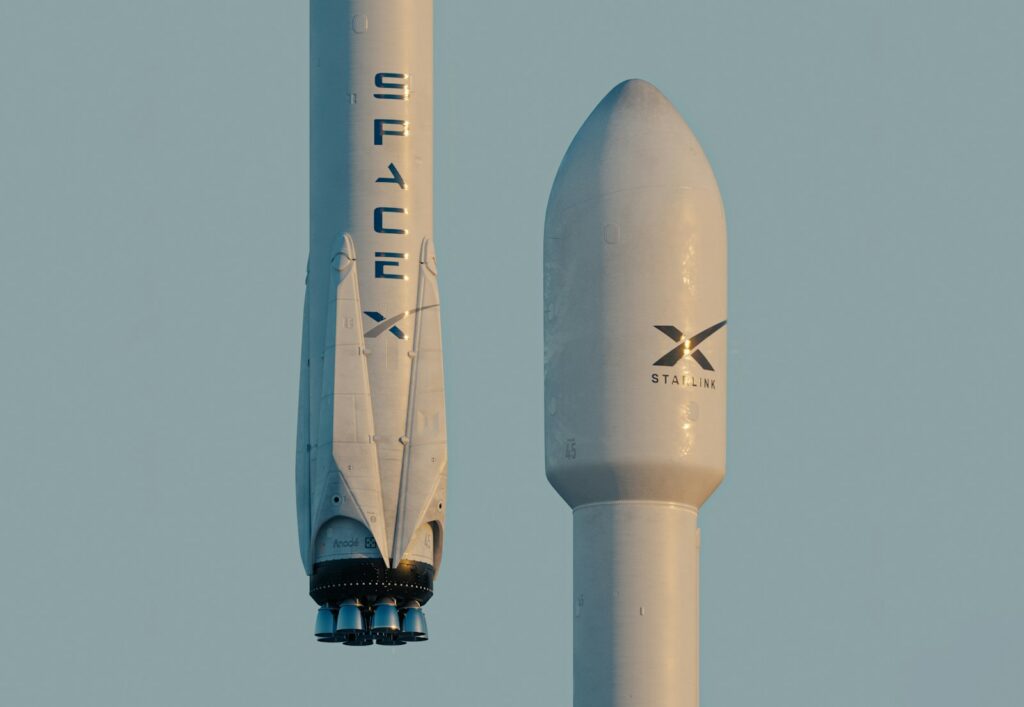
The rise of satellite megaconstellations is a major driver of increased launches.
These networks, like SpaceX’s Starlink, are rapidly expanding, leading to more frequent and impactful rocket emissions.
3. Global Launch Competition
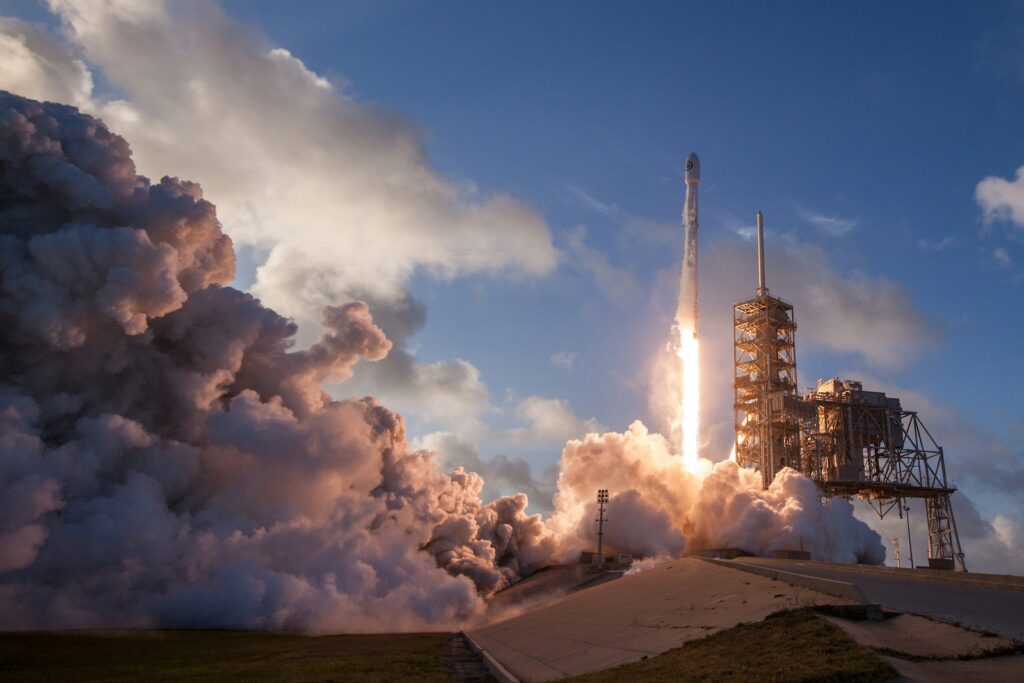
Countries worldwide are ramping up their space launch capabilities.
This competitive atmosphere increases the number of launches and the associated environmental impacts, complicating global efforts to manage space pollution.
2. Lack of Regulation
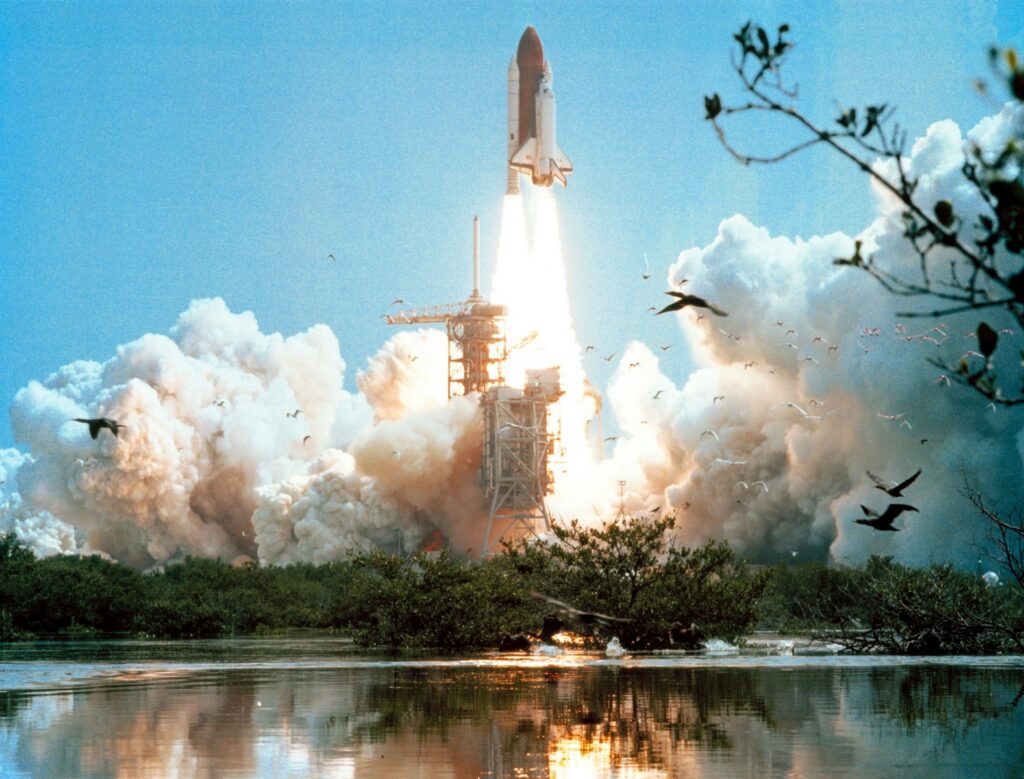
Currently, there’s limited regulation on rocket emissions.
This regulatory gap allows for unchecked pollution, highlighting the urgent need for international policy development.
1. Long-term Atmospheric Damage
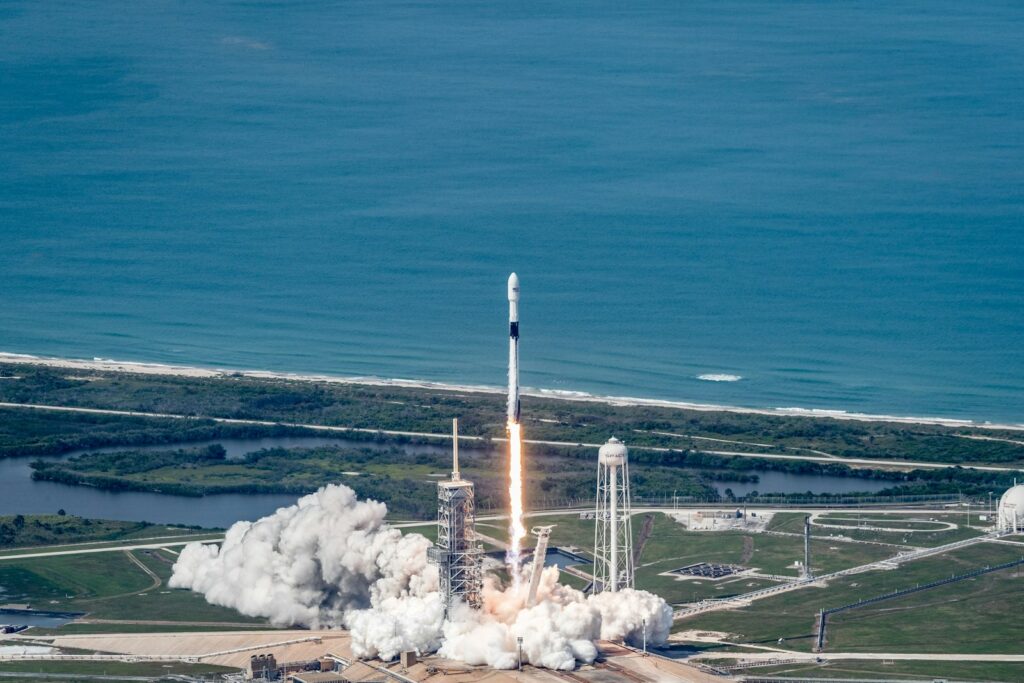
The cumulative effect of increased rocket launches could lead to irreversible atmospheric changes.
Understanding and mitigating these impacts is crucial to protecting our planet’s delicate atmospheric balance.
Read More:
- Understanding the Recent Decline in SpaceX Stock Value
- 10 Milestones That Helped Shape SpaceX
- 10 Reasons to Talk to Your Kids About Climate Change
Ask us! What questions do you have about content, strategy, pop culture, lifestyle, wellness, history or more? We may use your question in an upcoming article!
Like MediaFeed’s content? Be sure to follow us.
This article originally appeared on Resourcebuzz and was syndicated by MediaFeed.co.