
10 Unexpected Origins of Popular American Foods
Many of America’s most beloved foods feel as though they’ve always been part of the national menu. Hot dogs at baseball games, hamburgers at cookouts, and apple pie at holiday gatherings are deeply woven into American culture.
But the stories behind these familiar favorites are often far more complicated—and surprising—than most people realize. Many iconic American foods originated elsewhere, evolved through immigration, or emerged from unexpected circumstances.
Here are 10 popular American foods with origins that may surprise you.
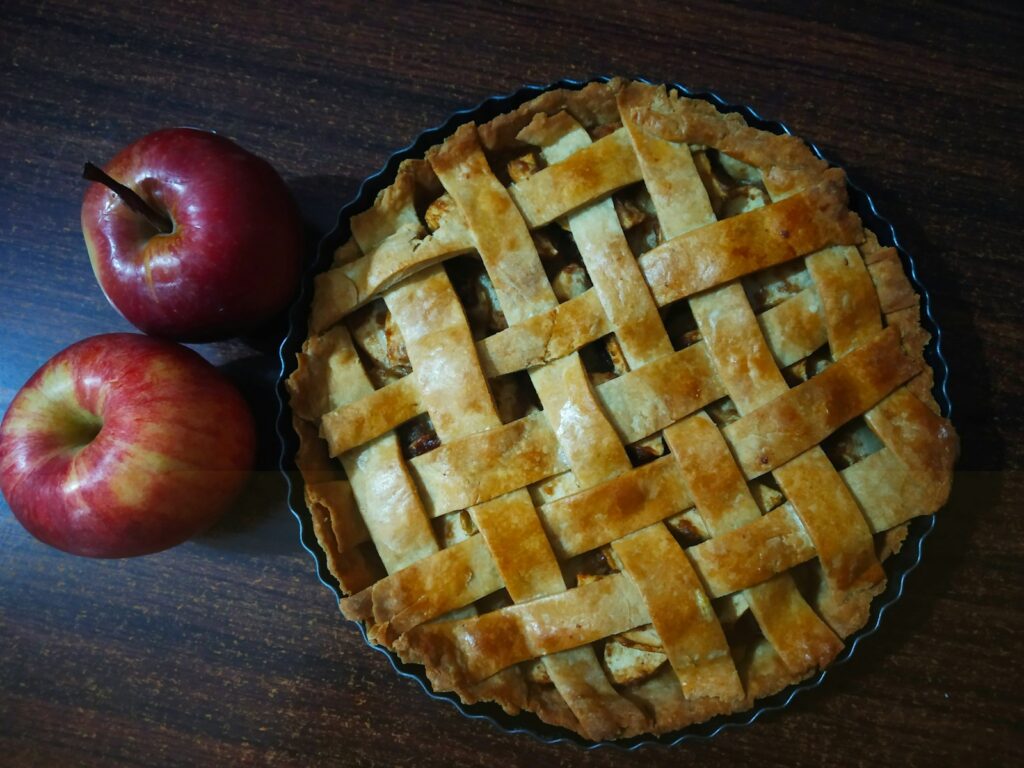
10. Apple Pie
Few foods are more closely associated with America than apple pie.
Yet neither apples nor the pie itself originated in the United States. Apples arrived with European settlers, while early pie recipes can be traced back to medieval England.
The phrase “as American as apple pie” didn’t become popular until the 20th century, long after the dessert had already been enjoyed across Europe for centuries.
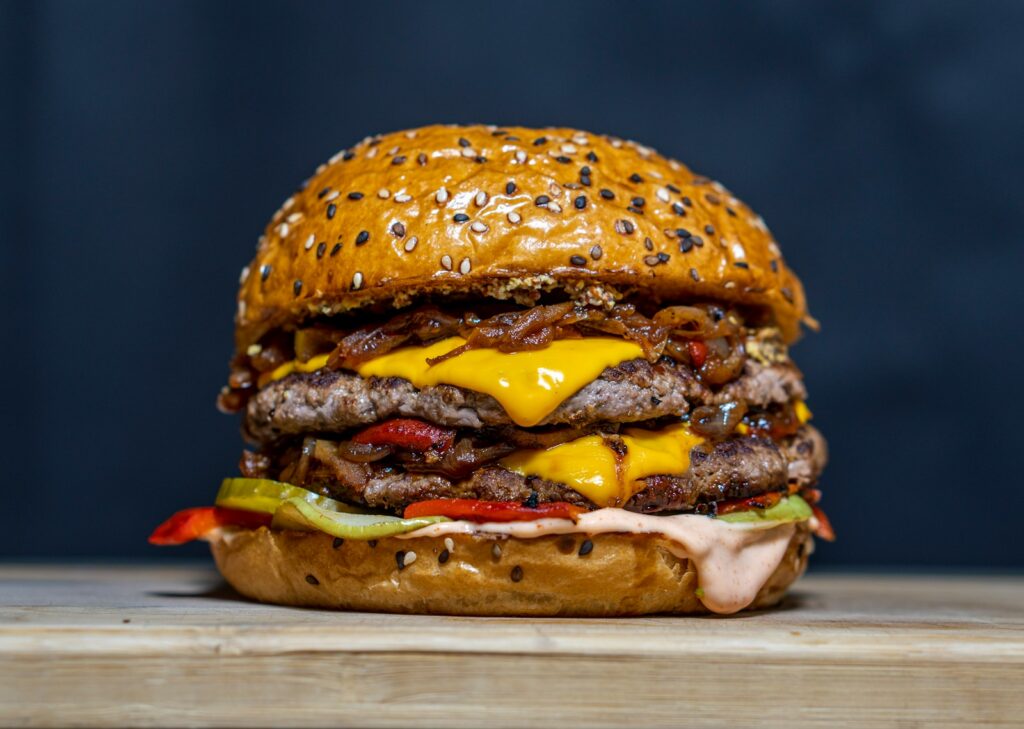
9. Hamburgers
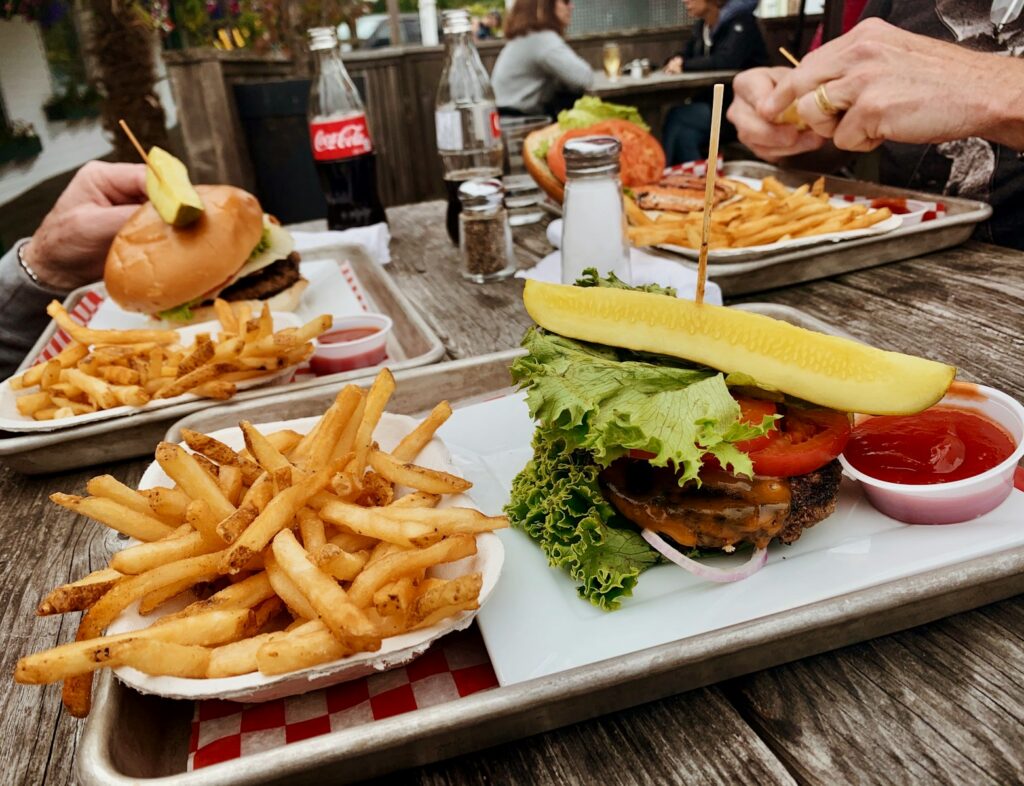
The hamburger may be a symbol of American fast food, but its roots likely stretch back to Germany.
Many historians trace its origins to Hamburg, where minced beef dishes were popular during the 19th century. German immigrants brought similar recipes to the United States, where cooks eventually began serving the meat between slices of bread.
Several American cities claim to have invented the modern hamburger, and the exact origin remains a subject of debate.
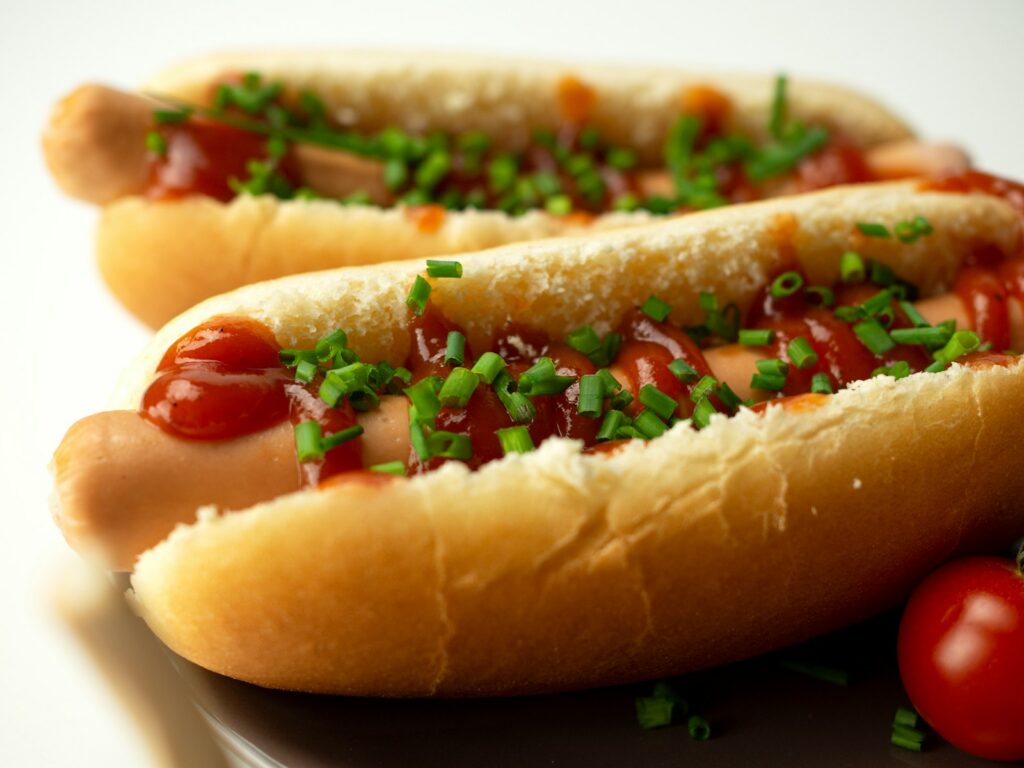
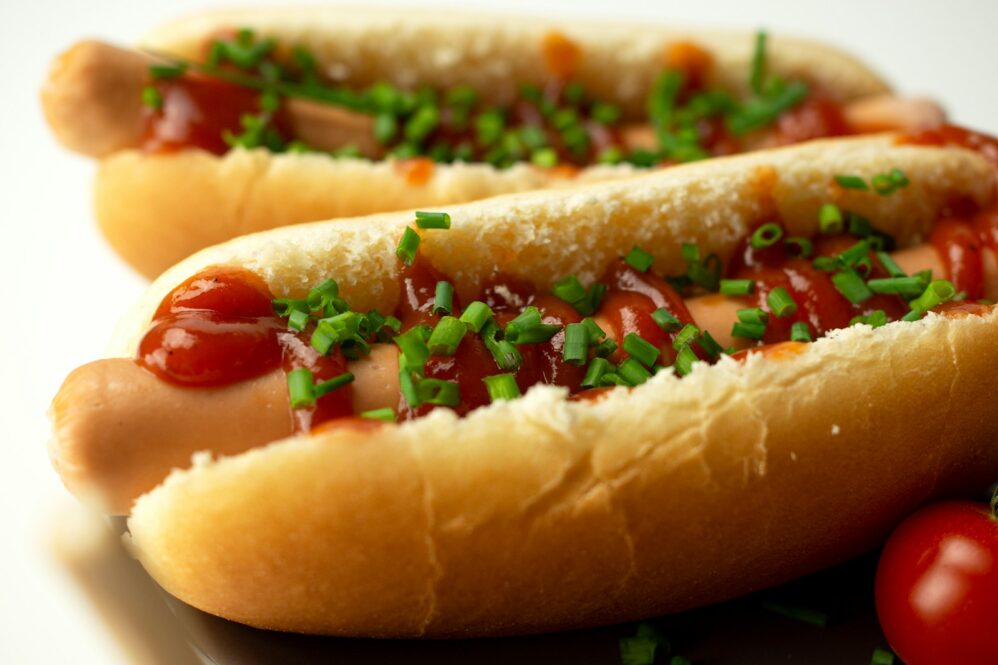
8. Hot Dogs
Like hamburgers, hot dogs owe much of their history to German immigrants.
Sausages similar to modern hot dogs were produced in regions of Germany for centuries before arriving in America. Vendors began selling them from carts in major U.S. cities during the late 1800s.
The combination of a sausage inside a bun became especially popular at sporting events, fairs, and amusement parks, helping transform the hot dog into an American classic.
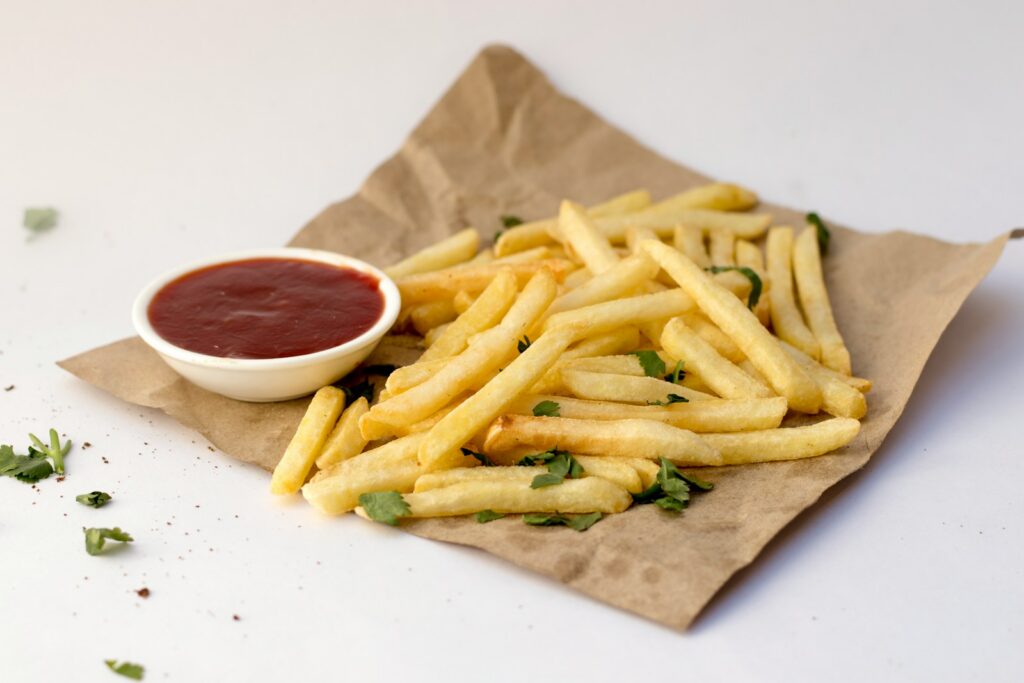
7. French Fries
Despite their name, French fries may not have originated in France.
Belgium has long claimed ownership of the dish, arguing that villagers were frying strips of potatoes centuries before fries became popular in Paris.
The name “French fries” may have gained traction in the United States after American soldiers encountered fried potatoes in Belgium during World War I, where French was commonly spoken.
Today, fries are one of America’s most popular side dishes.
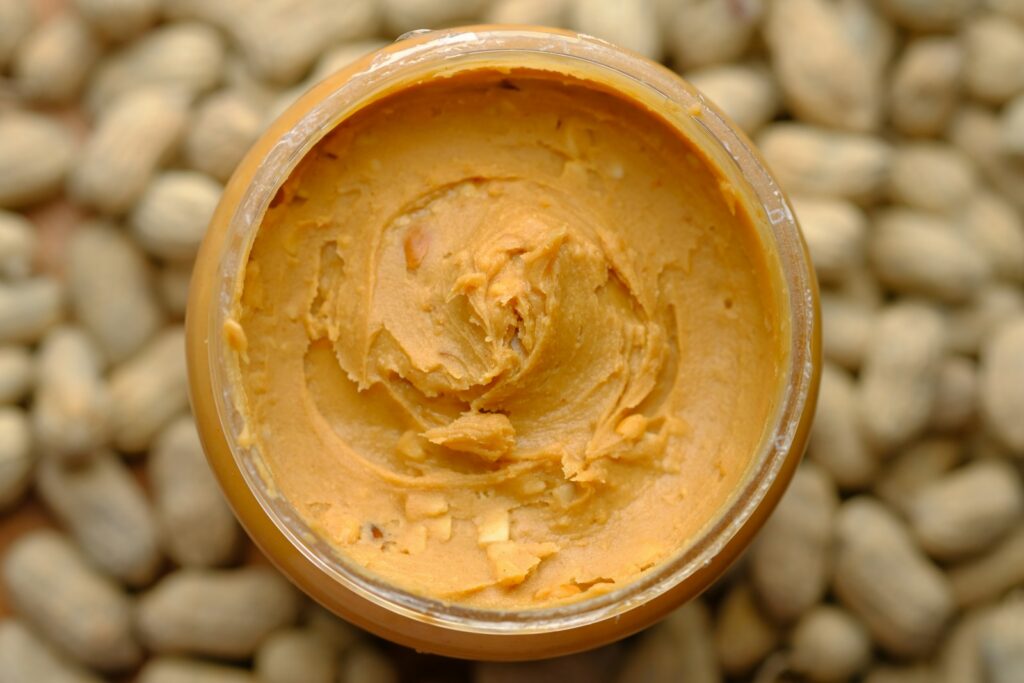
6. Peanut Butter
Peanut butter feels uniquely American, but its development involved influences from multiple cultures.
Ancient civilizations in South America ground peanuts into paste long before modern peanut butter existed. The product we recognize today emerged during the late 19th century as inventors searched for affordable, protein-rich foods.
Its popularity exploded in the early 20th century and eventually turned peanut butter and jelly sandwiches into a staple of American childhood.
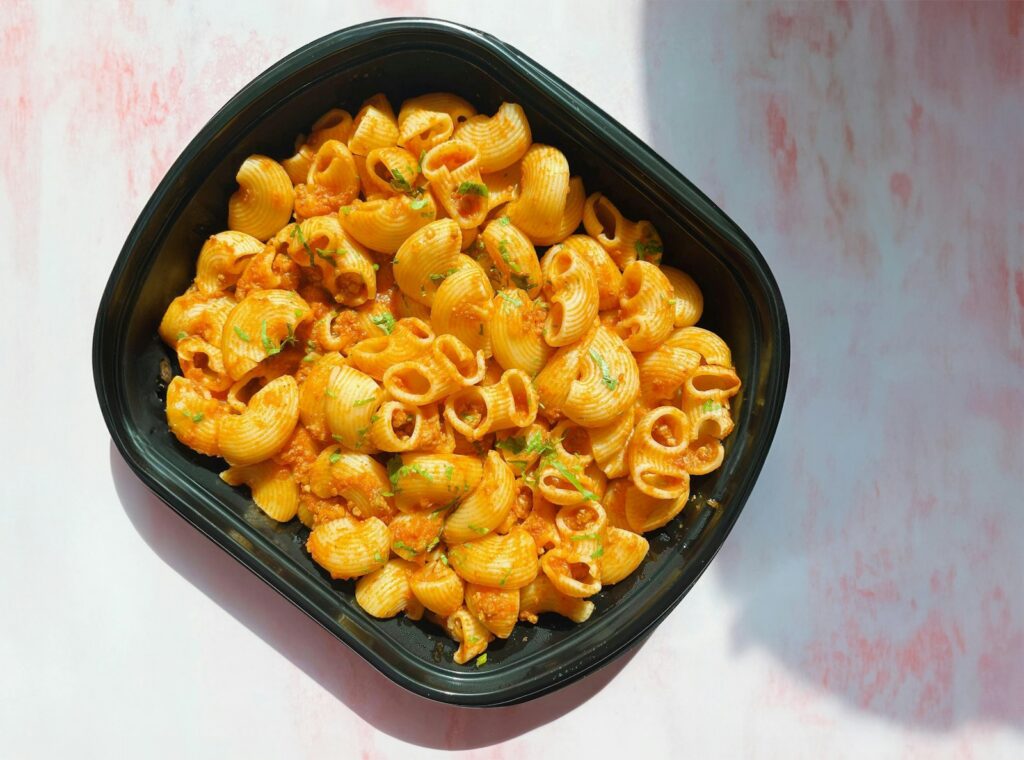
5. Macaroni and Cheese
Macaroni and cheese existed in Europe long before becoming an American comfort food.
Recipes combining pasta and cheese appear in Italian and English cookbooks dating back centuries. The dish gained prominence in the United States after being popularized by early American leaders, including Thomas Jefferson, who encountered pasta dishes while traveling in Europe.
Today, it remains one of America’s most recognizable comfort foods.
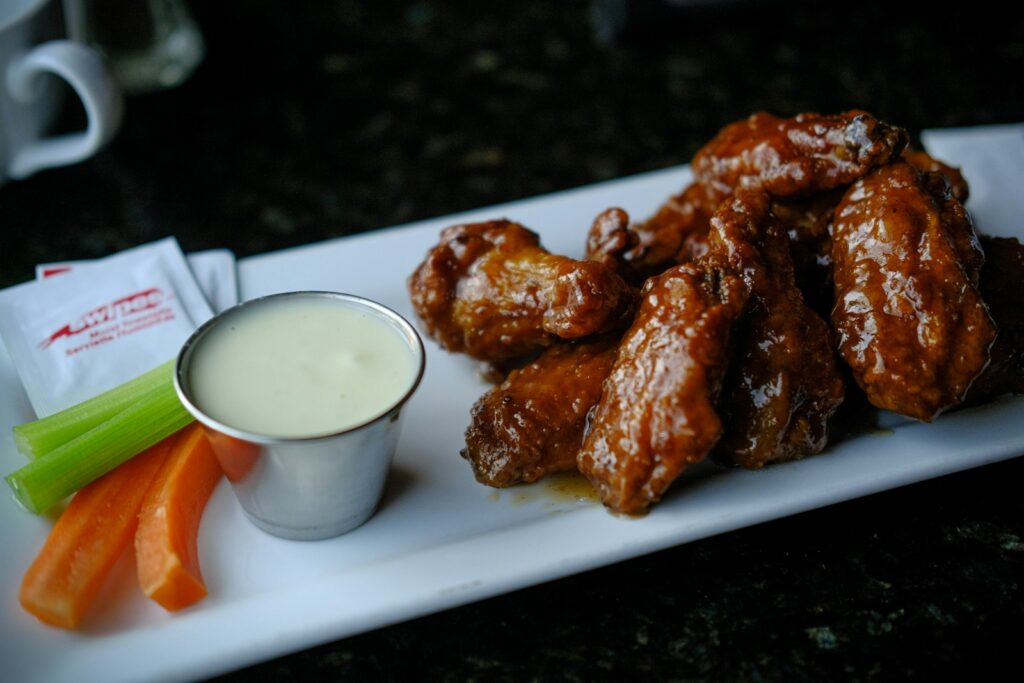
4. Buffalo Wings
Unlike many foods on this list, Buffalo wings have a relatively clear origin story.
The now-famous dish was created in Buffalo, New York, in 1964. According to the most widely accepted account, leftover chicken wings were fried, tossed in hot sauce, and served as a late-night snack.
What began as a local specialty quickly spread nationwide and became a staple of sports bars, parties, and restaurants across the country.
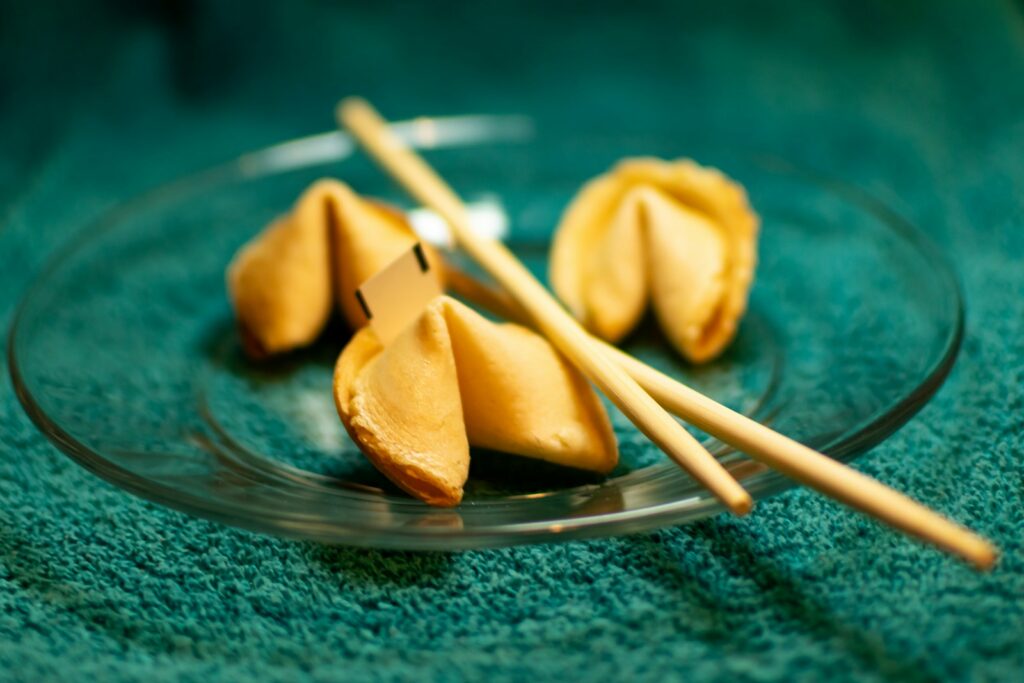
3. Fortune Cookies
Many people assume fortune cookies originated in China.
In reality, the cookies are widely believed to have been developed in California by Japanese immigrants during the late 19th or early 20th century. Similar cookies had existed in Japan for years before they became associated with Chinese-American restaurants.
Today, they remain one of the most recognizable symbols of Chinese-American dining despite their surprising history.
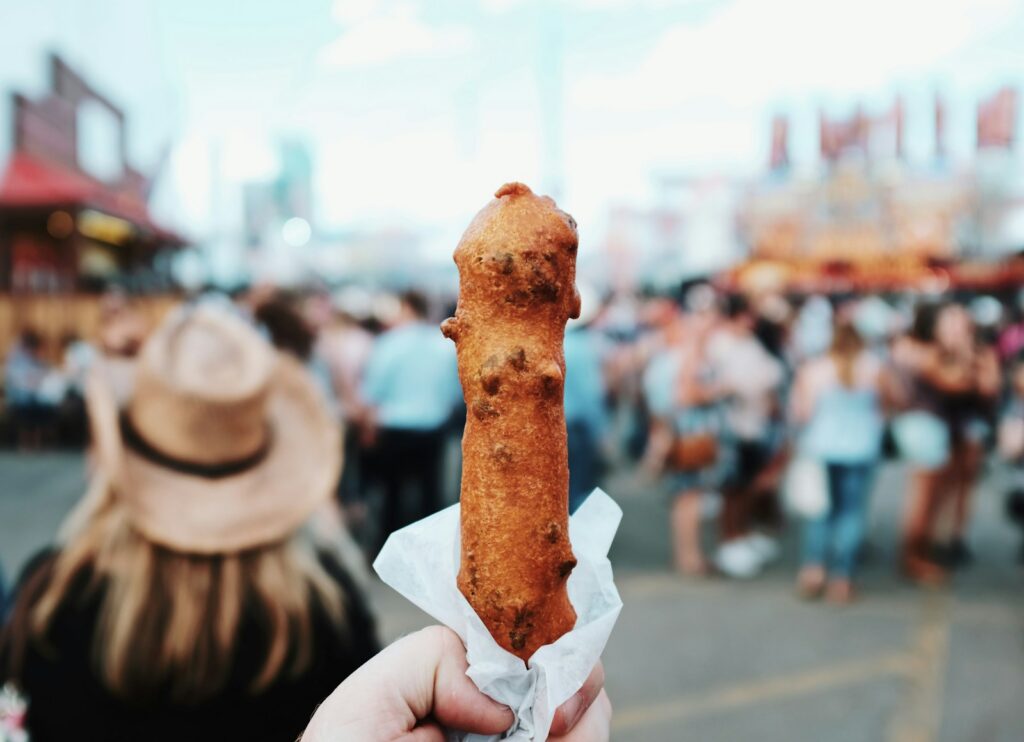
2. Corn Dogs
The corn dog combines several influences that helped shape American cuisine.
German immigrants introduced sausages, while cornmeal has deep roots in Indigenous North American food traditions. At some point during the early 20th century, enterprising vendors combined the two, coating sausages in cornmeal batter and frying them on sticks.
The result became a fairground favorite and an enduring symbol of American festival food.
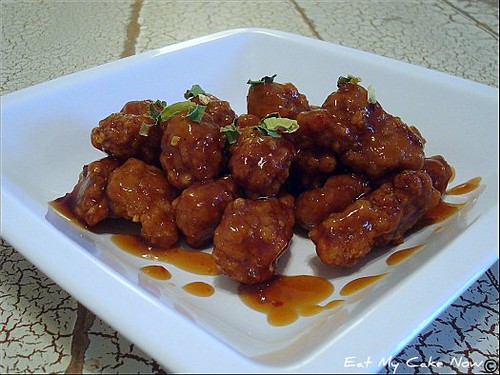
1. General Tso’s Chicken
One of the most popular dishes at Chinese-American restaurants is largely unknown in China itself.
General Tso’s Chicken was developed by Chinese chefs who adapted traditional cooking techniques to American tastes. The sweet, crispy, spicy dish became enormously popular in the United States during the late 20th century.
Its success highlights how immigrant communities often create entirely new culinary traditions while blending influences from multiple cultures.
How American Food Became American
One of the defining features of American cuisine is its ability to absorb influences from around the world.
Indigenous traditions, immigrant communities, regional ingredients, and cultural exchange have all shaped the foods people enjoy today. Many dishes we consider distinctly American are actually the result of centuries of adaptation and innovation.
The next time you bite into a hamburger, enjoy a plate of macaroni and cheese, or order General Tso’s Chicken, you’re tasting a small piece of a much larger story—one shaped by travelers, immigrants, inventors, and generations of cooks who transformed foods from around the world into American favorites.
Read More:
- Nostalgic ’90s Foods That Deserve a Comeback
- 12 Foods You Should Always Buy Organic (Based on the Dirty Dozen)
- 16 Fast-Food Experiments That Should Never Have Happened
Ask us! What questions do you have about content, strategy, pop culture, lifestyle, wellness, history or more? We may use your question in an upcoming article!
Like MediaFeed’s content? Be sure to follow us.
This article originally appeared on Resourcebuzz and was syndicated by MediaFeed.co.



