10 Times Science Fiction Predicted the Future
Science fiction has a remarkable history of predicting the future. Long before many inventions existed, writers, filmmakers, and television creators imagined technologies that seemed impossible at the time.
While we’re still waiting for warp drives and teleporters, many once-fantastical ideas have quietly become part of everyday life. Here are 10 science-fiction technologies that successfully jumped from the screen and page into the real world.
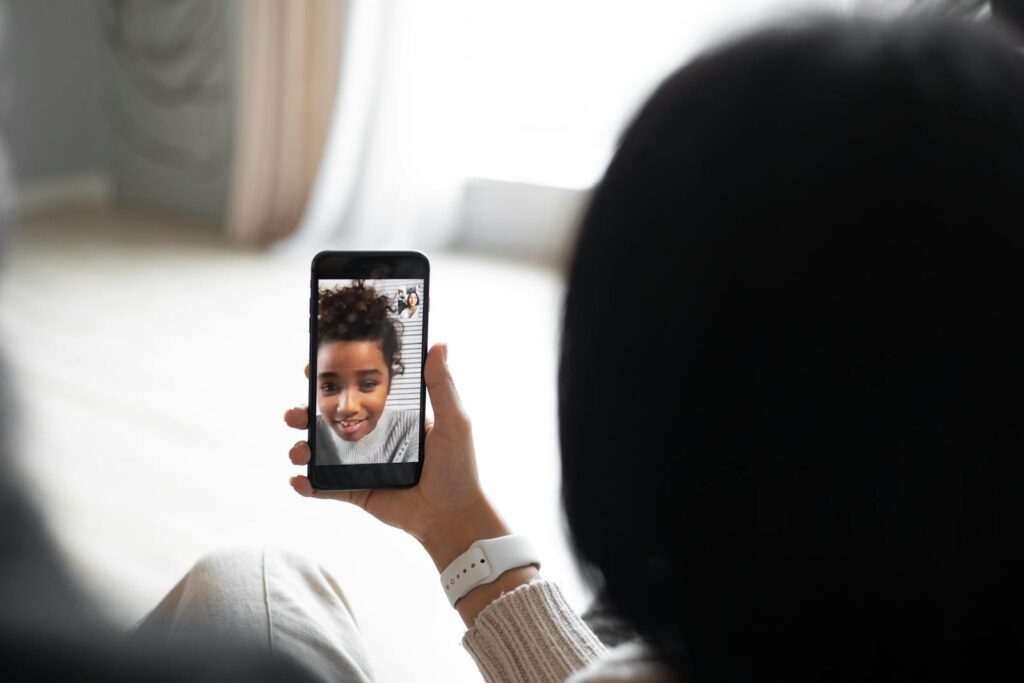
10. Video Calling: From 2001: A Space Odyssey to FaceTime
When 2001: A Space Odyssey debuted in 1968, audiences were amazed by a scene showing astronauts making video calls from space.
Today, FaceTime, Zoom, Google Meet, and countless other platforms make face-to-face communication possible from virtually anywhere on Earth.

9. Virtual Assistants: From Star Trek to Siri and Alexa
The crew of the USS Enterprise routinely spoke to their ship’s computer, asking questions and receiving instant answers.
Modern virtual assistants like Siri, Alexa, and Google Assistant may not run a starship, but they can answer questions, set reminders, control smart homes, and manage daily tasks with simple voice commands.
8. Universal Translation: From Star Trek to AI Language Tools
One of Star Trek’s most iconic gadgets was the Universal Translator, which allowed crew members to communicate with alien species.
Today’s AI-powered translation tools can’t decode Klingon quite yet, but services like Google Translate can instantly translate dozens of languages through text, voice, and even live conversations.
7. Augmented Reality: From Total Recall to Pokémon Go
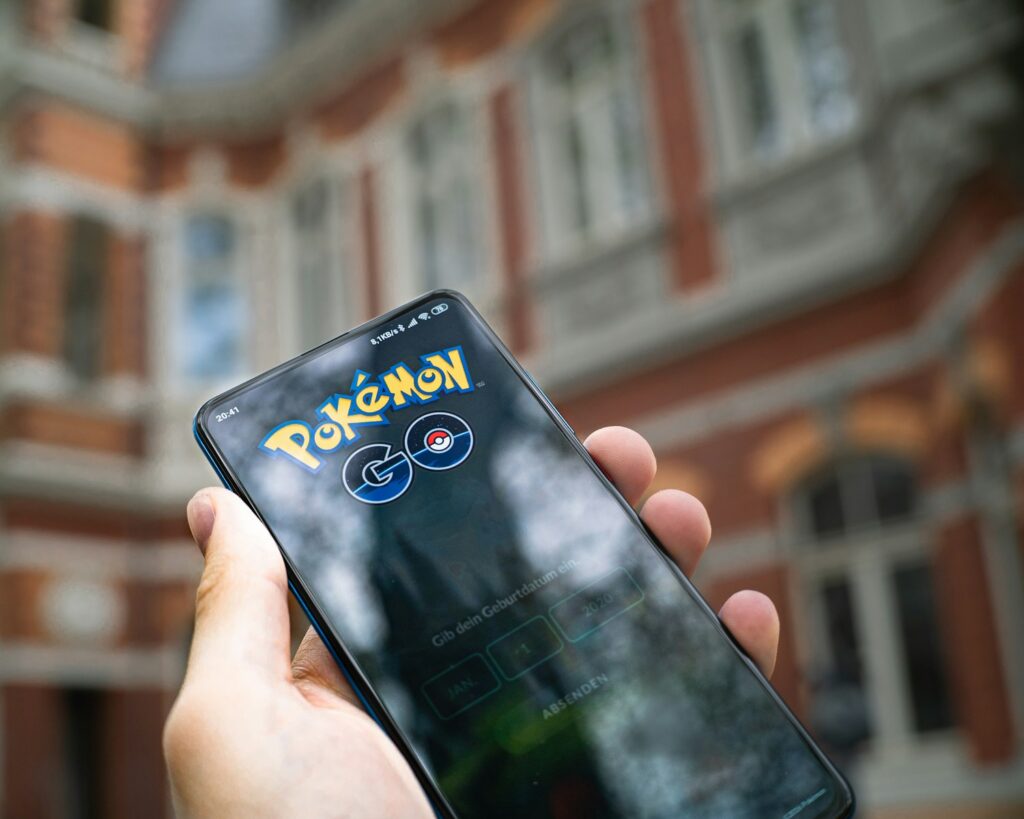
Science-fiction films like Total Recall imagined digital information seamlessly layered onto the physical world.
Today, augmented reality powers smartphone games like Pokémon Go, navigation systems, industrial training programs, and increasingly sophisticated smart glasses.
6. Tablet Computers: From 2001: A Space Odyssey to the iPad
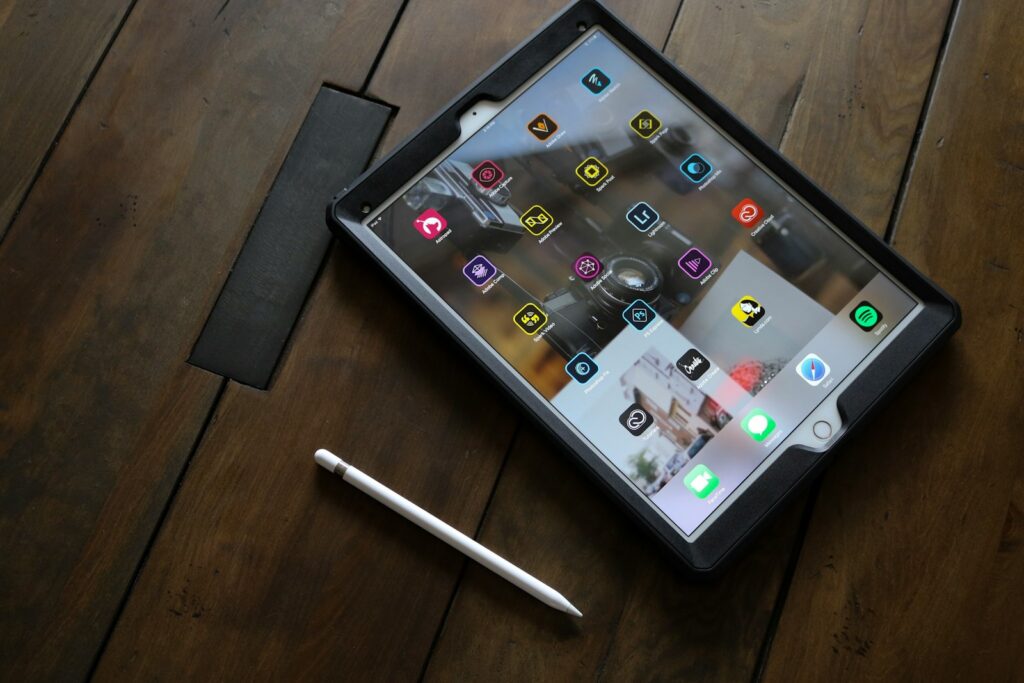
Decades before Apple introduced the iPad, 2001: A Space Odyssey featured astronauts using thin, portable flat-screen computers.
Modern tablets have become indispensable tools for entertainment, education, healthcare, business, and travel.
5. Wearable Health Tech: From Star Trek’s Tricorder to Smartwatches
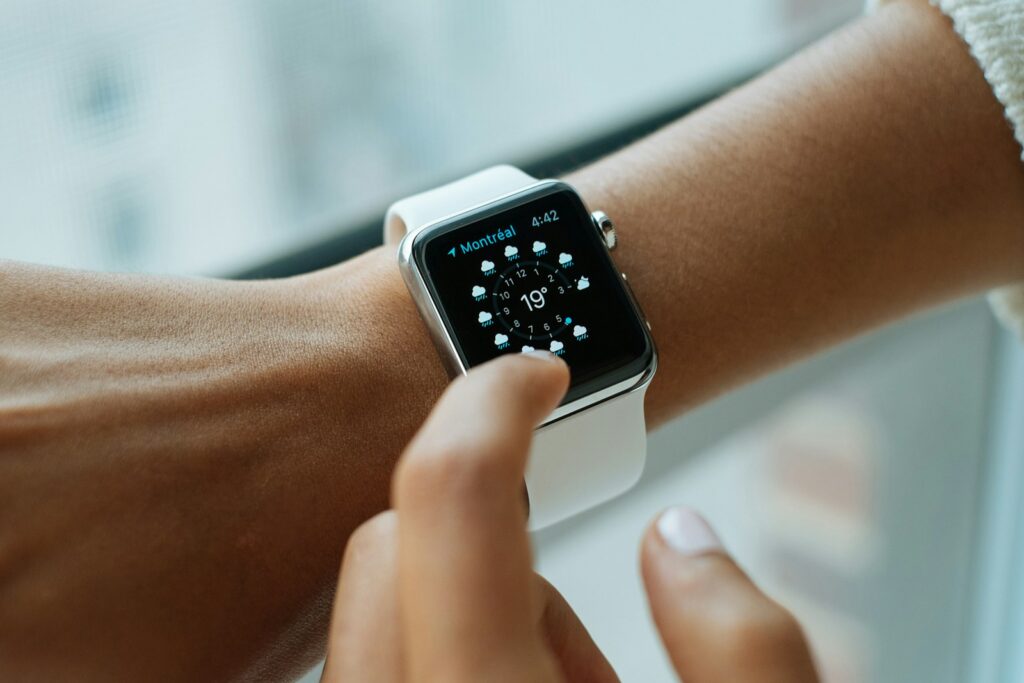
In Star Trek, the tricorder could instantly scan a person’s health and detect medical issues.
While we’re not quite there yet, modern smartwatches can monitor heart rate, blood oxygen levels, sleep patterns, activity levels, and even alert users to potential irregular heart rhythms.
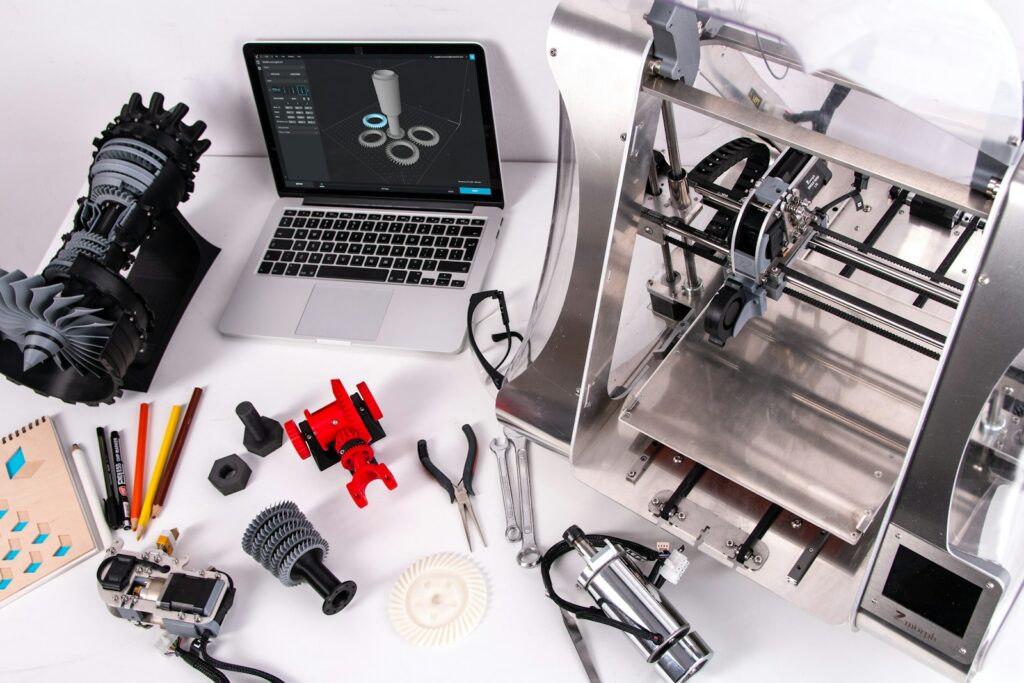
4. 3D Printing: From Star Trek: The Next Generation Replicators to Modern Manufacturing
The replicators aboard the Enterprise could create meals, tools, and objects on demand.
Modern 3D printers aren’t quite that magical, but they can manufacture everything from prosthetic limbs and dental implants to aerospace components and entire homes.
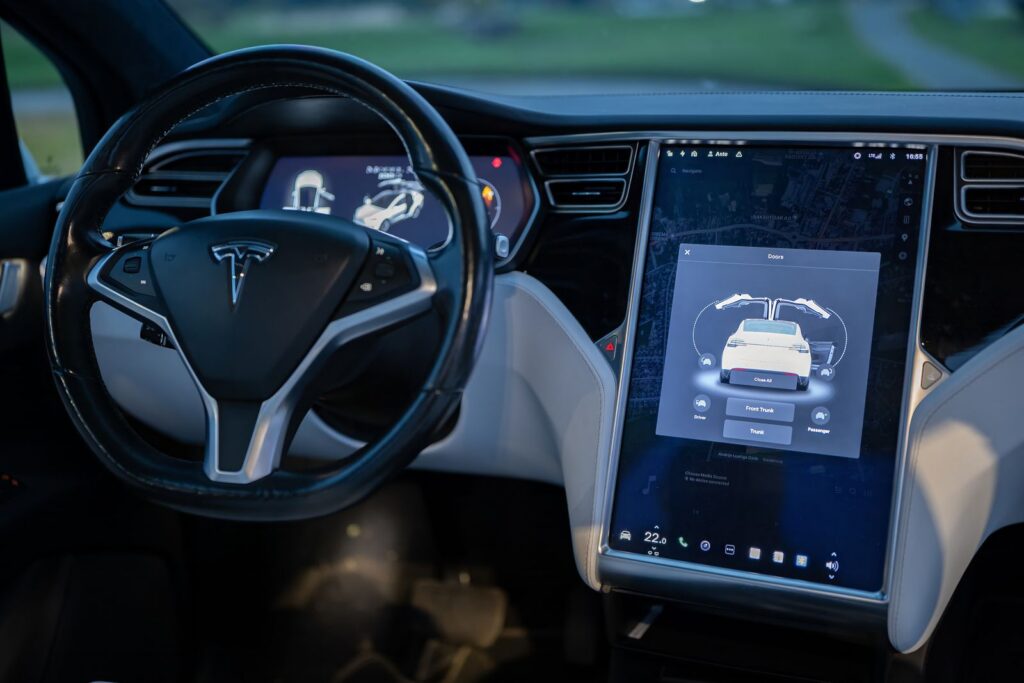
3. Self-Driving Vehicles: From Knight Rider to Autonomous Cars
Fans of Knight Rider dreamed of owning KITT, the talking car that could drive itself and assist its owner.
While today’s vehicles aren’t quite as chatty, advanced driver-assistance systems and autonomous vehicle technology have brought self-driving transportation much closer to reality.
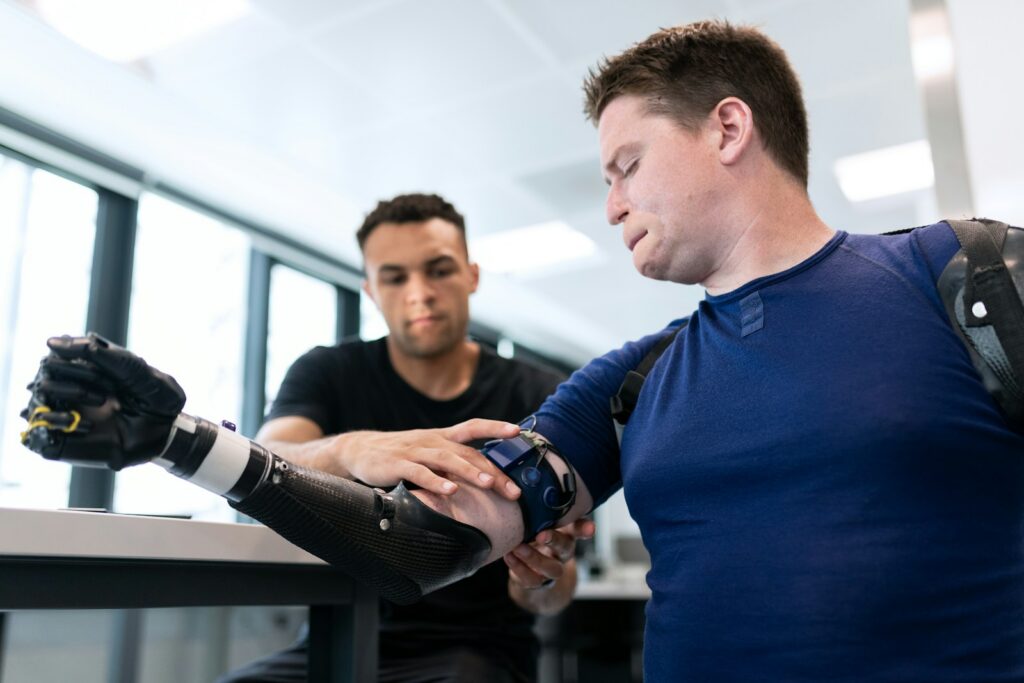
2. Bionic Limbs: From The Six Million Dollar Man to Advanced Prosthetics
The 1970s series The Six Million Dollar Man imagined a human enhanced with powerful bionic limbs.
Today’s prosthetic technology allows users to control robotic limbs through muscle signals, perform delicate movements, and in some cases experience limited sensory feedback.

1. Artificial Intelligence: From The Terminator and HAL 9000 to Everyday Life
Few science-fiction concepts have captured the imagination quite like artificial intelligence.
While modern AI is far less dramatic than Skynet from The Terminator or HAL 9000 from 2001: A Space Odyssey, it already powers search engines, recommendation systems, medical research, language translation, image generation, and countless tools people use every day.
Science fiction may not always predict the future perfectly, but its track record is impressive. The next generation of “impossible” technologies may already be hiding in today’s movies, books, and TV shows.
Read More:
- 15 Famous Cars That Turned Out to Be Major Disappointments
- The 10 Most Iconic Cars of All Time
- 20 Things Gen X Kids Had That Are Worth a Fortune Now
Ask us! What questions do you have about content, strategy, pop culture, lifestyle, wellness, history or more? We may use your question in an upcoming article!
Like MediaFeed’s content? Be sure to follow us.
This article originally appeared on Resourcebuzz and was syndicated by MediaFeed.co.