10 things you do that stress out your dog
Dogs don’t get to pick who stresses them out. Often it’s the person they trust most, doing something that feels completely normal from the human side of the leash.
Veterinary behaviorists have studied this gap closely, and one behavior keeps surfacing in the research above all others. Hugging. A 2016 analysis of dog photos found that most showed clear signs of stress mid-embrace, even while the human in the shot looked perfectly happy. Ten habits worth a second look.

Hugging tightly
That same study found 81 percent of dogs blinked repeatedly during a hug. Over two-thirds turned their head away. Sixty percent flattened their ears. Restraining a dog’s movement, even affectionately, reads as confinement rather than comfort. Doesn’t matter how good the intention is.
Staring directly into their eyes
Means something completely different to a dog than it does to a person. Prolonged, direct staring is read as confrontational, even when it’s from someone the dog’s known for years.
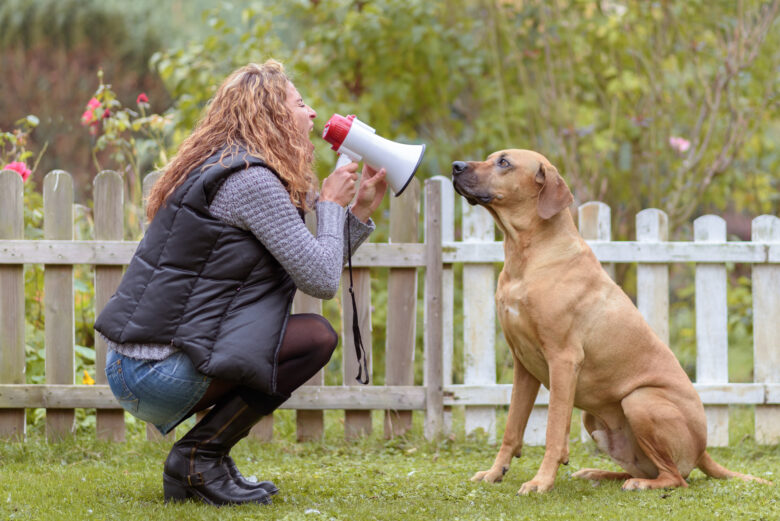
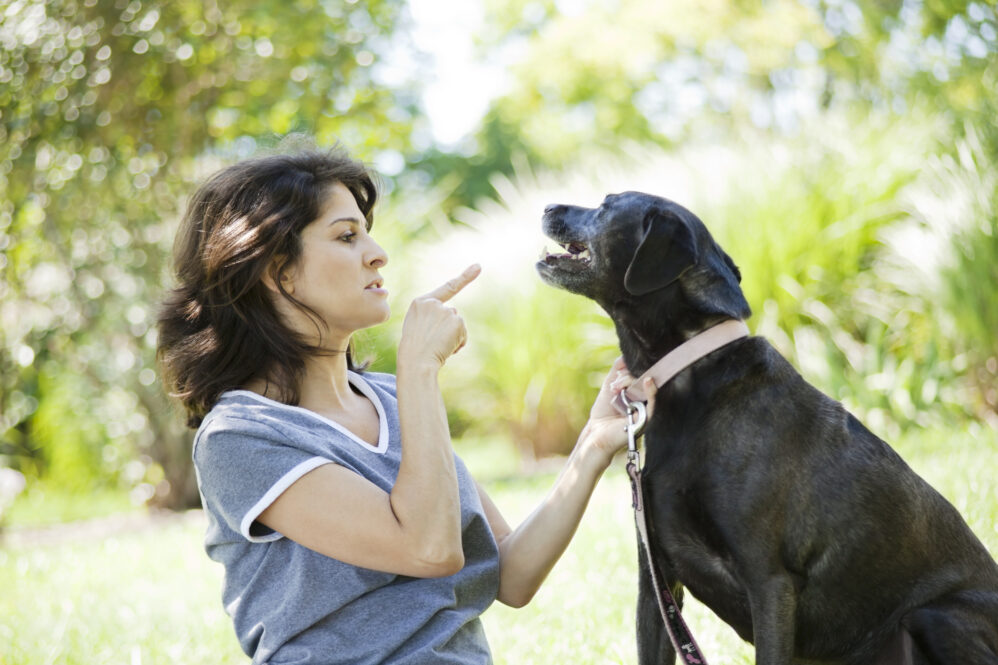
Raising your voice
Yelling rarely teaches anything useful. Worse than that, actually. It leaves the dog confused about what set it off in the first place, which just stacks anxiety on top of whatever the original problem was.
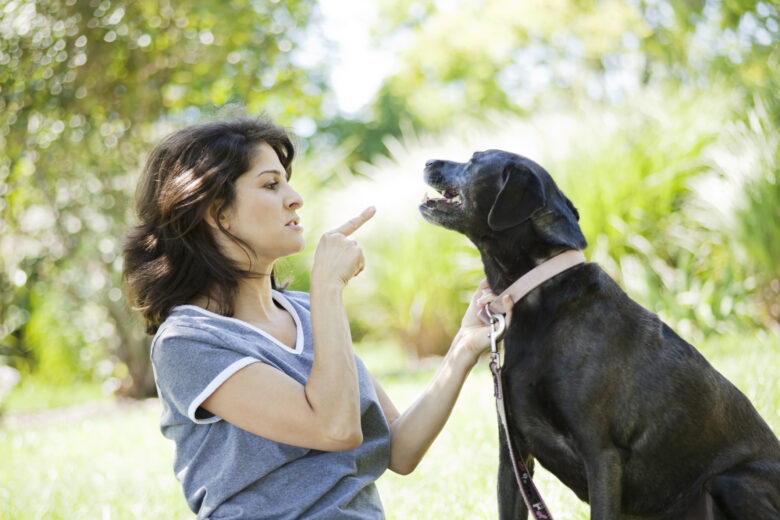
Scolding after the fact
A chewed shoe, discovered an hour later. Scolding follows. Teaches nothing except that the owner’s mood is unpredictable. Punishment disconnected from the actual moment breeds fear, not understanding. Every time.
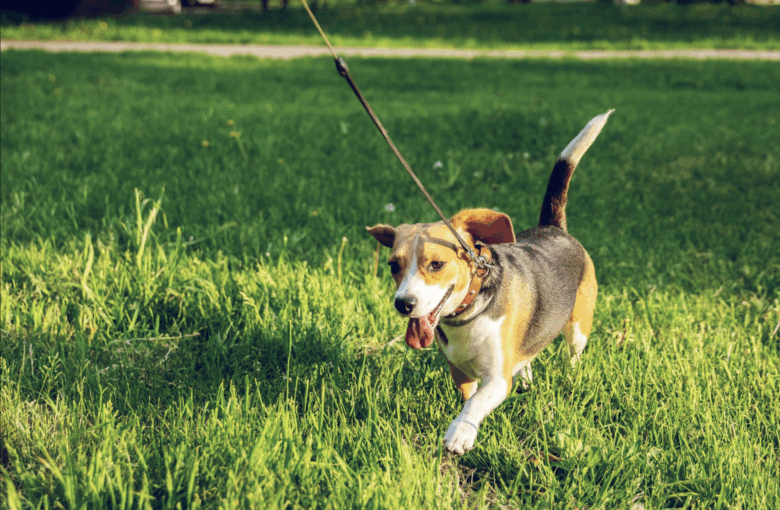
Keeping tension on the leash
A tight leash transmits stress in both directions. Always has. Pulling back against a dog’s forward motion raises frustration for everyone, and dogs read that tension as a signal something’s genuinely wrong.
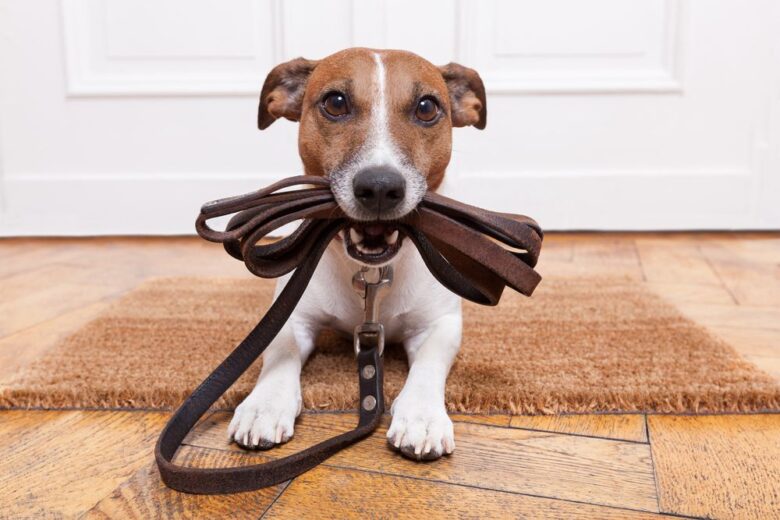
Enforcing rules inconsistently
Allowed on the couch this week. Scolded for it next week. A dog can’t anticipate a reaction that keeps shifting, and that unpredictability itself becomes a source of ongoing stress. Doesn’t matter which rule is technically correct.
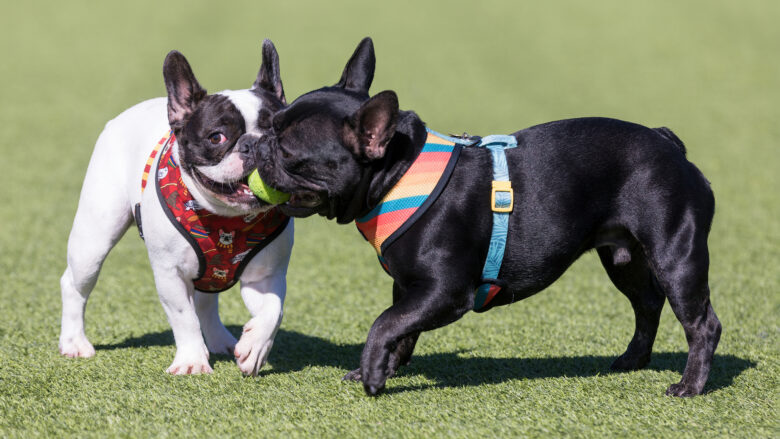
Forcing interactions with strangers
Pushing a nervous dog toward someone unfamiliar, just to get it used to people. Usually backfires. Dogs need the option to retreat, and taking that choice away erodes trust rather than building any real confidence.
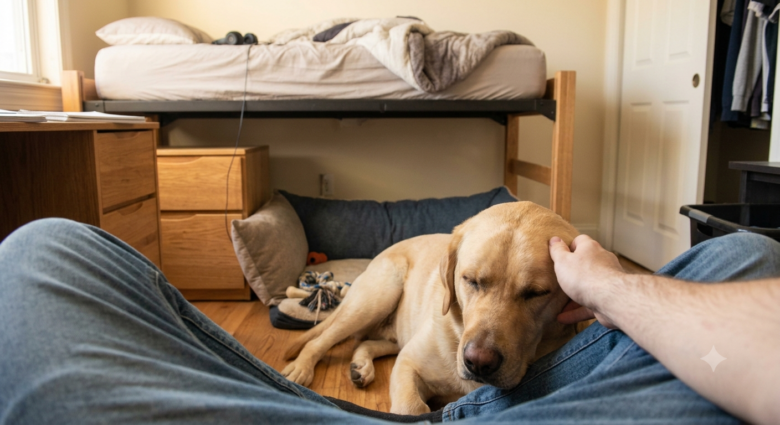
Ignoring early calming signals
A lip lick. A yawn. A turned head. Requests for space, not random quirks. Miss them enough times and a dog eventually escalates to something louder just to get heard at all.
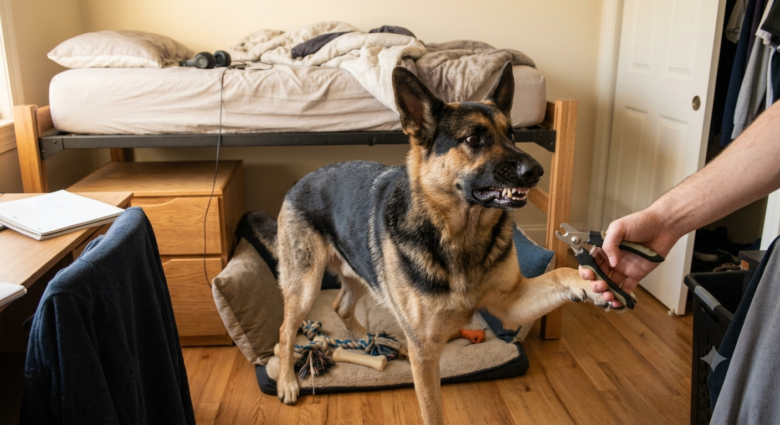
Relying on outdated dominance-based training
Alpha-rolling. Forced submission. Once standard advice, now thoroughly debunked as both ineffective and genuinely stress-inducing. Positive reinforcement now has research behind it. Has for a while.
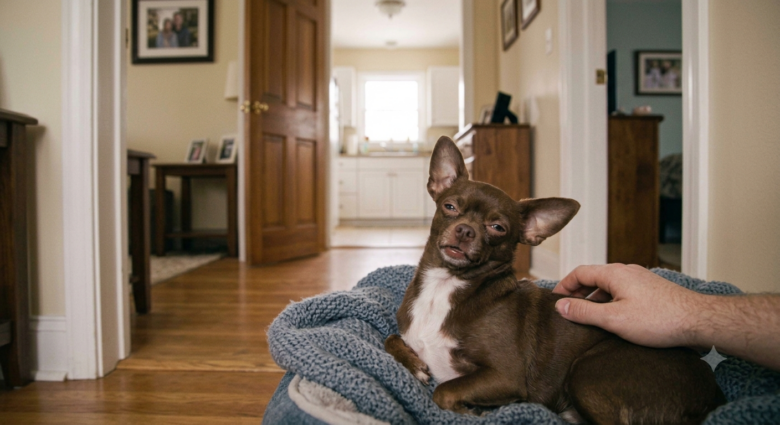
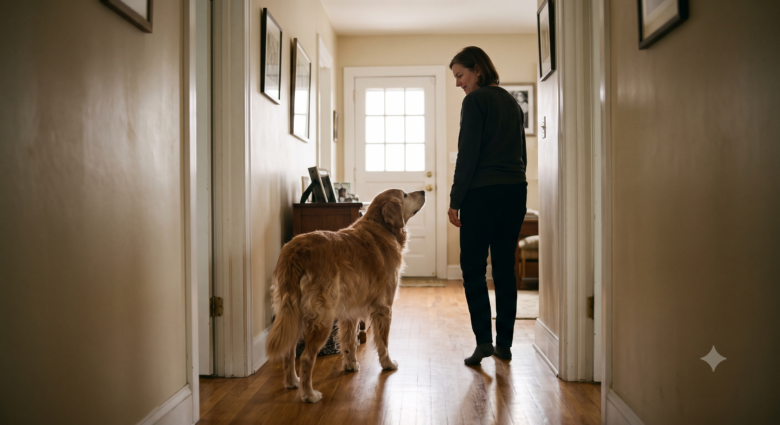
Leaving them alone for long stretches, routinely
Dogs are social animals. Extended isolation, ten-plus hours, on a regular basis, is a documented driver of separation anxiety and destructive behavior. Not just an inconvenience. A real cost.
The bottom line
None of these habits come from bad intentions. Most come from treating a dog like a small, furry person instead of the very different animal it actually is. One with its own read on affection, on correction, on what a hug actually communicates. Not the same read at all.
Ask us! What questions do you have about content, strategy, pop culture, lifestyle, wellness, history or more? We may use your question in an upcoming article!
Related:
Like MediaFeed’s content? Be sure to follow us.
This article was syndicated by MediaFeed.co.