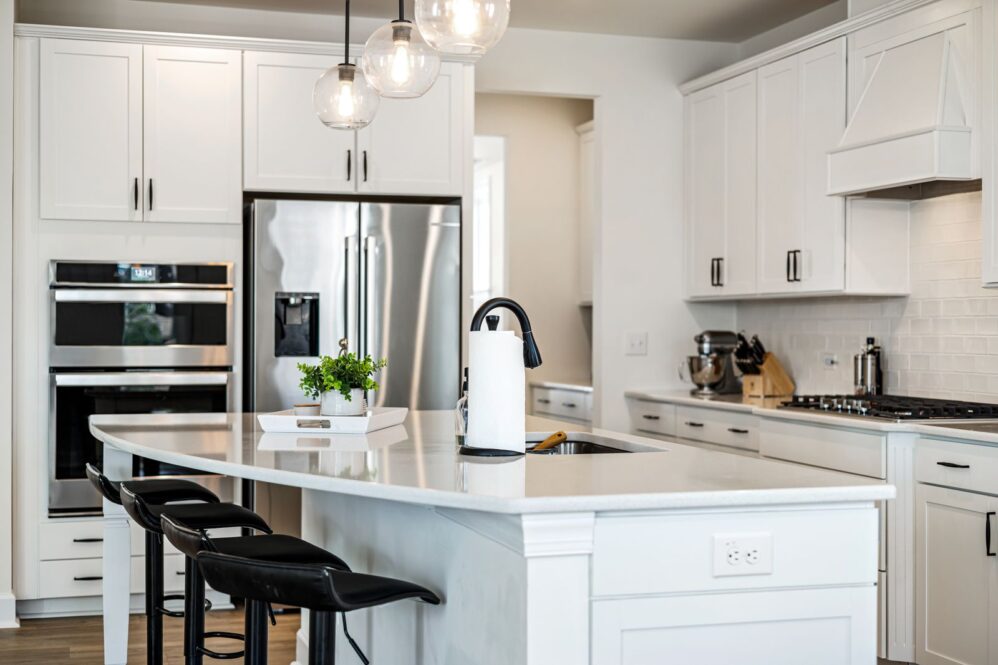
10 Things We Thought Made a Home “Nice” That Actually Came From Marketing
Walk through almost any neighborhood today, and you’ll notice many of the same features: lush green lawns, stainless steel appliances, spacious kitchens, and closets full of matching storage containers. While some of these trends offer genuine benefits, others have become symbols of the “ideal home” thanks in large part to decades of advertising and clever marketing.
Many of the features we now take for granted weren’t always considered essential. In some cases, companies created entirely new expectations by convincing homeowners that newer, bigger, or more uniform was automatically better. Here are 10 things we came to associate with a “nice” home that owe at least part of their popularity to marketing.
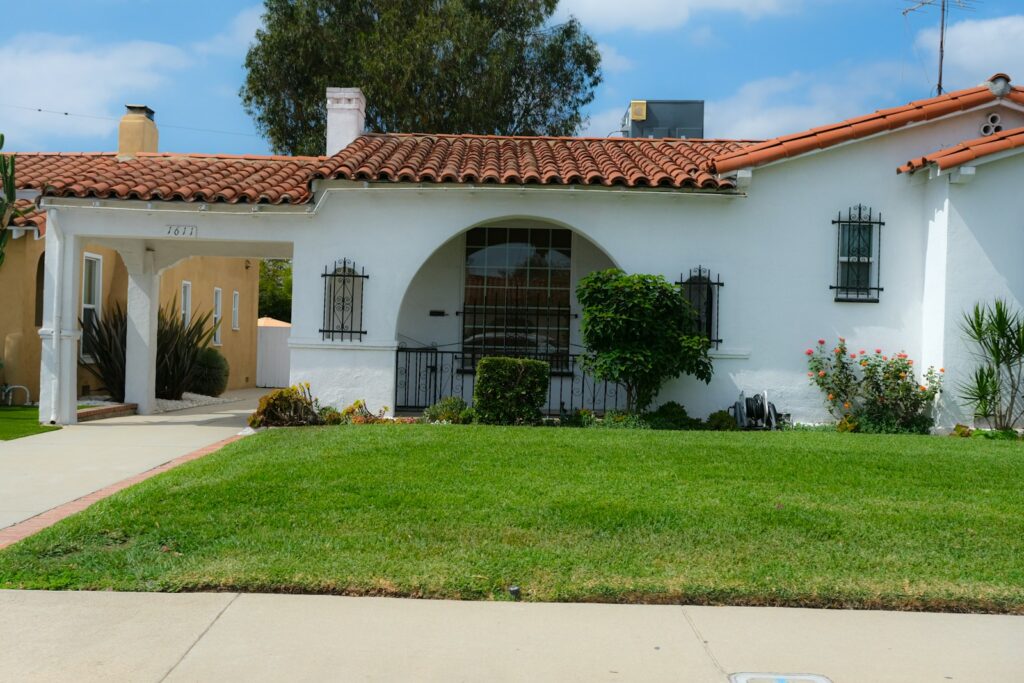
10. A Perfectly Green Lawn
A lush, weed-free lawn has long been marketed as a sign of pride and success.
After World War II, suburban growth combined with aggressive advertising for lawn seed, fertilizers, herbicides, and lawn equipment helped transform the perfectly manicured lawn into an American ideal.
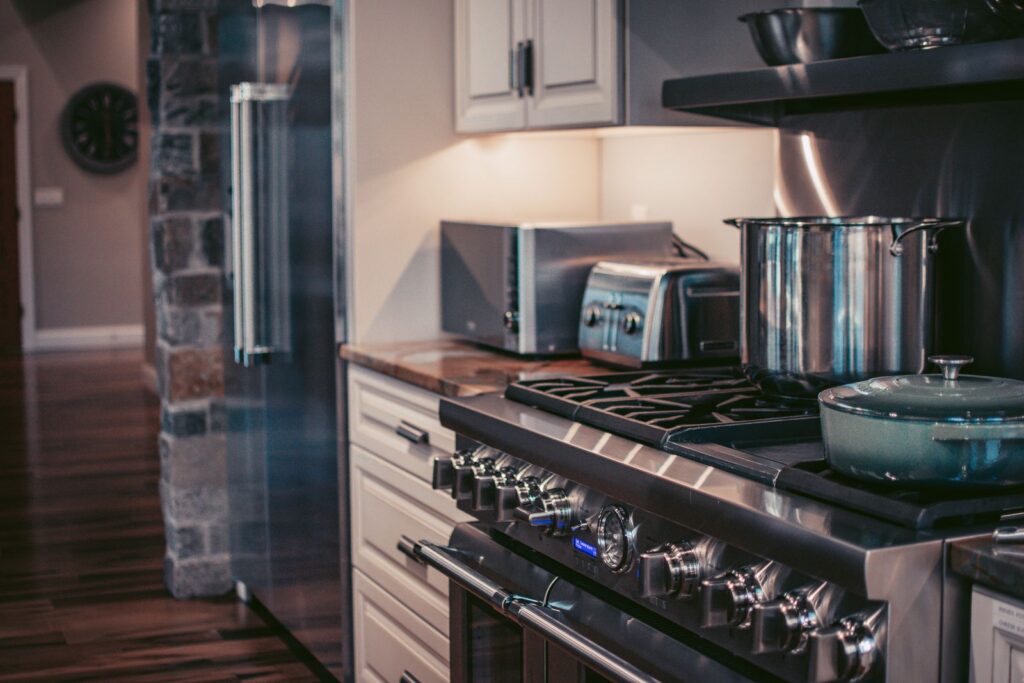
9. Stainless Steel Appliances
Today, stainless steel is often associated with upscale kitchens.
Its popularity accelerated in the late 1990s and early 2000s as appliance manufacturers promoted the commercial kitchen look as both modern and luxurious, encouraging homeowners to replace perfectly functional appliances.
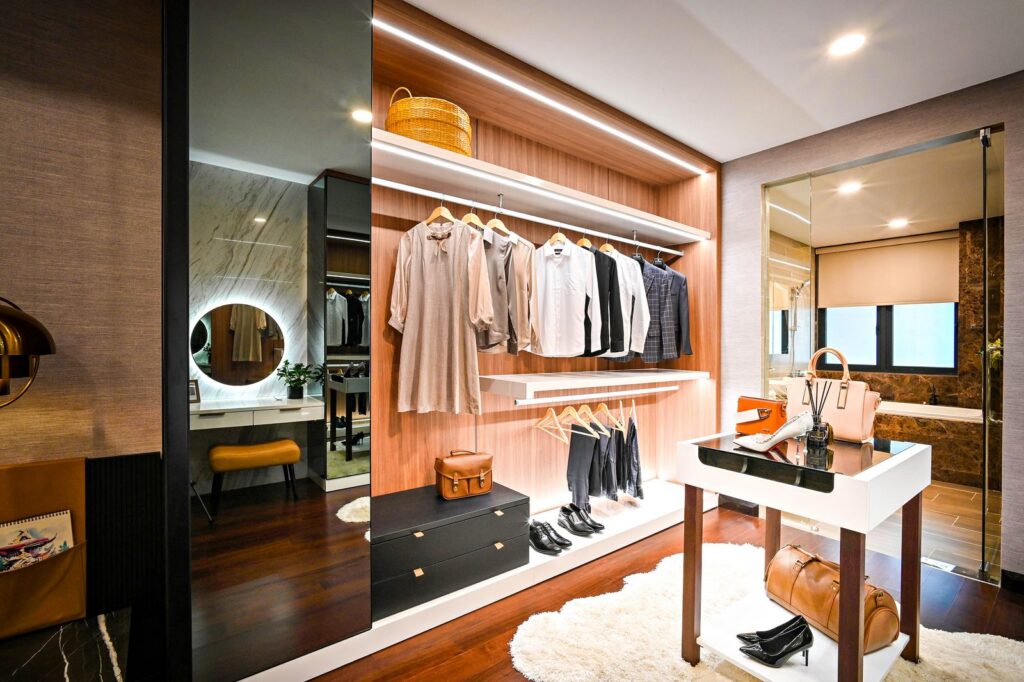
8. Walk-In Closets
Large walk-in closets are now considered a premium feature in many homes.
As homes grew larger during the late 20th century, builders increasingly marketed expansive closets as symbols of luxury, reflecting the rise of larger wardrobes and consumer spending.
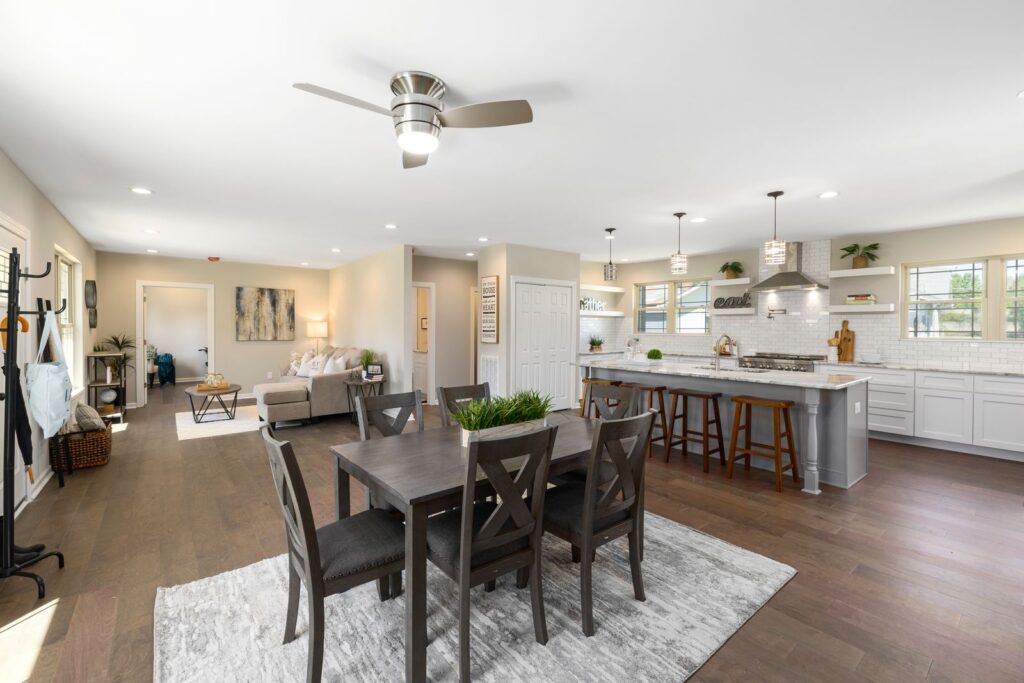
7. Open Floor Plans
Open-concept living has become one of the defining features of modern homes.
While there are practical advantages, builders and home design television shows helped popularize the idea that removing walls automatically made a house feel newer, brighter, and more desirable.

6. Matching Kitchen Appliance Suites
There was a time when homeowners replaced appliances only when they stopped working.
Today, many people purchase entire matching sets because manufacturers market coordinated kitchens as more stylish and valuable, even when older appliances still function well.
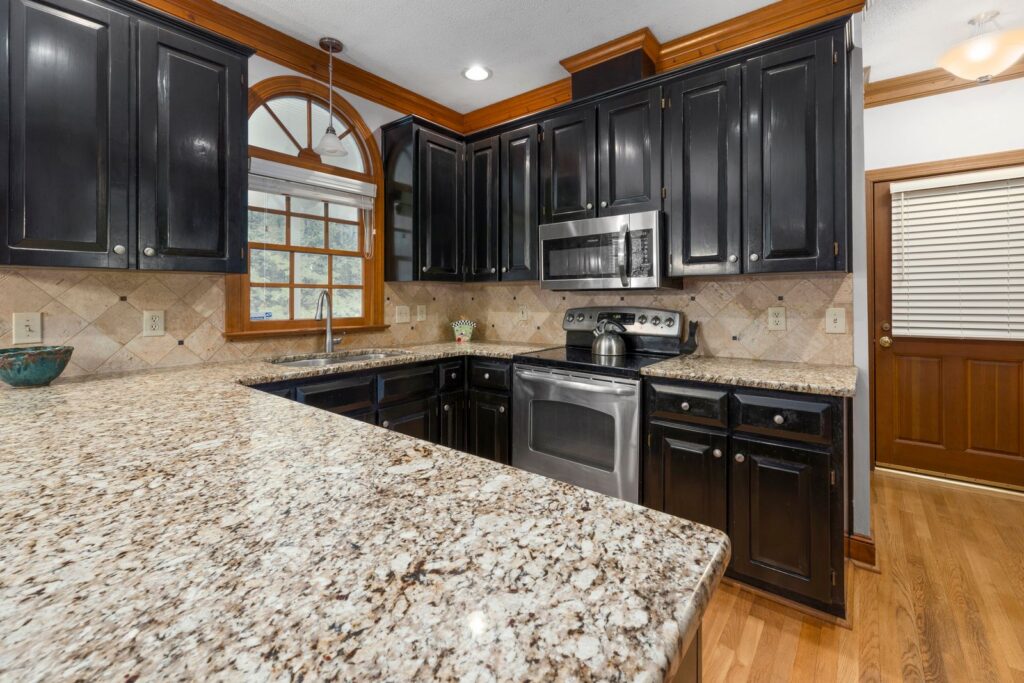
5. Granite Countertops
Granite countertops became one of the biggest home design trends of the early 2000s.
Builders, remodelers, and real estate marketing often presented granite as a hallmark of luxury, encouraging homeowners to upgrade in hopes of increasing both resale value and visual appeal.
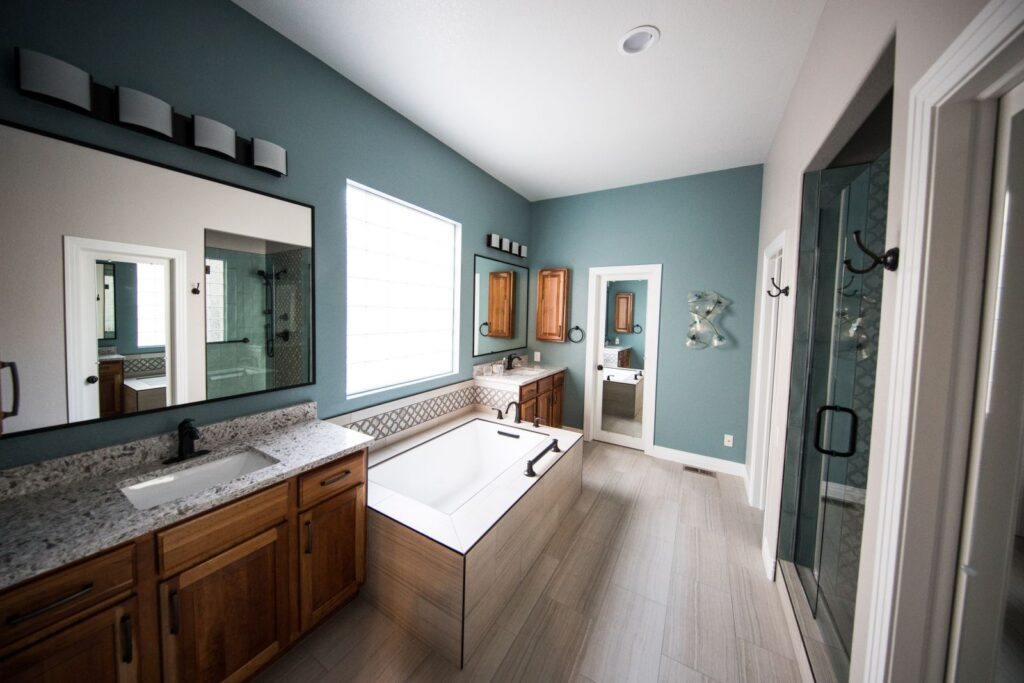
4. Huge Primary Bathrooms
Bathrooms have evolved from purely functional spaces into luxurious retreats.
Developers increasingly promoted oversized soaking tubs, double vanities, spa-style showers, and elaborate finishes as must-have features for modern homeowners.
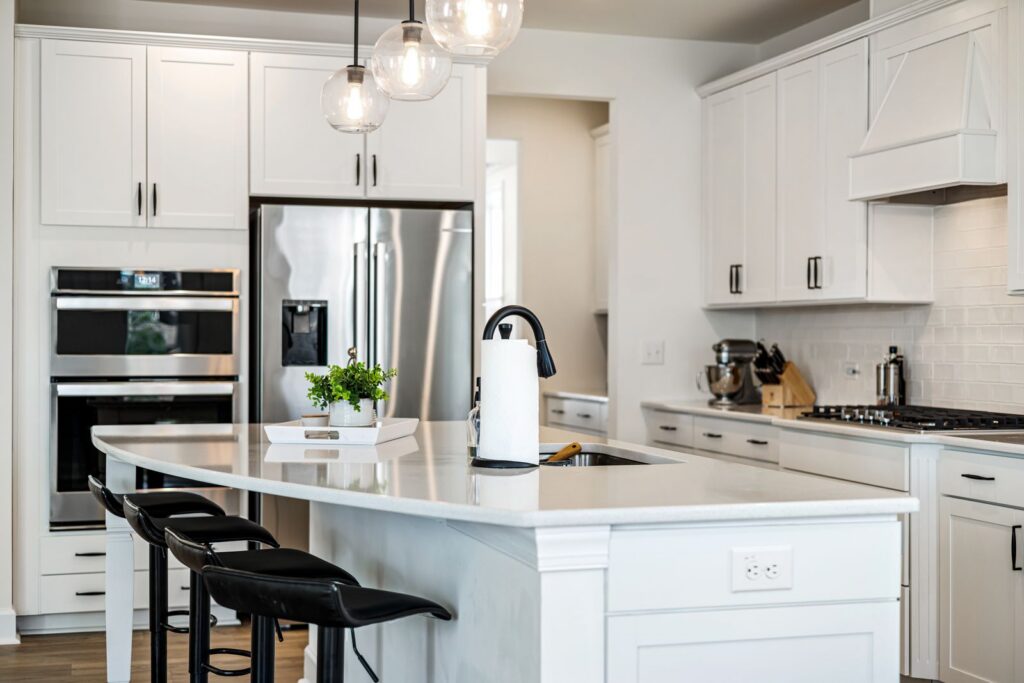
3. White Kitchens
Bright white kitchens are frequently presented as timeless.
In reality, magazines, home improvement television, social media, and cabinet manufacturers have repeatedly helped drive waves of popularity for white cabinetry, encouraging homeowners to remodel in pursuit of the latest look.
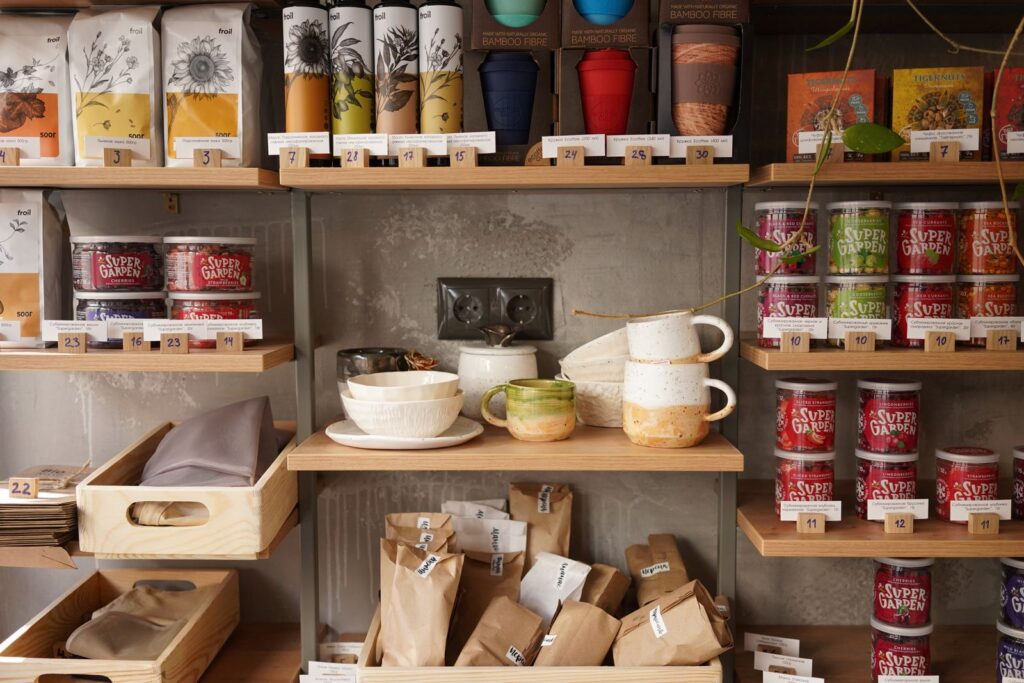
2. Organized Pantries Filled With Matching Containers
Perfectly labeled containers have become a familiar sight on home organization shows and social media.
While organizing can certainly make a kitchen more functional, the idea that every pantry needs matching bins and decanted food storage owes much of its popularity to retailers and professional organizing trends.
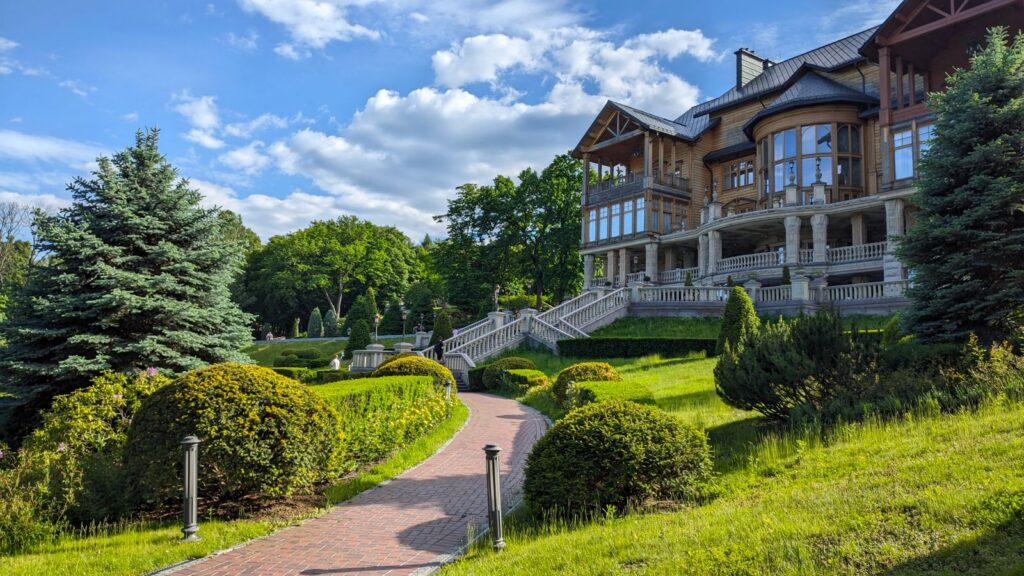
1. Bigger Homes
For decades, builders and advertisers often equated more square footage with greater success.
The average size of new American homes grew substantially during the second half of the 20th century, reinforcing the idea that bigger was always better. Today, however, many homeowners are reconsidering whether larger houses truly deliver greater happiness once maintenance, utility costs, and upkeep are taken into account.
Read More:
- 15 Ways to Save for a House Without Making Yourself Miserable
- 10 Small Living Room Mistakes to Avoid
- 10 Ways to Channel Nancy Meyers in Your Home Design
Ask us! What questions do you have about content, strategy, pop culture, lifestyle, wellness, history or more? We may use your question in an upcoming article!
Like MediaFeed’s content? Be sure to follow us.
This article originally appeared on Resourcebuzz and was syndicated by MediaFeed.co.