10 Surprising Things Americans Were Once Afraid Of
Throughout American history, societal fears have often reflected the cultural and technological shifts of the time. While some fears, such as wars and pandemics, are understandable, others seem bizarre through the lens of modern sensibilities. These unusual fears reveal much about the changing attitudes and beliefs of past generations.
From seemingly innocuous foods to popular pastimes, the things that once caused panic can be surprising. Here are 10 unexpected things that Americans were once afraid of.

10. Canoes
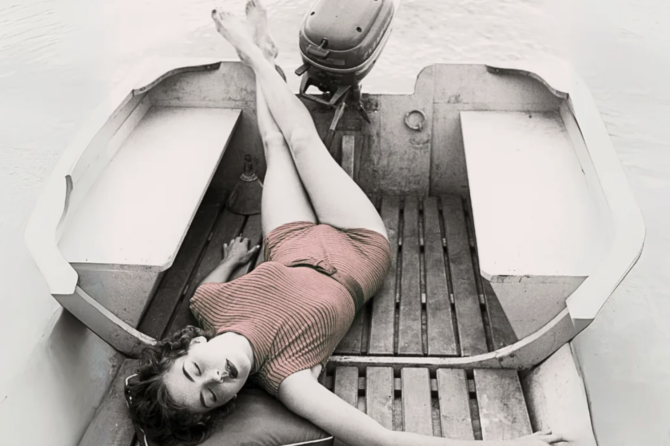
In the early 20th century, canoes were at the center of a moral panic.
There was a belief that young people were using them for secret romantic meetings, leading to attempts to regulate their use. Public opposition eventually quelled these efforts, but the fear lingered for a time.
9. Dime Novels
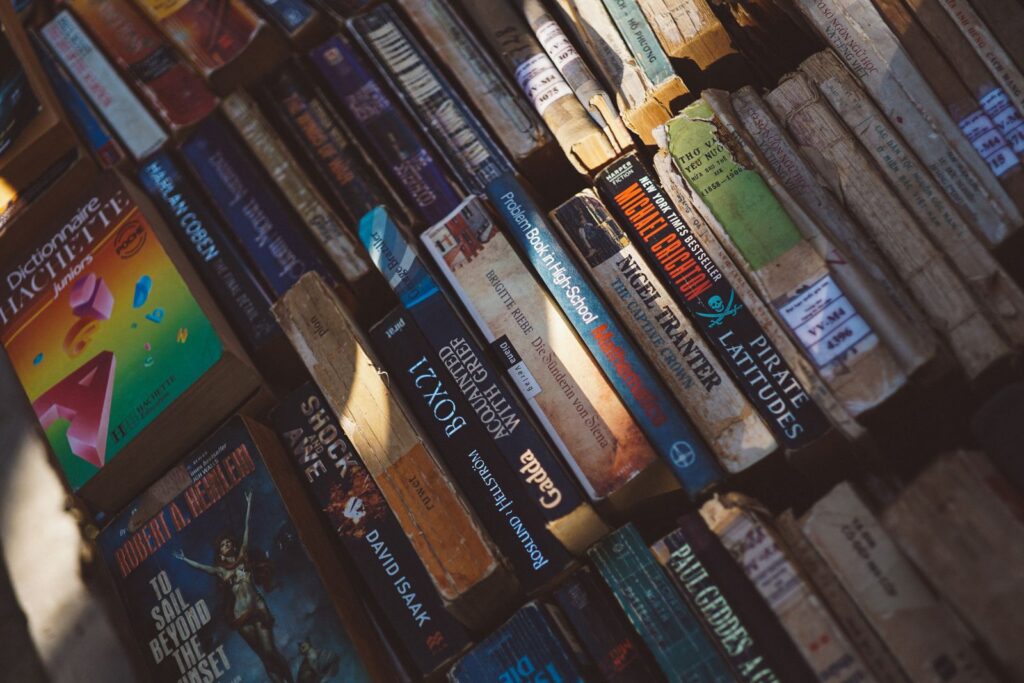
In the late 19th century, the rise of dime novels sparked concerns about their impact on society.
These inexpensive books were feared to subvert social norms and corrupt readers, leading to censorship efforts under the Comstock Law. Despite these fears, they played a significant role in making literature more accessible.
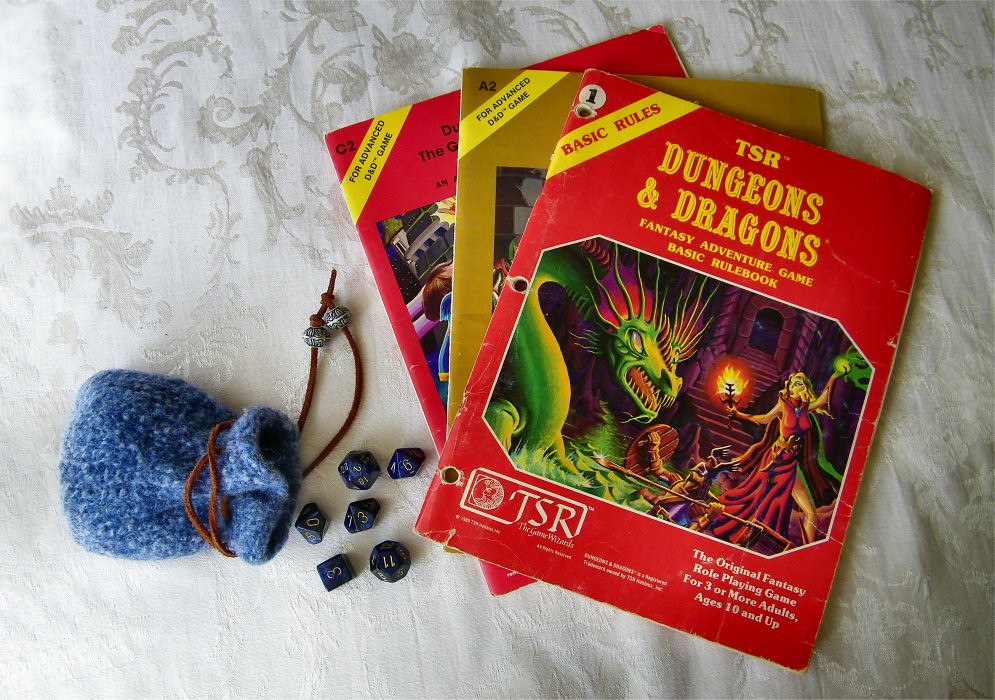
8. Dungeons & Dragons
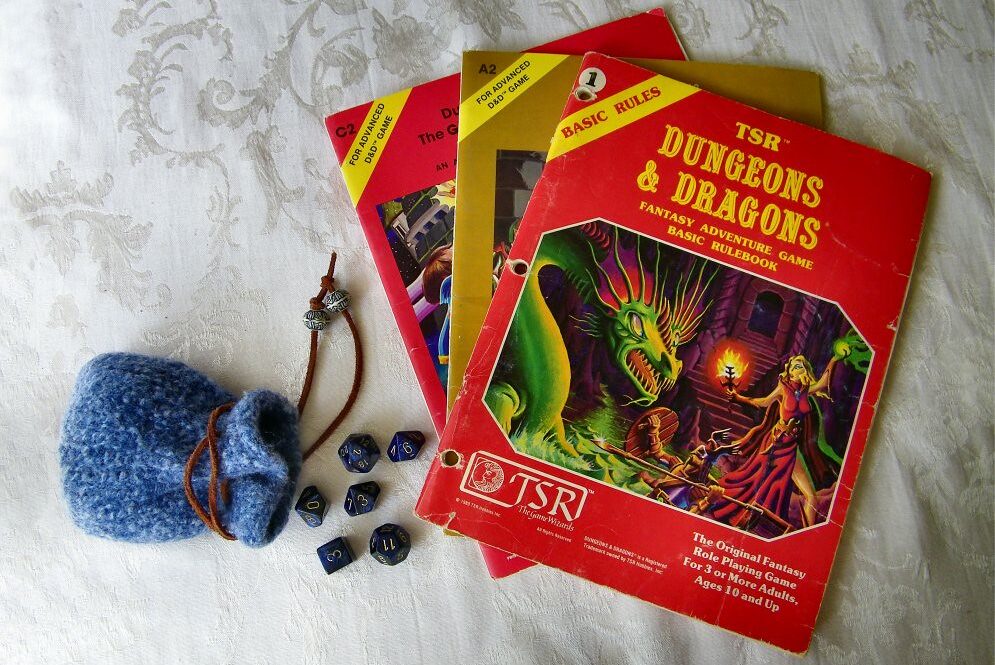
The 1980s saw a moral panic surrounding the role-playing game Dungeons & Dragons.
Misguided fears linked the game to demonic influences and even suicide, prompting campaigns against it. Eventually, studies debunked these claims, but the panic left a lasting impression.
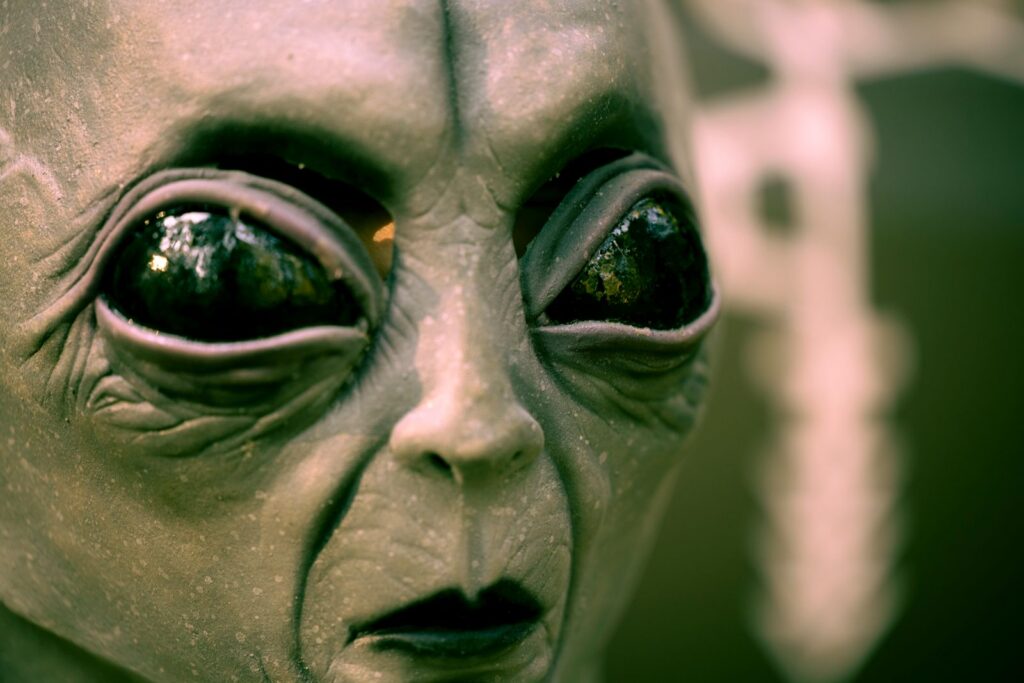
7. Martian Invasions
In 1938, a radio dramatization of “The War of the Worlds” led to widespread panic.
Orson Welles’ broadcast was mistaken for a real news report by some listeners, causing fear of an actual Martian invasion. This incident highlighted the power of media in shaping public perception.

6. Tomatoes
Once feared as poisonous, tomatoes were distrusted in early America.
Originating from European myths, this fear persisted until the 19th century when the fruit’s health benefits became widely recognized. Today, tomatoes are a staple in American cuisine.
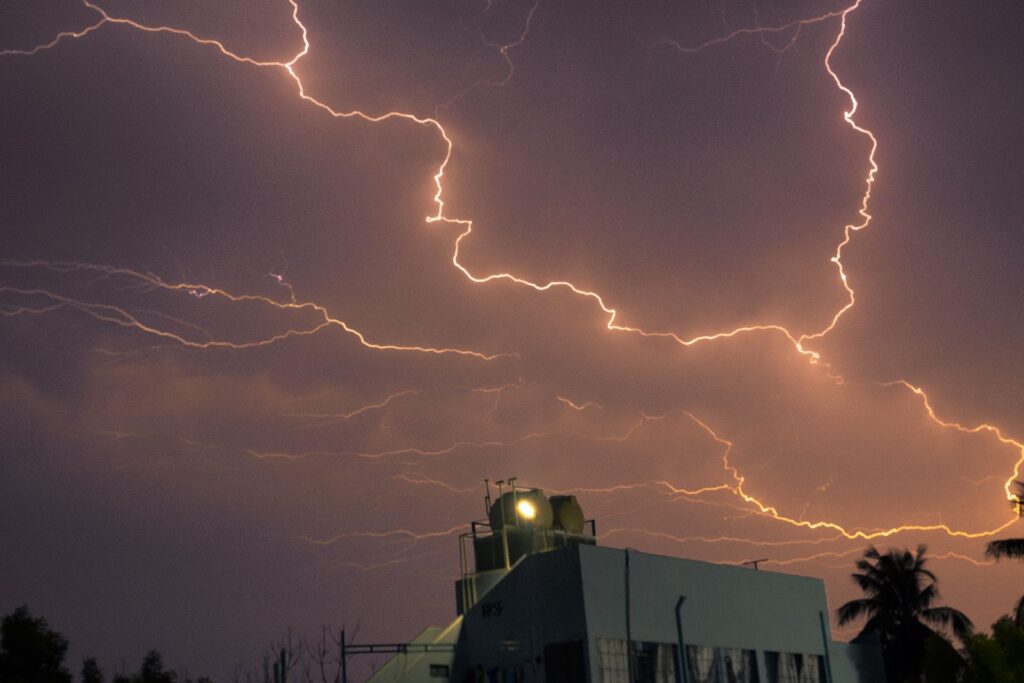
5. The Advent of Electricity
When electricity first became widespread, it was met with fear and suspicion.
People worried about its safety, fearing fires and electrocution. Over time, as safety measures improved, electricity became an integral part of daily life.

4. Public Baths
In the 19th century, public baths were viewed with suspicion.
Concerns about hygiene and morality led to opposition against their use. Despite these fears, public baths eventually became accepted as essential for public health.
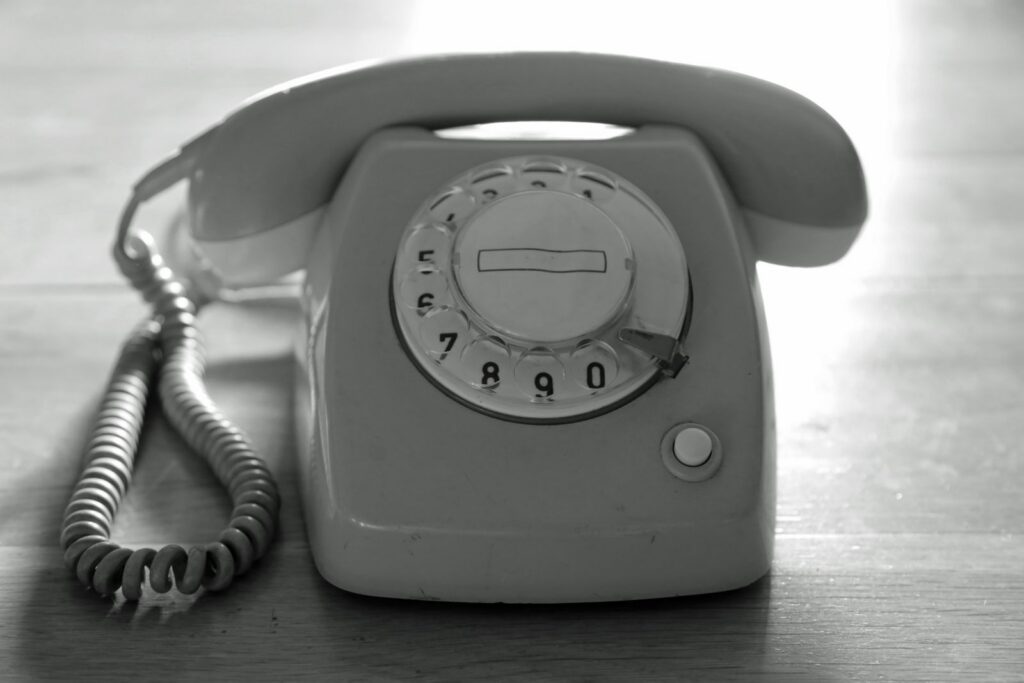
3. The Telephone
When the telephone was introduced, it was met with skepticism and fear.
People were concerned about privacy and the potential for eavesdropping. Despite initial resistance, the telephone quickly became a vital communication tool.
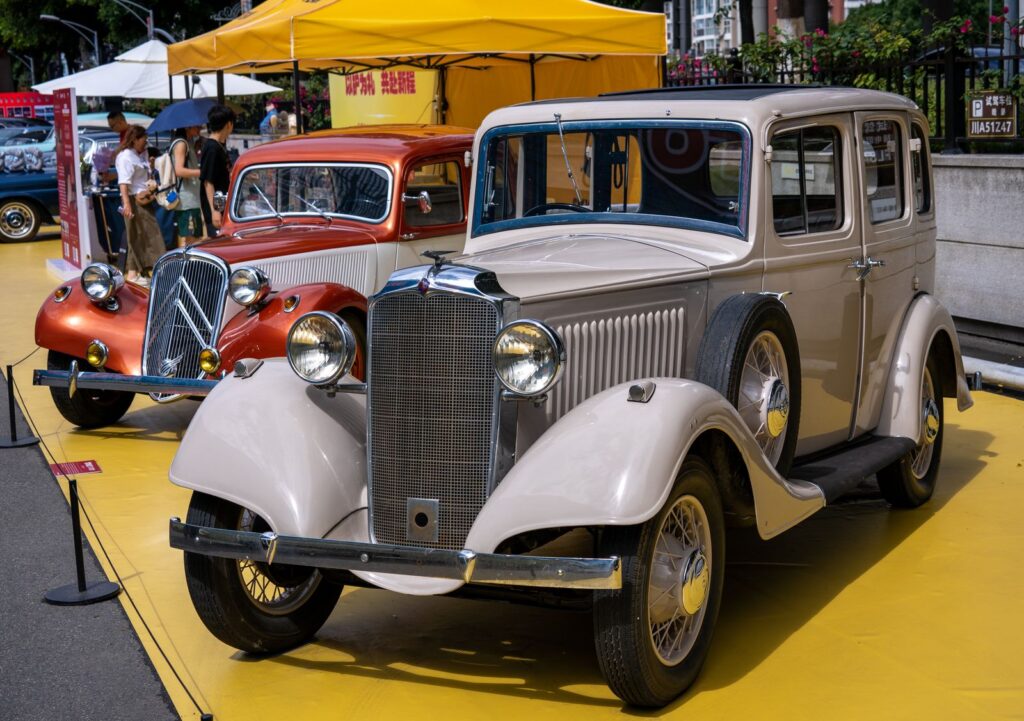
2. The Automobile
The automobile was initially feared for its speed and potential danger.
Concerns about safety and the disruption of rural life were common. Over time, as roads improved and regulations were implemented, cars became a cornerstone of American life.
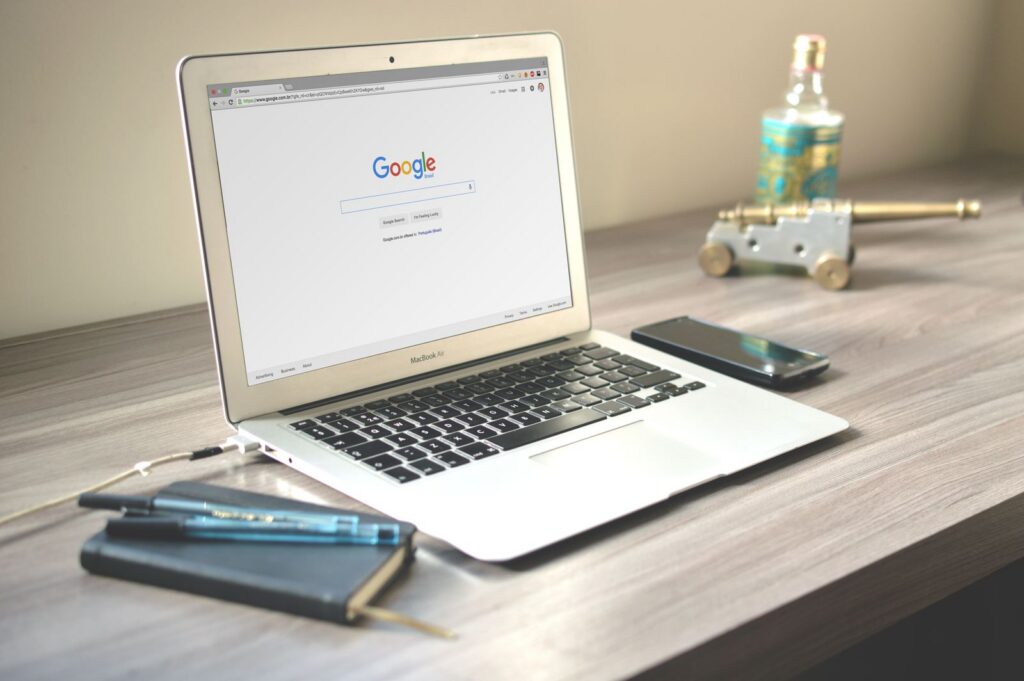
1. The Internet
As the internet emerged, it was met with fear and uncertainty.
Concerns about privacy, security, and the impact on social interactions were prevalent. Despite these fears, the internet has become a fundamental part of modern life, reshaping how we communicate and access information.
Read More:
- The 10 Deadliest Beauty Trends in History
- Why Do We Blow Out Birthday Candles? 10 Fascinating Facts
- 10 Vintage Items That Went From Tacky to Trendy
Ask us! What questions do you have about content, strategy, pop culture, lifestyle, wellness, history or more? We may use your question in an upcoming article!
Like MediaFeed’s content? Be sure to follow us.
This article originally appeared on Resourcebuzz and was syndicated by MediaFeed.co.