
10 Rules of Modern Life Nobody Ever Officially Made
No one hands you a rulebook when you become an adult, yet somehow most of us end up following the same unwritten rules. We wait our turn in coffee lines, silence our phones during movies, and apologize when someone else bumps into us. These behaviors aren’t usually laws or formal policies. Instead, they’re social norms that have quietly become part of everyday life.
Many of these unwritten rules make life run more smoothly, while others exist simply because enough people agreed they should. Here are 10 rules of modern life that nobody officially made but millions of people follow anyway.

10. Don’t Call Unless It’s Important
For many people, an unexpected phone call now feels far more urgent than a text message.
As texting has become the default form of communication, calling someone without warning is often reserved for emergencies, close family members, or situations that can’t easily be handled through messages.

9. Stand to One Side of the Elevator
Most people instinctively move aside when an elevator door opens.
Without anyone directing traffic, passengers generally allow people to exit before stepping inside. It’s a simple courtesy that keeps everyone moving efficiently.

8. Bring Something When You’re Invited Over
Whether it’s a dessert, flowers, or a favorite beverage, many people feel it’s polite to arrive with a small gift when visiting someone’s home.
While rarely expected outright, the gesture has become a common way of showing appreciation for an invitation.
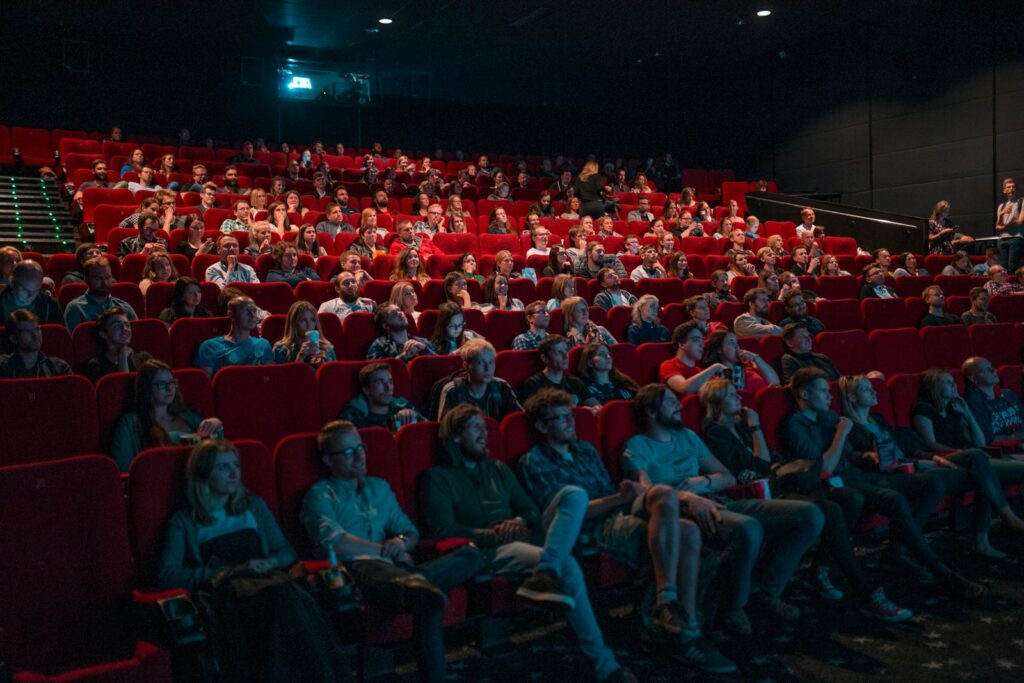
7. Don’t Sit Right Next to Someone in an Empty Theater
Personal space is one of society’s strongest unwritten rules.
If dozens of seats are available, most people naturally leave a comfortable gap between themselves and strangers. The same instinct often applies to park benches, waiting rooms, and public transportation.

6. Return the Shopping Cart
Few things generate stronger opinions than abandoned shopping carts.
Although returning one isn’t legally required in most places, many people see it as a simple act of courtesy that helps store employees and fellow shoppers alike.

5. Wait for Everyone’s Food Before Eating
Unless someone encourages you to begin, many people wait until everyone at the table has been served before taking the first bite.
The practice reflects consideration for others and remains one of the most enduring unwritten rules of shared meals.

4. Wear Headphones in Public
Listening to music, watching videos, or taking calls on speakerphone in public spaces is generally frowned upon.
As smartphones have become ubiquitous, wearing headphones has become the widely accepted way to enjoy personal entertainment without disturbing others.

3. Hold the Door for the Person Behind You
Holding a door open takes only a few seconds, yet it’s one of the most common everyday acts of courtesy.
While the timing varies depending on how close the next person is, most people instinctively recognize when it’s appropriate to lend a hand.
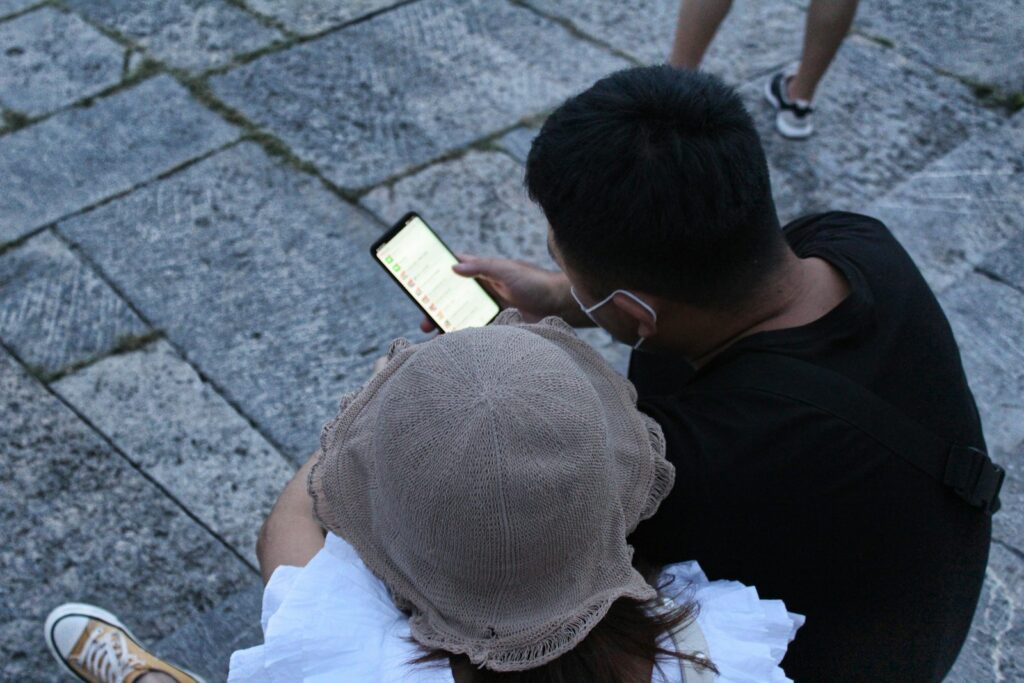
2. Don’t Read Over Someone’s Shoulder
Whether it’s a text message, laptop screen, or book, most people recognize that peeking at someone else’s reading material crosses an invisible social boundary.
As more of our lives have moved onto digital devices, respecting personal privacy has become an increasingly important unwritten rule.

1. Put Your Phone Away During a Conversation
Perhaps no modern social expectation has emerged more quickly than this one.
Although checking a notification may seem harmless, giving someone your full attention is widely viewed as a sign of respect. As smartphones have become constant companions, making eye contact and staying present have become meaningful gestures of courtesy.
Read More:
- 15 Historical Etiquette Rules That Sound Absurd Today
- 10 Everyday Phrases With Surprisingly Dark Histories
- Remember This? 10 Facts About Dating Before the Internet
Ask us! What questions do you have about content, strategy, pop culture, lifestyle, wellness, history or more? We may use your question in an upcoming article!
Like MediaFeed’s content? Be sure to follow us.
This article originally appeared on Resourcebuzz and was syndicated by MediaFeed.co.