
10 popular foods that were invented by accident
“Fahlberg is a scoundrel,” Ira Remsen wrote to a friend, per Johns Hopkins. It was about a man who’d skipped hand-washing and stumbled on a sweetener.
Plenty of what’s in our cabinets started with a mistake: a forgotten batch, a broken machine, a misheard word. Ten follow, in the order they happened.
Two of the ten are contested. For those, we say what the record shows.
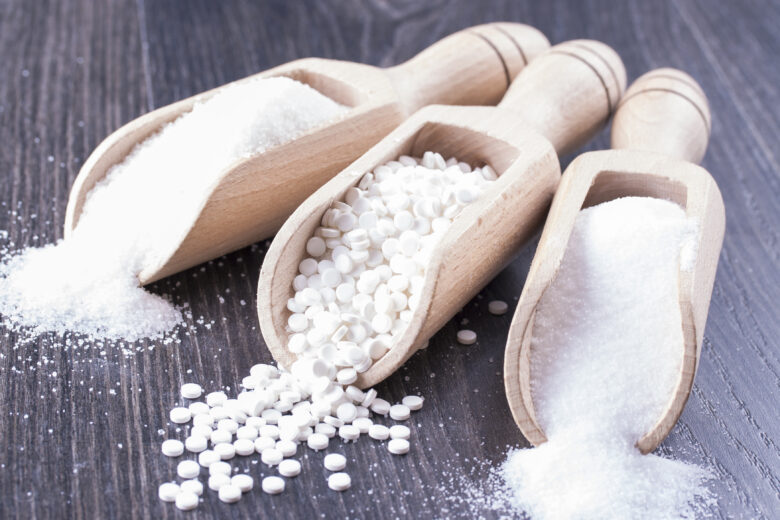
Saccharin was found by someone who skipped hand-washing
1879, Baltimore. Constantin Fahlberg, a chemist working under Remsen at Johns Hopkins, noticed his dinner rolls tasted sweet. It was something on his hands. He ran back to the lab and licked everything he’d used until he found it, the JHU Hub reports.
They were published together in 1880. Four years later, Fahlberg patented saccharin without mentioning Remsen, and got rich. Remsen got angry, per the Science History Institute.

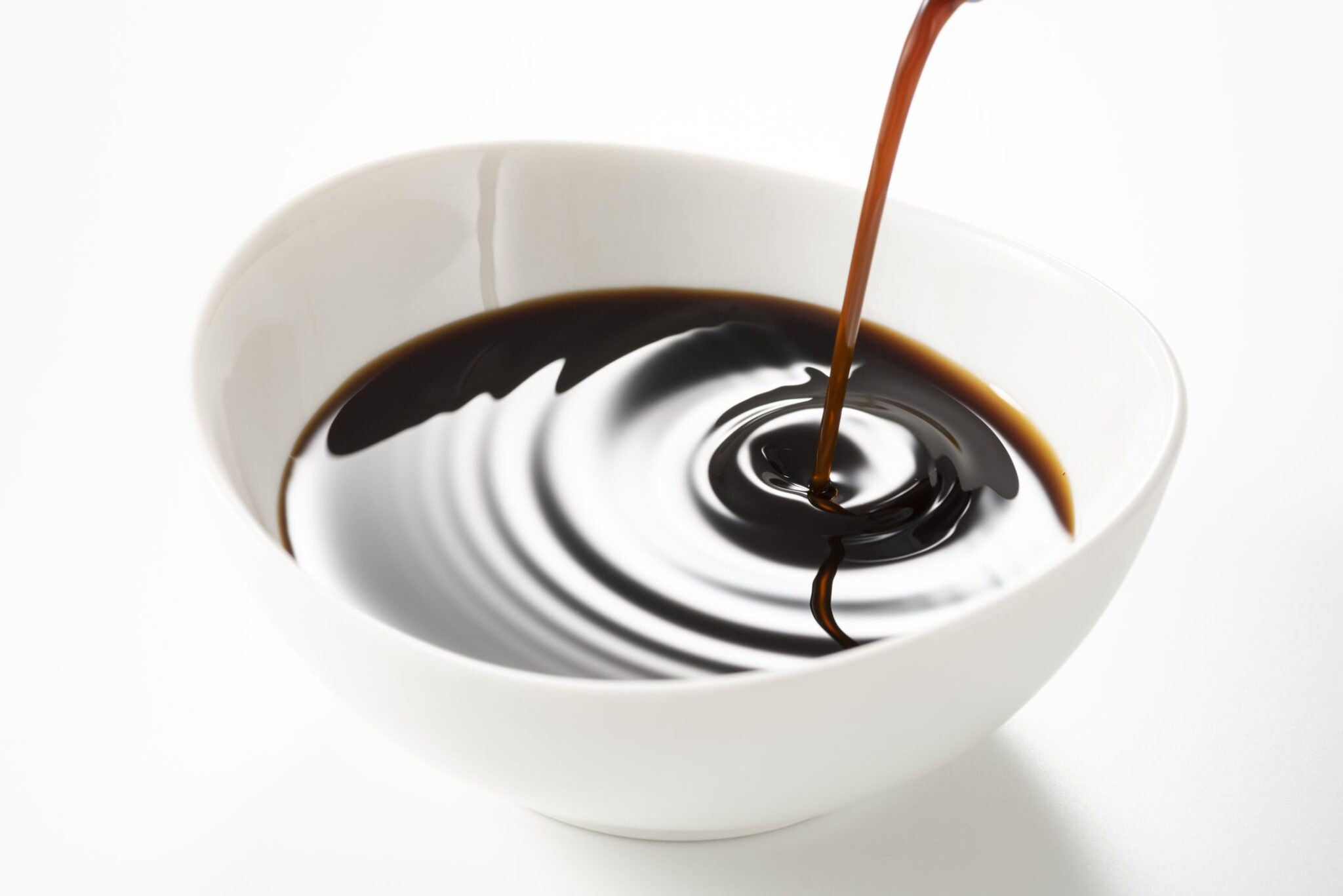
Worcestershire sauce was a recipe nobody wanted
At least, that’s the company’s story. In 1837, chemists John Wheeley Lea and William Henry Perrins sold their sauce after it sat in a cellar. It was a recipe they’d made for a nobleman, Lord Sandys, that disappointed them, per one history.
When they rediscovered it, it had matured. They took a taste, and put it on sale, Kraft Heinz says.
Historian Brian Keogh found no record of Lord Sandys ever being in India, Foodbeast notes. The cellar story rests on the company’s word.

The potato chip’s accident belongs to a woman named Kate
Everybody knows the George Crum story. In 1853, at Moon’s Lake House in Saratoga Springs, he sliced a complaining customer’s potatoes paper-thin to spite him.
Snopes found no evidence Crum ever claimed it. His sister, Catherine “Aunt Kate” Wicks, said in 1899 that she invented them, by accident, when a potato sliver fell into hot fat, per Snopes. A potato chip trade group created the Vanderbilt version in the 1970s, the Saratoga County History Center reports.
And an English cookbook had a recipe for thin fried potatoes in 1817, Today I Found Out notes.

The accident made wheat flakes first
1894, at the Battle Creek Sanitarium in Michigan. A batch of cooked wheat dough was left to sit. It went stale. John Harvey Kellogg and his brother Will ran it through rollers anyway, and it came out as flakes, per History Today.
They called it Granose, the first flaked cereal. Corn flakes came later. Will started his own company in 1906, and by 1909 it was making 120,000 cases a day, Battle Creek’s tourism board notes.

The Popsicle started with a forgotten cup
In 1905, 11-year-old Frank Epperson left a cup of soda powder and water on his Oakland porch, with the stirring stick still in it. It froze overnight, the Saturday Evening Post reports. That’s the company’s account of the date.
He patented it in 1924. His kids renamed it from “Epsicle” to “Pop’s ‘sicle.” In 1925, he sold the rights to the Joe Lowe Company, KQED notes.

Bubble gum is pink because of what was on the shelf
Frank Fleer’s 1906 bubble gum was too sticky to sell. In 1928, a 23-year-old accountant named Walter Diemer experimented after hours at the Fleer factory and got a batch that was stretchy and less sticky.
It came out gray. Pink was the only dye on hand. Dubble Bubble was born, per Hidden City Philadelphia. Neither Diemer nor Fleer patented the formula, America Comes Alive notes.

Ruth Wakefield says it wasn’t an accident
The popular story: in 1938, Ruth Wakefield ran out of baker’s chocolate at the Toll House Inn in Whitman, Massachusetts, and chopped up a Nestlé bar, expecting it to melt.
She disputed it. “We had been serving a thin butterscotch nut cookie with ice cream,” she said. She wanted something new, as quoted in Carolyn Wyman’s book. She called it the Toll House Chocolate Crunch Cookie.
In 1939, she gave Nestlé the rights for $1, which she said she never received, per the same account.
William Mitchell was trying to make soda
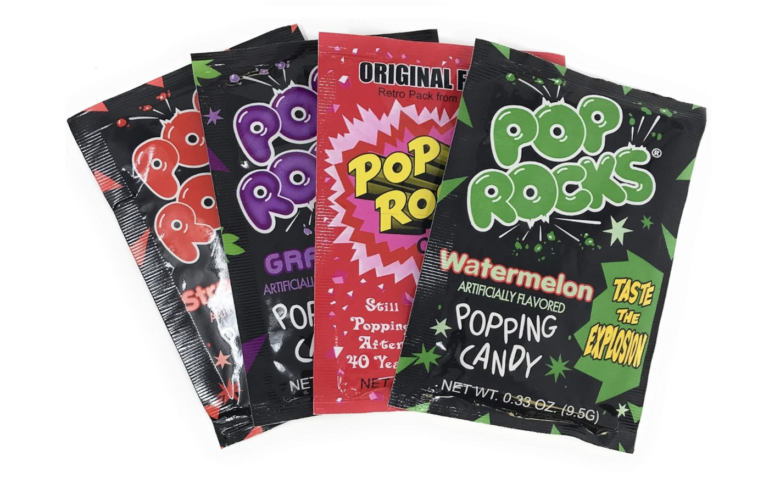
1956, General Foods. Chemist William A. Mitchell wanted an instant carbonated soda. What he got was candy that popped. He patented it in 1961, per Smithsonian Magazine.
The formula sat for about 20 years. Pop Rocks hit stores in the mid-1970s. Then came the rumor that a Life cereal kid named Mikey had died from Pop Rocks and soda. General Foods ran ads in 45 publications and wrote 50,000 letters to school principals, the same source notes.
A broken soda machine, or maybe none at all
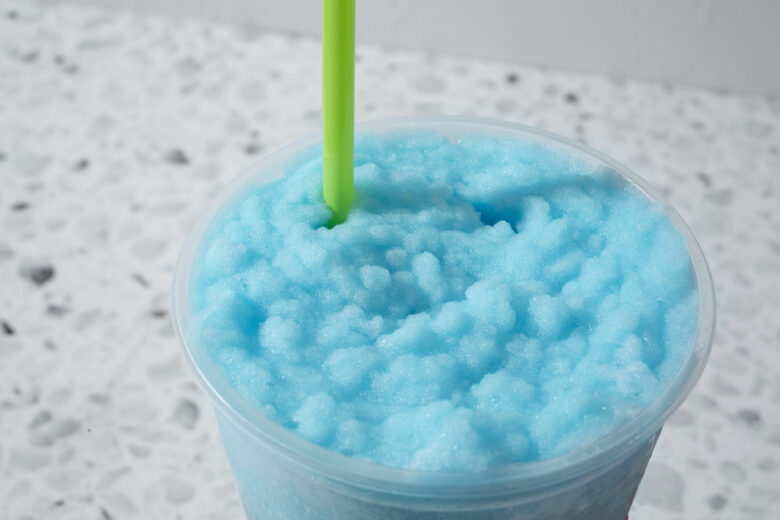
The Slurpee began as an ICEE. In the late 1950s, Omar Knedlik owned a Dairy Queen in Coffeyville, Kansas. The story says his soda fountain broke, so he put bottles in the freezer, and they came out slushy, per CNN.
Another account says he simply didn’t have a fountain, Today I Found Out notes. Either way, he built a machine from a car’s air conditioner. In 1965, 7-Eleven licensed it and renamed it, WFAA reports.
Somebody misheard “test” as “taste”
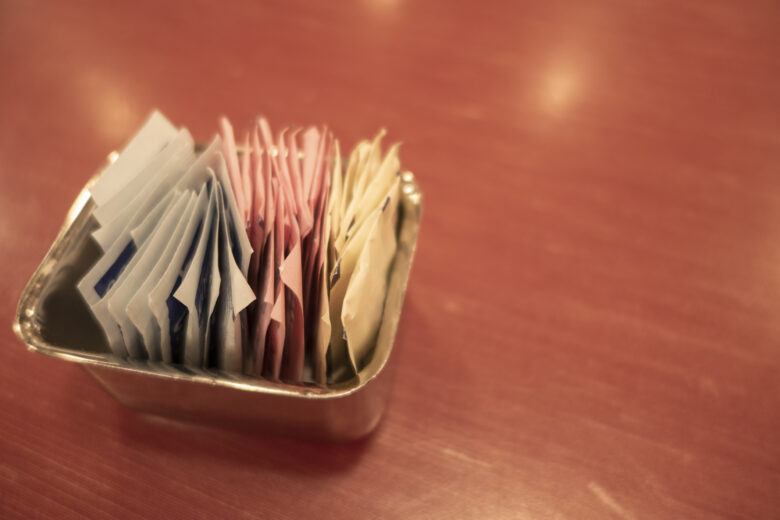
1976, London. Shashikant Phadnis was a researcher at Queen Elizabeth College. His adviser, Leslie Hough, told him to test a chlorinated sugar compound. Phadnis heard “taste.”
“I thought I ought to taste it,” he said, per ChemistryViews. It was extremely sweet. Hough, a little troubled, took the news. One law firm calls the story apocryphal, though it was reconstructed from interviews.
Canada approved sucralose in 1991, and the FDA in 1998. It became Splenda, per one history.

The bottom line
Frank Epperson was 11 when he left a cup on the porch. Walter Diemer was a 23-year-old accountant when he dyed his gray batch pink.
Ask us! What questions do you have about content, strategy, pop culture, lifestyle, wellness, history or more? We may use your question in an upcoming article!
Related:
- 15 foods that seem healthy but often aren’t
- Some of the most surprising record deals in music history
Like MediaFeed’s content? Be sure to follow us.
This article was syndicated by MediaFeed.co.