Lawn Love’s 10 Fall Lawn Care Tips
Fall foliage is beautiful to look at — but all those leaves covering your lawn can smother your grass. Leaf removal is just one of the things you need to do to care for your lawn in fall. Aeration, fertilization, and weed control are some of the other items on our fall lawn care checklist.
What you do now sets your yard up for success come springtime. Your grass will green up faster, those bare patches will be filled in, and you’ll spend less time battling weeds.
Fall lawn care can be wildly different depending on your grass type and where you live.
With cool-season grasses, there’s more work to do ahead of winter dormancy. If your lawn is a warm-season grass type, it’s more mowing as usual through fall till you cut your grass biweekly or monthly instead of weekly.
No matter where you live or your grass type, the most obvious sign of fall will be leaves that need to be removed from your lawn.

1. Leaf removal
Fall leaves are beautiful, but all those leaves on your lawn can harm your grass.
Here’s how:
Leaves…
- Smother grass. Leaves block the sun, water, and air your grass needs.
- Spur lawn diseases (such as snow molds, red thread, and brown patch).
- Attract pests (ants, termites, cockroaches, and rodents, for example).
- Increase weeds. A thick layer of moist leaves fuels weed growth.
- Lower curb appeal. Your yard looks uncared for or like a lot of work to buyers.
Leaf removal is a lot of potentially back-straining work. You’re bending over a rake and then bending over to scoop all those leaves into bags. Leaf cleanup takes a lot of time, too. That is why homeowners increasingly hire a local leaf removal crew to get rid of all those leaves.
If you DIY your leaf removal, you can rake leaves or blow leaves into piles. Check if your city has free leaf removal and if the collection is of loose leaves raked to the curb or bagged leaves set out with your trash or in a special container.
You also can mulch leaves with your lawn mower or compost leaves. In both cases, mulched leaves or leaves in compost return nutrients to the soil.
2. Dethatch your grass (if needed)
When to dethatch cool-season grass: Early fall (September)
Warm-season grasses: Don’t dethatch your lawn in fall.
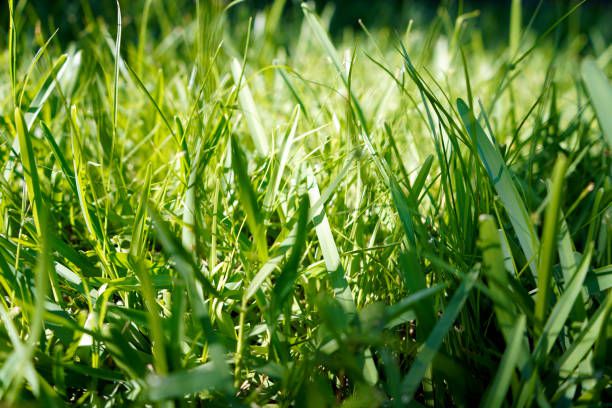
Thatch is the layer of living and dead organic matter between your grass and the soil. A little is fine, but excess thatch (thicker than ½-inch) can foster pests and diseases, as well as prevent air, water, and nutrients from getting into the soil and the root system.
Fall is the ideal time to dethatch cool-season grasses because your grass is actively growing and can repair the damage that dethatching can do. Warm-season grasses will be heading into dormancy and should not be dethatched this season.
How do I check for thatch? To check for thatch, dig out a soil sample and measure the spongy layer between your grass and the soil. You can use a spade or a trowel to do this.
If your lawn’s thatch layer is too thick, dethatch your lawn. You can use a thatch rake for minor dethatching projects. For major thatch issues, we recommend using a power rake or vertical mower.
3. Aerate the ground (if needed)
When to aerate cool-season grass: Early fall (September)
Warm-season grasses: Don’t aerate warm-season grass in fall.
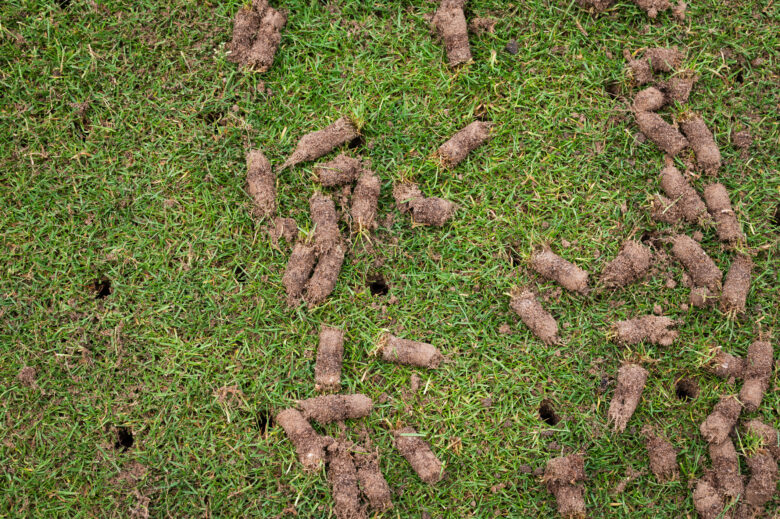
Aeration relieves compacted soil. Compacted soil blocks air, water, and nutrients from reaching your turf’s root system and makes it difficult for the roots to grow.
Lawn aeration involves poking holes in the soil to loosen it. Core aeration goes the extra mile (when compared to liquid aeration) by actually removing soil plugs from the ground.
Aeration, like dethatching, is a more stressful lawn procedure. The best time to aerate cool-season grass is in the fall. It’s best to skip dethatching warm-season grass because your grass may not be able to recover before dormancy.
Note: Clay soils are more prone to becoming compacted than other types of soil. Heavy foot traffic also often increases soil compaction.

4. Control weeds
Fall is the best time to target prevent winter annuals and fight perennial weeds regardless of your grass type.
Winter annual weeds: To prevent winter annual weeds from germinating, you should apply pre-emergent herbicides when the temperatures drop below 70 degrees. Pre-emergents block these weeds before they sprout. Some winter annuals you can prevent are: henbit, annual bluegrass, and common chickweed.
When to apply pre-emergent weed control: Early fall, when the temperatures drop to 70 degrees.
Perennial weeds: Why is fall a good time to treat perennial weeds? Throughout the fall, perennial weeds (dandelions, clovers, creeping Charlie, to name a few) will start storing nutrients in their roots to prepare for the winter. They’ll also transport herbicides down to their roots during this time, which will injure or even kill them.
When to apply post-emergent weed control: Early to mid-fall, before temperatures drop to 60 degrees.
To fight perennial weeds, apply post-emergent weed control before temperatures get too low. Amit Jhala and Jenny Rees, a weed management specialist and an extension educator (respectively) with the University of Nebraska-Lincoln Institute of Agriculture and Natural Resources, say that post-emergent herbicides perform worse when it’s 40 to 60 degrees.
Note: We recommend spot-treating over blanket applications of post-emergent herbicides, as it’s healthier for your lawn, environment, and budget.
Are there ways to kill weeds without spraying? Yes, hand-pulling (you can use a dandelion digger) is the most common non-toxic way to kill weeds.
There are also organic herbicide alternatives that act as pre- and post-emergents: corn meal gluten (pre-emergent) and chelated iron (post-emergent), for example.
5. Identify and treat lawn diseases
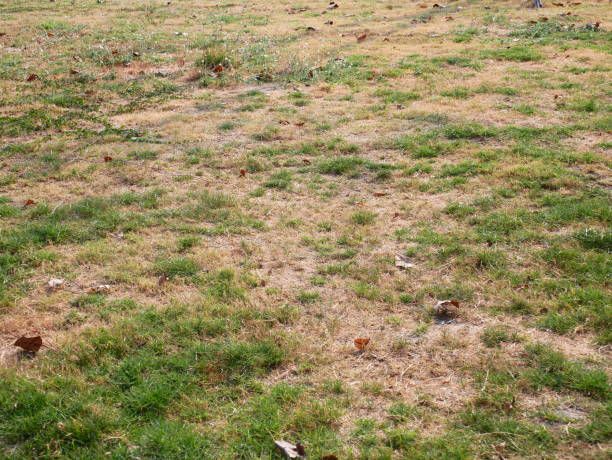
Lawn diseases can show up in your lawn in fall. If/when one does, identify the lawn disease and then treat it with a fungicide.
Some lawn diseases you might see this fall are:
- Red thread
- Pink snow mold
- Gray snow mold
- Leaf spot and melting out
- Turfgrass rust
- Dollar spot
You can also spray fungicides as a preventive for lawn diseases. According to the Mississippi State University Extension, this is the most effective way to use fungicides. If you want to use fungicides as deterrent, look into topical fungicides (also called contact fungicides or protectants).
6. Overseed to fill in bare spots
Cool-season grasses: Overseed or lay down cool-season sod in early to mid fall, at least 45 days before the estimated date of the first frost
Warm-season grasses: Overseed warm-season lawns in fall only if you’re overseeding for winter color.
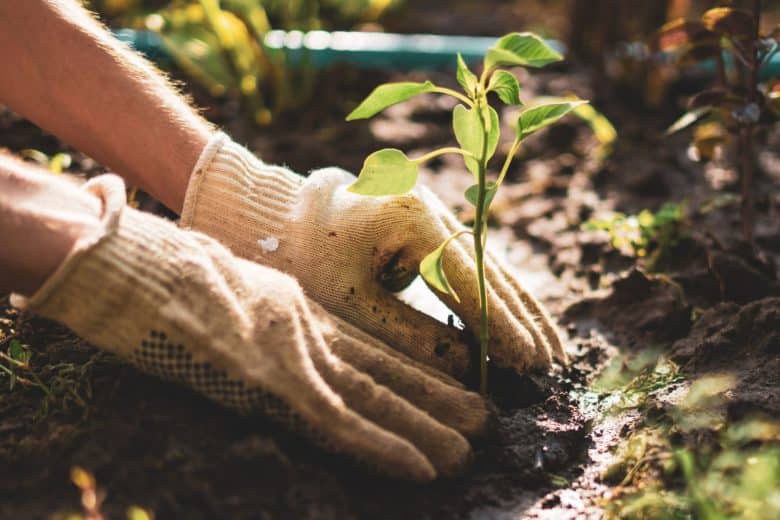
Overseeding or laying sod is the best way to fill in bare patches in your lawn, and fall is the best season to do this for cool-season grasses. Why? Cool-season grasses grow best in cooler temperatures.
Aside from looking unsightly, these bare patches are bad for your lawn’s health. Weeds can move into your yard and steal nutrients from your turf.
Note: You should overseed or lay sod at least 45 days before the estimated date of the first frost. This will give your grass enough time to establish a strong root system to get them through the winter.
Should I overseed my warm-season lawn? No, unless you’re overseeding for winter color. Southern homeowners who want a green lawn year-round can seed annual ryegrass in the fall when the temperatures drop to 70 degrees. You’ll have to care for your lawn throughout the winter though – fertilization, mowing, etc.
7. Fertilize your grass
When to fertilize cool-season grass: Early fall (September) and late fall (mid to late October)
Warm-season grasses: Fertilize warm-season lawns in fall only if you’ve overseeded with annual ryegrass for winter color.
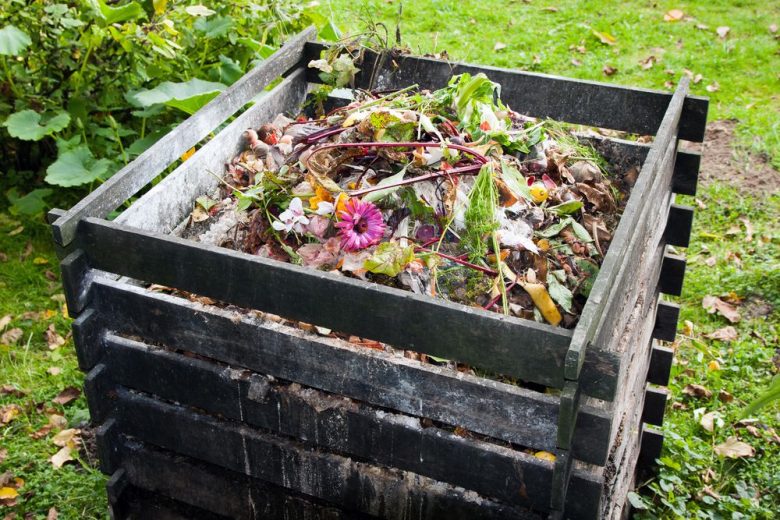
To support your cool-season lawn’s healthy growth, fertilize your lawn. Fertilizer contains the three macronutrients – nitrogen, phosphorus, and potassium, also known as N-P-K – that all plants need to grow.
The best time to fertilize your cool-season lawn is when the temperatures consistently hit the 70s and 60s. Don’t fertilize your lawn too late or else your grass will grow past its active growth season, which can stress your grass.
If you’ve tested your soil this fall, you can use the results to determine what fertilizer ratio your lawn needs. Otherwise, you can use a balanced fertilizer or an organic fertilizer.
In mid to late fall, you should use a winter fertilizer for your second application.

8. Control lawn pests
Fall is not the time to slack off when it comes to being on the lookout for and fighting lawn pests, as many insect larvae and caterpillars are still crawling around.
Some fall pests you might find in your lawn are:
- Leatherjackets. Treat with nematodes from September to mid-October, otherwise treat in November.
- Chinch bugs. Best treated in the summer, but can still be treated whenever seen in the fall.
- Armyworms. Treat after the ground dries up when it rains. Best treated in the late afternoon.
- Cutworms. These are a type of caterpillar and are more of a problem in the summer, but can be targeted in the fall. Spray during late afternoon.
- Mole crickets are best treated in late spring to early summer. Keep an eye out for damage this fall to treat your lawn next year.
- Sod webworms are best treated in late summer. However, adult moths may continue to lay eggs if the temperatures stay warm throughout the season. Spray insecticide in the late afternoon.
- White grubs can be treated only in early fall. They move deeper into the soil in October.
9. Adjust your mowing height in fall
When to start lowering mow height: Early fall
When to adjust mowing height for winter: Mid to late fall, before you stop mowing (cool-season grasses) or mow less frequently (warm-season grasses)
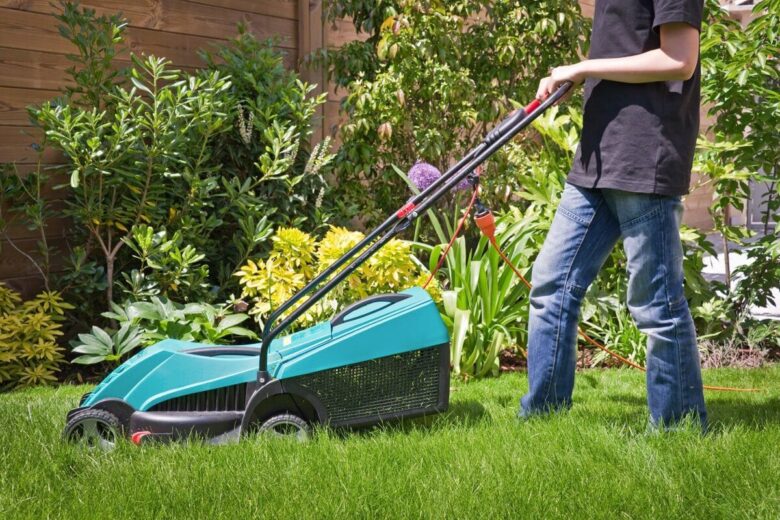
Did you raise your mowing height in the summer? You should gradually lower the mowing height in early fall until you get back to the normal height, which will depend on your grass.
Note: Typically, you should have raised your mowing height by only half an inch, though; so, lower it by half an inch.
Lower your mowing height over multiple mowing sessions as you never want to cut off more than one-third of your grass blade’s height.
How often do I need to mow my lawn this fall? How often you cut your grass depends on how fast it’s growing. Generally, you will need to mow cool-season grasses more often during peak growth season.
Gradually adjust your mowing height again when the estimated date of the first frost draws near (for states where the first frost is annual event).
- Mow cool-season grasses lower before winter to prevent snow mold and pests like voles.
- Mow warm-season grasses higher before winter. Mowing higher may help prevent winter injury on your warm-season lawn.
When should I stop mowing my lawn this fall? The time of your last mow will depend on when your grass stops growing. In Southern states where warm-season grasses are common, you may never stop mowing — you just mow biweekly or monthly or when your lawn needs to be cut.
10. Continue watering until the first frost
When to stop watering your lawn: Mid to late fall, depending on the date of the first frost and when your grass goes dormant
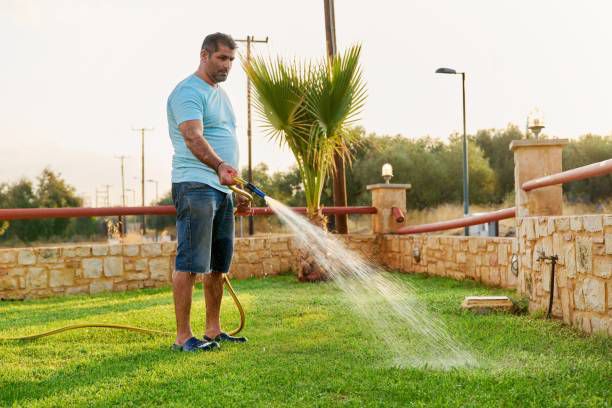
Your lawn will still need water during the fall months. However, you may need to irrigate your lawn less (or even not at all) if it rains so your turf doesn’t get overwatered. When the first frost draws near or if your grass has gone dormant, it’s time to stop watering your grass and winterize your lawn irrigation system (which we’ll cover below).
How do I know my grass needs water? You can always check your lawn for signs of underwatering such as:
- Dry grass
- Gray, yellow, or brown grass
- Footprints left in the grass after you step on your lawn
How much water does my grass need this fall? This depends on the type of grass you have:
- Cool-season grasses need 1 to 1½ inches of water a week.
- Warm-season grasses will need only ½ to 1 inch of water a week.
Should you scalp your lawn in the fall?
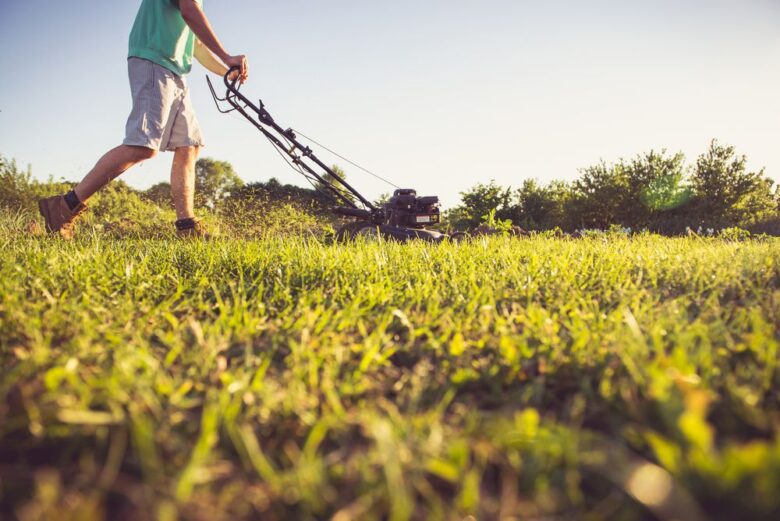
No, you shouldn’t scalp your lawn this fall, especially if you have cool-season grass. Only Zoysia and Bermudagrass can handle scalping – and even then you should only do that in the spring under special circumstances such as a lawn renovation.

Should you leave lawn furniture out this fall?
Near the end of fall, you should put away your lawn furniture to prevent the temperature and the elements from damaging them. Heavy lawn furniture can also damage frozen grass.

Should you topdress your lawn this fall?
You can topdress your lawn this fall to amend your soil. If your lawn is looking a little lackluster, you can try to topdress to see if it solves the problem. You can learn more about this in our guide to topdressing.

Hire a local lawn care pro this fall
Fall is not a time to neglect your lawn, especially if you have cool-season turf. In fact, it’s a very busy lawn care season because you have to prepare your grass for the winter months ahead. It might be better to call a local lawn care pro for leaf removal, lawn fertilization, aeration, and weed control, if you’re struggling to juggle fall lawn care with your family, friends, hobbies, work, and recreation.
Don’t hesitate to call for lawn care help.
See Related:
Like MediaFeed’s content? Be sure to follow us.
This article originally appeared on LawnLove.com and was syndicated by MediaFeed.org.