10 Creative Ways to Break Traditional Decorating “Rules”
In the world of interior design, rules have long dictated the way we decorate our homes. From color schemes to furniture arrangements, these guidelines have been followed religiously. However, as design evolves, many professionals are choosing to break free from these constraints, embracing a more personalized and creative approach.
Gone are the days when everything had to match perfectly or when ceilings were always painted white. Designers are now encouraging homeowners to express their individuality and create spaces that truly reflect their personalities. Here are 10 creative ways to break traditional decorating “rules” and make your home stand out.
10. Embrace Mismatched Elements
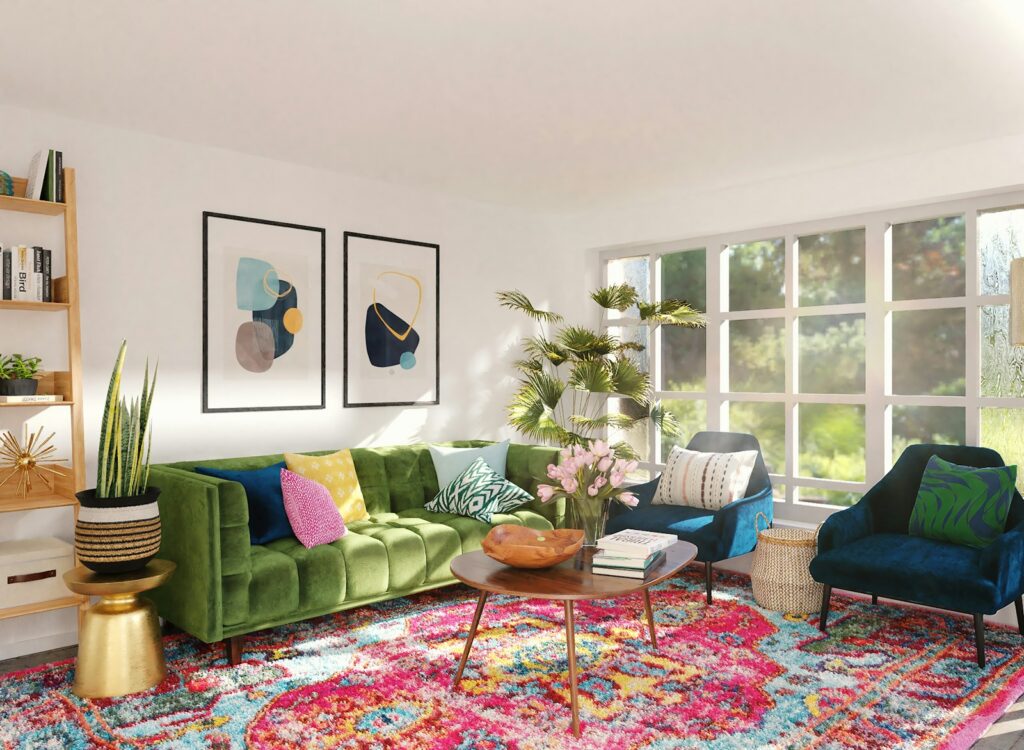
For years, matching was the name of the game in interior design.
Today, designers are mixing and matching different design elements to create spaces that feel curated and intentional. Combining various textures, colors, and styles can result in a more dynamic and interesting home.
9. Paint the Ceiling
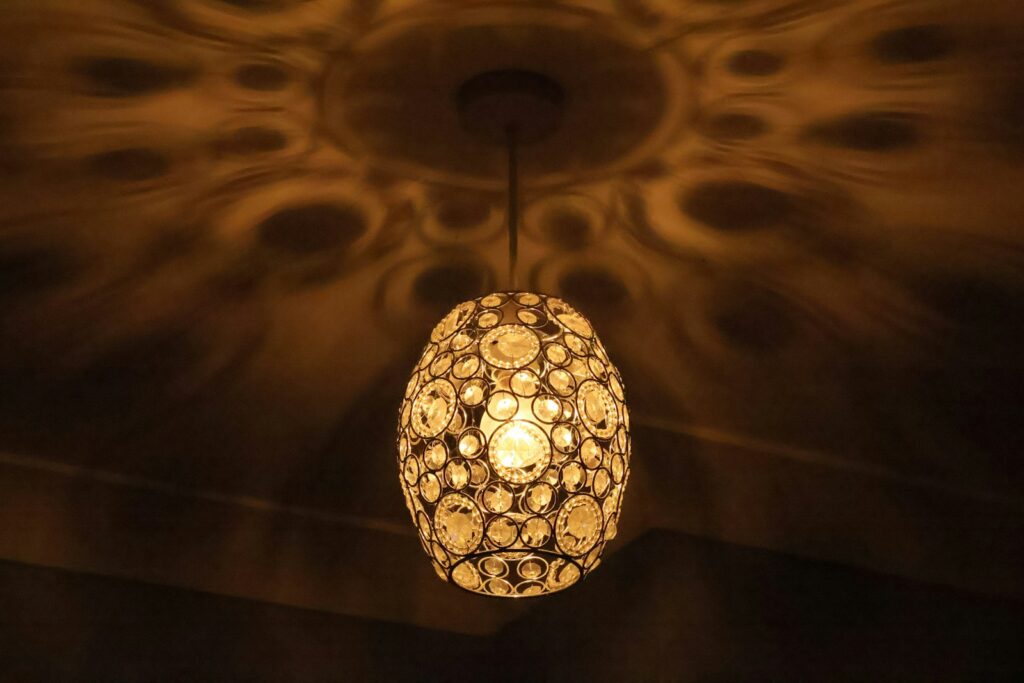
The ceiling is often overlooked as a design element.
Instead of defaulting to white, consider using color or pattern on your ceilings to add depth and personality to your rooms. Treating the ceiling as the “fifth wall” can transform a space into a more cohesive and creative environment.
8. Use Dark Colors in Small Rooms
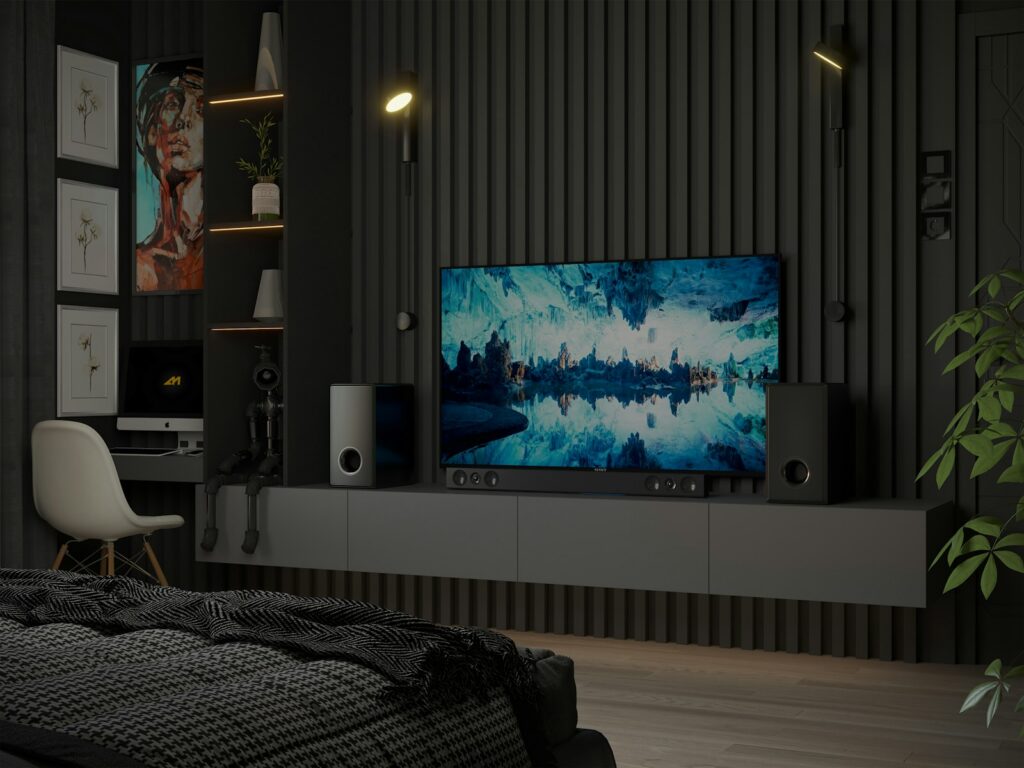
The age-old advice to use light colors in small rooms is being reconsidered.
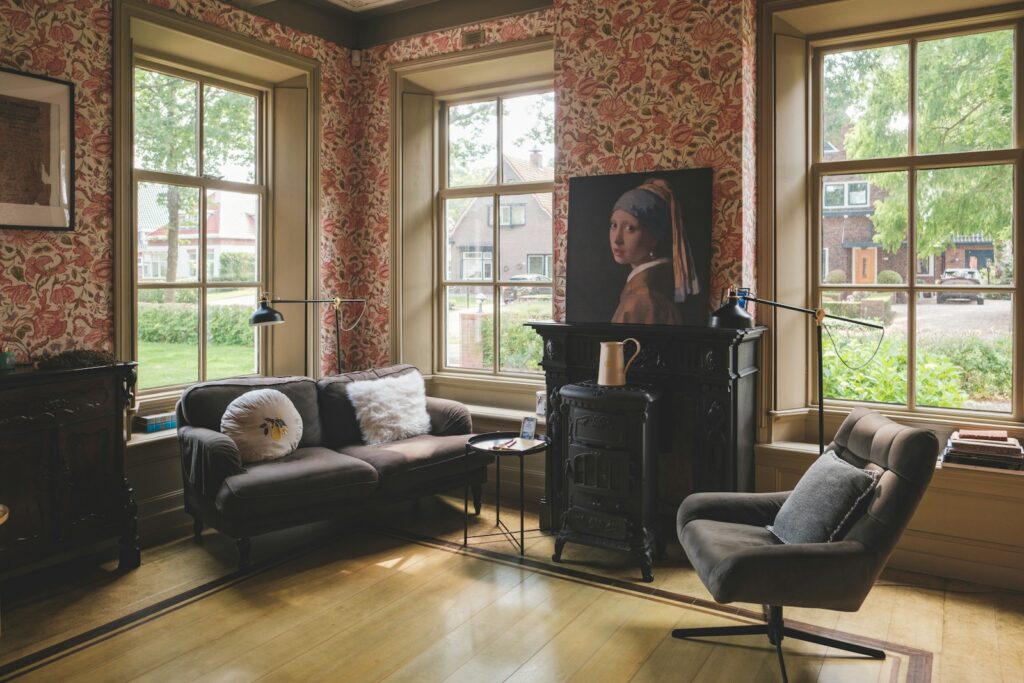
Designers are now embracing deep, rich hues and intricate wallpapers to make small spaces feel more intimate and cozy. Dark colors can add a sense of drama and elegance that light colors might not achieve.
7. Display Art Without Nails
Traditionally, art was always hung on walls.
Modern designers suggest leaning art against walls or tucking frames behind furniture for a more relaxed and versatile look. This approach allows you to easily change the display and create a more layered aesthetic.
6. Maximalism Over Minimalism
While minimalism had its moment, maximalism is gaining traction.
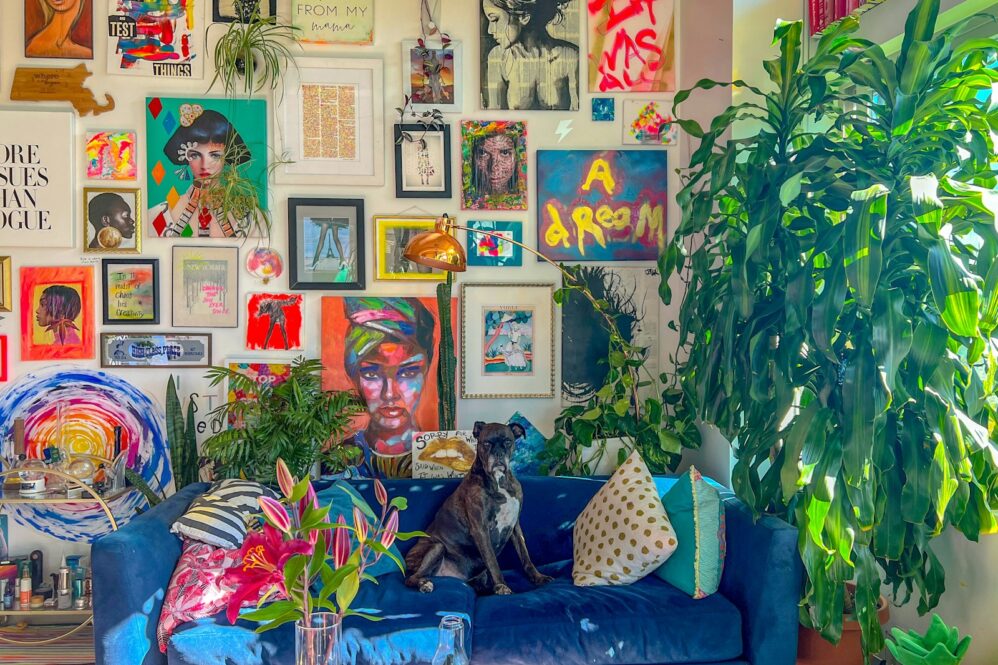
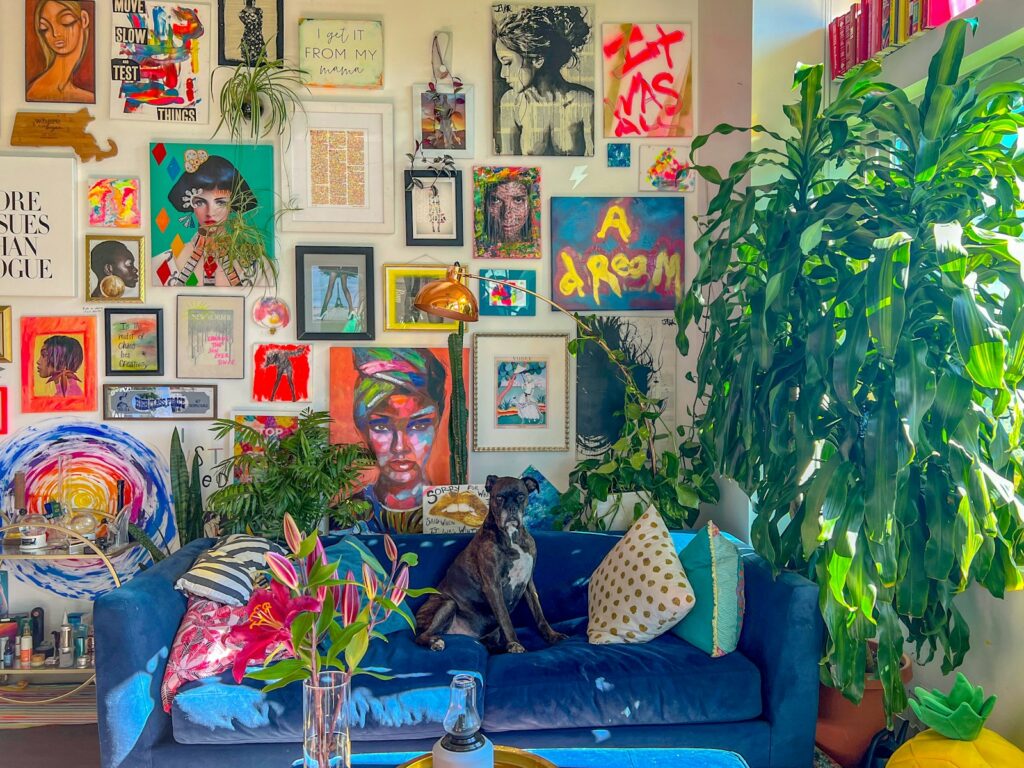
Maximalism focuses on layering, collecting, and mixing various elements to create a deeply personal space. This approach defies the notion that less is more, allowing for a more expressive and vibrant home.
5. Prioritize Personal Preferences Over Resale Value
Homeowners often design with future buyers in mind.
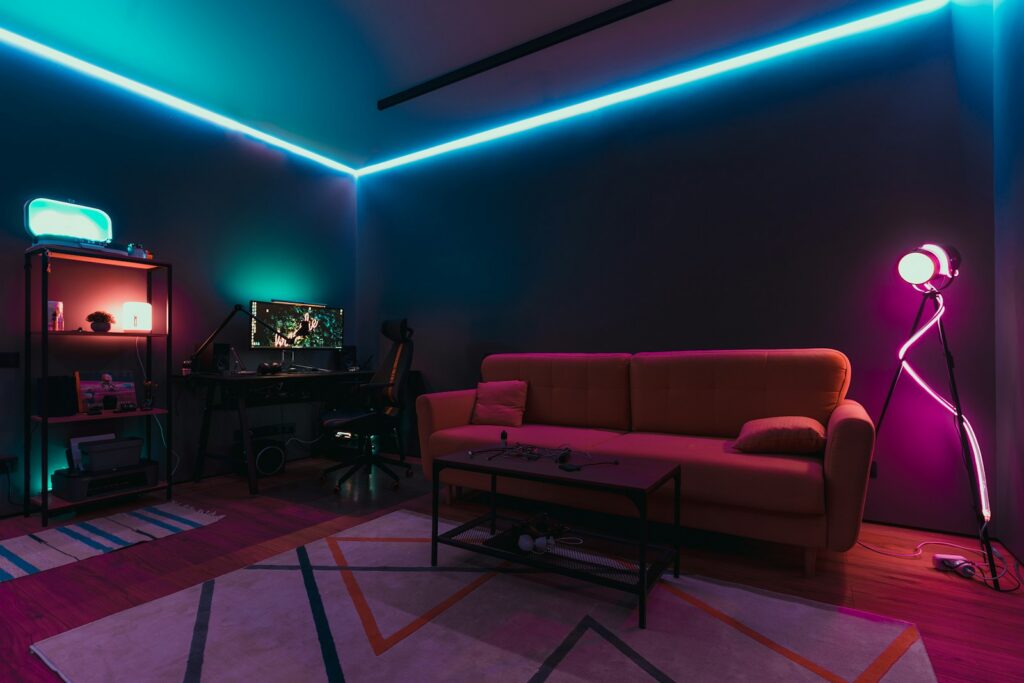
Instead, focus on what enhances your life and makes your home enjoyable for you. Unique features like hobby rooms or personalized spaces should cater to your needs, not just potential resale value.
4. Mix Different Metal Finishes
Once considered a faux pas, mixing metal finishes is now encouraged.
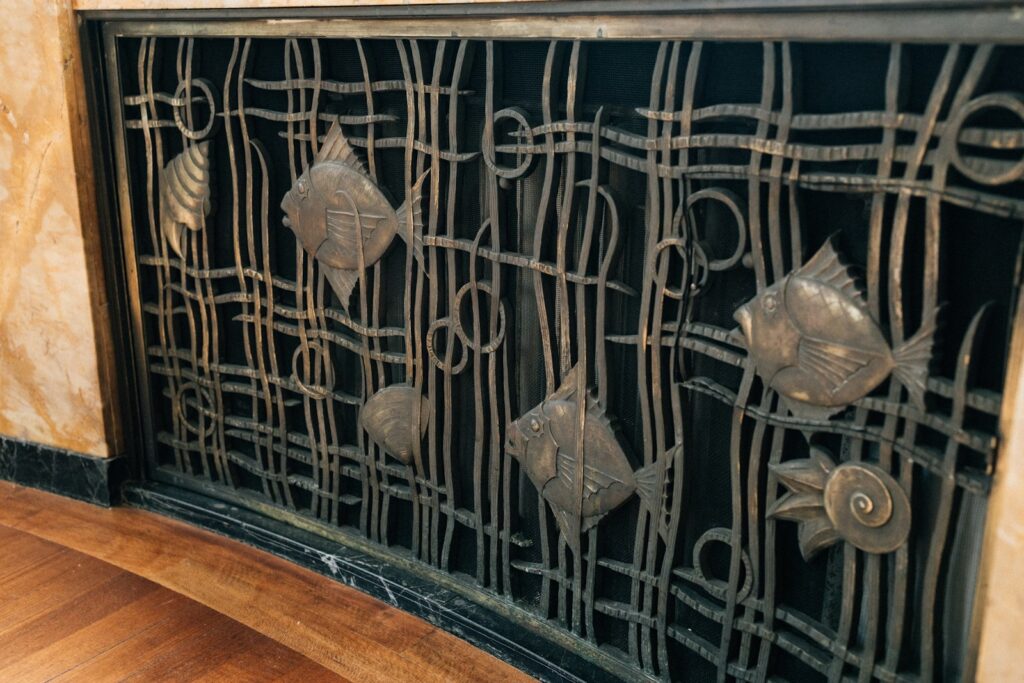
Combining different metals, like brass with chrome, can add dimension and interest to a space. This approach breaks the monotony and creates a more eclectic and personalized look.
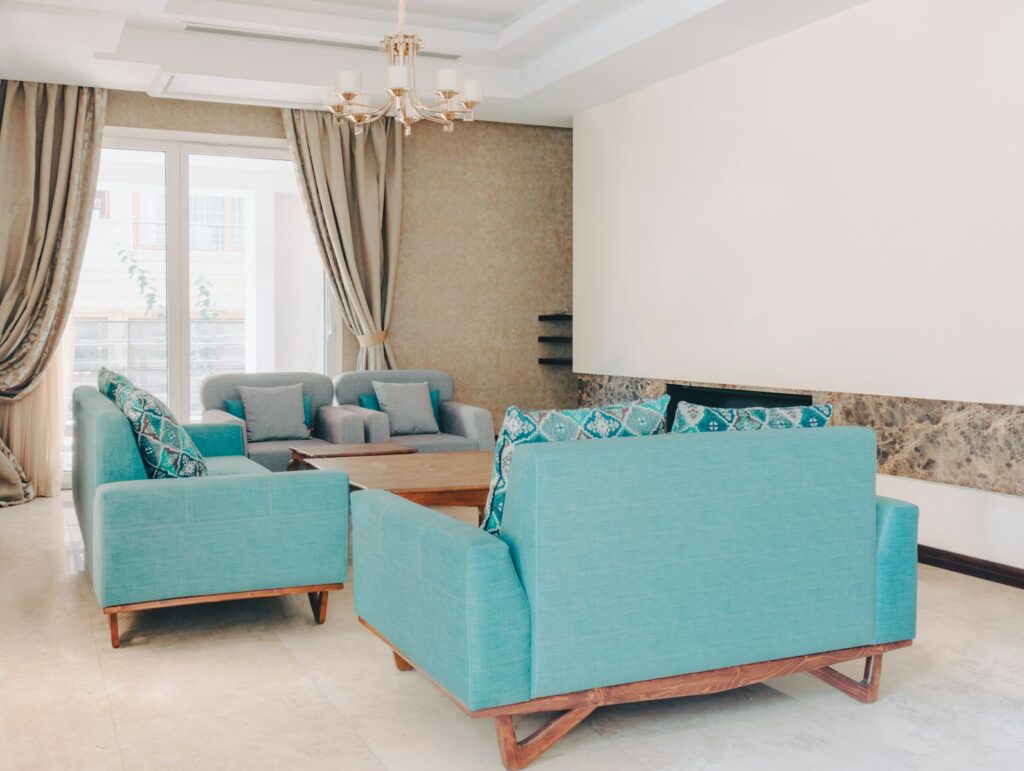
3. Incorporate Bold Patterns
Bold patterns were once seen as overwhelming.
However, they can add vibrancy and character to a room. Mixing patterns, whether in textiles or wallpapers, can create a sense of energy and movement, making your space feel alive and dynamic.
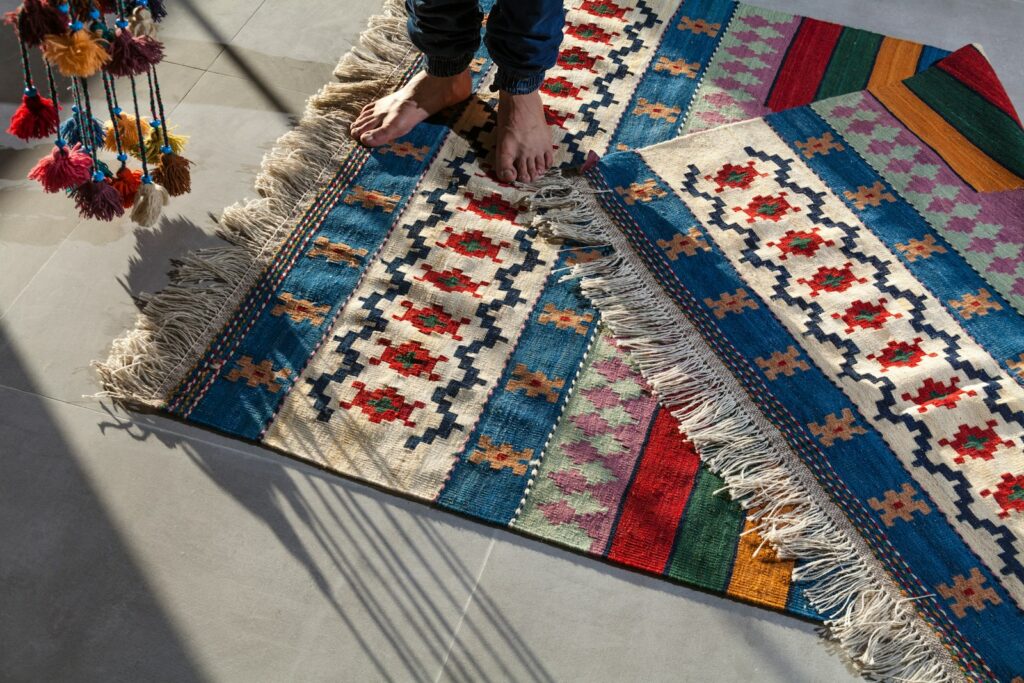
2. Layer Rugs for Texture
Rugs have traditionally been used singularly.
Layering rugs can add texture and warmth to a room, creating a cozy and inviting atmosphere. This technique allows for experimentation with different colors and patterns, enhancing the overall design.
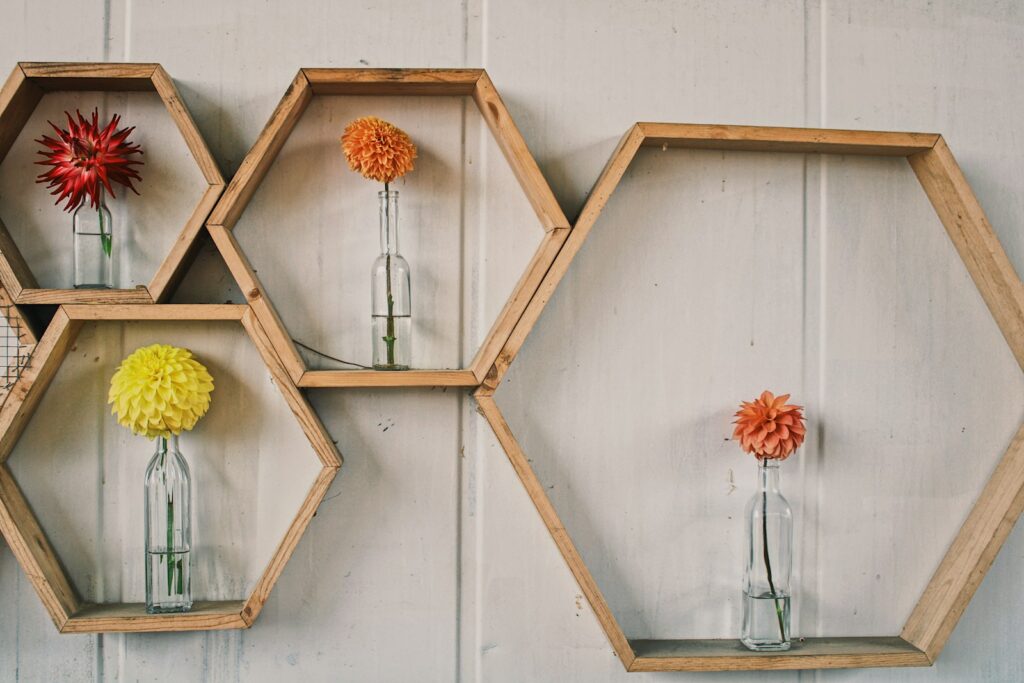
1. Use Unexpected Materials
Traditional materials like wood and stone are staples in design.
Incorporating unexpected materials such as acrylic, concrete, or even recycled elements can add a modern touch and make your space stand out. This approach encourages creativity and innovation in design.
Read More:
- How to Use Color Psychology to Boost Your Mood at Home
- How People Stayed Cool Before Air Conditioning
- 10 Sneaky Ways Lifestyle Creep Is Draining Your Wallet
Ask us! What questions do you have about content, strategy, pop culture, lifestyle, wellness, history or more? We may use your question in an upcoming article!
Like MediaFeed’s content? Be sure to follow us.
This article originally appeared on Resourcebuzz and was syndicated by MediaFeed.co.