Celebrity transformations that prove the best glow-up is internal
The entertainment industry routinely celebrates dramatic physical changes, yet the most compelling transformations often prioritize mental health over aesthetics alone. These high-profile figures publicly emphasize that sustainable change begins from within rather than external appearance.

Adele
The Grammy winner’s transformation focused primarily on managing severe anxiety and depression rather than conforming to weight-loss culture. Her approach emphasized physical conditioning as a tool for mental wellness and vocal performance stamina, not aesthetic goals.

Robert Downey Jr.
The actor’s comeback centered on comprehensive recovery tools. Downey credits his sustained sobriety to 12-step programs, meditation, and Wing Chun Kung Fu, demonstrating how martial arts became self-maintenance tools addressing addiction’s root causes.
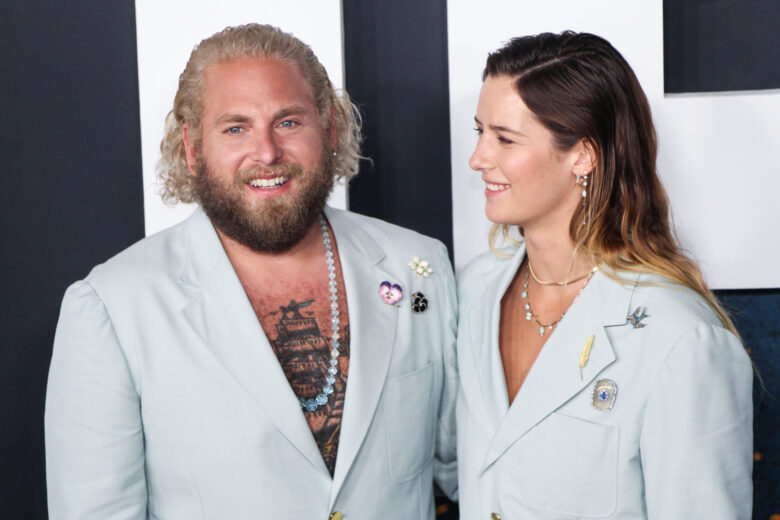
Jonah Hill
Hill’s documentary Stutz revealed that internal work drove his changes. His transformation emphasized body neutrality and mental health, with therapy helping him address childhood insecurities and reject body commentary entirely.

Jennifer Hudson
Hudson’s transformation came from empowerment rather than aesthetic pressure. She emphasized reclaiming control over her life after experiencing profound personal trauma, crediting therapy and emotional support as equally crucial to physical changes.

Kelly Osbourne
The television personality’s transformation centered on breaking prescription drug addiction cycles. Osbourne emphasized that managing pain through creativity and self-care proved more effective than quick fixes, attending weekly therapy while advocating for holistic wellness.

Chris Pratt
The actor’s transformation stemmed from serious health struggles, including sleep apnea and mobility issues. Pratt’s journey focused on restoring energy through nutrition rather than aesthetics, ultimately eliminating his need for CPAP machines.
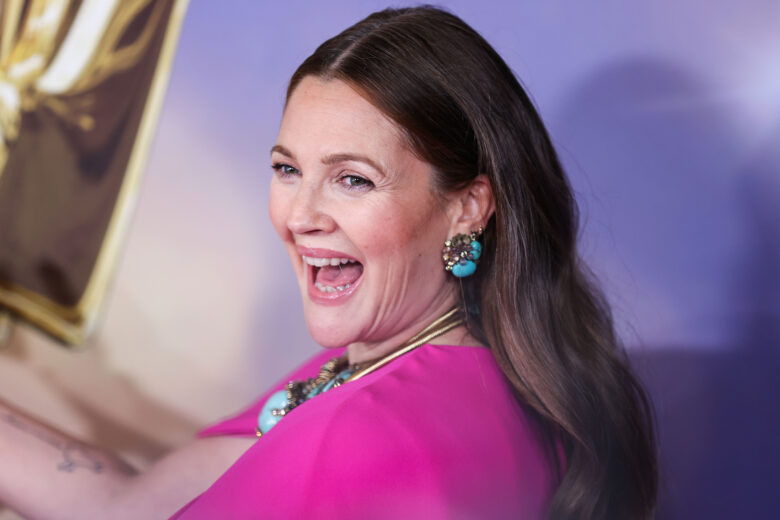
Drew Barrymore
Barrymore’s wellness shift is tied to sobriety and sustainable daily habits. Her transformation emphasized self-care as liberation from decades of dysfunction, describing sobriety as freeing her from guilt and enabling genuine happiness.

Zac Efron
Efron’s transformation came from stepping back from Hollywood’s unrealistic expectations. He revealed that achieving his Baywatch physique caused severe depression and insomnia, ultimately prioritizing mental health over unattainable aesthetic standards.

Chris Evans
The actor has been candid about using therapy to manage anxiety. Evans emphasized that seeking mental health support is a sign of strength rather than weakness, prioritizing present-moment awareness over superficial industry pressures.

The bigger wellness picture
These transformations prioritize alignment, self-respect, and longevity over temporary aesthetic changes. Research shows that holistic wellness approaches prove more sustainable because they address underlying causes rather than symptoms. When transformation focuses on feeling good internally, external changes become natural byproducts rather than exhausting goals.

Wrapping up
These stories challenge conventional narratives by demonstrating that powerful changes happen internally. Whether through therapy, sobriety, or prioritizing mental health, sustainable wellness requires more than physical discipline. True transformation means building healthier relationships with yourself, not just changing what you see in the mirror.
Related:
- 90s stars who swapped the spotlight for serenity
- From red carpets to real life: Stars who redefined happiness
Like MediaFeed’s content? Be sure to follow us.
This article was syndicated by MediaFeed.org.