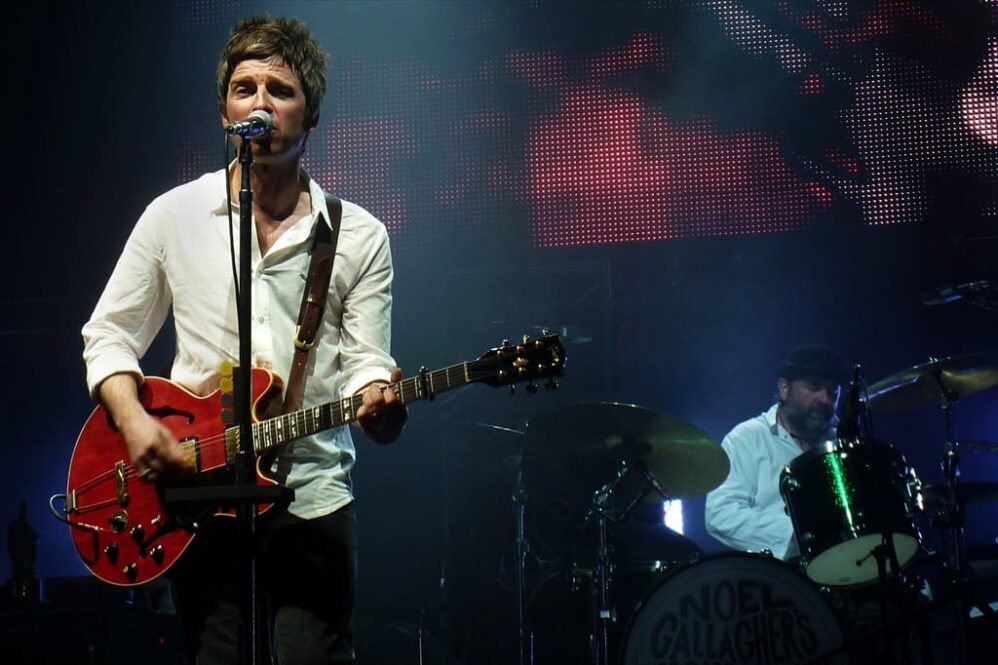
10 big radio hits artists got to really dislike performing: do you feel this way?
Success is not always a matter of gratitude. Some of the most commercially successful songs in pop history were disowned, scorned or outright loathed by the artists who recorded them, often almost immediately after the record broke. For some, the issue was the song itself. For others, it was being forever defined by a single performance.
Here are ten artists who paid that price.
The entries below are drawn from Mental Floss, NME, BuzzFeed and iHeart.
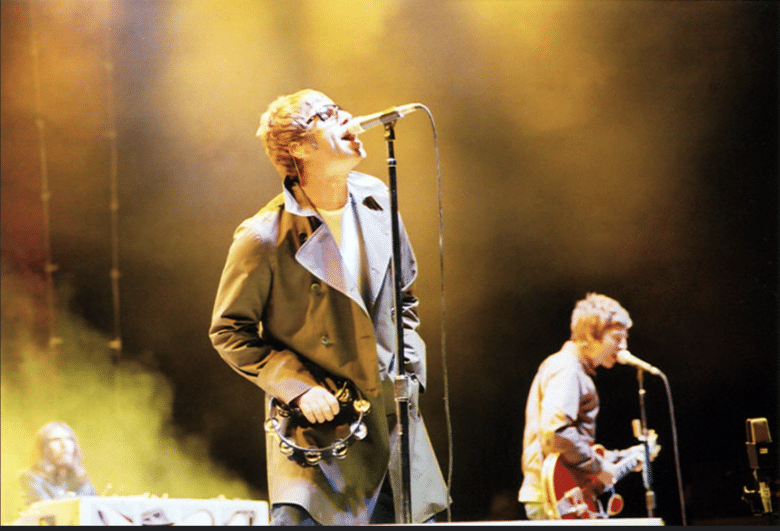
“Wonderwall” by Oasis (1995)
According to NME, Liam Gallagher says he wants to gag every time he sings it, and fans who know Oasis only through “Wonderwall” inspire violent thoughts. Noel has called it irritating and overdone. The song spent 15 weeks in the UK Top 40. Both brothers have been irked by it for 30 years.

“My heart will go on” by Celine Dion (1997)
Dion resisted recording it repeatedly before yielding to producer pressure. According to iHeart, performing it has been exhausting and she has described it as a song that has followed her career in a way she found difficult to escape. It topped charts in more than 20 countries. Her own verdict: “Thank God they didn’t listen to me.”

“Creep” by Radiohead (1993)
Thom Yorke called it crap. Mental Floss confirms that guitarist Jonny Greenwood tried to sabotage the recording by hitting his guitar as hard as possible during takes. Radiohead played it so rarely for so long that each appearance became a news event.

“Everybody hurts” by R.E.M. (1993)
Michael Stipe announced on the television program Space Ghost that he hated the song. According to Mental Floss, he later softened his position out of respect for fans who found it personally meaningful.
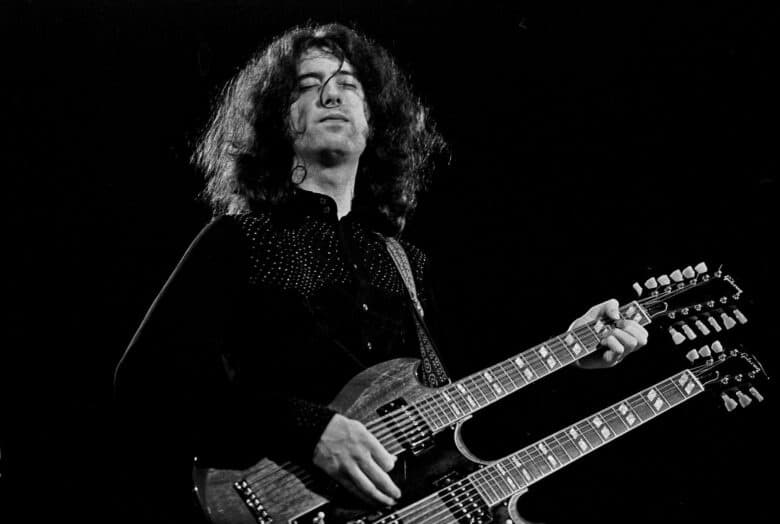
“Stairway to heaven” by Led Zeppelin (1971)
Robert Plant told NME he would break out in hives if forced to sing it at every show. The song had become such a fixture of FM radio that Plant could not hear it without the accumulated weight of its overexposure.
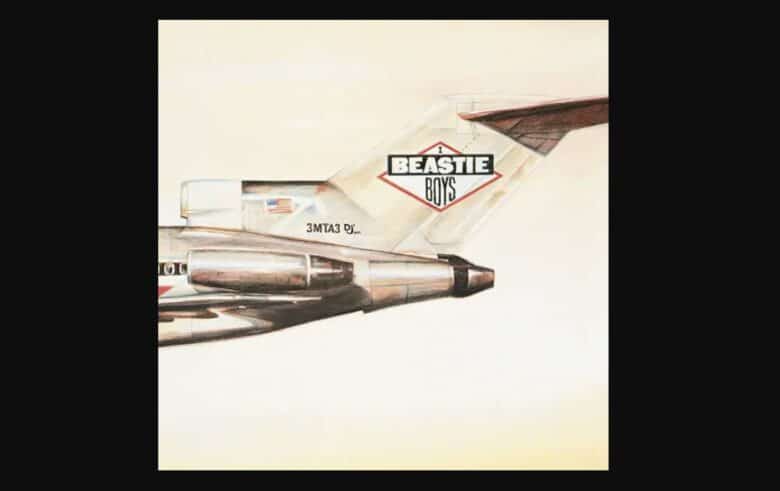
“Fight for your right” by The Beastie Boys (1986)
According to BuzzFeed, the Beastie Boys wrote it as a satire of party culture and were genuinely disturbed when fans adopted it as a rationale for the very behavior it mocked. It made them famous in a direction they had not intended.

“Royals” by Lorde (2013)
Lorde told NME it sounds like a ringtone from a 2006 Nokia phone and that none of its melodies are cool. She was 16 when she recorded it and has been defined by it ever since.

“Believe” by Cher (1998)
The auto-tune effect was jarring to Cher and not representative of what she considered her real voice. According to BuzzFeed, she eventually made peace with it after it became one of the best-selling singles in history.
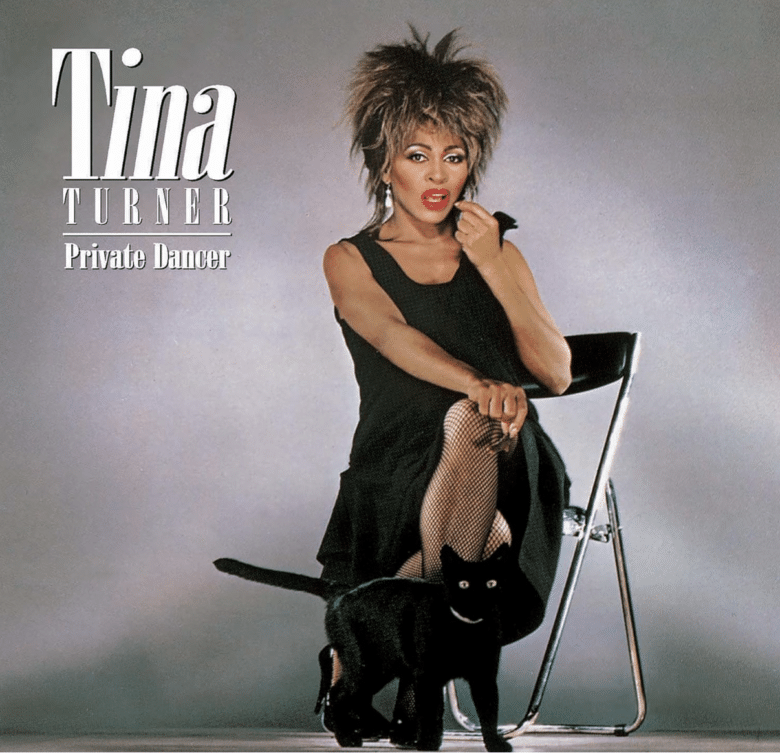
“What’s love got to do with it” by Tina Turner (1984)
Turner had no emotional connection to the song’s anti-love sentiment and initially resisted recording it. Her manager, Roger Davies, persuaded her otherwise. According to iHeart, she performed it as a professional exercise rather than an emotional one. It won three Grammy Awards.

“Cleanin’ out my closet” by Eminem (2002)
Eminem expressed deep regret about the anger directed at his mother in this song and later released “Headlights” specifically as an apology, according to BuzzFeed. It remains one of his most-streamed songs.

The bottom line
Across all ten, the pattern is the same. The song becomes so connected to the artist that it starts to feel like a cage. The audience’s attachment is genuine. The artist’s discomfort is genuine. Neither cancels the other.
Ask us! What questions do you have about content, strategy, pop culture, lifestyle, wellness, history or more? We may use your question in an upcoming article!
Related:
- The most controversial song the year you were born: Gen X edition
- The most controversial songs of the ’60s: Do you agree?
Like MediaFeed’s content? Be sure to follow us.
This article was syndicated by MediaFeed.co.