What Blood Tests Are Done for Weight Loss?
Key Takeaways:
- Underlying factors can make weight loss harder or more complex for some people.
- Blood tests for weight loss can give insight into thyroid function, nutrient deficiencies, and hormone levels affecting metabolism and fat storage.
- Working with a healthcare provider to get lab tests for weight loss can help guide a personalized plan for weight management.
Weight loss is a multifaceted and personal process, often going much deeper than “calories in versus calories out” or just having enough motivation. What you eat and how you move your body matter, but they’re often not the only factors involved.
There’s also no such thing as a “weight loss blood panel” or one single weight loss blood test. Instead, healthcare providers can order a combination of specific blood tests that can identify other things making weight loss harder.
Weight loss blood tests can reveal what’s going on internally, like health conditions affecting metabolism or an imbalance in hormones.
Let’s look at what blood tests for weight loss are done, when they might be ordered, and what they can tell you.
This article was reviewed by Felix Gussone, MD.

Why Blood Tests Are Important for Weight Loss
If you’ve been following a healthy lifestyle but still struggle to lose weight, there could be hidden health factors working against you. This is where weight loss blood tests might come in.
Lab work provides valuable insight into the bodily processes influencing:
- Metabolism
- Appetite
- Energy
- Fat storage
Hormonal imbalances, slow thyroid function, insulin resistance, and even certain nutrient deficiencies can sabotage your efforts without you even realizing it.
Blood tests identify these roadblocks, allowing you and your healthcare provider to take a more targeted, science-based approach to weight management.
Another key benefit of blood tests is personalization. Instead of guessing what might be holding you back, lab tests for weight management pinpoint the exact issues that need to be addressed.
For one person, it may be low thyroid function, and for another, it could be insulin resistance or low testosterone. By tailoring your weight loss plan to your lab results, you improve your chances of long-term success.
Ultimately, blood testing takes the guesswork out of weight loss. It helps rule in or out medical contributors to stubborn weight and ensures you’re not overlooking an underlying condition that needs medical attention.

Thyroid Function and Weight Loss
Your thyroid is a butterfly-shaped gland located at the front base of your neck. It plays a central role in regulating:
- Metabolism
- Energy levels
- How efficiently your body burns calories
When the thyroid is underactive, a condition known as hypothyroidism, it can significantly slow down metabolism. This can make weight loss harder, even with a healthy diet and regular exercise.
Thyroid Blood Tests for Weight Management
These are the most informative blood tests for evaluating thyroid function:
- Thyroid-stimulating hormone (TSH). This is often the first marker checked, as high levels may indicate an underactive thyroid.
- Free T4 (thyroxine). This lab measures the main hormone produced by the thyroid gland.
- Free T3 (triiodothyronine). This is the active thyroid hormone responsible for driving metabolism at the cellular level. Free T3 is sometimes checked but isn’t always needed to diagnose hypothyroidism.
Abnormal results in these labs could reveal why your metabolism feels “stuck.” For example, even mild hypothyroidism can cause fatigue, brain fog, water retention, and gradual weight gain that resists diet and exercise changes.

Why Thyroid Testing Matters for Weight Loss
Since thyroid imbalances are common and often underdiagnosed, thyroid testing is important when symptoms or risks suggest a problem.
Identifying an underactive thyroid allows healthcare providers to recommend treatment options, such as thyroid hormone replacement and lifestyle adjustments, that can restore metabolic health.
By understanding your thyroid status through lab work, you can eliminate one of the most significant hidden obstacles to weight management and finally make progress toward your goals.

Blood Sugar and Insulin Testing for Weight Loss
How your body processes and regulates blood sugar has a direct impact on weight management. Even if you eat well and exercise, unstable blood sugar levels or early signs of insulin resistance can make fat loss more difficult.
These issues often go unnoticed until they cause stubborn weight plateaus, intense sugar cravings, or fatigue.

Glucose and Insulin Resistance Labs
The most useful blood tests for evaluating blood sugar balance include:
- Fasting glucose. This test measures your baseline blood sugar levels after several hours without food, when they shouldn’t be elevated. Higher-than-normal blood sugar while fasting could signal prediabetes.
- Fasting insulin. This provides insight into how hard your body is working to keep blood sugar stable. High insulin often points to insulin resistance. Fasting insulin can suggest insulin resistance, but results vary by lab and should be interpreted with other tests (glucose or A1c).
- Hemoglobin A1c (HbA1c). This shows your average blood sugar levels over the past three months. It’s a reliable marker for long-term glucose control.

Why Glucose and Insulin Tests Matter for Weight Loss
When insulin levels are chronically high, your body tends to store more fat and burn less for energy. This hormonal imbalance not only makes weight loss harder. But it’s also a risk factor for type 2 diabetes.
By identifying blood sugar irregularities early, your healthcare provider can recommend targeted strategies, like dietary changes, increased physical activity, or medication if needed.
Balancing blood sugar isn’t just about preventing disease. It’s also one of the most effective ways to improve energy, reduce cravings, and create a metabolic environment that supports fat loss.

Hormonal Imbalances That Affect Weight Loss
Hormones act as messengers in your body, controlling everything from appetite and how much energy you have to how you store fat.
When these hormones are out of balance, even the most disciplined diet and exercise routine may not deliver the results you expect. Identifying hormonal issues through blood work can reveal why progress has stalled and guide more effective strategies.
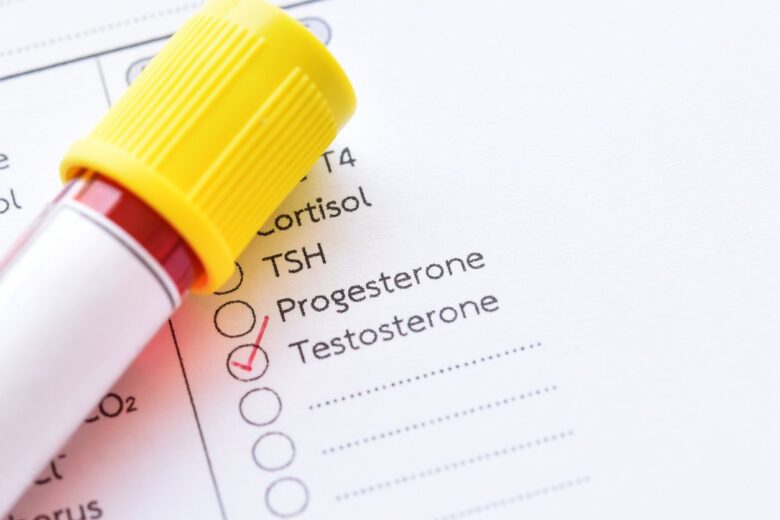
Key Hormone Blood Tests for Weight Loss
Knowing whether these hormones are out of their normal ranges can provide insight into their role in weight management:
- Testosterone. Low testosterone levels can reduce muscle mass, lower energy, and slow fat burning. Restoring balance often improves body composition and vitality.
- Estrogen. In men, estrogen balance matters, but routine estradiol testing isn’t always needed. Your clinician will decide based on symptoms
- Cortisol. Known as the “stress hormone,” cortisol plays a role in belly fat accumulation — for some more than others. Chronically high cortisol from stress or sleep deprivation might contribute to keeping the body in fat-storage mode.

Why Hormone Testing Matters for Weight Loss
Hormonal imbalances are often overlooked as a cause of stubborn weight gain. By including hormone testing in your labs for weight loss, healthcare providers can pinpoint which hormones may be interfering with your progress.
From stress management strategies to testosterone replacement therapy (TRT) or lifestyle adjustments, there are evidence-based ways to restore balance.
Addressing hormonal imbalances doesn’t just help with fat loss. It also boosts energy, improves sleep, and enhances overall well-being.

Nutrient Deficiency Testing for Weight Loss
Vitamins and minerals may seem like small players in the weight loss journey. But deficiencies can have a big impact on energy, metabolism, and overall health.
Without the right nutrient balance, your body may struggle to burn fat efficiently, recover from workouts, or maintain consistent energy levels. Blood tests can identify these deficiencies so you can address them directly.

Common Nutrient Labs for Weight Management
These are some of the most likely nutrients to be involved in weight management challenges, especially if they’re outside of normal ranges:
- Vitamin D. Low vitamin D levels are associated with weight gain, fatigue, and even insulin resistance, but causation is unclear. Testing is often useful in people at risk or with symptoms.
- Vitamin B12. B12 is essential for energy production and nervous system function. A deficiency can cause fatigue, weakness, and difficulty maintaining an active lifestyle. B12 absorption declines with age. People who eat a plant-based diet are more likely to have a deficiency.
- Iron (ferritin). Low iron can lead to anemia, which reduces oxygen delivery to muscles, lowers endurance, and makes it harder to be physically active.

Why Nutrient Deficiency Tests Matter for Weight Loss
Even subtle nutrient deficiencies can create barriers to weight loss by:
- Reducing energy
- Slowing metabolism
- Impairing muscle performance
By identifying and correcting these deficiencies, you can support better workouts, improved energy levels, and more effective fat loss.
Incorporating lab tests for weight management that include nutrient screening helps ensure your body has what it needs to function at its best.
Additional Blood Tests That Influence Weight
Beyond thyroid health, blood sugar, hormones, and nutrient levels, other lab markers can shed light on why weight loss may be difficult.
These tests help uncover hidden factors, like inflammation, liver stress, or poor lipid balance, all of which can affect how your body stores and burns fat.
Labs That Reveal Inflammation and Stress
These labs can provide the most insight into your inflammation and stress levels as they relate to weight loss:
- C-reactive protein (CRP). This is a marker of whole-body, chronic inflammation, which is linked to weight gain, insulin resistance, and a higher risk of disease in general.
- Alanine aminotransferase (ALT) and aspartate aminotransferase (AST). The liver is a central hub for fat metabolism and detoxification. Elevated liver enzymes like ALT and AST may point to fatty liver disease or other dysfunctions that interfere with weight loss.
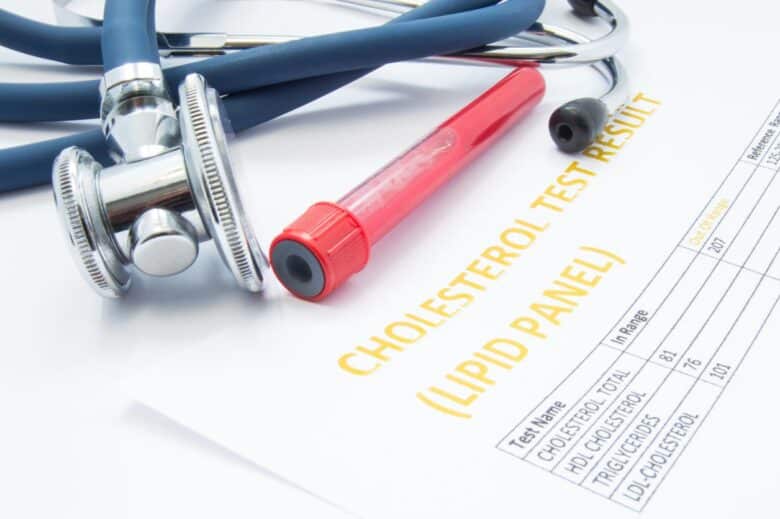
- Lipid panel. While tests for cholesterol levels and triglycerides are usually associated with heart health, they also provide insight into metabolic balance. Elevated triglycerides, for instance, often show up with insulin resistance and can make fat loss more challenging.

Why Inflammation and Stress Labs Matter for Weight Loss
These additional labs can reveal less obvious contributors to body weight. Abnormal levels of chronic inflammation, impaired liver function, or poor lipid health can all keep the body in a state that favors fat storage over fat burning.
By identifying and addressing these not-so-obvious factors, healthcare professionals can create a more effective, personalized weight loss plan.
Using Blood Test Results to Personalize Your Weight Loss Plan
One of the biggest advantages of weight loss blood tests is their ability to guide personalization. Instead of guessing why your efforts aren’t working, lab results give you unbiased data about what’s happening inside your body. Results, interpreted with your history and exam, support a personalized plan.
For example, someone with insulin resistance may benefit from a nutrition plan with minimal saturated fat, while another person with hypothyroidism may need thyroid-specific support. Similarly, addressing a vitamin D or iron deficiency could help restore energy levels.
With this information, your healthcare provider can create a tailored strategy of weight management options that targets your unique needs.
This might include:
- Specific dietary adjustments
- Personalized exercise recommendations
- Stress-management techniques
- Weight loss drugs (such as GLP-1 medication) when appropriate
Regular follow-up labs can then track progress and ensure your treatment plan stays aligned with your health goals.
By working with your body’s biology instead of against it, you improve your chances of long-term weight loss success and overall wellness.

The Bottom Line: Labs for Weight Loss
Losing weight or addressing obesity is rarely as simple as “eat less, move more.” Factors like thyroid function, insulin resistance, hormone balance, nutrient status, and inflammation all play powerful roles in how your body stores and burns fat.
Without testing, these issues often go unnoticed, leaving you frustrated when progress stalls. That’s why labs for weight loss can be such a valuable tool, providing data, uncovering hidden obstacles, and guiding a personalized plan forward.
By identifying other factors involved in stubborn weight, blood tests help take a weight loss journey from trial-and-error to a science-backed approach.

FAQs
Below are answers to commonly asked questions about blood tests for weight loss.

What blood tests are done for weight loss?
Common weight loss blood tests might include thyroid function tests (TSH, free T3, free T4), blood sugar and insulin markers (fasting glucose, insulin, hemoglobin A1c), hormone panels (testosterone, estrogen, cortisol), nutrient tests (vitamin D, B12, iron), and additional labs for liver function, inflammation, and blood fats.

Why are blood tests important for weight management?
Blood tests can identify underlying health issues like slow thyroid function, insulin resistance, or nutrient deficiencies that may be making it harder to lose weight. By uncovering these factors, you and your healthcare provider can create a personalized plan that addresses root causes and may or may not include tools like weight loss medications.

Can hormone imbalances affect weight loss?
Yes. Hormones like testosterone, estrogen, and cortisol are involved in metabolism, fat storage, and energy. Imbalances might contribute to weight gain or make fat loss more difficult. That’s why hormone testing is often included in lab tests for weight management.

How do nutrient deficiencies impact weight loss?
Deficiencies in vitamins and minerals like vitamin D, vitamin B12, or iron can reduce energy, impair muscle function, and slow metabolism. Correcting these deficiencies with good nutrition and supplements (when appropriate) can improve energy and support more effective fat loss.

Who should consider blood tests for weight loss?
Anyone struggling with unexplained weight gain or difficulty reaching a healthy weight despite lifestyle changes should talk about lab testing with their provider. Blood tests give valuable insight into hidden barriers to weight loss and can help tailor a more effective, personalized strategy for reaching your health goals.
This article is for informational purposes only and does not constitute medical advice. The information contained herein is not a substitute for and should never be relied upon for professional medical advice. Always talk to your doctor about the risks and benefits of any treatment. Learn more about our editorial standards.
Related:
Like MediaFeed’s content? Be sure to follow us.
This article originally appeared on Hims.com and was syndicated by MediaFeed.org.