We love these 10 classic rock bands, but their solo albums were unlistenable: Do you agree?
Stepping out from behind a legendary band takes real nerve. It also, apparently, takes talent that doesn’t always survive the transition, since plenty of genuinely great musicians produced solo work that landed nowhere close to their reputation.
Critics and fans keep circling back to the same names whenever this exact debate comes up.

Ringo Starr – The Beatles
Topped a fan survey with nearly 29 percent naming him the worst solo career of any major rock star. His 1977 album “Ringo the 4th” was described as the most embarrassing moment of any former Beatle’s career, according to Ultimate Classic Rock’s own ranking, no less.
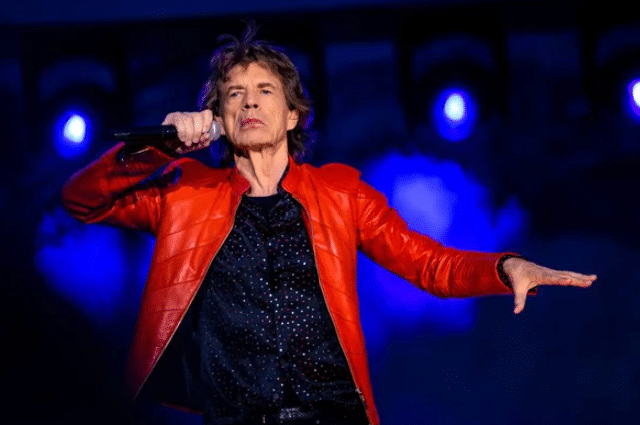
Mick Jagger – The Rolling Stones
“Goddess in the Doorway,” released in 2003, sold a genuinely brutal 954 copies on release day. Jagger’s solo work has consistently struggled to justify existing outside the band that made him famous in the first place.
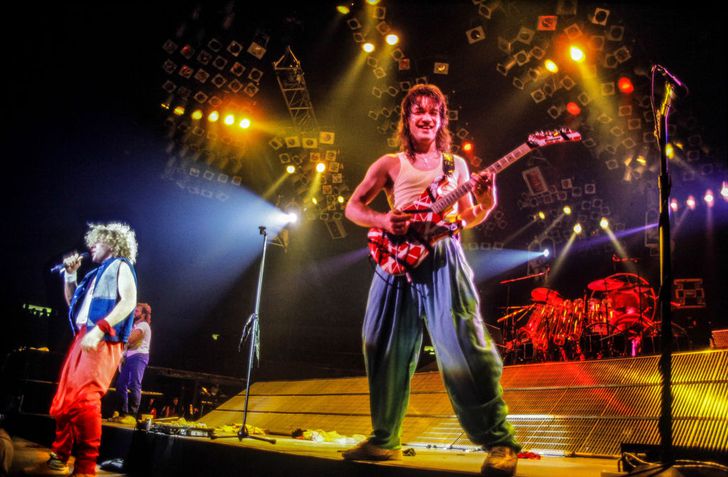
David Lee Roth – Van Halen
1994’s “Your Filthy Little Mouth” tried to blend blues, reggae, and lounge music into one album. Fans wanted party rock. They got an unfocused mess instead, meandering through genres without ever settling on one.

Paul Stanley – KISS
Stepped away from the face paint for 2006’s “Live to Win,” a pop-rock detour that critics called polished but genuinely empty. Generic radio filler, missing the charisma that made Stanley a KISS frontman in the first place.

Lou Reed – The Velvet Underground
“Metal Machine Music,” a 1975 double album built almost entirely on abrasive guitar feedback, is so notoriously difficult that even Reed himself hinted it might have been a joke. Critics have called it virtually unlistenable for most audiences, and that’s from people who admire the record’s ambition.

Keith Moon – The Who
A legendary drummer. Not, it turns out, a legendary solo artist. One critic bluntly summed it up: great sentiment for the sweet old boy, but sentiment doesn’t make the record listenable, and the actual songs never quite land.
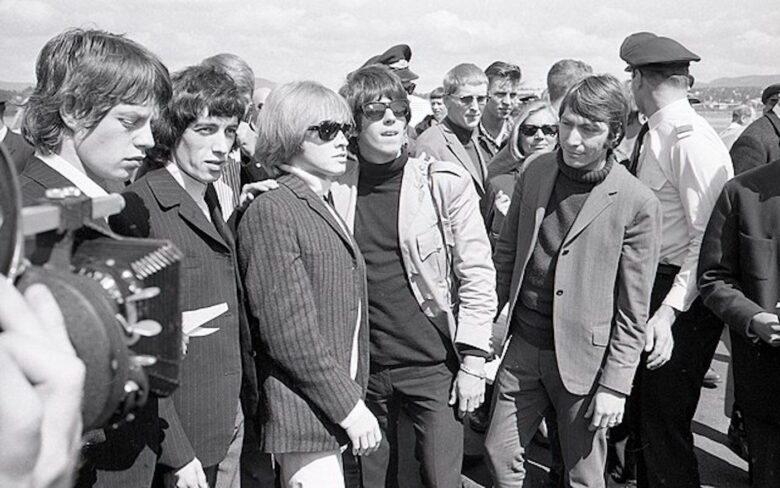
Bill Wyman – The Rolling Stones
The only real highlight of Wyman’s Stones-adjacent solo work turned out to be a fluke, according to more than one retrospective, with everything that followed landing considerably further from the mark than his brief moments in the actual band.
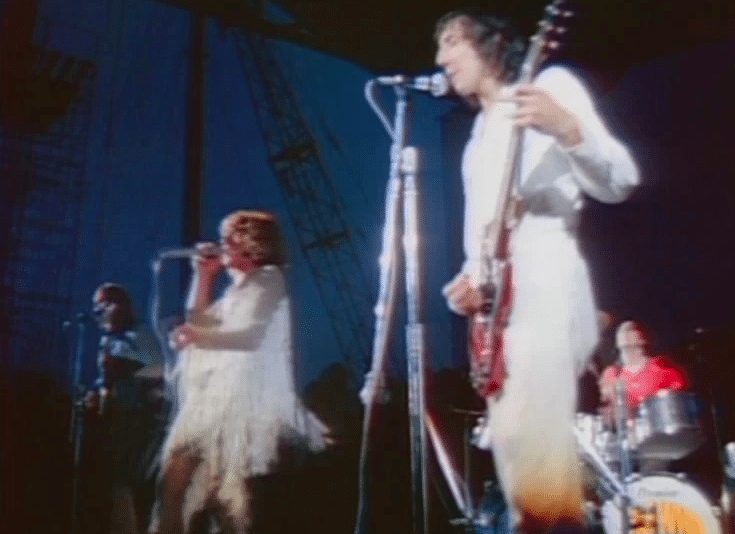
Roger Daltrey – The Who
1984’s “Parting Should Be Painless” leaned so heavily into sentimentality that it lost the raw power that made Daltrey’s voice work in the first place. A tone that overwhelmed the material rather than elevating it.

Ian Gillan and Black Sabbath – “Born Again”
Not quite a solo album, but close enough in spirit: a bizarre supergroup pairing that produced a notoriously muddy mix even the band members themselves reportedly couldn’t stand, wrapped in cover art almost as infamous as the recording itself.
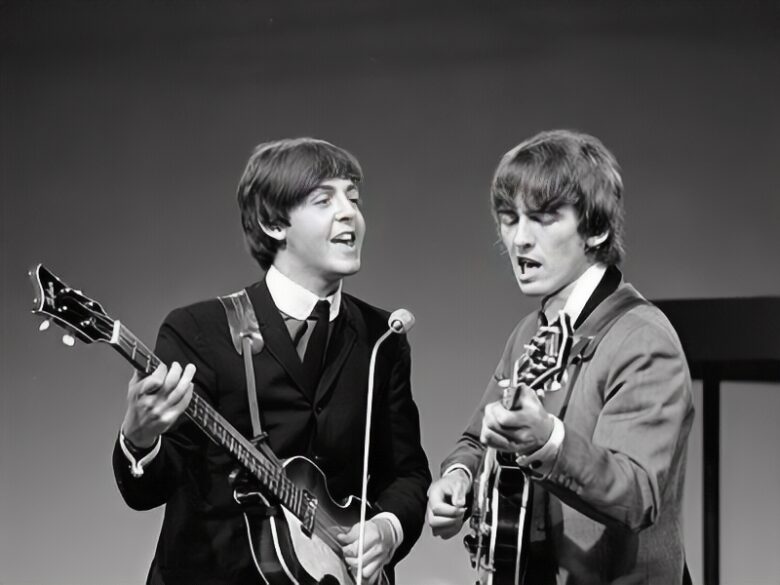
George Harrison – The Beatles
Before the acclaimed “All Things Must Pass,” Harrison released “Electronic Sound,” an avant-garde experiment built almost entirely from Moog synthesizer noise. A curiosity for completists. Genuinely difficult listening for anyone hoping for actual songs.

The bottom line
None of these artists lacked talent, obviously. What they lacked, at least on these particular records, was the specific alchemy that made their bands work in the first place, proof that being great inside a group is its own separate skill from being great alone.
Ask us! What questions do you have about content, strategy, pop culture, lifestyle, wellness, history or more? We may use your question in an upcoming article!
Related:
- 10 surprising songs that were written about real people
- We love the artists, but these 12 hit songs have aged terribly
Like MediaFeed’s content? Be sure to follow us.
This article was syndicated by MediaFeed.co.