
We love the artists, but these 12 hit songs have aged terribly: Do you agree?
Sting wrote “Every Breath You Take” at Ian Fleming’s desk in Jamaica, which is either an interesting biographical footnote or the entire explanation for the song’s surveillance-state energy, depending on how much you believe in the influence of physical space on creative work. He has described the narrator as jealous, bitter and resentful, and said publicly he is disturbed when people play it at weddings. Nearly 3 billion Spotify streams suggest disturbed is not the primary emotional response it produces. The wedding industry and Sting have been in quiet disagreement for forty years and neither side shows signs of movement. If you have a question you’d like us to tackle, use the Ask MediaFeed option at the bottom of every article.
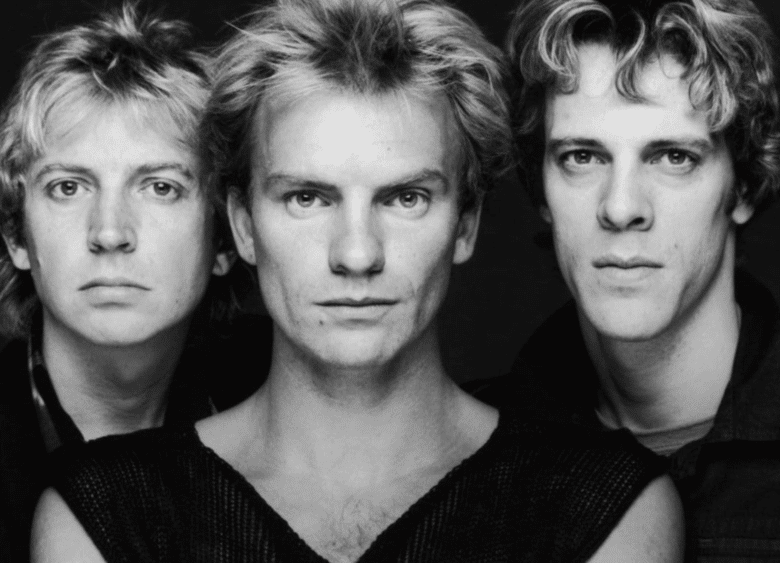
“Don’t Stand So Close to Me” — The Police (1980)
A teacher describing his attraction to a student and comparing himself to Humbert Humbert from Lolita, not as self-criticism but as a lyric he apparently found apt. Number one in the UK. The Police were a band that returned to surveillance and inappropriate attachment often enough that it stopped looking like a coincidence.
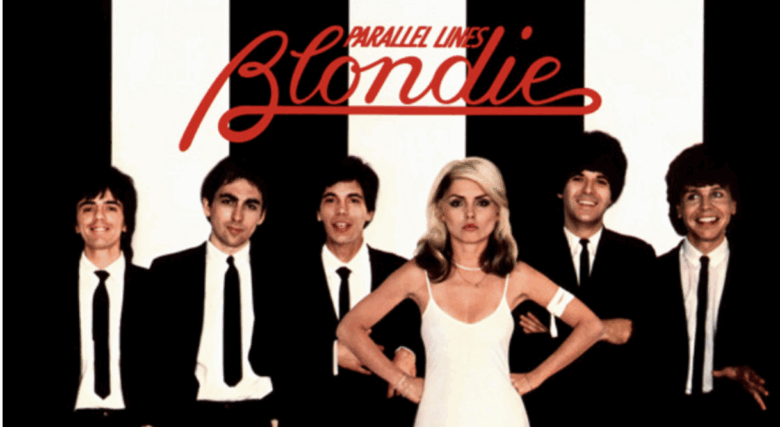
“One Way or Another” — Blondie (1979)
Debbie Harry told Entertainment Weekly the song came directly from being stalked. She wrote the stalker’s internal monologue from memory. I will follow you, I’ll be there when it gets light. The groove is so good that most people never get to the part where they notice what the words are saying, which may have been the point or may have been the problem.

“Illegal Alien” — Genesis (1983)
Phil Collins told an interviewer the song hasn’t aged well. The song features an exaggerated Latin accent, references to tequila and bribery, and was intended as sympathetic satire about the experience of undocumented immigrants in America. The sympathy is harder to locate on repeated listening than Collins seemed to think it would be.
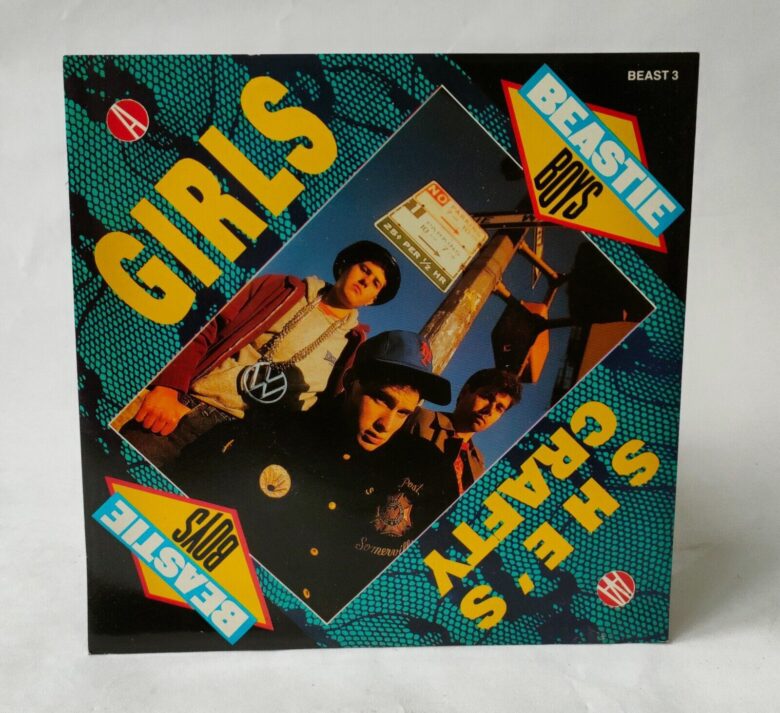
“Girls” — Beastie Boys (1986)
By 1994 the Beastie Boys were releasing albums with liner notes crediting feminist influences and advocating for Tibetan independence. In 1986 they released a song whose entire lyrical content is a list of domestic tasks they believe women should perform for them. The band evolved. The song is still in the catalog.
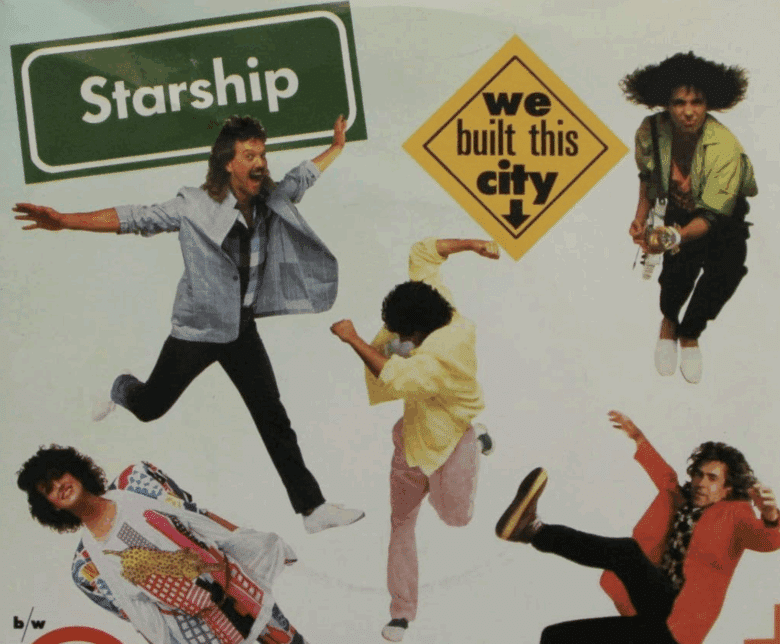
“We Built This City” — Starship (1985)
Jefferson Airplane made “Somebody to Love” and “White Rabbit” in 1967. By 1985, the band had shed members, changed names twice, and recorded a song about rock and roll’s authenticity that Rolling Stone later voted the worst ever made. The people who made it did not appear to notice the irony while they were making it.

“Dude (Looks Like a Lady)” — Aerosmith (1987)
Steven Tyler has said repeatedly that the song is meant to be inclusive and celebratory of gender nonconformity. The title is the punchline to a joke about mistaking a man for a woman. Tyler keeps explaining the intention. The title keeps being the title.

“She’s Only Seventeen” — Winger (1988)
The narrator is 28 years old. The girl is 17. Her father is his lawyer, a fact Kip Winger introduces as the complicating factor rather than the least of the complications. Beavis and Butt-Head spent considerable airtime on this song in the early 1990s. Whatever they said seems to have landed.

“Under My Thumb” — Rolling Stones (1966)
Appears on classic rock radio so consistently throughout the 1980s that most people under 30 encountered it that way rather than through the album it came from. The song is about the pleasure of having reduced a formerly self-possessed woman to submission. The Stones were playing it at Altamont in December 1969 when a member of the audience was killed. There are theories about whether the song contributed to the atmosphere. The theories haven’t been settled.

“Turning Japanese” — The Vapors (1980)
The Vapors have always maintained the song is about missing a girlfriend. The title phrase is a racial caricature used as a punchline. The band has spent four decades discussing the first part of that sentence. The second part comes up less.

“Run to You” — Bryan Adams (1984)
Bryan Adams is in a relationship and is cheating on his partner. The song is told entirely from his perspective. He is conflicted. He describes his conflict in considerable melodic and lyrical detail across four minutes. The woman he is with, whose life is also being affected by these events, does not appear to have been consulted about the song’s framing.

“We Didn’t Start the Fire” — Billy Joel (1989)
A catalog of historical events between 1949 and 1989 delivered over a chord sequence that repeats without variation. Several of the fires on the list were started by Billy Joel’s generation. The song’s argument is that this shouldn’t count against them because there were already fires when they arrived. This argument has not gotten stronger since 1989.

The bottom line
All twelve songs are in heavy rotation somewhere right now. The artists made other work that doesn’t belong on this list. The question of whether a song’s worst lyrics change how you hear the rest of the catalog is one that listeners keep having to answer for themselves, usually while the song is already playing.
Ask us! What questions do you have about content, strategy, pop culture, lifestyle, wellness, history or more? We may use your question in an upcoming article!
Related:
- 12 iconic rock songs that wouldn’t fly today
- The most controversial songs of the ’60s: Do you agree?
Like MediaFeed’s content? Be sure to follow us.
This article was syndicated by MediaFeed.co.