
The 25 Oldest People in the Bible
In our modern world, reaching triple digits is considered a remarkable achievement worthy of celebration and news coverage. Yet the ancient texts of the Bible tell stories of individuals who lived not just beyond 100, but well into their 900s. These extraordinary lifespans belong to an era so distant it feels almost mythological, when the earth was young and humanity’s relationship with time itself seemed fundamentally different from our own experience.
For those of us who grew up hearing these biblical stories in Sunday school or reading them in illustrated children’s Bibles, the ages of these ancient patriarchs sparked wonder and countless questions. How could anyone live for nearly a millennium? What would it be like to witness centuries of human history unfold? These aren’t just curiosities from an ancient text but windows into understanding how our ancestors conceptualized time, legacy, and the divine purpose woven through human existence.
This article explores the 25 oldest people mentioned in the Bible, examining their individual lives, roles in sacred history, and the fascinating theories behind their extraordinary longevity. We’ll journey from the antediluvian world before Noah’s flood through the gradually declining lifespans of later patriarchs, discovering how these ancient figures shaped religious tradition and continue to captivate believers and scholars alike.

1. Methuselah: the ultimate symbol of longevity
At 969 years, Methuselah holds the undisputed record as the oldest person ever mentioned in the Bible. His name has become so synonymous with extreme age that we still use “old as Methuselah” in everyday conversation. The grandson of Enoch, who is famously said to have walked with God and never experienced death, Methuselah’s lifespan spanned nearly a millennium of antediluvian history. According to biblical chronology, he died the very year the Great Flood began, as if his departure marked the end of an entire era. The Bible provides few personal details about his character, leaving us to wonder what wisdom and experiences he accumulated over nearly ten centuries of life. His primary role is genealogical, serving as the crucial link between his father, Enoch, and his grandson, Noah. Some scholars interpret his name as meaning “when he dies, it shall come,” potentially prophesying the arrival of the flood. Methuselah represents the apex of human longevity in biblical narrative, a living bridge spanning the vast temporal distance between creation and the world’s first great judgment.

2. Jared: father of the one who walked with God
Living 962 years, Jared stands as the second-oldest person in biblical record, just seven years shy of Methuselah’s record. His name appears in the genealogies of Genesis, where he serves as a vital link in the line from Adam to Noah. What makes Jared particularly significant is his role as father to Enoch, the mysterious patriarch who walked with God and was taken without experiencing death. Imagine living through 962 years of human history, witnessing the gradual corruption of humanity that would eventually necessitate the flood. Jared’s extended lifespan meant he personally knew Adam, who lived until Jared was 470 years old, creating a direct connection to humanity’s beginning. This generational overlap allowed firsthand accounts of creation to be passed down with minimal intermediaries. The Bible records simply that “all the days of Jared were nine hundred sixty and two years: and he died,” leaving us to fill in the stories of those centuries with our imagination.
3. Noah: survivor of the great deluge
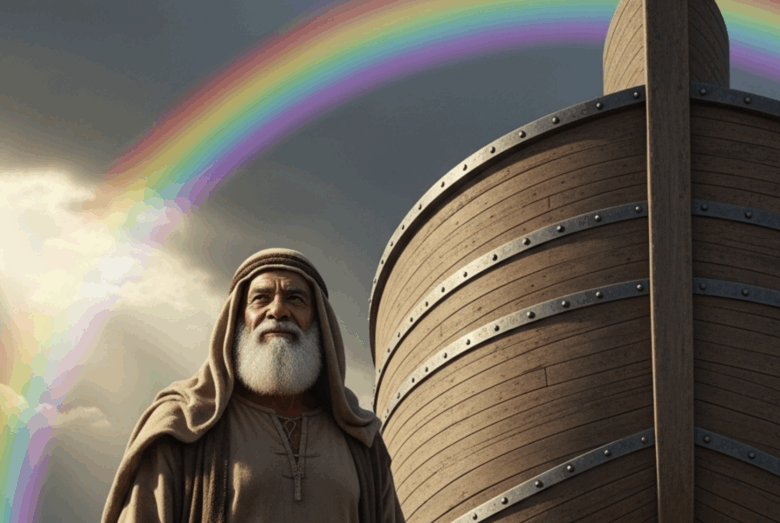
Noah’s 950 years encompassed the most dramatic transformation in biblical history, from the corrupt antediluvian world to humanity’s fresh start after the flood. This righteous man found grace in God’s eyes when violence and corruption filled the earth, leading to his selection as the architect of salvation. His faith and obedience in building the ark according to precise divine specifications demonstrated extraordinary trust, especially considering he lived in a world that had never seen rain. Noah spent his 600th year enduring the flood, then emerged to repopulate and reshape human civilization. The covenant God established with him, symbolized by the rainbow, promised never again to destroy all life with water. His final 350 years witnessed the establishment of new nations through his three sons, Shem, Ham, and Japhet. Genesis describes him as “perfect in his generations,” suggesting both moral integrity and perhaps genetic purity. Noah’s curse on Canaan and blessings on Shem and Japheth would shape Middle Eastern history for millennia. His longevity allowed him to see his descendants multiply across the earth, though the text hints at personal tragedy through Ham’s disrespect. As both the last of the ultra-long-lived patriarchs and the first of the new world, Noah embodies transition and renewal.

4. Adam: the first human’s nine centuries
Created directly by God from the dust of the earth, Adam’s 930 years set the pattern for early human longevity. As the first man, his experiences encompassed the highest heights of paradise and the lowest depths of exile, making his nearly millennium-long life a profound meditation on consequence and redemption. Adam walked with God in Eden’s garden, personally named every animal, and witnessed the creation of Eve from his own rib. His fateful choice to eat the forbidden fruit introduced death itself into human experience, though ironically, he would live longer than any of his descendants except a handful of patriarchs. The centuries following Eden saw Adam become father to Cain, Abel, and Seth, experiencing both the horror of fratricide and the hope of a righteous lineage. His long life meant he personally knew his descendant Enoch, creating a seven-generation span under a single patriarch’s witness. Jewish tradition suggests Adam spent his remaining years in repentance, seeking to repair the damage his disobedience had caused. Genesis records that he lived to see his descendants multiply across the earth, establishing the pattern of human civilization outside paradise. His 930 years represent both humanity’s potential for longevity in its original design and the beginning of death’s reign over the human condition.
5. Seth: the appointed son’s 912 years
At 912 years, Seth’s lifespan marked him as the appointed replacement for Abel and the progenitor of the righteous line leading to Noah. His very name means “appointed” or “placed,” reflecting Eve’s belief that God had given her another seed to replace her murdered son. The Bible notes something profound about Seth’s time, stating that “then began men to call upon the name of the Lord,” suggesting a spiritual awakening or renewal of worship during his era. Unlike Cain’s descendants, who pioneered metallurgy and music but descended into violence, Seth’s line maintained faith across generations. His longevity allowed him to witness eight generations of descendants, personally knowing everyone from Adam to Lamech, Noah’s father. This created an unbroken chain of verbal tradition, where stories of Eden and the fall could be transmitted with minimal degradation across centuries. Seth’s extended years positioned him as a stabilizing force in early humanity, a living repository of pre-flood wisdom and faith. The genealogies emphasize his line’s righteousness, contrasting sharply with Cain’s increasingly corrupt descendants. His 912 years represent the promise of redemption, showing that despite the fall, God’s purposes for humanity continued through faithful lineages.

6. Kenan: nine centuries in the line of Seth
At 910 years, Kenan (also known as Cainan) lived just two years less than his grandfather, Seth, continuing the pattern of extreme longevity in the antediluvian period. Born when Enos was 90 years old, Kenan represents the fourth generation from Adam, yet his extended lifespan meant he personally knew the first man for 435 years. His name may mean “possession” or “smith,” although the Bible does not explain this designation. What we know of Kenan comes entirely from the genealogical records, where he appears as a vital link in the chain leading from Seth to Noah. His life overlapped with that of Adam, Seth, Enosh, Mahalalel, Jared, Enoch, and Methuselah, creating an extraordinary eight-generation household where patriarchs could gather and share their wisdom. This generational compression meant that stories of creation, paradise, and the fall remained living memory rather than ancient history. Kenan fathered Mahalalel at age 70, then lived another 840 years, witnessing the multiplication of humanity across the earth. The longevity he enjoyed allowed him to see his descendants through many generations, personally ensuring the transmission of faith and knowledge. His 910 years exemplify the mysterious longevity of the pre-flood world, when time moved differently and human potential extended far beyond our modern imagination.
7. Enos: 905 years of calling upon the Lord
Living 905 years, Enos marked a pivotal moment in humanity’s spiritual history as the patriarch during whose time “men began to call upon the name of the Lord.” This phrase suggests either the beginning of public worship or a renewal of faith after the corruption introduced through Cain’s line. His name means “mortal” or “frail,” ironically contrasting with his nine-century lifespan that demonstrated anything but frailty by modern standards. Born when Seth was 105 years old, Enos grew up hearing firsthand accounts of Eden from his grandfather Adam, who lived until Enos was 695 years old. This direct connection to humanity’s origins gave special weight to the spiritual renewal associated with his era. His 905 years witnessed the rise of distinct human communities, some following the Lord and others pursuing their own paths. The Book of Jubilees, though not canonical, credits Enos with being the first to call upon God’s name, establishing a pattern of worship that would continue through his descendants. His extended life allowed him to father Kenan at 90, then guide his descendants for over eight more centuries. Enos represents the beginning of organized worship and humanity’s formal acknowledgment of divine sovereignty, themes that would echo through all subsequent biblical history.

8. Mahalalel: 895 years praising God
With a name meaning “Praise of God” or “God is splendid,” Mahalalel’s 895 years embodied worship across nine centuries. Born when Kenan was 70, he continued the righteous lineage that would eventually produce Noah and preserve humanity through the flood. The significance of his name suggests his parents recognized something special about him, perhaps a particularly devout or praiseworthy character that set him apart even in that age of long-lived patriarchs. His life spanned from the time of Enos, when men first called upon the Lord’s name, through the birth of his great-great-grandson Noah. This positioning allowed him to witness both the spiritual renewal of Enos’s time and the gradual corruption that would necessitate the flood. Mahalalel fathered Jared at the age of 65, then lived another 830 years, watching his descendants multiply. Jewish tradition credits him with wisdom and righteousness that influenced multiple generations of his family. His nearly nine-century lifespan meant he could personally know and influence six generations of descendants, from his father Kenan to his great-great-great-grandson Lamech. The “praise of God” theme in his name reflects the worship culture established during Enos’s time, which was carried forward through the centuries by this long-lived patriarch. His 895 years represent faithfulness sustained across time, a living testimony to devotion spanning the vast antediluvian era.

9. Lamech: Noah’s father at 777 years
The symbolic perfection of Lamech’s 777 years has fascinated biblical scholars for millennia, as seven represents divine completion in Hebrew numerology. Named Noah’s father, this Lamech differs from the violent Lamech in Cain’s line, who boasted of murder. When his son was born, Lamech prophetically declared, “This one will comfort us concerning our work and the toil of our hands, because of the ground which the Lord has cursed,” naming him Noah, which means rest or comfort. This prophetic utterance suggested Lamech understood something significant about his son’s destiny, though he died five years before the flood began. His 777 years bridged the gap between the ancient world of his grandfather, Methuselah, and the coming judgment that his son would survive. Born when Methuselah was 187, Lamech lived long enough to see humanity’s corruption reach the point where God declared the coming flood. The Book of Enoch, though apocryphal, suggests Lamech questioned whether Noah was truly his son due to the child’s unusual appearance and radiance. His relatively shorter lifespan compared to his ancestors might indicate the beginning of the decline that would accelerate after the flood. Lamech’s hopeful naming of Noah proved prophetic, as his son would indeed bring a new beginning for humanity after the deluge washed away the corrupt world Lamech had witnessed deteriorating over his seven and three-quarter centuries of life.
10. Shem: 600 years bridging old and new worlds
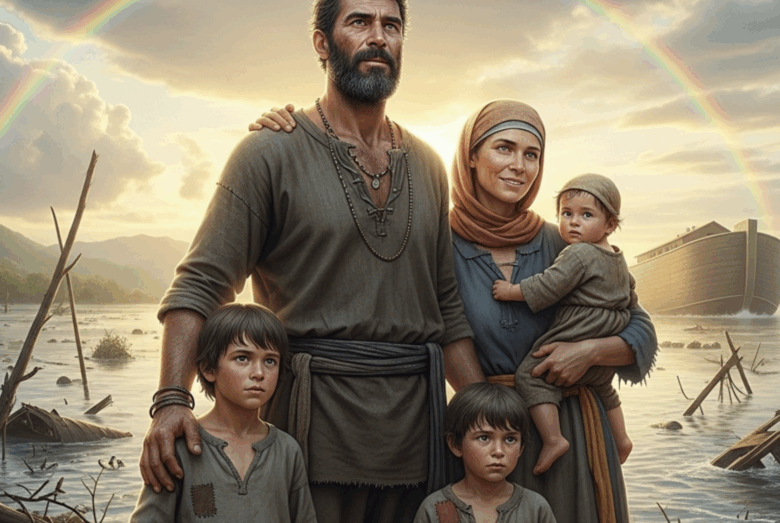
As Noah’s eldest son, Shem’s 600 years spanned the dramatic transformation from the antediluvian world to the post-flood era, making him a living bridge between two distinct ages of humanity. Born 98 years before the flood, Shem entered the ark at age 98 and emerged to help repopulate the earth. His name, meaning “name” or “renown,” proved prophetic as he became the ancestor of the Semitic peoples, including Abraham and ultimately Jesus Christ, according to Christian biblical interpretation. The Bible particularly honors Shem and his brother Japheth for respectfully covering their father Noah’s nakedness, walking backward with a garment to preserve his dignity. This act of reverence earned them Noah’s blessing: “Blessed be the Lord, the God of Shem.” His 600 years allowed him to witness the construction of the Tower of Babel and the confusion of languages, events that would scatter his descendants across the ancient Near East. Shem’s extended life meant he outlived not only his father, Noah, but also his great-great-great-great-great-great-great-grandson, Abraham, who died at the age of 150. This remarkable generational overlap meant that Abraham could have learned about the flood and the pre-flood world directly from someone who had experienced both eras firsthand. Shem’s 600 years represent continuity between the old world and the new, carrying forward the righteousness that had preserved his family while adapting to the changed conditions of the post-flood earth.

11. Eber: 464 years and the Hebrew connection
Living 464 years, Eber stands out as an anomaly in the post-flood genealogies, outliving his father, Selah, by 31 years, despite the general pattern of decline. His name carries enormous significance, as the term “Hebrew” (Ibri) derives from Eber, making him the eponymous ancestor of the Hebrew people. This linguistic connection suggests that his descendants maintained their distinct identity even as other peoples scattered and diversified after the Tower of Babel. Some Jewish traditions propose that Eber’s family retained the original language spoken before the confusion of tongues, hence becoming known as those who spoke the “language of Eber.” His extended lifespan, bucking the trend of decline, has led some scholars to suggest a special divine blessing upon this patriarch and his line. Eber fathered Peleg at age 34, living another 430 years to witness the dramatic division of peoples during his son’s lifetime. His contemporaries, including Shem, Noah’s son, allowed him to learn directly from those who had experienced the flood. The 464 years allowed Eber to see his descendants multiply and spread, maintaining their distinct identity as the Hebrew people. His life spanned from the immediate post-flood period through the rise of the first major civilizations, witnessing humanity’s rapid repopulation of the earth. Eber’s name becoming synonymous with an entire people demonstrates the profound impact one person’s 464-year legacy can have on human history.
12. Arphaxad: 438 years in the new world
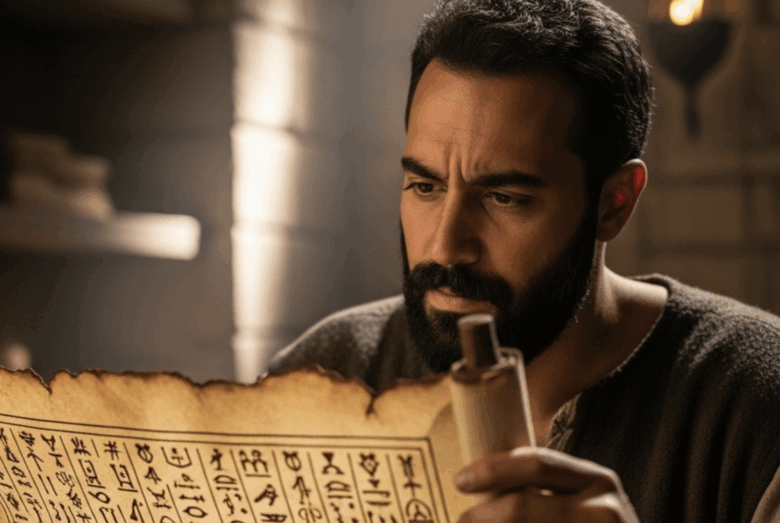
Born just two years after the flood, Arphaxad’s 438 years mark the dramatic decline in human longevity that characterized the post-deluge world. His lifespan, while still extraordinary by modern standards, represented a startling 162-year decrease from that of his father, Shem, who lived 600 years. Some scholars believe his name means “stronghold of the Chaldees,” linking him to the ancient Mesopotamian civilizations that emerged in the post-flood world. As Shem’s son, Arphaxad carried the blessed lineage that would eventually produce Abraham and the nation of Israel. His birth occurred at a pivotal moment when humanity was rebuilding civilization on a planet cleansed by the flood, yet still bearing its curse. The steady decline in lifespans from this point forward has led scholars to theorize about environmental changes post-flood, perhaps the loss of a protective water vapor canopy or increased cosmic radiation. Arphaxad fathered Shelah at the age of 35, then lived another 403 years, watching his descendants spread across Mesopotamia. His 438 years witnessed the early development of post-flood civilizations, including the construction of the Tower of Babel and the subsequent scattering of peoples. This patriarch’s life bridges the gap between the flood’s immediate aftermath and the rise of the civilizations that would dominate ancient Near Eastern history.
13. Selah: 433 years of post-flood lineage
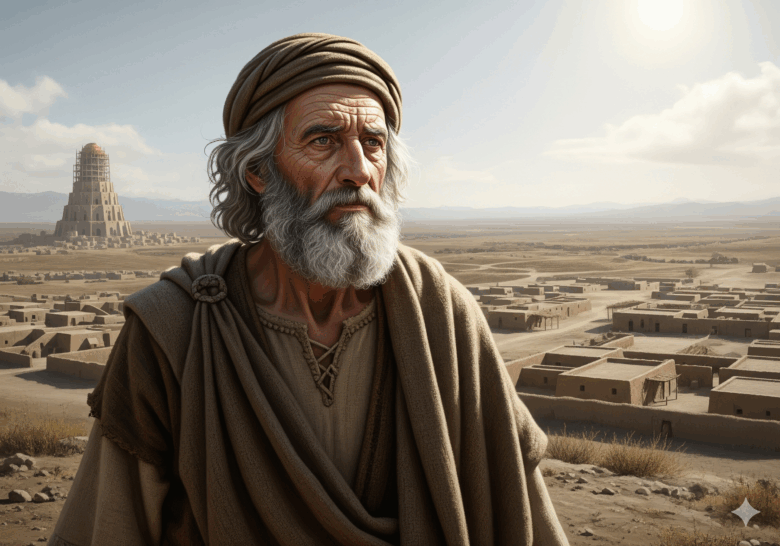
At 433 years, Selah (also called Salah or Shelah) continued the pattern of declining lifespans in the post-flood world, living just five years less than his father Arphaxad. His name may mean “sprout” or “missile,” although the etymology remains uncertain among scholars. Born when Arphaxad was 35, Selah grew up in a world still adapting to the massive changes wrought by the deluge. His life overlapped significantly with that of his grandfather Shem, who would have shared firsthand accounts of the antediluvian world and the flood experience. The 433 years Selah lived allowed him to witness multiple generations of his descendants spreading across the ancient Near East. He fathered Eber at the age of 30, making him one of the younger patriarchs at the time of fatherhood, and then lived another 403 years, watching his family multiply. Biblical chronologists note that Selah’s lifetime likely coincided with the Tower of Babel incident and the resulting confusion of languages that scattered humanity across the earth. This scattering would have directly affected his family, as his descendants became the Semitic peoples spreading throughout Mesopotamia and beyond. His 433 years represent the gradual adjustment to post-flood conditions, where human lifespans continued their downward trajectory but still extended far beyond our modern experience. Selah serves as another link in the vital chain connecting Noah to Abraham, preserving the covenant promises through changing times.

14. Peleg: 239 years during earth’s division
The dramatic drop to 239 years for Peleg marked the sharpest decline in biblical longevity yet, representing almost a 50% reduction from his father Eber’s 464 years. His name means “division,” and Genesis explicitly states “in his days was the earth divided,” referring to the confusion of languages at Babel and the subsequent scattering of peoples across the earth. This catastrophic linguistic and cultural fragmentation occurred during Peleg’s lifetime, fundamentally altering human civilization. Some interpreters suggest the division references the continental drift theory, though most scholars favor the Babel interpretation based on biblical context. Born when Eber was 34, Peleg witnessed humanity’s presumptuous attempt to build a tower reaching heaven and God’s response that shattered linguistic unity forever. His relatively shortened lifespan might reflect the impact of divine judgment on human longevity, as if the scattering accelerated the decline that began after the flood. Peleg fathered Reu at the age of 30, then lived another 209 years, watching his descendants adapt to a world of multiple languages and separated peoples. The Tower of Babel event during his time fundamentally reshaped human civilization, creating the diverse nations and language groups that would populate the ancient world. His 239 years witnessed this transformation from unified humanity to the scattered nations that would dominate the subsequent biblical narrative. The division that defined Peleg’s era set the stage for God’s later call to Abraham to establish a distinct nation through which all the families of the earth would be blessed.

15. Reu: 239 years in the scattered world
Matching his father Peleg’s lifespan exactly at 239 years, Reu lived in the aftermath of humanity’s linguistic scattering, when distinct peoples and cultures were forming across the ancient world. His name possibly means “friend” or “association,” perhaps reflecting the new importance of cultural bonds in a world where language barriers now divide previously unified humanity. Born when Peleg was 30, Reu grew up hearing stories of the Tower of Babel’s construction and the miraculous confusion of tongues that scattered his ancestors. The fact that his lifespan didn’t continue the downward trend but plateaued at his father’s 239 years suggests that this might represent a temporary stabilization in the decline of longevity. Living in Mesopotamia, Reu’s 239 years witnessed the rise of early civilizations as scattered peoples established their territories and developed distinct cultures. He fathered Serug at the age of 32, then lived another 207 years, watching his descendants adapt to the post-Babel world. His life overlapped significantly with that of both his great-great-grandfather, Shem, who remembered the pre-flood world, and his great-grandson, Terah, Abraham’s father, creating a living bridge across multiple eras. This generational connection meant stories of the flood and Babel could be transmitted with remarkable accuracy through just a few storytellers. Reu’s role in the genealogy represents the transition period when humanity was adjusting to its new scattered condition, developing the diverse nations that would populate biblical history. His 239 years, while dramatically shorter than earlier patriarchs, still allowed him to witness multiple generations and maintain the crucial lineage leading to Abraham.
16. Serug: 230 years advancing toward Abraham
Living 230 years, Serug continued the pattern of gradually declining lifespans in the post-Babel world, losing nine years from his father Reu’s 239 years. His name’s meaning remains uncertain, though some scholars suggest it might relate to “branch” or “intertwined,” possibly referencing the interweaving family lines that would culminate in Abraham. Born when Reu was 32, Serug represented the eighth generation from Shem, living in an era when the scattered nations were establishing their distinct identities and territories. His 230 years witnessed the continued development of Mesopotamian civilizations, including the rise of urban centers that would later feature in the story of Abraham. Serug fathered Nahor at the age of 30, then lived another 200 years, watching his family maintain their distinct identity among the peoples of Mesopotamia. Jewish tradition suggests Serug and his descendants began to drift toward idolatry, a trend that would characterize Terah’s generation and necessitate Abraham’s dramatic call to monotheism. The archaeological record from this period reveals widespread polytheistic worship in Mesopotamia, supporting the biblical narrative of spiritual decline. Serug’s position in the genealogy makes him Abraham’s great-great-grandfather, and his 230-year lifespan meant he lived until Abraham was 49 years old, creating a direct connection between the patriarch of faith and the post-Babel generations. His life represents the gradual transition from the long-lived patriarchs of old to the more “normal” lifespans that would characterize Abraham’s era.

17. Terah: Abraham’s father at 205 years
At 205 years, Terah’s lifespan marked another significant decline from earlier generations, yet still more than double our modern maximum. Father to Abraham, Nahor, and Haran, Terah played a pivotal role in salvation history despite his own spiritual struggles. Born in Ur of the Chaldees, he lived in a culture steeped in polytheistic worship, and Jewish tradition suggests he was even a maker of idols, ironically crafting the very objects his son Abraham would reject. The Bible records that Terah initiated the journey toward Canaan, taking his family from Ur to Haran. Still, he never completed the migration, settling instead in the city that bore his son Haran’s name. This partial journey sets the stage for Abraham’s later complete obedience to God’s call. Terah’s 205 years witnessed the full development of Mesopotamian civilization, with its sophisticated cities, complex religious systems, and advanced culture. He fathered his sons when he was 70, then lived another 135 years, dying in Haran before seeing Abraham’s whole journey to Canaan. The text suggests Terah served other gods (Joshua 24:2), making Abraham’s monotheistic faith even more remarkable as a break from family tradition. His role represents transition and incompletion, marking the beginning of a journey that his son would complete and launching a spiritual quest that his descendants would fulfill. Terah’s 205 years bridge the gap between the scattered post-Babel world and the beginning of Israel’s distinct covenant relationship with God through Abraham.
18. Isaac: 180 years as the child of promise
Isaac’s 180 years represent a unique biblical narrative, as he is the only patriarch whose entire life unfolded within the Promised Land. Born miraculously when Abraham was 100 and Sarah was 90, his very existence testified to God’s power to accomplish the impossible. The traumatic experience of nearly being sacrificed on Mount Moriah, then seeing the ram caught in the thicket, shaped his understanding of divine providence and absolute trust in God’s plans. His marriage to Rebekah, orchestrated through Abraham’s servant’s faithful mission to Mesopotamia, began when Isaac was 40, and they endured twenty years of barrenness before the twins Jacob and Esau were born. Unlike his father’s adventurous life, Isaac’s 180 years were characterized by quiet faithfulness, as he re-dug his father’s wells and prospered in the land despite Philistine opposition. The blessing stolen by Jacob through Rebekah’s deception marked the most dramatic event of his later years, yet even this pain served God’s purposes. His failing eyesight in old age became the vehicle through which divine plans unfolded, as the younger son received the blessing intended for the elder. Isaac’s preference for Esau created family tension, yet he lived long enough to see Jacob return from Paddan Aram with wives and children, witnessing the reconciliation of his sons. His 180 years allowed him to know his twelve grandsons who would become Israel’s tribes, personally connecting the promise to Abraham with its fulfillment through Jacob’s descendants.
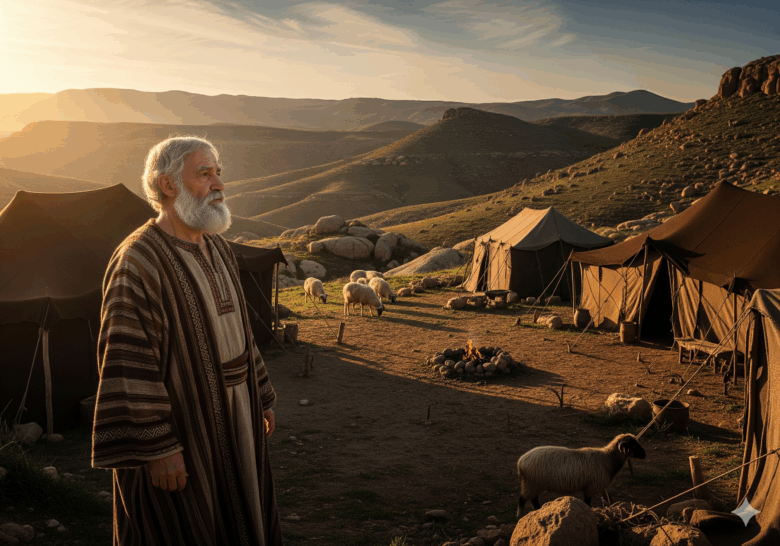
19. Abraham: father of faith at 175 years
Abraham’s 175 years fundamentally reshaped human history, establishing monotheistic faith and the covenant that would define Judaism, Christianity, and Islam. Called by God at age 75 to leave his homeland, Abraham spent a century following divine promises that seemed impossible, demonstrating faith that would become the model for billions of believers. His willingness to sacrifice Isaac, the son of promise born when Abraham was 100 years old, represents the ultimate test of faith and trust in divine providence. The 175 years allowed him to witness not just Isaac’s birth but also see his grandson Jacob, ensuring the covenant promises passed directly through three generations. His marriages to Sarah and later Keturah produced children who would become nations, including Ishmael through Hagar, whose descendants became the ancestors of the Arab peoples. Abraham’s remarkable lifespan meant he personally knew his great-great-great-great-great-great-great-grandfather, Shem, the son of Noah, creating a direct link to eyewitness accounts of the flood. His wealth, accumulated over 175 years, made him an influential figure in Canaan, respected by local kings and capable of fielding a small army to rescue Lot. The hospitality he showed to divine visitors, his intercession for Sodom, and his purchase of the Machpelah cave for Sarah’s burial reveal a complex character who bargained with God yet trembled before Him. His 175 years transformed him from Abram, the Mesopotamian, to Abraham, the father of nations, from a childless wanderer to the progenitor of peoples who would shape world history for millennia.

20. Jacob: 147 years of struggle and transformation
Living 147 years, Jacob’s life epitomized struggle from his birth, as he grasped Esau’s heel through his wrestling with the divine messenger, which left him limping but blessed. His very name meant “supplanter,” and he lived up to it by deceiving his father to steal Esau’s blessing, then fleeing to Paddan Aram, where his uncle Laban would out-deceive him for twenty years. The transformation from Jacob the schemer to Israel the patriarch represents one of the Bible’s most profound character developments. His passionate love for Rachel, which made seven years of labor seem like days, turned to heartbreak when Laban substituted Leah on the wedding night. His 147 years witnessed the birth of twelve sons and one daughter through four women, creating a complex family dynamic that would echo through Israel’s tribal history. The wrestling match at Peniel, where he refused to release the divine being without a blessing, earned him the name Israel and a permanent limp that reminded him of his encounter with the divine. His favoritism toward Joseph nearly destroyed his family, and the twenty-two years believing Joseph dead represent his most profound sorrow. The final seventeen years in Egypt, reunited with Joseph and blessed by Pharaoh, brought peace after decades of struggle. His prophetic blessings over his twelve sons on his deathbed shaped Israel’s tribal identities for centuries. Jacob’s 147 years transformed him from a deceiver into a patriarch whose very name became synonymous with God’s chosen people.

21. Ishmael: 137 years as Abraham’s firstborn
Living 137 years, Ishmael embodied complexity as both Abraham’s firstborn and the son whose expulsion ensured Isaac’s primacy in the covenant line. Born when Abraham was 86, to Hagar the Egyptian handmaid, Ishmael’s birth initially seemed to fulfill God’s promise of offspring; yet, God clarified that the covenant would flow through Isaac. His name, meaning “God hears,” reflected Hagar’s desperate cry in the wilderness when divine intervention saved her from death by thirst. The Bible describes him as a “wild donkey of a man, his hand against everyone and everyone’s hand against him,” a prophecy interpreted as predicting the independent spirit of Arab peoples. Despite his secondary position in the covenant, God promised to make Ishmael a great nation, blessing him with twelve sons who became the leaders of their respective tribes. His 137 years witnessed his growth from Isaac’s older playmate to his expulsion into the wilderness at Sarah’s insistence, then his establishment as a skilled archer in Paran. The reconciliation suggested when both sons buried Abraham together hints at eventual peace between the half-brothers. Ishmael’s marriage to an Egyptian woman and the proliferation of his twelve sons across Arabia fulfilled God’s promise of a nation separate from but parallel to Isaac’s line.
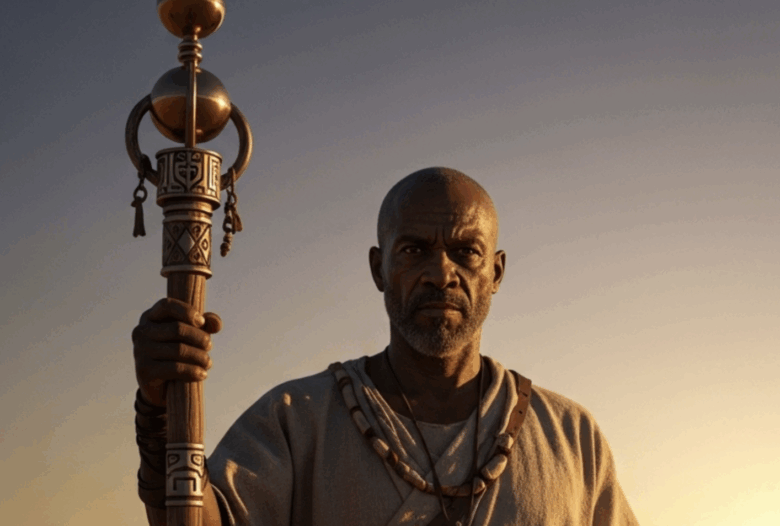
22. Levi: 137 years founding the priestly line
At 137 years, Levi’s lifespan matched that of Ishmael and Amram, yet his legacy proved far more enduring as the father of Israel’s priestly tribe. His fierce and violent nature manifested dramatically when he and Simeon massacred the men of Shechem to avenge their sister Dinah’s defilement, an act that earned Jacob’s rebuke and curse. This violent beginning makes the transformation of his descendants into priests serving the holy tabernacle all the more remarkable, demonstrating God’s ability to redirect even fierce temperaments toward sacred purposes. Born in Paddan Aram as Jacob’s third son through Leah, Levi grew up in the complex dynamics of his father’s household, watching the favoritism shown to Joseph that would eventually tear the family apart. His 137 years included the journey to Egypt during the famine, where he witnessed Joseph’s revelation and reconciliation with his brothers. The Levitical priesthood that descended from him would serve Israel for over a thousand years, maintaining the tabernacle and later the temple, preserving the sacred traditions and teaching the law. His son Kohath and grandson Amram would produce Moses and Aaron, making Levi’s lineage central to Israel’s deliverance from Egypt and covenant relationship with God. The irony that the violent young man’s descendants became the guardians of peace and holiness demonstrates the redemptive power woven through biblical narratives.
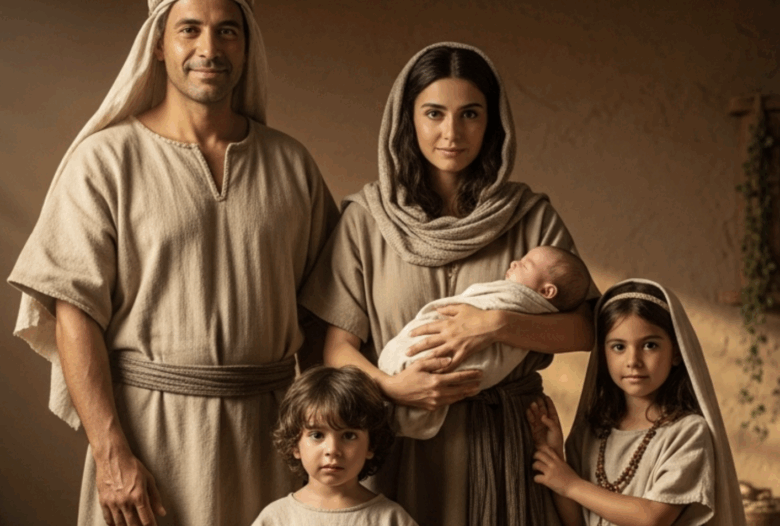
23. Amram: 137 years fathering Israel’s deliverer
At 137 years, Amram’s lifespan matched that of Levi’s and Ishmael’s, yet his significance lies primarily in fathering Moses, Aaron, and Miriam during Egypt’s darkest period of oppression. His marriage to Jochebed, his father’s sister, would later be prohibited under Mosaic law, yet from this union came Israel’s greatest prophet and the first high priest. The crisis of Pharaoh’s decree to kill all Hebrew male infants tested Amram’s faith, and his decision to continue having children despite the danger demonstrated remarkable courage. Watching Jochebed place infant Moses in a basket among the reeds required extraordinary trust in divine providence. His 137 years witnessed the escalating oppression of his people, from forced labor to the genocidal infanticide that threatened Israel’s future. Jewish tradition suggests Amram was a leader among the Israelites even before Moses’s call, using his influence to encourage continued procreation despite Pharaoh’s death decree. The three extraordinary children he fathered would each play crucial roles in the Exodus: Moses as deliverer and lawgiver, Aaron as high priest and spokesman, Miriam as prophetess and leader of worship. Amram’s death before the Exodus meant he never saw the fulfillment of the promises or his son’s triumph over Pharaoh, yet his faithful parenting under persecution made that deliverance possible. His lifespan represents the generation that endured the worst of Egyptian bondage while maintaining faith that God would remember His covenant with Abraham, Isaac, and Jacob.

24. Kohath: 133 years in Levite lineage
Living 133 years, Kohath’s lifespan placed him as a crucial bridge between Jacob’s era and the Egyptian bondage that would lead to the Exodus. As Levi’s second son, Kohath traveled to Egypt with Jacob’s family during the famine, part of the seventy souls who went down to Egypt. His descendants, the Kohathites, received the most sacred duty among the Levites carrying the holy objects of the tabernacle, including the Ark of the Covenant, the table of showbread, the lampstand, and the altars. This supreme honor reflected the importance of Kohath’s line, from which Moses and Aaron descended. Born in Canaan before the family migrated to Egypt, Kohath witnessed the transition from a nomadic patriarchal life to a settled life in Goshen. His 133 years saw the initial favor that Joseph’s family enjoyed in Egypt gradually shift as new pharaohs arose who were unaware of Joseph’s existence. The compression of generations meant that Kohath’s grandson, Moses, would lead the Exodus, with only two generations separating the prosperity of Joseph’s time from the deliverance from bondage. Kohath’s marriage and the birth of his son Amram occurred during the early years of Egyptian settlement, before the oppression began in earnest. His lifespan represents the transition period when Israel transformed from a family of seventy into a nation numbering in the hundreds of thousands.

25. Sarah: 127 years as mother of nations
At 127 years, Sarah’s lifespan made her the longest-lived woman mentioned in the Bible, her beauty reportedly remaining so striking at 90 that King Abimelech desired her. Her journey from the barren Sarai to Sarah, the mother of nations, epitomizes patience tested and faith rewarded. For decades, she endured the pain of childlessness, watching other women bear children while she remained empty, a situation made more agonizing by God’s promise that seemed to mock her aging body. Her decision to give Hagar to Abraham revealed both her desperation and her misguided attempt to fulfill divine promises through human effort. The 127 years witnessed her transformation from doubt, when she laughed at the promise of a son at age 90, to joy when Isaac nursed at her breast. Her influence on Abraham was profound, as God himself told Abraham to listen to Sarah regarding Ishmael and Hagar. The Bible records her death with unusual detail, noting she died in Hebron, and Abraham’s mourning and negotiation for her burial place at Machpelah demonstrates the depth of their partnership. Sarah’s 127 years saw her journey from Mesopotamian comfort to Canaanite tents, from princess-like status in Pharaoh’s court to the revered matriarch of a nation. Her laughter of disbelief transformed into laughter of joy, giving her son his name, Isaac, which means “he laughs.” Her lifespan, while shorter than Abraham’s, encompassed the crucial transformation from promise to fulfillment, making her the mother through whom all nations would ultimately be blessed.

Conclusion
The remarkable ages of these biblical patriarchs transport us to a world that seems almost mythological in its strangeness, where individuals witnessed not just their children’s children but generations stretching into the distant future. From Methuselah’s record 969 years to Amram’s 137 years fathering Israel’s deliverer, these lifespans tell a story of gradual decline that mirrors humanity’s increasing distance from Eden’s perfection. Each patriarch played a unique role in the unfolding drama of salvation history, their extended years allowing them to bridge vast temporal distances and maintain direct connections to foundational events.
For those of us who grew up with these stories, returning to them as adults reveals layers of meaning we couldn’t grasp as children sitting in Sunday school. The steady mathematical decline from pre-flood longevity through post-flood adaptation to the more “normal” ages of the later patriarchs suggests purposeful design rather than random variation. These aren’t just curious numbers in an ancient text but windows into understanding how our ancestors conceptualized legacy, divine purpose, and humanity’s evolving relationship with both God and mortality. Whether you approach these accounts as literal history or as profound theological narrative, their impact on shaping religious thought and cultural imagination remains undeniable.
The questions these extraordinary ages raise about human potential, environmental factors, and divine intention continue to spark discussion among believers and scholars alike. Perhaps that ongoing conversation is precisely the point, inviting each generation to wrestle with profound questions about life, death, purpose, and the vast sweep of time that separates us from humanity’s beginnings. Explore our other biblical history articles here at MediaFeed to delve further into the fascinating figures and stories that have shaped human civilization for millennia.
Related:
Like MediaFeed’s content? Be sure to follow us.
This article was syndicated by MediaFeed.org.