The 10 “dream cars” that collectors are quietly dumping
A pristine 1970 Plymouth Superbird recently sold at Barrett-Jackson for $180,000, representing a 40% decline from similar examples that commanded $ 300,000 or more just two years earlier, signaling a dramatic shift in collector car market dynamics. The seller, a longtime collector who had owned the car for over a decade, expressed surprise at the lukewarm bidding response for what was once considered an untouchable investment-grade muscle car. This scenario has become increasingly common across auction houses and private sales as previously bulletproof collector vehicles face unexpected market resistance.
The collector car market has experienced significant volatility following the post-pandemic boom, which saw record-breaking sales and unprecedented price appreciation across numerous vehicle categories. Economic factors, including rising interest rates, inflation concerns, and general market uncertainty, have dampened enthusiasm for high-dollar discretionary purchases that characterized the 2020-2022 collecting frenzy. Additionally, generational shifts in collecting preferences and changing cultural attitudes toward automotive ownership have created new dynamics that challenge traditional hierarchies of collector cars.
This article examines the “quiet dump” phenomenon, where collectors strategically sell formerly bulletproof investments as their perceived value or cultural relevance begins to fade, often before broader market awareness catches up to changing conditions. These sales typically occur through private transactions or smaller regional auctions rather than high-profile events, creating subtle but significant downward pressure on values for specific vehicle categories that once seemed immune to market corrections.
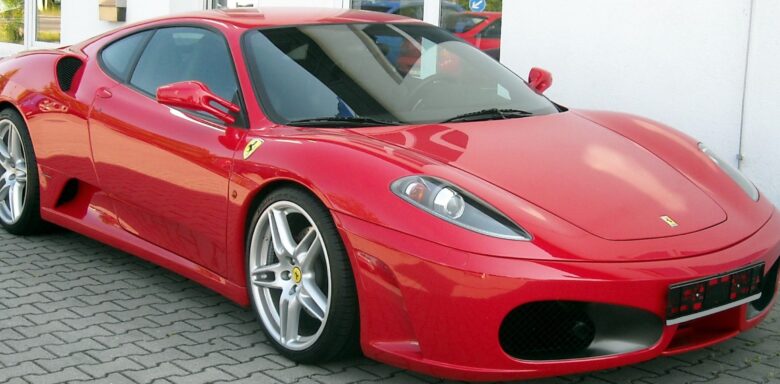
Generational preferences reshaping the market
Younger collectors increasingly favor vehicles from the 1980s, 1990s, and 2000s over traditional pre-war classics and certain muscle cars that have dominated collecting for decades, reflecting childhood memories and cultural connections that differ dramatically from those of previous collector generations. Generation X and Millennial buyers show more substantial interest in Japanese sports cars, European hot hatches, and performance vehicles from their formative years rather than the American muscle cars and classic European sports cars that Baby Boomers collected. This generational transition creates sustained selling pressure for traditional collector categories as aging owners liquidate collections that fail to attract younger buyers.
Market oversupply has emerged in several previously strong categories, as multiple high-profile collections have hit the market simultaneously, creating inventory gluts that depress prices, even for exceptional examples. The convergence of estate sales, economic uncertainty, and shifting preferences has flooded specific market segments with high-quality vehicles competing for a shrinking buyer pool. Traditional collector cars that once sold immediately now sit for months or require significant price reductions to attract serious buyers.
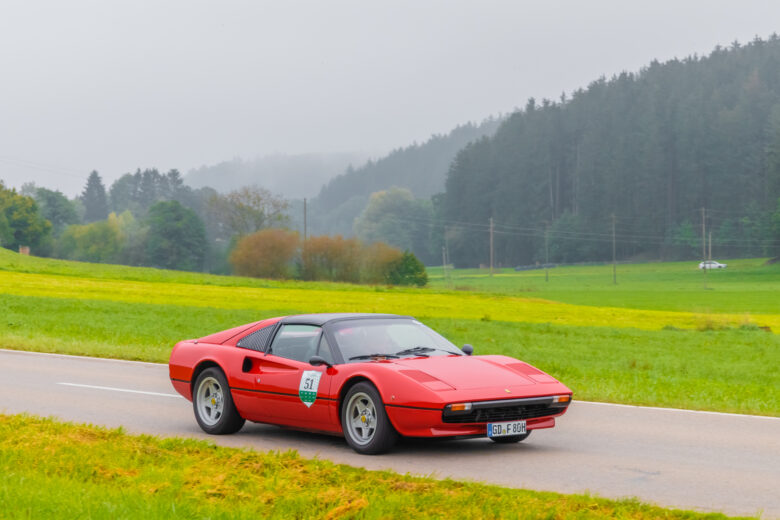
Ferrari 308/328 series
The Ferrari 308 and 328 models dominated collector car appreciation during the 2010s, serving as affordable entry points into Ferrari ownership that offered iconic styling and strong performance credentials. The cars benefited from Magnum P.I. cultural associations and represented accessible exotic car ownership for collectors who couldn’t afford more expensive Ferrari models. Values peaked around 2018-2020 when exceptional examples reached $80,000-$120,000, representing 300-400% appreciation from pre-boom pricing.
Current market conditions indicate that 308/328 values are declining 20-30% from peak pricing, as buyers recognize the significant maintenance costs and reliability challenges that make ownership expensive beyond the initial purchase price. The market correction reflects a realistic assessment of ongoing ownership costs, including engine-out services, electronics issues, and parts availability problems that make these cars impractical as daily drivers. Younger collectors are increasingly opting for more reliable Japanese or German alternatives that offer similar performance without the maintenance complexity.
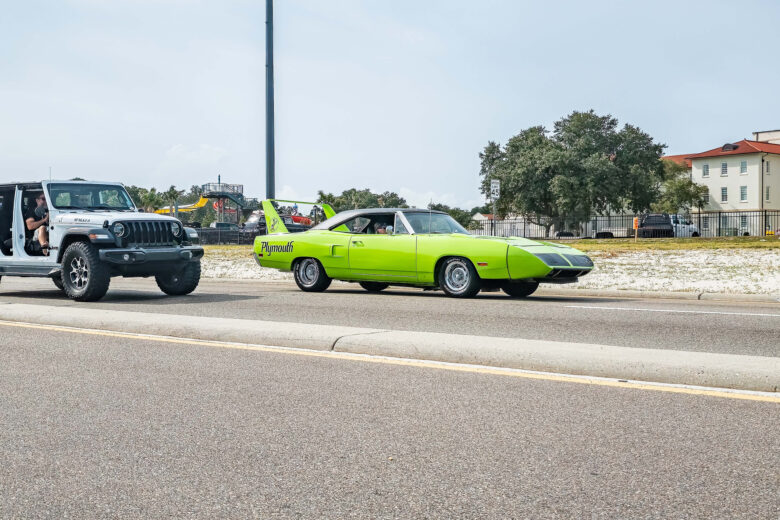
Plymouth Superbird/Dodge Daytona
The Plymouth Superbird and Dodge Daytona Charger represented the pinnacle of NASCAR homologation specials that commanded extreme collector interest due to their racing heritage and distinctive aerodynamic styling. These cars reached extraordinary values during the muscle car boom, with exceptional examples selling for $300,000 to $500,000, based on their rarity and motorsports significance. The distinctive wing and nose cone styling made them instantly recognizable symbols of American automotive excess and competition innovation.
Current market weakness stems from younger collectors’ lack of connection to NASCAR’s golden era and the cars’ impractical nature as actual driving experiences compared to modern performance vehicles. The Superbird’s extreme styling and poor visibility make it unsuitable for regular use, limiting appeal to display-only collectors who increasingly prefer more usable classic cars. Market saturation has occurred as multiple high-profile examples have been offered simultaneously, creating competition that drives down realized prices.
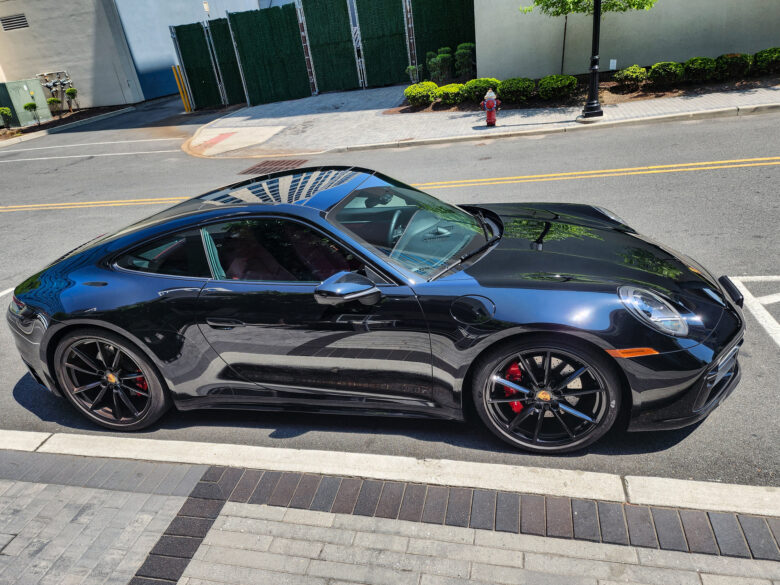
Porsche 911 Turbo (930)
The original Porsche 911 Turbo gained legendary status as the “widowmaker,” representing the ultimate expression of 1970s and 1980s sports car performance and danger. Values soared during the air-cooled Porsche boom as collectors recognized the 930’s significance as the first production turbocharged 911 and its distinctive whale-tail styling. Peak pricing reached exceptional levels, with some examples selling for $200,000 to $300,000 for the most desirable model years and specifications.
Market softening reflects the availability of superior modern Porsche performance, which makes the 930’s challenging driving characteristics less appealing to contemporary buyers who prefer usable performance over historical significance. The car’s reputation for snap oversteer and difficult handling makes it intimidating for many collectors who prefer more forgiving classic sports cars. Additionally, the market has become saturated with restored examples as professional restoration shops have rebuilt numerous cars to meet previous demand levels.

Mercedes-Benz R107 SL-Class
The Mercedes-Benz R107 SL series dominated luxury convertible collecting due to its distinctive styling, solid build quality, and associations with 1980s excess and luxury lifestyle imagery. The cars represented an affordable entry into classic Mercedes ownership with the comfort and reliability advantages of more modern engineering compared to earlier Mercedes classics. Values peaked when exceptional examples reached $40,000 to $60,000 for the most desirable V8 models with a proper maintenance history.
The current market decline reflects the R107’s transition from a classic car to merely an old car, as newer Mercedes convertibles offer superior performance, comfort, and reliability without the maintenance challenges associated with the 1970s-1980s era of German engineering. The cars suffer from complex vacuum systems, aging electrical components, and expensive parts that make ownership costly for the performance and luxury levels they provide. Younger buyers prefer more modern convertibles that offer similar styling appeal with better dependability.
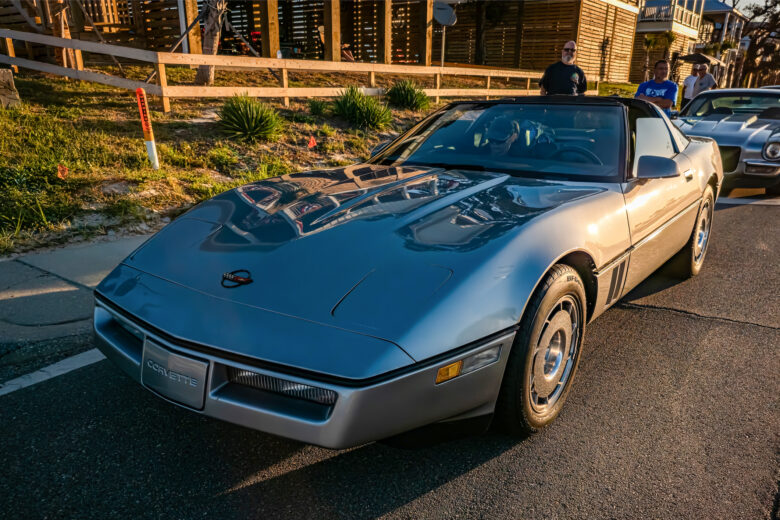
Chevrolet Corvette C4 ZR-1
The C4 ZR-1 represented the pinnacle of 1990s American sports car technology, boasting a Lotus-designed LT5 engine and sophisticated suspension systems that delivered supercar performance at a fraction of the price of European exotic cars. The “King of the Hill” marketing campaign and genuine 180+ mph performance capability made the ZR-1 a dream car for performance enthusiasts who couldn’t afford Ferrari or Lamborghini alternatives. Values peaked when exceptionally low-mileage examples reached $60,000 to $80,000.
Market weakness stems from the C4 generation’s reputation for build quality issues and the LT5 engine’s complex maintenance requirements, which make ownership more expensive compared to more reliable alternatives. Modern Corvettes offer superior performance, reliability, and comfort that make the ZR-1’s technological achievements less impressive to contemporary buyers. The car’s distinctive yet dated 1990s styling has not aged as well as some modern sports cars, which reduces its visual appeal to younger collectors.
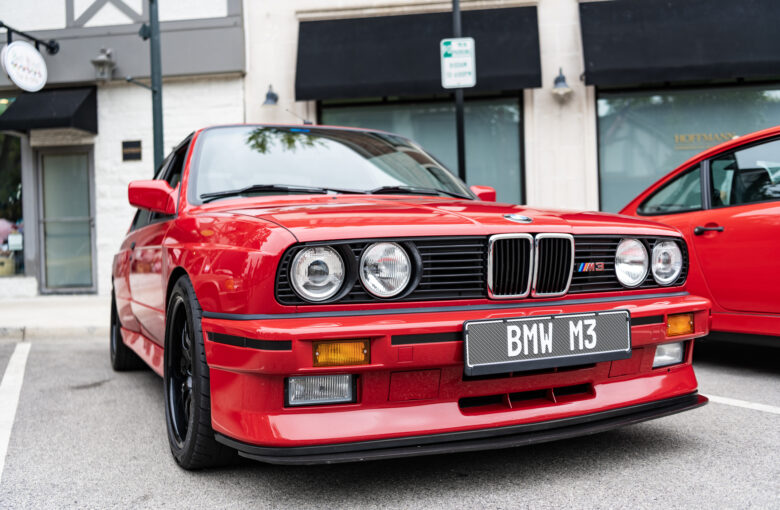
BMW E30 M3
The original BMW M3 achieved legendary status among driving enthusiasts for its homologation-racing credentials and exceptional handling characteristics, which made it one of the best-driving sports sedans ever produced. Values exploded during the 1980s nostalgia boom as collectors recognized the E30 M3’s significance in BMW’s motorsports heritage and its role in establishing the M division’s reputation. Peak pricing saw pristine examples sell for $60,000 to $100,000, with the most desirable specifications and colors commanding the highest prices.
The current market correction reflects oversupply, as multiple restoration projects have been completed to meet previous demand levels, resulting in a greater number of quality examples than current buyer interest can support. The E30 M3’s high-revving engine requires expensive maintenance and rebuild services, making ownership relatively costly compared to the car’s actual performance and modern alternatives. Additionally, many examples have been modified or extensively tracked, making truly original cars rare, but also highlighting the maintenance-intensive nature of ownership.
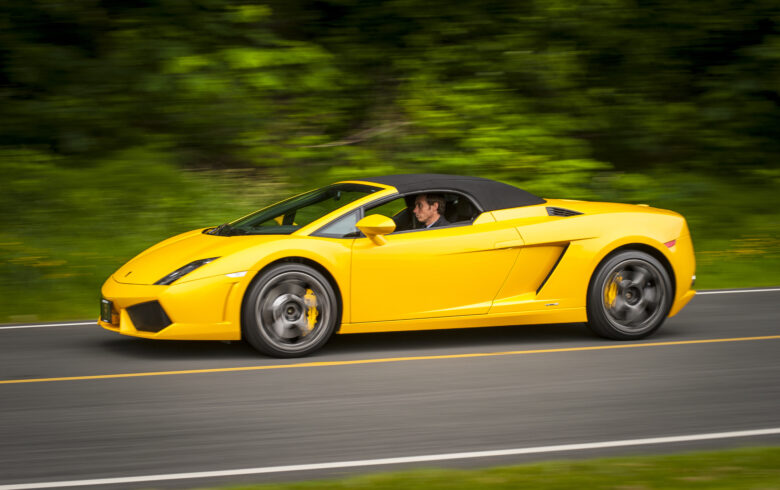
Lamborghini Gallardo
The Lamborghini Gallardo represented accessible exotic car ownership, bringing Lamborghini’s performance and styling to a broader market segment during its 2003-2013 production run. The car’s relative reliability compared to earlier Lamborghini models, along with more reasonable maintenance costs, made it appealing to collectors seeking exotic car ownership without incurring extreme financial risk. Values peaked when clean examples reached $180,000 to $220,000 for early manual transmission models.
The market decline reflects the Gallardo’s transition from an exotic rarity to a relatively common sight, as production numbers exceeded 14,000 units during its decade-long run. The car’s association with the pre-financial crisis era of excess has become less appealing to contemporary collectors, who prefer more understated luxury. Additionally, newer Lamborghini models offer superior performance and refinement that make the Gallardo feel dated despite its exotic car credentials.
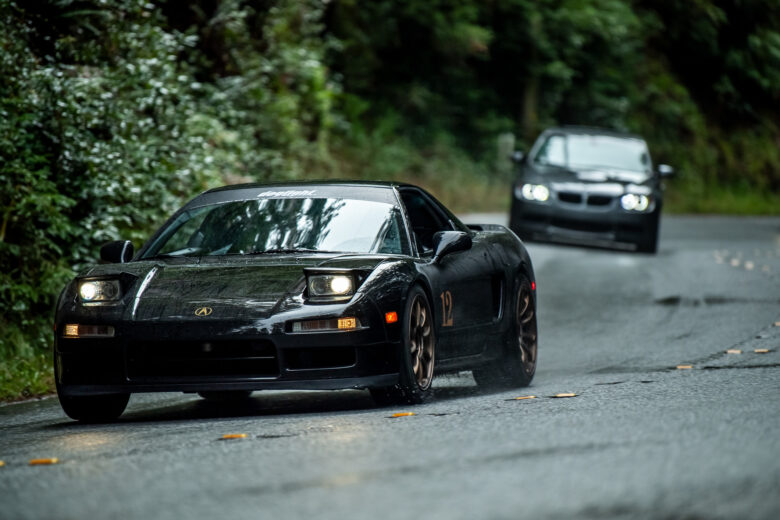
Acura NSX (first generation)
The original NSX achieved cult status as the exotic car that demonstrated Japanese engineering excellence and reliability in a market segment dominated by temperamental Italian supercars. The car’s mid-engine layout, aluminum construction, and Honda reliability made it appealing to collectors who wanted supercar performance without the typical ownership challenges. Values peaked during the Japanese car collecting boom, when exceptional examples reached $120,000 to $150,000.
The current market softening reflects a recognition that NSX performance, while impressive for its era, has been surpassed by much less expensive modern alternatives that offer superior acceleration, handling, and refinement. The car’s conservative styling has aged well, but lacks the dramatic presence that many exotic car buyers seek. Market saturation has occurred as multiple collections have offered NSX examples simultaneously, creating competition that has driven down realized auction prices.

Ford GT (2005-2006)
The mid-2000s Ford GT represented American supercar engineering that paid homage to the legendary GT40 race cars with modern technology and performance capabilities. The car’s limited production run and Ford’s application process created artificial scarcity that drove initial speculation and collector interest. Values peaked when examples regularly sold for $400,000 to $500,000, representing significant appreciation from the original $140,000 MSRP.
Market correction reflects the GT’s reputation for reliability issues and maintenance costs that exceed most owners’ expectations for a modern Ford product. The car’s racing-focused design compromises daily usability more than many buyers anticipated, limiting its appeal to serious collectors rather than casual enthusiasts of exotic cars. Additionally, the newer Ford GT has captured the attention of buyers seeking the latest Ford supercar technology, thereby reducing interest in the first-generation model.
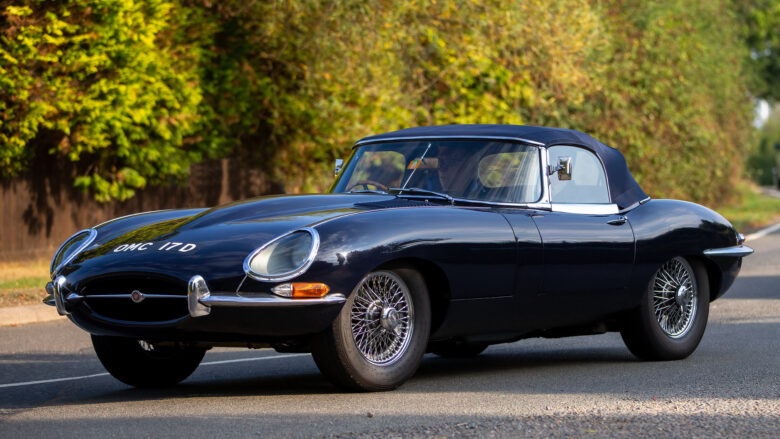
Jaguar E-Type Series I
The early Jaguar E-Type achieved icon status as one of the most beautiful cars ever designed, combining exotic styling with relatively affordable pricing that made it accessible to sports car enthusiasts worldwide. The Series I models became particularly sought after by collectors who recognized their design purity and mechanical simplicity compared to later, emissions-compromised versions. Values peaked when exceptional examples reached $100,000 to $150,000 for the most desirable roadster configurations.
Current market weakness stems from the E-Type’s well-documented reliability and maintenance challenges that make ownership expensive and frustrating for collectors seeking usable classic cars. The car’s electrical systems, cooling problems, and parts availability issues create ongoing ownership costs that exceed many buyers’ expectations. Younger collectors are increasingly opting for more reliable alternatives that offer a similar styling appeal without the maintenance complexity associated with 1960s British engineering.

Strategic considerations for current market conditions
Sellers facing declining values should focus on realistic pricing, exceptional presentation, and targeting the remaining enthusiast buyers who appreciate specific models for their driving characteristics rather than investment potential. Professional photography, comprehensive maintenance records, and honest condition descriptions become more important in a buyer’s market where choices are abundant. Timing sales to coincide with model-specific events or seasonal driving seasons can help maximize realized prices in challenging market conditions.
Buyers benefit from the current correction by accessing previously expensive dream cars at more reasonable price levels. Still, they should carefully evaluate ongoing ownership costs and personal usage intentions before making a purchase. The opportunity to acquire high-quality examples of former blue-chip collector cars at reduced prices may represent long-term value for buyers who plan to hold them for extended periods. However, buyers should avoid purchasing solely for investment purposes and focus on cars they genuinely want to own and drive.

Conclusion
The collector car market demonstrates that no vehicle category remains immune to correction as generational preferences shift, economic conditions change, and market supply dynamics evolve beyond previous assumptions about permanent value appreciation. These formerly bulletproof investments remind collectors that automotive markets respond to the same economic and cultural forces that affect other luxury goods categories. Understanding these dynamics enables both buyers and sellers to make informed decisions based on realistic market conditions, rather than relying on past performance expectations.
The future of automotive collecting likely depends more on genuine enthusiasm and driving pleasure than speculative investment strategies, suggesting that cars offering superior ownership experiences will maintain stronger long-term appeal than those purchased purely for their collectibility credentials. Check out our other automotive articles here at MediaFeed to discover additional insights into classic car ownership, maintenance, and market trends that affect collector vehicle values.
Related:
- 13 iconic cars from classic American movies we still love
- 6 vintage cars & the nuclear families who depended on them
Like MediaFeed’s content? Be sure to follow us.
This article was syndicated by MediaFeed.org.