Ryan Reynolds, Megan Fox & other actors who regretted taking these roles
For actors, taking on a new role usually represents an exciting opportunity filled with creative potential, career advancement possibilities, or simply a substantial paycheck that makes the commitment worthwhile. The allure of stepping into a character’s shoes, working with respected directors, or being part of a major studio production can make almost any project seem appealing during the decision-making process. Unfortunately, the reality of filmmaking often falls short of the initial promise.
Not every acting gig turns out to be a positive experience that enhances careers or provides artistic satisfaction. Sometimes films bomb spectacularly at the box office, performances get lambasted by critics and audiences alike, or the production process itself becomes a nightmare that leaves lasting scars. In these unfortunate cases, actors often find themselves publicly expressing regret about their choices, wishing they could somehow erase that particular credit from their résumés entirely.
These confessions offer a fascinating glimpse into the unpredictable nature of Hollywood, where even the most established stars can find themselves trapped in projects that damage their reputations or simply make them miserable. Here are 11 instances where prominent actors have candidly revealed their distaste or regret for roles they ultimately wish they had never accepted.
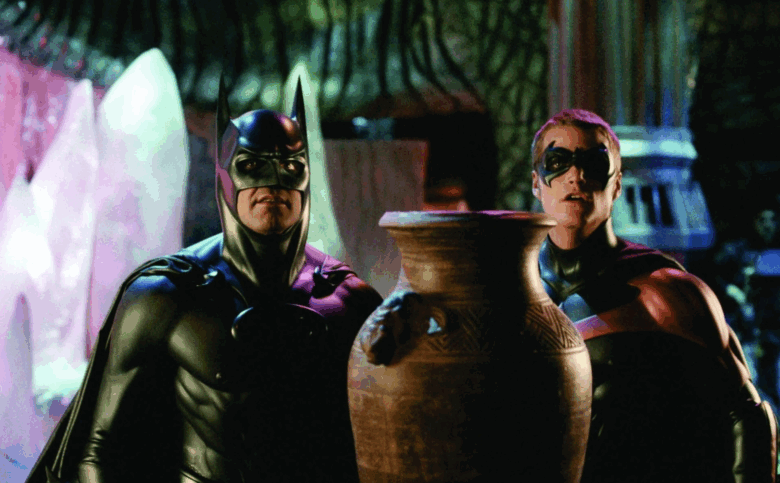
George Clooney’s nightmare in “Batman & Robin” (1997)
George Clooney’s portrayal of the Caped Crusader in Joel Schumacher’s widely criticized superhero film has become legendary for all the wrong reasons. Clooney has famously and repeatedly apologized for his performance and the film itself, often joking during interviews and public appearances that he “destroyed the franchise” single-handedly. His willingness to take responsibility for the film’s failure has become part of his public persona, demonstrating both humility and humor in the face of professional disappointment.
The actor found nearly every aspect of the experience unpleasant, from the uncomfortable rubber suit to the cheesy dialogue that reduced Batman to a collection of one-liners and ice puns. Clooney felt the overall experience was less than ideal and that he had let down the legacy of a character that meant so much to fans worldwide. The film’s campy tone and toy-commercial aesthetic were so far from his vision of what Batman should represent that he struggled to find any redeeming qualities in the final product.
His public regret about “Batman & Robin” has persisted for decades, with Clooney often using the film as a reference point for career mistakes in interviews. The experience taught him valuable lessons about choosing projects more carefully and trusting his instincts about scripts and directors, ultimately leading to better decision-making in his subsequent career.
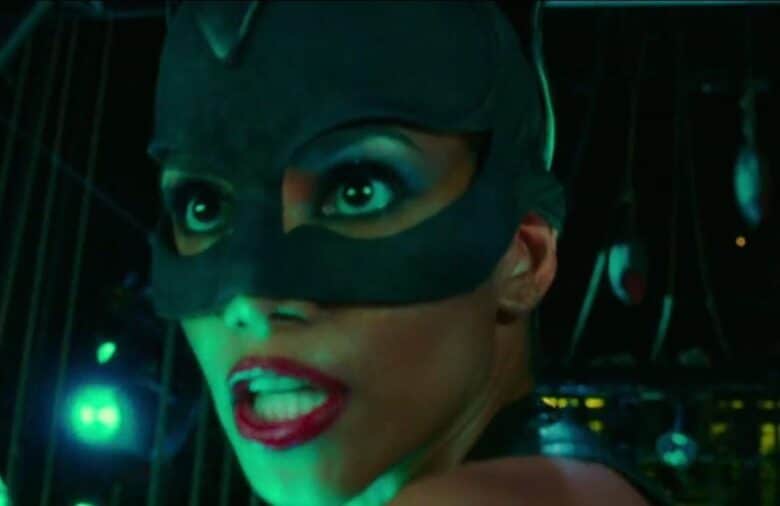
Halle Berry’s Razzie acceptance for “Catwoman” (2004)
Halle Berry’s starring role as Patience Phillips in the standalone Catwoman film became one of the most notorious superhero movie disasters of the 2000s. Berry famously accepted her Razzie Award for Worst Actress in person, appearing at the ceremony to declare it a “godawful movie” while holding both her Razzie and her Academy Award from “Monster’s Ball.” Her candid acceptance speech became legendary for its brutal honesty about the film’s quality.
Berry publicly expressed frustration with the script’s poor quality and how the iconic Catwoman character was mishandled by the filmmakers. She felt burdened by carrying the weight of the film’s many fundamental problems, from its nonsensical plot to its poorly choreographed action sequences. The actress recognized that her performance couldn’t overcome the material’s inherent flaws, leading to a viewing experience that satisfied neither critics nor audiences.
Her willingness to face the film’s failure head-on and accept responsibility for her part in it earned respect from industry observers who appreciated her honesty. The experience reinforced the importance of script quality and character development in her future project choices, helping her avoid similar pitfalls in subsequent roles.

Ben Affleck’s devil of a disappointment in “Daredevil” (2003)
Ben Affleck’s portrayal of Matt Murdock in the Marvel superhero film “Daredevil” left him deeply disappointed with the final product and his own performance. Affleck has been remarkably open about his dislike for the film, stating bluntly that “it didn’t work at all” and expressing genuine disappointment with both the script’s quality and the execution of his character’s story. His honesty about the film’s shortcomings has been consistent across multiple interviews over the years.
The actor found the script lacking in depth and character development, reducing the complex Daredevil character to generic superhero tropes without exploring what made him unique or compelling. Affleck felt that the film failed to capture the darker, more mature themes that made the Daredevil comics interesting, instead opting for a more conventional and less satisfying approach to the material.
This disappointment may have fueled his later determination to excel as Batman in the DC Extended Universe, where he had more creative control and input into how the character was portrayed. The “Daredevil” experience taught him valuable lessons about the importance of script quality and creative collaboration in superhero filmmaking.

Harrison Ford’s Blade Runner blues with “Blade Runner” (1982)
Harrison Ford’s complicated relationship with “Blade Runner” represents one of cinema’s most famous actor-director conflicts, despite the film’s eventual recognition as a science fiction masterpiece. Ford found the filming process arduous and frequently clashed with director Ridley Scott over the character’s development and the film’s overall direction. He particularly disliked the studio-mandated voiceover narration that he was forced to record, which he felt was unnecessary and detracted from the film’s visual storytelling.
The actor found Rick Deckard uninteresting as a character, struggling to connect with someone he saw as passive and lacking in the roguish charm that had defined his previous iconic roles. Ford famously stated that he “didn’t like the movie one way or the other, with or without” the controversial narration, suggesting his problems with the film went beyond the studio interference to fundamental issues with the story and character.
Despite the film’s later critical reevaluation and cult status, Ford has maintained his ambivalent relationship with “Blade Runner” throughout his career. His experience demonstrates how an actor’s personal connection to a role can significantly differ from public and critical reception, even when the final product achieves legendary status.
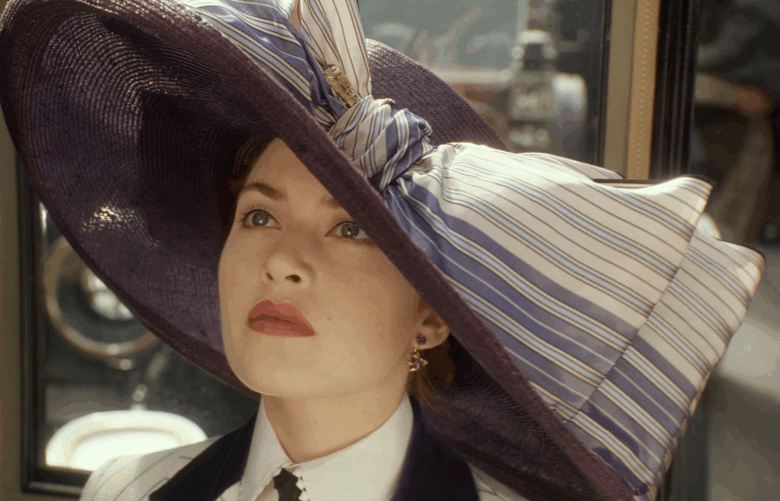
Kate Winslet’s titanic self-criticism for “Titanic” (1997)
While Kate Winslet doesn’t regret the massive success and career opportunities that “Titanic” provided, she has been remarkably harsh in critiquing her own performance in the film. Winslet often mentions hating her accent and feeling that her acting was “awful” and “too much,” particularly criticizing what she sees as overacting in nearly every scene. Her self-criticism extends to specific line deliveries and emotional choices that she now finds embarrassing to watch.
The actress has described the experience of watching herself in “Titanic” as genuinely uncomfortable, focusing on technical aspects of her performance that she believes were poorly executed. She feels her portrayal of Rose was overly theatrical and lacking in the subtlety she would bring to similar roles later in her career. This harsh self-assessment reflects her growth as an actress and her evolving understanding of film performance.
Despite the film’s iconic status and her character’s place in cinema history, Winslet’s regret about her performance demonstrates the high standards she holds for her own work. Her willingness to criticize her most famous role shows both personal growth and professional maturity, even when discussing a performance that launched her to international stardom.

Robert Pattinson’s vampire blues in the “Twilight Saga” (2008-2012)
Robert Pattinson’s conflicted relationship with the “Twilight” franchise became almost as famous as the films themselves, with the actor frequently expressing disdain for Edward Cullen in interviews throughout the series’ production. Despite the colossal fame and wealth the role brought him, Pattinson often mocked Edward’s characteristics, the source material, and the overall storyline in ways that sometimes seemed to undermine the films’ marketing efforts.
The actor appeared genuinely uncomfortable with Edward’s possessive and controlling behavior toward Bella, often joking about the character’s stalker-like qualities in interviews. Pattinson seemed eager to distance himself from the role even while promoting the films, suggesting that he never fully connected with the character or understood his appeal to audiences. His public comments revealed someone who felt trapped by the role’s massive popularity.
His regret about the “Twilight” experience motivated his subsequent choices to work with challenging independent directors and take on more artistically ambitious projects. The franchise’s success provided him with the financial freedom to pursue passion projects, but his discomfort with Edward Cullen remained evident throughout his promotional obligations.

Megan Fox’s transformative disappointment in “Transformers” (2007, 2009)
Megan Fox’s experience in the first two “Transformers” films led to public criticism of director Michael Bay’s working methods and her character’s lack of depth. Fox openly expressed frustration with how Mikaela Banes was written and portrayed, feeling that the character existed primarily for visual appeal rather than contributing meaningfully to the story. Her criticism of the role’s limitations and the objectification she experienced led to significant tension with the production team.
The actress felt sexualized and reduced to eye candy in a way that didn’t utilize her acting abilities or provide opportunities for character development. Fox’s public comments about wanting more substantial roles and her criticism of Bay’s directing style created controversy that ultimately led to her being replaced in the third film. Her willingness to speak out about these issues, despite the potential career consequences, reflected her genuine frustration with the experience.
The “Transformers” controversy taught Fox valuable lessons about advocating for herself and choosing projects that align with her artistic goals. Her regret about these roles influenced her subsequent career choices and her approach to discussing the film industry’s treatment of women in action films.

Ryan Reynolds’ green lantern learning experience in “Green Lantern” (2011)
Ryan Reynolds has transformed his regret over “Green Lantern” into a running joke throughout his career, often self-deprecatingly acknowledging the film’s failure in interviews, social media posts, and even within other movies like “Deadpool.” Reynolds cites the poor script quality, lack of coherent vision, and frustrating production process as reasons for his deep disappointment with the final product.
The actor felt that the film never found its identity, struggling between serious superhero drama and lighter comic book adventure without succeeding at either approach. Reynolds has been particularly critical of the script’s inability to make Hal Jordan an interesting or relatable character, leaving him with little to work with despite his commitment to the role. The production’s reliance on extensive CGI also left him feeling disconnected from the character and the world.
His willingness to mock “Green Lantern” publicly has become part of his brand, demonstrating how actors can recover from career disappointments through humor and honesty. The experience ultimately led him to champion the “Deadpool” project, where he had more creative control and could ensure the final product met his standards.
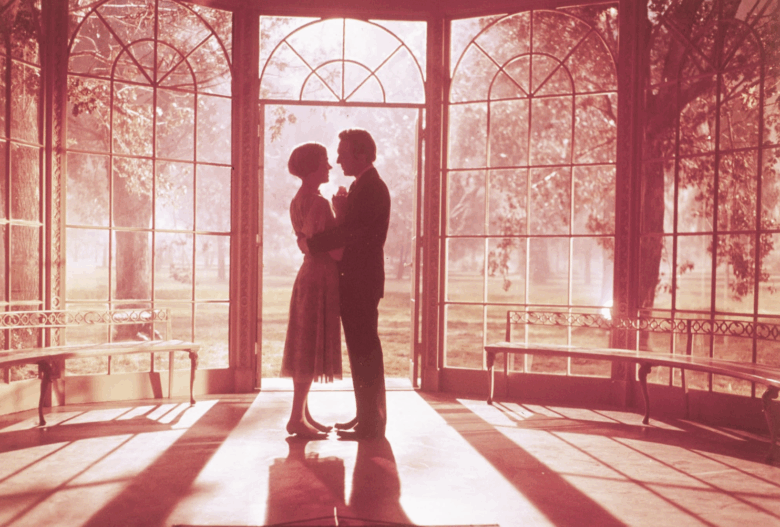
Christopher Plummer’s sound of regret for “The Sound of Music” (1965)
For many years, Christopher Plummer famously disliked his role as Captain von Trapp, referring to the beloved musical as “The Sound of Mucus” or “S&M” in interviews. He found his character to be “a cardboard cutout” and “boring,” struggling to bring depth and interest to what he saw as a one-dimensional role. Plummer felt that Captain von Trapp lacked the complexity and nuance that he preferred in his theatrical work.
The distinguished stage actor found it difficult to reconcile his serious dramatic training with the film’s lighter musical comedy elements, feeling that the role didn’t challenge him artistically or showcase his range as a performer. His comments about the film’s saccharine qualities and his character’s limitations became legendary among entertainment journalists, who often asked him to elaborate on his famous distaste for the project.
However, Plummer softened his stance later in life, acknowledging the film’s place in cinema history and its positive impact on audiences worldwide. His evolving perspective on “The Sound of Music” demonstrated how actors’ relationships with their work can change over time, especially as they gain perspective on a role’s cultural significance.

Sally Field’s amazing disappointment as Aunt May (2012, 2014)
Sally Field’s experience playing Aunt May in “The Amazing Spider-Man” films left the two-time Oscar winner feeling frustrated with the character’s lack of development and substance. Field was characteristically blunt about her lack of enthusiasm for the role, stating that it was “really hard to find a three-dimensional character in it” and memorably declaring, “You can’t put 10 pounds … in a five-pound bag” when discussing the script’s limitations.
The acclaimed actress felt that Aunt May was underdeveloped and served primarily as a plot device rather than a fully realized character with her own motivations and growth arc. Field’s comments reflected her desire to bring depth and authenticity to every role, regardless of the project’s scale or commercial prospects. Her frustration with the character’s limitations was evident in her public statements about the films.
Field’s honesty about the role’s shortcomings highlighted the challenges that serious dramatic actors face when working in big-budget franchise filmmaking. Her experience demonstrated how even veteran performers can feel constrained by material that prioritizes spectacle over character development.

Channing Tatum’s duty-bound disappointment in “G.I. Joe: The Rise of Cobra” (2009)
Channing Tatum’s regret about “G.I. Joe: The Rise of Cobra” was particularly acute because he was contractually obligated to take the role rather than choosing it freely. Tatum has openly stated that he “hates that movie” and felt pressured into a project he didn’t believe in from the beginning. His honesty about the experience reflects the reality that actors sometimes find themselves in projects due to business obligations rather than artistic interest.
The actor found the script poor and worried about tarnishing a brand that he had loved as a child, feeling torn between professional obligations and personal standards. Tatum’s childhood connection to the G.I. Joe toy line made the film’s failure particularly disappointing, as he had hoped to honor the characters and stories that had meant something to him growing up.
His experience with “G.I. Joe” taught him valuable lessons about contract negotiations and the importance of having creative input in his projects. The regret motivated him to be more selective about future roles and to seek out projects where he could contribute meaningfully to the creative process.

Conclusion
These stories highlight the fundamentally unpredictable nature of an acting career, where even the biggest stars can find themselves in roles they later wish they had declined. The gap between a project’s initial promise and its final execution can be enormous, leaving actors feeling trapped in productions that don’t meet their artistic or professional standards. Success in Hollywood requires not just talent but also the ability to choose wisely among countless opportunities.
The willingness of these actors to publicly discuss their regrets offers a valuable glimpse into the behind-the-scenes realities and personal struggles that can accompany even the most high-profile projects. Their honesty helps audiences understand that actors are often as disappointed as viewers when films fail to meet expectations, and that career disappointments are part of even the most successful careers.
Ultimately, these experiences often lead to valuable lessons about choosing roles wisely and advocating for artistic integrity throughout the filmmaking process. The actors who learn from their regrets and use those experiences to make better choices often find that career disappointments can become stepping stones to more fulfilling and successful work in the future.
Related:
- Actors whose careers got derailed after one bad movie role
- Forgotten ‘70s actors only a true Boomer could name
Like MediaFeed’s content? Be sure to follow us.
This article was syndicated by MediaFeed.org.