The ultimate moguls: 12 of the richest reality TV stars of all time
Reality TV used to be a stepping stone. Now it’s a launchpad for billion-dollar empires. According to analysis from Finance Monthly, “The true financial genius lies in leveraging screen time into massive businesses, endorsements, and enduring influence, culminating in staggering celebrity net worth.” These 12 personalities have mastered monetizing their public image through business ventures, brand deals, and production roles, far exceeding their on-screen salaries. Here’s the countdown to see who sits on the reality TV throne.

Guy Fieri ($100 million)
The Food Network star of Diners, Drive-Ins and Dives built his fortune through extensive cookbook deals, massive restaurant partnerships, and production company ventures. His distinct persona became universally marketable across multiple platforms.

Carrie Underwood ($120 million)
The American Idol winner turned her competition success into a multi-platinum music career, marked by extensive touring, brand endorsements, and successful lifestyle and activewear lines. She represents the rare contestant who found lasting mainstream success.
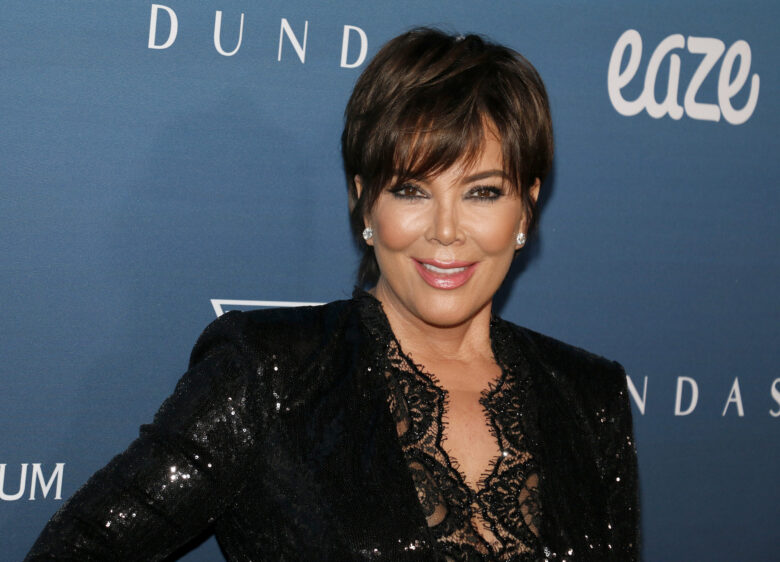
Kris Jenner ($170 million)
The Kardashian matriarch serves as mastermind and executive producer of the family’s reality franchise. She takes percentage cuts from her children’s deals and runs her own brand management company, transforming one family into a multi-billion-dollar business entity.

Jonathan and Drew Scott ($200 million combined)
The Property Brothers created Scott Brothers Global, a massive production company, as well as extensive home goods lines and book deals. They leveraged their construction expertise into a lucrative global multimedia brand.

Gordon Ramsay ($220 million)
The Hell’s Kitchen and MasterChef judge commands a global restaurant portfolio, lucrative network deals reportedly worth $150 to $200 million, cookbooks, and brand licensing. His televised personality and drama translated directly into dining and media revenue.

Kyle Richards ($350 million)
The Real Housewives of Beverly Hills star combined inheritance from a hotel dynasty with designer jewelry collaborations. She leveraged established family wealth and social status both before and during the show.

Paris Hilton ($400 million)
The Simple Life original built a global DJ career, an extensive perfume and fragrance line with over 45 scents, and licensing deals for home goods and virtual spaces. She created the blueprint for turning viral celebrity into long-term business success.

Jamie Oliver ($400 million)
The Naked Chef launched international restaurant chains, authored bestselling cookbooks, designed cookware, and secured massive endorsement and licensing deals. His success came through non-competition reality cooking formats.

Ryan Seacrest ($450 million)
The American Idol host and producer founded his own media production company while producing the Kardashians franchise and hosting multiple major TV shows, plus radio deals. He became a ubiquitous on-screen presence and a powerful off-screen producer.

Simon Cowell ($600 million)
The American Idol and X Factor judge created and owns Syco Entertainment, which produces major reality franchises worldwide. His substantial judging salary pales in comparison to the wealth generated from owning the format itself.

Kylie Jenner ($700 million)
The Keeping Up with the Kardashians star founded Kylie Cosmetics in 2015, selling a majority stake to Coty Inc. She utilized her massive social media following to build and rapidly scale a beauty brand through direct-to-consumer models.
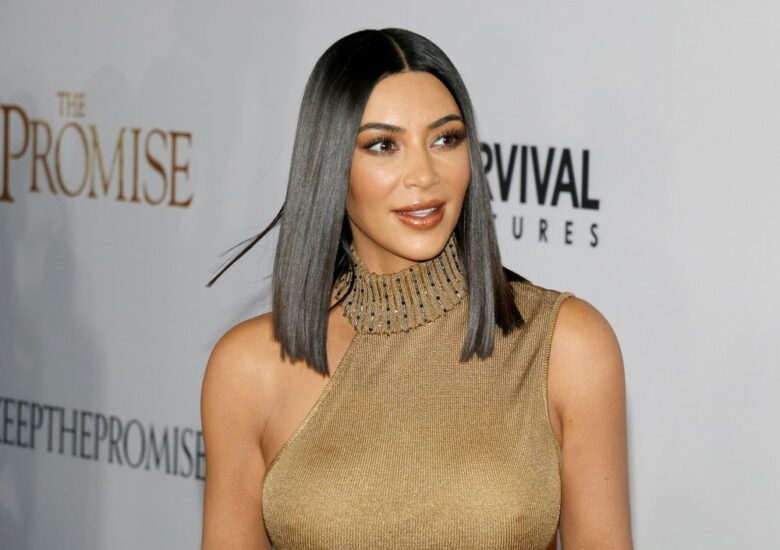
Kim Kardashian ($1.7 billion)
Skims was recently valued at $5 billion, making the Keeping Up with the Kardashians star the wealthiest reality TV personality in the world. She founded SKKN by Kim, sold KKW Beauty and Fragrance, serves as executive producer, and maintains a vast real estate portfolio.
Conclusion
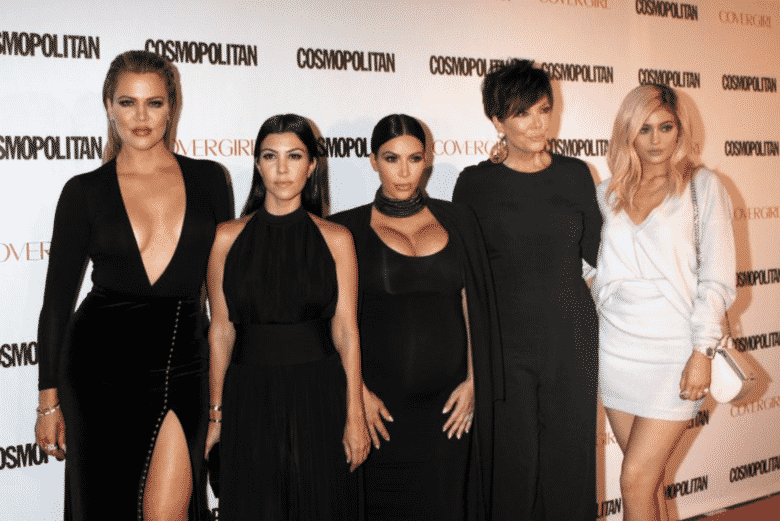
The sheer scale of wealth created by figures like Kim, Kylie, Simon, and Ryan proves that reality TV serves merely as the platform. True wealth comes from ownership, brand diversification, and entrepreneurial acumen. The original prize money means nothing compared to the billion-dollar businesses fame can fuel.
Related:
Like MediaFeed’s content? Be sure to follow us.
This article was syndicated by MediaFeed.org.