
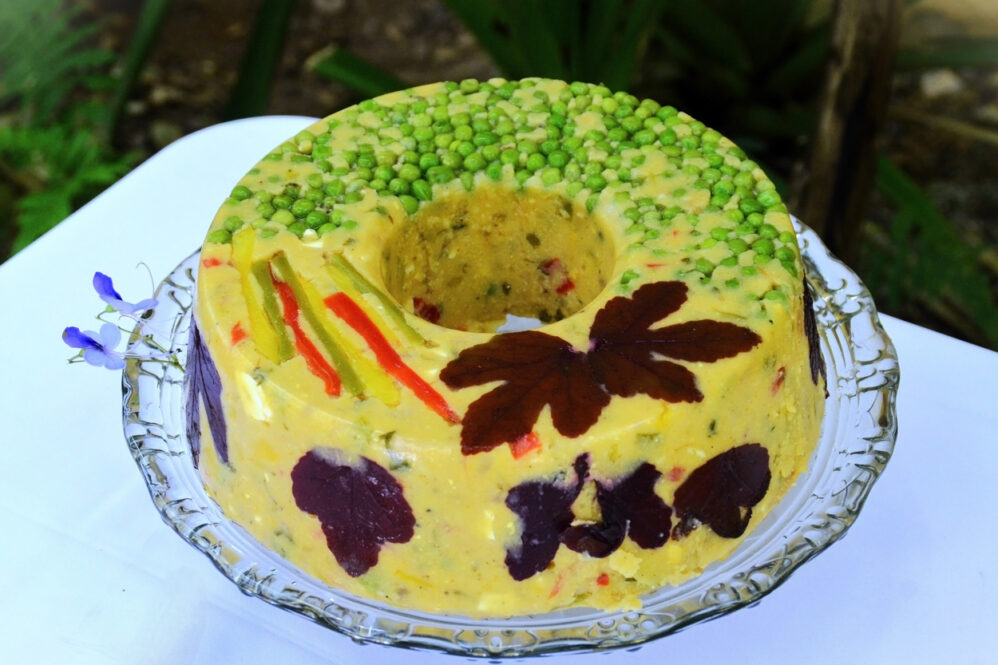
Holiday side dishes from the 1960s that somehow vanished from Thanksgiving tables
Families cook the dishes they need for a specific purpose in a specific era. If a recipe survives over time, it means it holds an inherent quality that makes it fundamental to how people gather. Some dishes prove irreplaceable. Others become completely forgettable.
What interests me is what gives a recipe that built-in quality. Eight dishes from the 1960s table follow, and most of them are gone.
A few went because the ingredients got expensive. Others because nobody had the morning to spare. We say which.
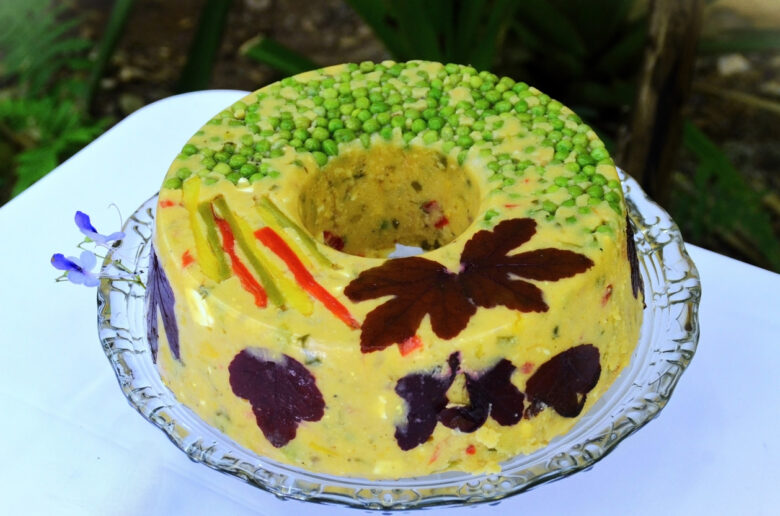
The molded gelatin salad
The 1964 edition of The Joy of Cooking gave entire sections to savory gelatin salads. That is how normal this was.
Jell-O leaned in during the 1960s with celery, mixed vegetable, and a flavor called Italian salad. By the mid-1970s, they had sold so poorly that the company discontinued them. Overall sales peaked in 1968 and then slid about two percent a year for the next two decades.
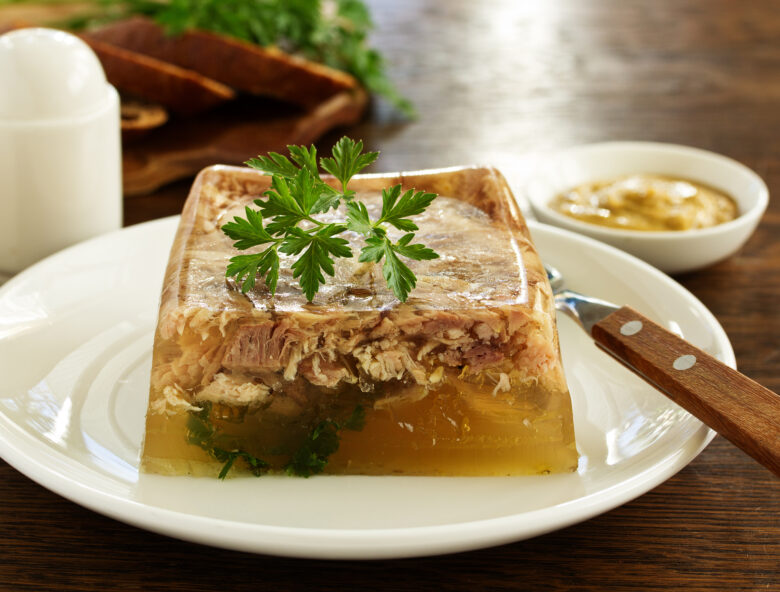
Aspic
The savory cousin, and the more ambitious one. Meat or vegetables suspended in clear jelly, set in a decorative mold and served cold.
It required real technique, and it belonged to an era when year-round fresh produce wasn’t a given. Once it was, the appeal of suspending anything in gelatin largely evaporated.
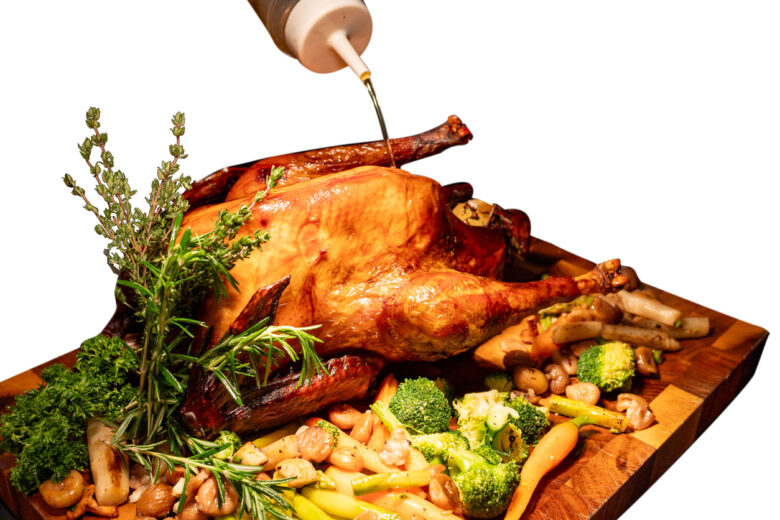
Oyster dressing
In coastal homes, the Chesapeake, and much of the South, they didn’t finish turkey without it. Shucked oysters and their brine went into the bread, celery and onion, and the top baked crisp.
Oysters used to be cheap and plentiful, which is how they reached ordinary tables in the first place. Overfishing and pollution thinned the beds, prices climbed, and sausage took the slot.
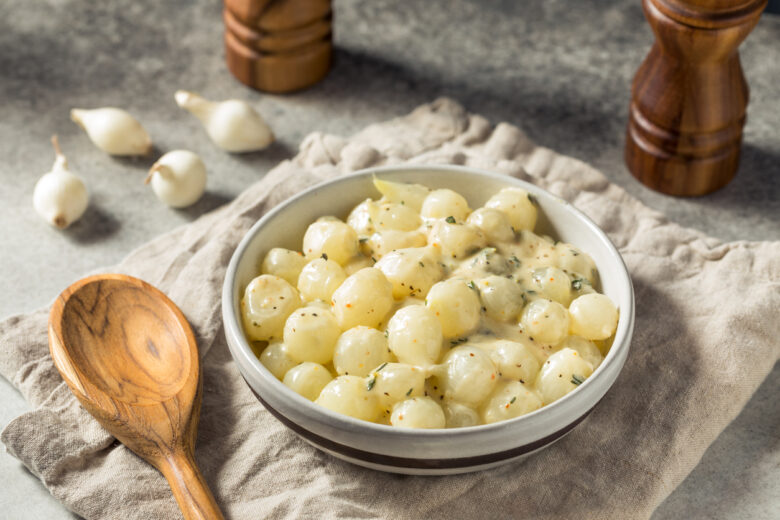
Creamed pearl onions
A New England and Midwest fixture: small white onions in a rich butter-and-cream sauce. Frozen pearl onions made it manageable for a while.
The honest explanation for its disappearance is that peeling a mountain of tiny onions is nobody’s idea of a good holiday morning.
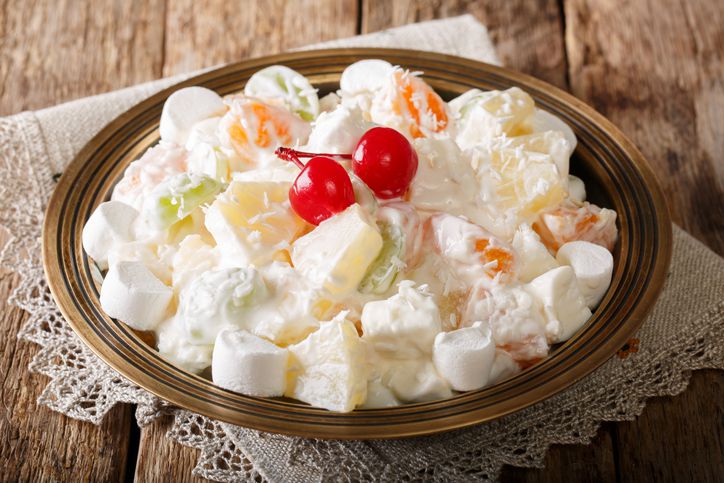
Ambrosia
Mandarin oranges, pineapple, shredded coconut, and mini marshmallows, held together with sour cream or whipped topping. Some houses add pecans and maraschino cherries.
It was once read as a symbol of luxury, back when canned tropical fruit was a splurge. Younger guests tend to find it confusing now, since it sits somewhere between a salad and a candy.

Cranberry fluff
Cranberries, marshmallows, applesauce, and whipped cream, often with pecans throughout it. A 1960s and 1970s favorite, especially in the South, and served as a side rather than a dessert.

Waldorf salad
Apples, celery, and mayonnaise, invented at New York’s Waldorf Hotel in the 1890s. Walnuts came later, and by the 1960s it had reached holiday tables across the country.
It survives, barely, usually at the one house where somebody’s grandmother insisted.
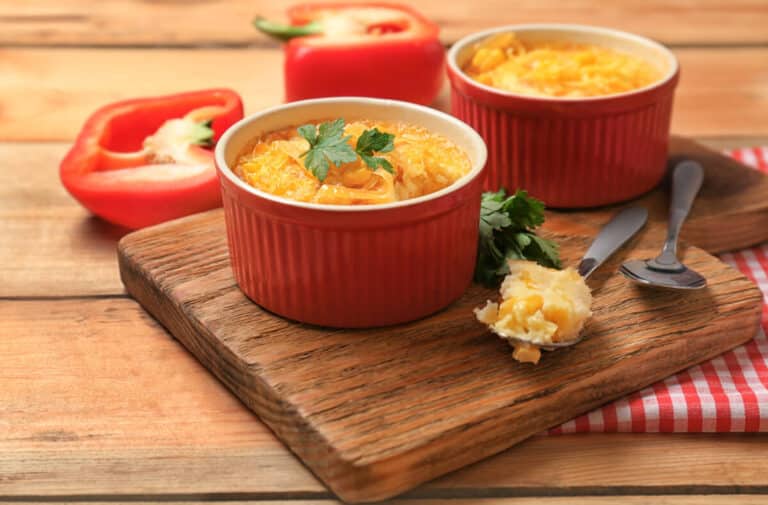
Corn pudding
Corn, eggs, cream and butter baked into something custardy, sitting between cornbread and creamed corn. It never offended anyone. It simply lost its place on a crowded table.
The bottom line
Jell-O peaked in 1968, and by 1987 the company was selling about half as many boxes as twenty years earlier. The 1964 Joy of Cooking still devoted whole sections to savory gelatin salads.
Ask us! What questions do you have about content, strategy, pop culture, lifestyle, wellness, history or more? We may use your question in an upcoming article!
Related:
- Household rules from the ’40s that sound unbelievable now
- 8 places and discoveries where exploration has limits
Like MediaFeed’s content? Be sure to follow us.
This article was syndicated by MediaFeed.co.