Expensive antiques and valuables found in homes
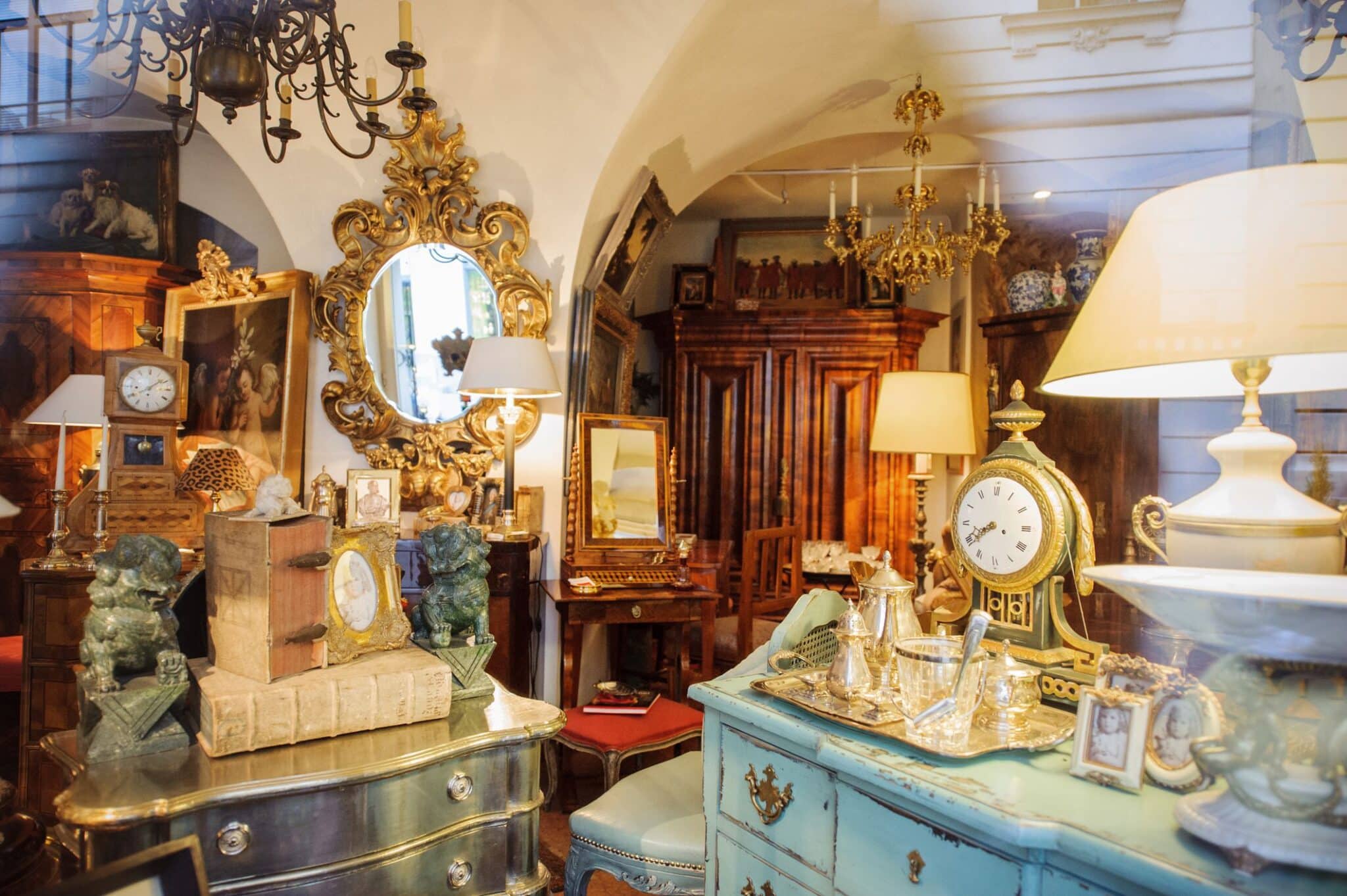
The universal fantasy of discovering a hidden fortune in forgotten corners of homes captures imaginations worldwide, inspiring countless people to examine their inherited possessions with fresh eyes and renewed hope. These dreams seem impossibly remote until one learns about real families who have found multimillion-dollar artworks in attics, rare coins hidden in furniture, and priceless collectibles gathering dust in basements. Such discoveries prove that extraordinary treasures can hide in plain sight, waiting for the right moment and knowledgeable eye to reveal their true worth.
Many people have unknowingly possessed priceless artifacts, rare artworks, and valuable collectibles for years or decades without realizing the fortunes literally hanging on their walls or stored in their homes. These remarkable finds often result from a combination of circumstances, including inherited items, forgotten family histories, and the gradual appreciation of objects that initially seemed worthless. The stories range from medieval paintings misidentified as cheap reproductions to rare coins hidden in secret compartments by previous owners who never revealed their locations.
This article examines some of the most famous and surprising discoveries of valuable items found in ordinary homes, demonstrating how historical artifacts and precious objects can remain hidden until circumstances reveal their extraordinary value to unsuspecting owners.

The Caravaggio painting
A family in Toulouse, France, made one of the most significant art discoveries in recent history when they found a painting in their attic during routine leak repairs that later proved to be by Italian master Caravaggio. The work, titled “Judith Beheading Holofernes,” had remained in the family home for generations, utterly unknown to the owners who had no idea of its significance or value. Initial examination by art experts revealed the painting’s remarkable condition and authentic characteristics consistent with Caravaggio’s distinctive style and technique.
The discovery sent shockwaves through the international art world when experts valued the painting at over $136 million, making it one of the most valuable artworks ever found in a private residence. The painting’s authentication process involved extensive technical analysis, provenance research, and consultation with leading Caravaggio scholars who confirmed its attribution to the Renaissance master. The find demonstrates how major artworks can remain hidden for centuries, waiting in ordinary homes for accidental discovery.

Cimabue’s “Christ Mocked”
An elderly French woman discovered she owned one of the art world’s most valuable medieval paintings after living with it hanging above her hotplate for years, dismissing it as a cheap reproduction of religious art. The miniature painting had been casually displayed in her kitchen, where it accumulated cooking grease and dust, showing no external signs of its extraordinary historical significance. An auctioneer visiting the home for an estate evaluation immediately recognized the work’s authentic characteristics and potential attribution to 13th-century master Cimabue.
The painting’s identification as one of the few known works by Cimabue, a pivotal figure in the transition from Byzantine to Renaissance art, created international excitement when it sold for over $26 million at auction. The discovery highlighted how medieval artworks can survive in unexpected locations, preserved by accident rather than design. The contrast between the painting’s humble kitchen display and its multimillion-dollar value exemplifies how extraordinary treasures can hide in the most ordinary domestic settings.

The Van Gogh attic find
“Sunset at Montmajour” by Vincent van Gogh spent decades in a Norwegian attic after being dismissed as a fake by the owner’s family, who inherited the painting but never questioned their assumption about its authenticity. The family considered the work a worthless reproduction and stored it away, never bothering to seek professional authentication or evaluation. Years of technological advancement in art analysis eventually provided the tools necessary to definitively authenticate the painting as a genuine van Gogh creation definitively.
The authentication process required extensive technical analysis, including paint composition studies, canvas examination, and comparison with documented van Gogh works from the same period. The discovery significantly expanded the known catalog of van Gogh paintings, offering new insights into the artist’s development during his time in Arles. The find illustrates how assumptions about authenticity can persist for generations, hindering the recognition of valuable artworks that await proper scholarly examination.

The chair with hidden diamonds
An English couple purchased a chair for £5 at a local auction, intending to use it as functional furniture without any expectation of discovering hidden treasure within its structure. Years later, when they decided to reupholster the chair to match their home decor, they found a secret compartment built into the frame that contained diamond jewelry worth thousands of pounds. The hidden compartment had been carefully concealed by the chair’s original construction, suggesting deliberate concealment by a previous owner who never retrieved the valuables.
The discovery included multiple pieces of diamond jewelry that appeared to have been hidden during a period when the original owner faced uncertainty about their security or circumstances. The couple’s find demonstrates how furniture can serve as hiding places for valuables, with secret compartments remaining undetected through multiple ownership changes. The unexpected windfall transformed a simple furniture purchase into a life-changing discovery that exceeded the chair’s purchase price by thousands of times.

The Normandy gold hoard
A man who inherited a house in Normandy, France, discovered over 220 pounds of gold coins and ingots hidden throughout the property in various concealment locations that the previous owner had never revealed to anyone. The gold cache had been systematically hidden in multiple spots, including inside whiskey boxes, behind walls, and in other creative hiding places that suggested careful planning by someone who wanted to protect their wealth. The discovery required extensive searching as the gold had been distributed across numerous locations rather than concentrated in a single hiding spot.
The total value of the gold hoard reached hundreds of thousands of euros, representing a substantial fortune that had remained hidden for years after the original owner’s death. The systematic nature of the concealment suggested wartime hiding or protection against economic uncertainty that motivated the original owner to convert assets into physical gold. The find illustrates how valuable metals can remain hidden in properties for decades, waiting for new owners to accidentally discover carefully concealed treasures.

The rare gold coin in a bureau
An auction house staff member discovered a rare 14th-century gold coin in a secret compartment of a 20th-century bureau that a woman had inherited from her family. The tiny drawer had remained undetected during years of regular use, demonstrating how furniture makers sometimes incorporated hidden storage spaces that could conceal small valuables. The coin, dating to 1365, represented a remarkable survival of medieval currency that had somehow made its way into modern furniture.
The coin’s sale for thousands of pounds reflected its historical significance and rarity, as medieval gold coins in reasonable condition command premium prices from collectors and museums. The discovery process involved careful examination of the bureau’s construction, revealing the sophisticated craftsmanship that had kept the secret compartment hidden for decades. The find demonstrates how valuable historical artifacts can survive in unexpected contexts, preserved by chance rather than intentional collection.

The Honus Wagner baseball card
One of the world’s most valuable baseball cards, the T206 Honus Wagner, emerged from an attic collection of old baseball cards that had been stored and forgotten for decades. The card, often referred to as the “Holy Grail” of sports collectibles, owes its extreme rarity to Wagner’s objection to tobacco advertising, which resulted in the card’s limited production run. The attic discovery represented one of only a few dozen known examples of this legendary card that collectors consider the ultimate prize.
The card’s value reflects its perfect intersection of sports history, rarity, and cultural significance in American collecting traditions. The T206 Wagner represents the pinnacle of baseball card collecting, with examples selling for millions of dollars depending on condition and provenance. The attic find illustrates how sports memorabilia can appreciate dramatically over time, transforming childhood collections into extraordinary and valuable discoveries.

Action Comics No. 1
A man renovating an old house discovered a pristine copy of Action Comics No. 1, the 1938 debut of Superman, hidden inside a wall where it had been preserved for decades. The comic book, originally purchased for 10 cents, had somehow ended up sealed within the home’s construction, protecting it from the deterioration that affects most surviving copies. The discovery of such a well-preserved example created excitement among collectors and comic book historians who rarely encounter copies in excellent condition.
The comic’s sale for millions of dollars at auction reflected its status as the most important comic book in publishing history, marking the beginning of the superhero genre that continues dominating popular culture today. The wall discovery provided near-perfect preservation, significantly enhancing the comic’s value beyond typical examples that show wear from handling and storage. The find illustrates how construction practices can accidentally create time capsules that preserve cultural artifacts far beyond their expected lifespan.

The Fabergé egg
A scrap metal dealer purchased what appeared to be a small golden egg at a flea market for $13,000, intending to melt it down and sell the gold content for profit, unaware of its historical significance. Research into the object’s markings and construction revealed it was one of the missing Imperial Fabergé Eggs created for Russian royalty, representing one of the most significant decorative art discoveries in recent history. The egg had somehow made its way from the Russian imperial collection into the American antiques market, where it was misidentified as a generic gold items.
The egg’s eventual sale for over $33 million demonstrated the extraordinary value of Imperial Fabergé works, which represent the pinnacle of decorative arts craftsmanship from the late Russian Empire. The discovery process involved extensive research into Fabergé records and comparison with known imperial eggs to confirm authenticity and provenance. The find shows how even experienced dealers can overlook extraordinary treasures when objects appear outside their expected contexts or lack obvious identifying characteristics.

The Chinese vase
A family in London discovered a dusty, centuries-old Chinese vase during the cleanup of their parents’ home, initially treating it as just another piece of old pottery that needed to be disposed of or donated. The vase had sat unnoticed among other household items for years, not indicating its extraordinary age, craftsmanship, or historical significance. A professional evaluation revealed the piece to be a rare Qianlong Dynasty vase from the 18th century, representing the highest quality and historical significance of imperial Chinese porcelain.
The vase’s record-breaking sale for £53 million shocked the art world and demonstrated how Chinese imperial arts can command extraordinary prices when rare examples reach the international market. The Qianlong period marks the pinnacle of Chinese porcelain craftsmanship, rendering surviving pieces highly valuable to collectors and museums worldwide. The discovery highlights how Asian art objects can remain unrecognized in Western homes, awaiting expert evaluation to reveal their actual cultural and monetary value.

The Declaration of Independence
A man purchased a $4 painting at a flea market solely for its frame, having no interest in the artwork itself and planning to discard the canvas to reuse the frame for another purpose. Hidden behind the canvas, he discovered a folded document that proved to be one of the original 200 copies of the Declaration of Independence printed in 1776. The document had been concealed, possibly deliberately, behind the painting, where it remained protected from light and handling that typically damages historical papers.
The document’s sale for over $2.4 million reflected its extraordinary historical significance as one of the founding documents of American democracy, as well as its remarkable state of preservation. Only a few dozen copies of the original 200 printings survive today, making each discovery of significant importance to American history and collectors of historical documents. The find demonstrates how historical papers can survive in unexpected locations, protected by accident rather than intentional preservation efforts.
The Stradivarius violin
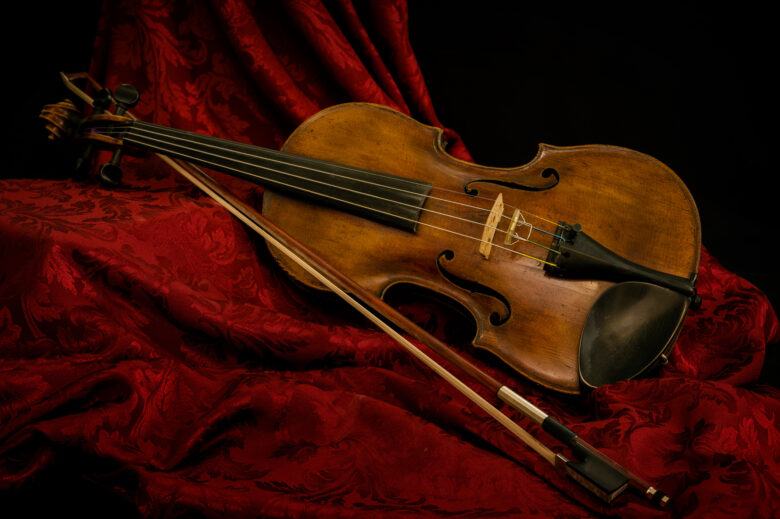
The violin played by the Titanic’s bandmaster, Wallace Hartley, was discovered in a UK attic years after being presumed lost at sea with the ship, representing one of the most emotionally significant musical instrument discoveries in recent history. The instrument had somehow survived the Titanic disaster and made its way back to England, where it remained unrecognized among family possessions for decades. Authentication required extensive research into the violin’s history, construction details, and connection to the tragic events of 1912.
The violin’s sale for $1.7 million reflected both its craftsmanship as a quality instrument and its extraordinary historical significance as a tangible connection to one of history’s most famous maritime disasters. The discovery provided closure to a mystery that had persisted for over a century, confirming that at least one of the band’s instruments had survived. The find illustrates how objects with powerful historical connections can remain hidden in ordinary homes, carrying their stories silently until circumstances reveal their significance.
Conclusion
These remarkable discoveries, spanning forgotten paintings to hidden jewelry and treasured collectibles, demonstrate that history’s most valuable artifacts are distributed throughout private homes rather than concentrated exclusively in museums and collections. The stories reveal how extraordinary treasures can remain hidden for decades or centuries, waiting for the right combination of circumstances, knowledge, and chance to reveal their true worth to unsuspecting owners. Each discovery represents a unique intersection of historical preservation, family inheritance patterns, and the gradual appreciation of objects that were initially deemed worthless.
Take the time to examine the old items passed down through generations in your own family closely, as they might hold significantly more than sentimental value and could represent genuine historical or monetary treasures waiting to be recognized. Check out our other collectibles and antiques articles here at MediaFeed to discover additional strategies for identifying valuable items and understanding the factors that create extraordinary worth in seemingly ordinary objects.
Related:
Like MediaFeed’s content? Be sure to follow us.
This article was syndicated by MediaFeed.org.