When stars fade from memory
The 1960s were a transformative decade for entertainment, giving rise to iconic films, groundbreaking television, and a galaxy of stars who defined an entire generation’s cultural experience. From the British Invasion in music to the social revolution reflected on screen, this decade produced some of the most memorable entertainment in American history. While names like Sean Connery, Elizabeth Taylor, and Paul Newman remain household names today, others who once commanded equal attention have quietly slipped from the spotlight of popular memory.
Fame, as we’ve learned time and again, can be remarkably fleeting. The entertainment industry’s constant churn of new faces, changing tastes, and evolving cultural values means that even the brightest stars of one era can become distant memories in the next. Sometimes it’s typecasting that limits an actor’s longevity; other times it’s personal choices, tragic circumstances, or simply the cruel mathematics of an industry that can only sustain so many legends in the public consciousness.
This presents a unique opportunity for Baby Boomers who lived through the ’60s and watched these performers capture hearts and minds across America. Your ability to recognize these names isn’t just about nostalgia; it’s about possessing a direct connection to a pivotal moment in entertainment history that shaped popular culture for decades to come.
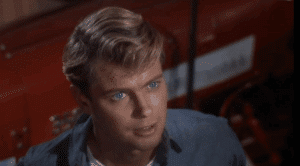
Troy Donahue
Troy Donahue epitomized the blonde, blue-eyed heartthrob that defined early 1960s romantic leads. His breakout performance in “A Summer Place” (1959) carried into the new decade with starring roles in “Parrish” (1961) and the television series “Surfside 6” (1960-1962). With his perfectly coiffed hair and all-American good looks, Donahue became the poster boy for teenage romance during the era of beach movies and innocent love stories.
Unfortunately, Donahue’s polished image became both his greatest asset and his ultimate limitation. As the decade progressed and cultural tastes shifted toward more complex, gritty storytelling, his clean-cut persona felt increasingly out of step with the times. The rise of method actors and anti-heroes in cinema left little room for his type of romantic leading man, and his career never successfully evolved beyond his initial teen idol status.

Connie Stevens
Connie Stevens charmed audiences as the vivacious “Cricket Blake” in the detective series “Hawaiian Eye” (1959-1963), where her bubbly personality and musical talents made her a favorite among viewers. She successfully balanced acting with a recording career, releasing several albums and appearing in lighthearted films that showcased her girl-next-door appeal and comedic timing.
While Stevens enjoyed considerable success during the ’60s, her roles were predominantly in lighter entertainment that, while popular at the time, didn’t carry the lasting cultural weight of more dramatic or groundbreaking works. Her later transition into business ventures and entrepreneurship, though successful, meant she gradually stepped away from the spotlight that had made her famous, allowing newer faces to capture public attention.

Edd Byrnes
Edd Byrnes became a cultural phenomenon as “Kookie” in “77 Sunset Strip” (1958-1964), a character so iconic that it spawned the novelty hit song “Kookie, Kookie (Lend Me Your Comb).” His portrayal of the hip, comb-obsessed parking attendant turned private detective captured the emerging youth culture of the late ’50s and early ’60s, making him an instant household name and teen idol.
However, Byrnes’ massive success as Kookie became a double-edged sword. The character was so distinctive and popular that it effectively typecast him for the remainder of his career. Despite attempts to break free from the role, audiences and casting directors couldn’t see him as anyone other than the wise-cracking, hair-combing hipster, severely limiting his opportunities for dramatic or varied roles in subsequent years.

Yvette Mimieux
Yvette Mimieux brought both beauty and versatility to her roles in several notable 1960s films, including “The Time Machine” (1960), “Where the Boys Are” (1960), and “Light in the Piazza” (1962). Her performances demonstrated range beyond her striking appearance, showing an ability to handle both science fiction and romantic drama with equal skill and presence.
Despite her strong start and critical acclaim, Mimieux’s career never quite reached the superstar stratosphere achieved by some of her contemporaries. She made the personal choice to retire from acting relatively early, prioritizing her private life over career longevity. This decision, while personally fulfilling, meant that she missed opportunities to build the kind of extensive filmography that keeps actors in public memory across generations.

Bob Denver
Bob Denver carved out a unique niche in television comedy, first as the beatnik Maynard G. Krebs in “The Many Loves of Dobie Gillis” (1959-1963) and then as the bumbling title character in “Gilligan’s Island” (1964-1967). His portrayal of these lovably innocent characters made him a beloved figure in American television, especially among children and families.
The irony of Denver’s career is that while “Gilligan’s Island” remains a cultural touchstone with ongoing reruns and references, Denver himself became so thoroughly identified with the character that his name often gets overlooked. Many people can instantly recognize Gilligan but might struggle to remember the actor who brought him to life, demonstrating how sometimes an actor’s greatest success can also eclipse their individual identity.
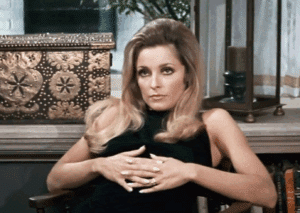
Sharon Tate
Sharon Tate was establishing herself as a rising star with notable performances in “Valley of the Dolls” (1967) and “The Wrecking Crew” (1969). Her natural beauty and developing acting skills suggested a promising career ahead, with industry insiders predicting significant success in the coming decade. She represented the new wave of ’60s actresses who combined glamour with a more naturalistic acting style.
Tragically, Tate’s life and career were cut short when she was murdered in 1969 by members of the Manson Family. Her potential as an actress was never fully realized, and her memory became inextricably linked to one of the most shocking crimes of the decade rather than her professional achievements. This tragic association overshadowed her artistic contributions and prevented the career development that might have secured her lasting fame.
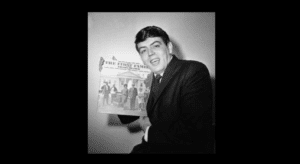
Vaughn Meader
Vaughn Meader achieved extraordinary fame as a comedian specializing in impressions of President John F. Kennedy. His album “The First Family” (1962) became one of the fastest-selling comedy albums in history, showcasing his uncanny ability to capture Kennedy’s distinctive voice and mannerisms. For a brief period, Meader was one of the most recognized comedians in America.
Kennedy’s assassination in November 1963 effectively ended Meader’s career overnight. His entire act had been built around lovingly satirizing a president who was now tragically deceased, making his impressions suddenly inappropriate and painful for audiences. Unlike other impressionists who could move between multiple targets, Meader had become so specialized that he couldn’t successfully pivot to different material, leaving his career as much a casualty of that tragic day as his subject.
Dorothy Provine
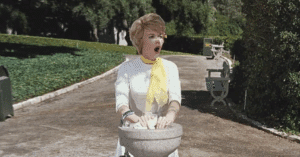
Dorothy Provine starred in the television series “The Roaring ’20s” (1960-1962) and “The Alaskans” (1959-1960), where her effervescent personality and musical abilities made her a favorite of early ’60s television audiences. She brought energy and charm to period pieces that captured the nostalgia for earlier American eras, contributing to the decade’s fascination with its history.
Provine’s career was primarily built on television success during an era when TV stars didn’t necessarily translate to lasting fame the way movie stars did. Her shows, while popular in their time, weren’t the type that generated endless reruns or cultural staying power. Her decision to retire from acting in the early 1970s to focus on family life meant she stepped away during a period when she might have transitioned to more substantial or memorable roles.
James Shigeta
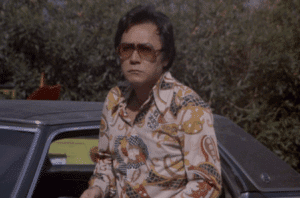
James Shigeta was a groundbreaking Asian-American actor who starred in significant films like “Flower Drum Song” (1961) and “Bridge to the Sun” (1961). His presence in leading roles during the 1960s was particularly notable given the limited opportunities available to Asian-American performers in mainstream Hollywood at the time. He later gained recognition for his role in “Die Hard” (1988), but his ’60s work was equally important.
Despite breaking significant barriers and delivering strong performances, Shigeta’s work was often overlooked by a mainstream Hollywood establishment that wasn’t ready to embrace Asian-American leading men entirely. The scarcity of quality roles for actors of his background meant that even his successes didn’t build into the kind of sustained stardom that creates lasting public memory, making his contributions more appreciated in retrospect than they were at the time.
Barbara Parkins
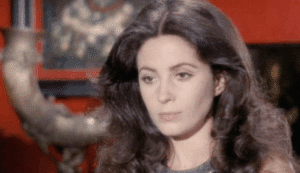
Barbara Parkins became a household name through her role as Betty Anderson in the groundbreaking prime-time soap opera “Peyton Place” (1964-1969). She later appeared in the film adaptation of “Valley of the Dolls” (1967). Her portrayal of complex, emotionally nuanced characters helped define the emerging genre of serialized television drama that would later evolve into today’s prestige television.
While “Peyton Place” was a massive cultural phenomenon that changed television programming, its influence has somewhat faded from popular memory as newer forms of serialized drama have taken its place. Parkins’ later career, though she continued working, never quite reached the same cultural heights, and the specific type of soap opera storytelling that made her famous has mainly been superseded by different narrative approaches.

Fabian Forte
Fabian Forte, known simply as Fabian, transitioned from teen idol singing sensation to film actor in movies like “North to Alaska” (1960) and “Mr. Hobbs Takes a Vacation” (1962). His move into acting represented the era’s tendency for pop stars to expand into multiple entertainment mediums, though his dramatic abilities were often questioned by critics who saw him primarily as a manufactured teen heartthrob.
His identity consistently overshadowed Fabian’s acting career as a pop singer, and he was part of a wave of teen idols whose moment in the cultural spotlight proved relatively brief. As musical tastes evolved and the teen idol phenomenon gave way to more sophisticated pop music, his film career couldn’t sustain the momentum, leaving him remembered more for his brief musical fame than his acting work.

Stella Stevens
Stella Stevens brought both beauty and talent to films like “The Nutty Professor” (1963) opposite Jerry Lewis and “Girls! Girls! Girls!” (1962) with Elvis Presley. Her performances demonstrated comedic timing and dramatic ability that went beyond the typical “blonde bombshell” roles of the era, suggesting an actress capable of more substantial work given the right opportunities.
Stevens often found herself typecast in glamorous roles that, while showcasing her appeal, sometimes overshadowed her genuine acting abilities. The entertainment industry of the ’60s frequently limited actresses to certain types of roles based on their appearance, and Stevens’ most iconic films, while entertaining, aren’t the type that generate frequent revivals or introduce her to new generations of viewers.
Robert Vaughn
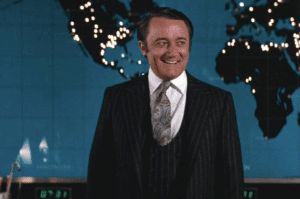
Robert Vaughn achieved significant fame starring as Napoleon Solo in the hugely popular spy series “The Man from U.N.C.L.E.” (1964-1968) and had a notable role in “The Magnificent Seven” (1960). His suave, intellectual approach to action roles made him a perfect fit for the sophisticated spy genre that flourished during the Cold War era, and he brought wit and charm to characters that could have been merely physical.
While “The Man from U.N.C.L.E.” was iconic and Vaughn continued working steadily throughout his career, his later work, though prolific, didn’t always maintain the same level of mainstream visibility as his ’60s peak. Younger audiences who didn’t experience the original spy craze of the ’60s might not immediately recognize his name, despite his significant contributions to the genre and his continued presence in film and television.

The Boomers’ cultural memory bank
These thirteen performers represent more than just forgotten names; they’re markers of a specific cultural moment that Baby Boomers experienced firsthand. Your ability to recall these actors speaks to a unique generational memory that bridges the gap between the innocent entertainment of the early ’60s and the more complex, revolutionary content that emerged as the decade progressed. They remind us that fame is often temporary, but the impact these performers had on their audiences was meaningful and lasting.
The entertainment landscape of the 1960s was remarkably diverse, supporting stars who might not find the same opportunities in today’s more consolidated media environment. From teen idols to dramatic actors, from television pioneers to groundbreaking performers who challenged racial barriers, this decade offered platforms for talents that reflected America’s changing social fabric.
Related:
- 9 iconic fictional characters you didn’t know were based on real people
- 10 movie & TV villains we actually kinda love
Like MediaFeed’s content? Be sure to follow us.
This article was syndicated by MediaFeed.org.