Drama TV character deaths we’ll never, ever get over
Unlike movies that compress emotional journeys into two or three hours, long-form television dramas create something far more intimate and enduring between viewers and characters. Week after week, season after season, audiences follow these fictional people through their most vulnerable moments, their greatest triumphs, and their deepest failures. We watch them grow, change, make mistakes, and find redemption across years of our own lives, creating bonds that feel genuinely personal and meaningful.
Television’s episodic nature allows writers to develop characters with the kind of depth and complexity that rivals our relationships with real people. We know their quirks, fears, dreams, and flaws better than we know many of our actual acquaintances. When these characters face challenges, we root for them. When they succeed, we celebrate. When they fail, we feel their disappointment as if it were our own. This extended emotional investment creates a unique form of storytelling that can devastate audiences in ways that other media simply cannot match.
This article examines eleven dramatic television character deaths that have resonated so profoundly with viewers that, decades later, many fans still feel the emotional impact of these fictional losses. These weren’t just plot points designed to advance storylines—they were emotional earthquakes that fundamentally altered both the shows they occurred in and the audiences who experienced them, proving that the best television can create grief as real and lasting as any we experience in our actual lives.
Ned Stark – Game of Thrones
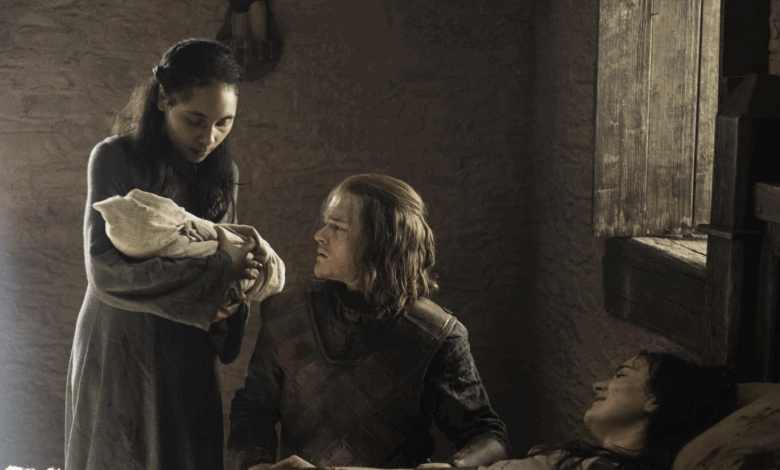
Sean Bean’s portrayal of Eddard “Ned” Stark established him as the moral center of Westeros, a man whose unwavering honor and commitment to justice seemed to guarantee his survival through whatever political machinations the series might throw at him. As the Lord of Winterfell and Hand of the King, Ned represented everything noble about the feudal system, a father figure whose integrity stood in stark contrast to the corruption and deceit surrounding him in King’s Landing. His investigation into the royal family’s secrets positioned him as the classic heroic protagonist whose righteousness would ultimately triumph over evil.
The public execution ordered by the sadistic young King Joffrey shattered every expectation about how television storytelling was supposed to work. Ned’s death wasn’t heroic or meaningful in any traditional sense—it was brutal, senseless, and politically motivated, carried out by a petulant child king who wanted to make a point about power. The scene’s impact was amplified by its stark staging, with Ned’s final words to his daughters and his dignified acceptance of death contrasting sharply with the bloodthirsty crowd and Joffrey’s gleeful cruelty.
This shocking moment immediately established Game of Thrones as a series where traditional narrative rules didn’t apply, where honor was weakness, and good people died for stupid reasons. It signaled to audiences that no character was safe, no matter how central they seemed to the story, fundamentally changing how viewers approached the series. The death’s lasting impact stems from how completely it violated our expectations about television heroism, introducing a level of narrative unpredictability that influenced countless subsequent dramas seeking to recreate its shocking implications.

Lexa – The 100
Commander Lexa emerged as one of television’s most compelling leaders, a brilliant military strategist who balanced ruthless pragmatism with genuine compassion for her people. Alycia Debnam-Carey’s portrayal brought depth and nuance to a character who could have been a simple antagonist, instead creating a complex figure whose relationship with the protagonist, Clarke Griffin, became the emotional heart of the series. Their romance, nicknamed “Clexa” by fans, represented groundbreaking LGBTQ+ representation on a mainstream science fiction series, showing two powerful women navigating love and leadership in a post-apocalyptic world.
The circumstances of Lexa’s death made it particularly devastating for audiences who had invested emotionally in her relationship with Clarke. Shot accidentally by a stray bullet immediately after their romantic reunion, her death felt random and meaningless rather than heroic or narratively necessary. The timing—occurring just after the couple had finally overcome the obstacles keeping them apart—created a cruel irony that left viewers feeling manipulated and betrayed by writers who seemed to promise happiness only to snatch it away.
The fan response to Lexa’s death highlighted the “bury your gays” trope, where LGBTQ+ characters are disproportionately killed off in television narratives, often after brief moments of happiness. The controversy surrounding her death sparked meaningful conversations about representation and responsibility in television writing, with many fans feeling that the show had exploited their emotional investment in Clexa for shock value rather than engaging in meaningful storytelling. The lasting impact of this death extends beyond the show itself to influence how subsequent series approach LGBTQ+ character development and the obligations that come with representing marginalized communities.

Omar Little – The Wire
Michael K. Williams created one of television’s most iconic characters in Omar Little, the homosexual stick-up artist who robbed drug dealers while operating by a strict moral code that made him both feared and respected on the streets of Baltimore. His distinctive appearance, philosophical outlook, and unwavering principles elevated him from a supporting character to a cultural phenomenon, representing a unique blend of violence and ethics that challenged conventional ideas about heroism and villainy. Omar’s presence in any scene brought immediate tension and dark humor, making him a favorite among both critics and audiences.
The anti-climactic nature of Omar’s death—shot in the back of the head by a young boy while buying cigarettes—was intentionally devastating in its mundane brutality. After building Omar into an almost mythical figure who seemed untouchable in his dealings with major drug organizations, creator David Simon chose to have him killed randomly by Kenard, a minor character whose previous interactions with Omar had been minimal. The convenience store setting and lack of dramatic buildup made the death feel shockingly real and unglamorous.
This narrative choice perfectly embodied The Wire’s commitment to portraying the harsh realities of urban life, where legendary figures can be cut down by anonymous violence just as easily as anyone else. The death’s impact comes from its rejection of traditional dramatic satisfaction, forcing viewers to confront the reality that street mythology offers no protection against random brutality. Omar’s death remains one of television’s most effective examples of how subverting audience expectations can create lasting emotional impact while serving larger thematic purposes about the nature of violence and legend in urban America.
Adriana La Cerva – The Sopranos
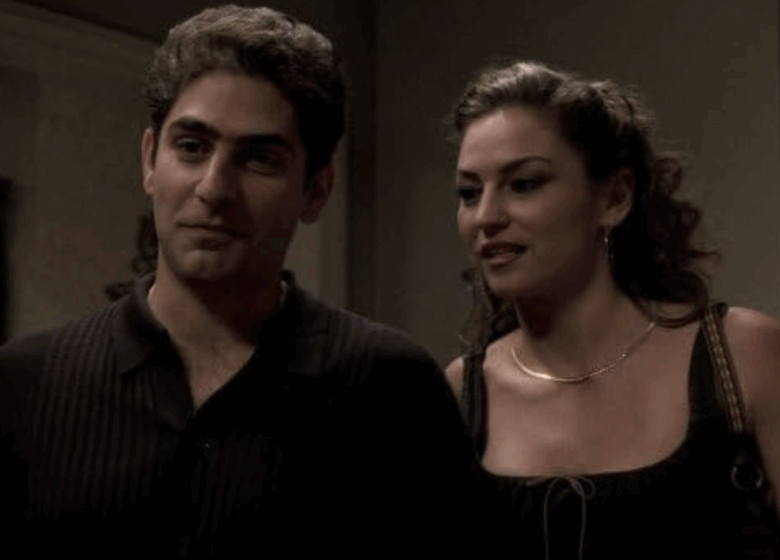
Drea de Matteo’s portrayal of Adriana La Cerva created one of The Sopranos’ most sympathetic characters, a woman trapped between her loyalty to Christopher Moltisanti and the FBI agents pressuring her to become an informant. Her genuine love for Christopher and desire to build a legitimate life made her one of the few truly innocent characters in the show’s morally complex universe. The slow build of her FBI cooperation and growing terror about discovery created mounting tension that made viewers desperate for her to escape before the inevitable conclusion.
The setup of her final episode was masterfully cruel, with Silvio Dante lying about taking her to see Christopher in the hospital, leading her to believe she might finally be free from her double life. The car ride to her execution was filled with false hope and nervous conversation, making the revelation of her fate even more heartbreaking. Her desperate attempt to run through the woods and the final shot that ended her life were filmed with a stark brutality that made clear how disposable she was to the organization she had tried to navigate.
Adriana’s death represented the show’s unflinching examination of how organized crime destroys innocent people, particularly women who exist on the periphery of mob life without the protection that comes with full membership. The emotional impact came from audiences’ knowledge that she was essentially a good person who made bad choices out of love and fear, making her execution feel particularly unjust and tragic. Her death highlighted the show’s central theme that the mob’s violence doesn’t discriminate between the guilty and the innocent, destroying anyone who threatens its existence, regardless of their intentions or moral character.
Stringer Bell – The Wire
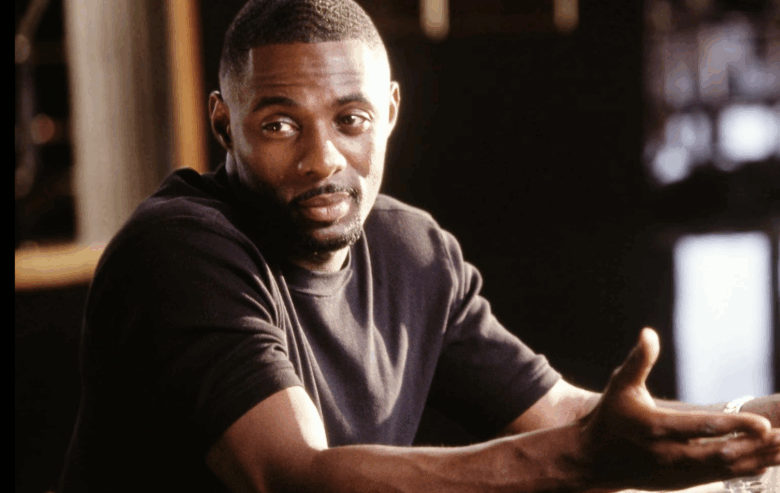
Idris Elba’s Stringer Bell represented The Wire’s exploration of how intelligence and ambition operate within the constraints of the drug trade, creating a character who understood that violence was ultimately bad for business and sought to transform criminal enterprise into legitimate capitalism. His relationship with Avon Barksdale formed the emotional core of the show’s early seasons, showing how two childhood friends could grow apart as their approaches to the same criminal organization diverged. Stringer’s attempts to learn economics and real estate development demonstrated his belief that the drug trade was simply another form of business that could be rationalized and legitimized.
The betrayal by Avon that led to Stringer’s death was particularly devastating because it destroyed the last vestige of loyalty and friendship in their relationship. Avon’s decision to give up Stringer’s location to Brother Mouzone and Omar Little came after realizing that his partner’s attempts at legitimacy threatened the very foundation of their criminal empire. The warehouse meeting where Stringer died was staged with dramatic irony, as he arrived expecting to resolve business matters, only to face the consequences of his partner’s ultimate betrayal.
Stringer’s death marked a turning point in The Wire’s narrative structure, demonstrating that even the most intelligent and forward-thinking characters couldn’t escape the violent logic of the world they inhabited. The emotional impact came from watching a character who seemed to represent evolution and progress within the drug trade ultimately fall victim to its most primitive impulses. His death proved that in the world of The Wire, vision and intelligence offer no protection against the fundamental brutality that underlies all criminal enterprise, making his ambitious dreams of legitimacy seem both noble and tragically naive.

Dr. Mark Greene – ER
Anthony Edwards anchored ER for its first eight seasons as Dr. Mark Greene, the compassionate emergency room physician whose dedication to patient care and mentorship of younger doctors made him the emotional center of County General Hospital. His character represented the idealistic vision of medicine that drew viewers to the show, striking a balance between professional competence and genuine human empathy in ways that made him both heroic and relatable. Greene’s relationships with his colleagues and his struggles to balance career demands with family responsibilities created storylines that resonated with audiences facing similar challenges in their own lives.
The brain cancer storyline that led to Greene’s death was handled with remarkable sensitivity and medical accuracy, showing the progression of his illness over multiple episodes while maintaining hope for recovery until it became clear that treatment wasn’t working. His decision to spend his final days in Hawaii with his family provided a peaceful conclusion that contrasted sharply with the chaotic emergency room environment where he had spent his career. The final scenes of him teaching his daughter to drive and sharing quiet moments with his wife created a bittersweet farewell that honored both his professional legacy and his personal relationships.
Dr. Greene’s death was particularly impactful because it represented the loss of the show’s moral compass and most beloved character after eight years of emotional investment from viewers. The realistic portrayal of his illness and death process, combined with Edwards’ nuanced performance, created a television death that felt genuine rather than manipulative. His departure marked the end of ER’s original era. It demonstrated how the loss of a central character could fundamentally alter a show’s identity while providing closure that honored both the character’s significance and the audience’s emotional investment.
Rita Morgan – Dexter
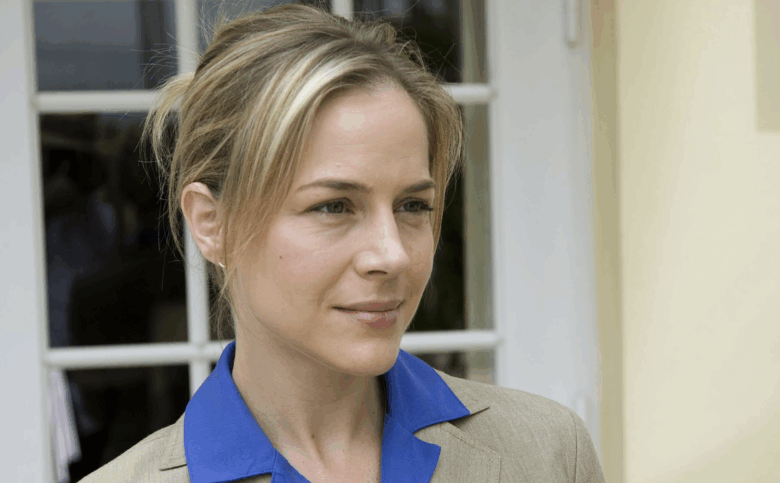
Julie Benz’s Rita Morgan served as Dexter’s connection to normalcy and humanity, representing his attempt to build a conventional life despite his nature as a serial killer. Her kindness, vulnerability, and genuine love for Dexter created dramatic irony for audiences who knew the truth about his dark activities while she remained completely unaware. Rita’s presence in Dexter’s life suggested the possibility that he might find redemption through love and family, making her a symbol of hope within the show’s morally complex universe.
The discovery of Rita’s body in the bathtub, arranged by the Trinity Killer to mirror his ritualistic murders, represented one of television’s most shocking and devastating season finales. The scene’s impact was amplified by Dexter’s genuine shock and grief, demonstrating to the audience that despite his claims of lacking human emotion, he was capable of being truly devastated by loss. The image of their infant son sitting in blood, mirroring Dexter’s own childhood trauma, suggested that the cycle of violence would continue into the next generation.
Rita’s murder fundamentally changed the show’s dynamic by removing Dexter’s anchor to humanity and forcing him to confront the consequences of his actions on innocent people. The death’s lasting impact comes from how completely it violated the audience’s trust that Dexter could maintain separate lives without consequences for those he claimed to love. Her death marked the point where Dexter’s attempts at normalcy collapsed completely, transforming him from a sympathetic antihero into someone whose actions inevitably destroy everyone around him, making subsequent seasons feel darker and more hopeless.

Hank Schrader – Breaking Bad
Dean Norris portrayed DEA agent Hank Schrader as the embodiment of law enforcement integrity, whose relentless pursuit of the mysterious “Heisenberg” created the central tension that drove the entire narrative of Breaking Bad. His character represented everything that Walter White was supposed to be—honest, brave, dedicated to protecting others—making their relationship a study in contrasts between two different approaches to masculinity and moral responsibility. Hank’s discovery that his brother-in-law was the criminal mastermind he’d been hunting created some of the series’ most emotionally complex moments.
The confrontation in the desert that led to Hank’s death was staged as the ultimate moral showdown, with Hank refusing to compromise his principles even when faced with certain death at the hands of Jack Welker’s white supremacist gang. His final words to Walt—”You’re the smartest guy I ever met, and you’re too stupid to see he made up his mind ten minutes ago”—perfectly captured his character’s combination of intelligence, courage, and moral clarity. The execution itself was filmed without glamorizing violence, showing the brutal reality of what Walt’s actions had ultimately led to.
Hank’s death marked the turning point for Walter White’s transformation from a sympathetic protagonist to an irredeemable villain, severing the last connection to his former moral self. The emotional impact came from watching one of the series’ most genuinely heroic characters die as a direct result of Walt’s selfish choices, making clear that the consequences of his criminal activity extended far beyond his own family. Hank’s death proved that in Breaking Bad’s moral universe, good people suffer and die because of the choices of evil people, creating a sense of injustice that made Walt’s eventual downfall feel both necessary and insufficient as compensation.

Will Gardner – The Good Wife
Josh Charles created one of television’s most charming and complex characters in Will Gardner, the brilliant litigator whose romantic history with the protagonist, Alicia Florrick, provided emotional depth to their professional partnership at Lockhart & Associates. His combination of legal brilliance, personal charm, and moral flexibility made him both admirable and frustrating, representing the kind of morally ambiguous character that The Good Wife specialized in creating. The unresolved tension between Will and Alicia drove much of the show’s emotional narrative, suggesting possibilities for their relationship that kept audiences invested in their professional and personal interactions.
The courtroom shooting that killed Will was shocking in its suddenness and randomness, occurring without any dramatic buildup or narrative warning that such a tragic event was approaching. The episode’s structure, which initially focused on routine legal proceedings, made the violence feel genuinely unexpected rather than manipulatively orchestrated for shock value. Charles’ decision to leave the show was kept secret from most cast members and viewers, making the death feel as surprising to audiences as it would have been to the characters experiencing it.
Will’s death fundamentally altered The Good Wife’s central dynamic by removing one of its most important relationships and forcing the show to reconstruct its emotional foundation around Alicia’s remaining connections. The lasting impact comes from how completely it changed viewer expectations about the show’s future, demonstrating that even central characters could be removed without warning in ways that reflected the randomness of actual violence. His death created a sense of loss that permeated subsequent seasons, demonstrating that some character deaths leave permanent holes in television narratives that new storylines or relationships can never adequately fill.

Joyce Summers – Buffy the Vampire Slayer
Kristine Sutherland’s Joyce Summers provided Buffy with the one completely normal relationship in her supernatural existence, representing maternal love and domestic stability in a world filled with vampires, demons, and apocalyptic threats. Her character served as a reminder of what Buffy was fighting to protect—ordinary human life and the simple pleasures of family relationships that most teenagers take for granted. Joyce’s presence grounded the series in recognizable human emotions even when the plot involved increasingly fantastical supernatural elements.
The brain aneurysm that killed Joyce was deliberately non-supernatural, creating a death that even the Slayer’s powers couldn’t prevent or undo. The episode “The Body” focused entirely on the immediate aftermath of discovering her death, using innovative techniques like minimal dialogue and no musical score to create an unusually realistic portrayal of grief and shock. The episode’s refusal to provide supernatural explanations or solutions forced both characters and viewers to confront the reality of death as a natural process that affects everyone regardless of their special abilities or heroic status.
Joyce’s death was particularly devastating because it represented the loss of Buffy’s connection to everyday human life and the end of her childhood in the most final way possible. The emotional impact came from how the death was handled with complete honesty about the physical and emotional realities of loss, avoiding the dramatic conventions that usually characterize television deaths. Her death proved that Buffy the Vampire Slayer could address real human experiences with the same creativity and insight it brought to supernatural storytelling, creating an episode that remains one of television’s most effective portrayals of grief and loss.

Bodie Broadus – The Wire
J.D. Williams portrayed Bodie Broadus as the embodiment of loyalty and ambition within the Barksdale organization’s street-level operations, illustrating how intelligent young men can become trapped within systems that ultimately destroy them. His evolution from an enthusiastic soldier to a questioning middle manager demonstrated The Wire’s interest in how economic and social structures shape individual choices and limit possibilities for advancement. Bodie’s growing awareness of his expendability within the drug trade created dramatic tension as viewers watched him recognize that his loyalty meant nothing to the organization he had served faithfully.
The circumstances of Bodie’s final stand on his corner represented his attempt to maintain dignity and control in a situation where he had neither, choosing to fight rather than run, even though he knew he couldn’t win. His decision to cooperate with Detective McNulty represented a moral awakening that came too late to save him, but demonstrated his capacity for growth beyond the narrow confines of street loyalty. The multiple gunshots that killed him were filmed without heroic glorification, showing the brutal reality of how the drug trade eliminates those who challenge its authority.
Bodie’s death crystallized The Wire’s tragic vision of how systemic problems destroy individual potential, making his intelligence and evolution irrelevant to his ultimate fate within the drug trade’s violent hierarchy. The emotional impact came from watching a character who had shown genuine growth and moral development become another casualty of the same system that had initially seemed to offer him opportunities for advancement. His death represented the show’s most pessimistic assessment of whether individuals can transcend the circumstances that shape their lives, suggesting that even recognition and resistance aren’t sufficient to escape systemic destruction.

Conclusion
These character deaths demonstrate television drama’s unique ability to create emotional investments that extend far beyond the medium itself, proving that fictional relationships can evoke genuine grief and have a lasting psychological impact. The extended time viewers spend with television characters creates bonds that feel authentic and meaningful, making their deaths significant cultural events that spark conversations, analysis, and emotional responses that can persist for years after the episodes air. These deaths work because they violate our expectations about storytelling while honoring the emotional investments that make such violations possible.
Whether through shocking unpredictability, tragic inevitability, or a realistic portrayal of loss, these moments transcended simple plot manipulation to become genuine cultural touchstones that continue to influence how subsequent television series approach character development and audience expectations. They prove that the best television writing respects its audience’s intelligence and emotional capacity, creating fictional experiences that enrich our understanding of genuine human relationships and the various ways that loss shapes our lives.
The lasting impact of these deaths reminds us why television at its best represents one of our most powerful storytelling mediums, capable of creating experiences that feel as meaningful and transformative as our most significant real-life relationships. Explore our other television analysis and character studies here at MediaFeed, where we continue to explore how the best dramatic series create lasting emotional connections that transcend the boundaries between fiction and reality.
Related:
- Movie deaths we’re still not over (& never will be, ever)
- Movie characters who deserved better send-offs
Like MediaFeed’s content? Be sure to follow us.
This article was syndicated by MediaFeed.org.