Boomer bands still touring with only one original member
The lifespan of any musical group represents a constant state of flux, where members inevitably depart to pursue solo careers, creative differences emerge that fracture long-standing partnerships, and new musicians join to breathe fresh life into established sounds. This natural evolution reflects the reality of the music industry, where personal growth, artistic ambitions, and simple human dynamics create pressures that few bands can withstand indefinitely. The average band’s journey typically involves multiple lineup changes that reshape both their sound and their identity over time.
Yet within this landscape of constant change, certain bands have managed not just to survive but to thrive despite losing nearly all of their founding members. These remarkable musical entities continue to tour and record with only a single original member serving as the keeper of the flame, surrounded by talented new musicians who help carry forward the band’s legacy. This phenomenon speaks to the power of musical vision and brand identity that transcends individual personalities.
This article examines ten such bands where one original member remains as the torchbearer, maintaining the group’s spirit and musical heritage while adapting to contemporary audiences and musical landscapes. These enduring artists demonstrate how dedication, artistic vision, and deep connection to their music can sustain creative projects across multiple decades and countless personnel changes.

Santana
Carlos Santana stands as the undisputed creative force behind the band that bears his name, serving as guitarist and occasional vocalist since its formation in 1966. The legendary musician has remained the constant driving force throughout the group’s evolution from San Francisco psychedelic rock pioneers to global ambassadors of Latin-influenced fusion music. While countless talented musicians have contributed to Santana’s sound over the decades, Carlos Santana’s distinctive guitar style and spiritual approach to music have provided the thread connecting all eras of the band’s extensive catalog.
The band’s ability to reinvent itself while maintaining its core identity stems directly from Carlos Santana’s willingness to collaborate with diverse artists and explore new musical territories. From the groundbreaking performance at Woodstock through the Grammy-winning Supernatural album and beyond, Santana has demonstrated remarkable adaptability without sacrificing the passionate, spiritual essence that defines their music. His guitar work remains instantly recognizable, whether he performs classic tracks like “Black Magic Woman” or collaborates with modern artists on contemporary songs.
Carlos Santana’s continued touring proves that his musical vision transcends any particular lineup configuration, as he regularly assembles world-class musicians who share his commitment to creating transcendent musical experiences. His ability to attract top-tier talent from various musical backgrounds ensures that Santana concerts remain dynamic, unpredictable, and spiritually uplifting experiences that honor the band’s legacy while remaining relevant to contemporary audiences seeking authentic musical expression.

Foreigner
Mick Jones co-founded Foreigner in 1976 and served as the band’s primary songwriter and creative architect throughout their most successful period, crafting arena rock anthems that defined late seventies and eighties popular music. His songwriting contributions created hits like “I Want to Know What Love Is,” “Cold as Ice,” and “Urgent” that became staples of classic rock radio and established Foreigner as one of the era’s most commercially successful bands. Jones’s ability to blend hard rock energy with accessible pop sensibilities helped define the sound that dominated album rock radio for over a decade.
While health challenges have limited Jones’s touring activities in recent years, he remains the sole original member and continues to oversee the band’s musical direction when possible. The current Foreigner lineup features accomplished musicians who honor the band’s catalog while bringing their own energy to live performances of these beloved songs. Jones’s songwriting legacy provides the foundation that allows the band to continue touring successfully, as audiences remain eager to hear these classic rock anthems performed by dedicated musicians.
Foreigner’s ongoing tours demonstrate how strong songwriting and memorable melodies can sustain a band’s popularity even when the original creative force takes a less active role in day-to-day operations. The band’s ability to fill arenas and connect with multiple generations of fans proves that Jones’s musical contributions created a lasting impact that transcends individual performers, allowing the Foreigner name to continue representing quality classic rock entertainment.

Boston
Tom Scholz serves as the mastermind behind Boston’s meticulously crafted sound, acting as the band’s guitarist, keyboardist, songwriter, and producer since their emergence in the mid-1970s with their revolutionary debut album. His perfectionist approach to recording and performing created the highly polished, layered rock sound that made Boston instantly recognizable and commercially successful. Scholz’s background in engineering and his innovative use of technology in music production established new standards for how rock music could be crafted and presented to audiences.
As the sole remaining original member, Scholz maintains complete creative control over Boston’s musical direction and touring activities, ensuring that live performances meet his exacting standards for technical excellence and emotional impact. His meticulous attention to detail extends to every aspect of the band’s operations, from sound quality to stage presentation, creating concert experiences that faithfully reproduce the studio precision that made Boston famous. This dedication to quality has allowed the band to maintain its reputation for delivering exceptional live performances.
Boston’s continued touring under Scholz’s leadership proves that his singular vision remains compelling to audiences who appreciate both musical craftsmanship and powerful rock anthems. His ability to work with talented musicians who share his commitment to excellence ensures that classic songs like “More Than a Feeling” and “Peace of Mind” retain their emotional impact while reaching new generations of listeners who discover these timeless compositions through live performance experiences.
Jethro Tull
Ian Anderson has served as Jethro Tull’s distinctive frontman, flautist, and primary creative force since the band’s formation in 1967, creating a unique blend of progressive rock, folk influences, and theatrical presentation that defied easy categorization. His innovative use of the flute as a lead instrument in rock music, combined with his dynamic stage presence and literary songwriting approach, established Jethro Tull as one of the most distinctive and successful acts in progressive rock. Anderson’s willingness to experiment with different musical styles and conceptual approaches has kept the band creatively vital across multiple decades.
While Jethro Tull’s lineup has evolved significantly over the years, Anderson’s consistent presence as lead vocalist, songwriter, and visual focal point has maintained the band’s essential identity through various musical phases and personnel changes. His theatrical performance style, incorporating elaborate costumes, storytelling elements, and his famous one-legged flute stance, creates concert experiences that are both musically sophisticated and visually engaging. This combination of musical excellence and entertainment value has sustained the band’s popularity across different generations of progressive rock fans.
Anderson’s continued leadership of Jethro Tull demonstrates how a strong artistic vision and distinctive performance style can transcend lineup changes while maintaining audience loyalty and critical respect. His ability to balance nostalgia for classic albums like Aqualung with new musical explorations ensures that Jethro Tull concerts offer both familiar favorites and fresh artistic challenges that reward longtime fans while attracting newcomers to progressive rock music.

Steely Dan
Donald Fagen continues to perform under the Steely Dan name, following the 2017 passing of his longtime collaborator, Walter Becker, and maintains the sophisticated jazz-rock fusion approach that defined their unique contribution to popular music. As the band’s vocalist and keyboardist, Fagen preserves the meticulous musical standards and complex harmonic sensibilities that made Steely Dan famous for their studio perfection and intellectually sophisticated songwriting. His commitment to musical excellence ensures that live performances honor the intricate arrangements and subtle musical details that characterized their acclaimed albums.
The challenge of continuing Steely Dan without Becker has required Fagen to work with exceptionally skilled musicians who can interpret the complex musical arrangements that defined the band’s sound. These performances celebrate the duo’s legacy while acknowledging the impossibility of fully replacing Becker’s creative contributions to their partnership. Fagen’s approach focuses on honoring their shared musical vision while adapting to the reality of performing as the sole surviving architect of Steely Dan’s distinctive sound.
Fagen’s continued touring as Steely Dan demonstrates his dedication to preserving the musical legacy he created with Becker, ensuring that their sophisticated compositions continue reaching audiences who appreciate their unique blend of rock, jazz, and pop elements. His performances serve both as a celebration and a memorial, keeping alive the musical partnership that produced some of popular music’s most enduring and intellectually challenging works, while acknowledging the profound loss that reshaped the band’s creative foundation.
Deep Purple
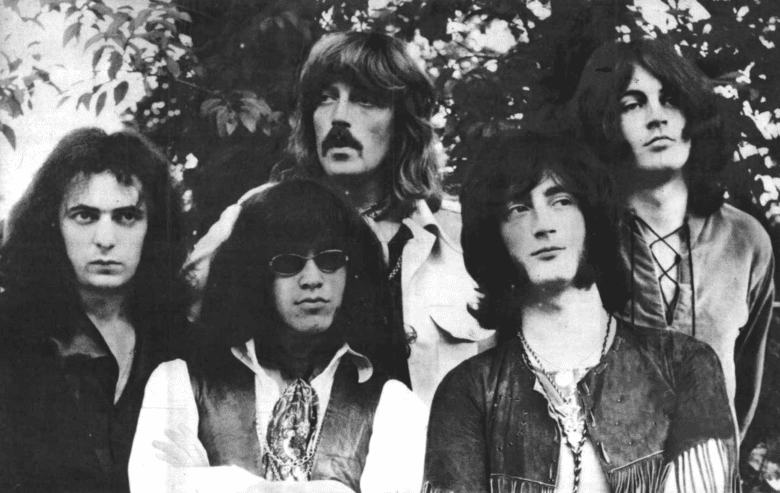
Ian Paice stands as the only musician to appear on every Deep Purple recording and tour throughout the band’s various incarnations, serving as the rhythmic foundation for one of hard rock and heavy metal’s most influential groups since 1968. His powerful, precise drumming has anchored different “marks” of Deep Purple through numerous lineup changes that saw legendary musicians like Ritchie Blackmore, Jon Lord, and Ian Gillan depart and sometimes return. Paice’s consistency has provided the musical continuity that allows Deep Purple to maintain its essential identity despite significant personnel changes.
The drummer’s adaptability and musical professionalism have enabled him to work effectively with various combinations of talented musicians, while preserving the essential Deep Purple sound that has influenced countless heavy rock bands. His ability to anchor both the heavy rock anthems like “Smoke on the Water” and more complex progressive compositions demonstrates the versatility that has made him indispensable to the band’s continued success. Paice’s presence connects contemporary Deep Purple performances to their groundbreaking early albums that helped define heavy rock music.
Deep Purple’s ongoing global tours with Paice as the sole original member prove that his rhythmic contributions form the essential foundation of their sound, allowing new lineups to build upon the musical legacy he has consistently maintained. His dedication to the band and his craft ensures that Deep Purple concerts continue delivering the powerful rock experiences that have sustained their reputation as one of the genre’s most essential and enduring acts across multiple generations of heavy music fans.

The Temptations
Otis Williams remains the last surviving original member of The Temptations, continuing to lead one of Motown’s most iconic vocal groups and preserving their legacy of smooth harmonies, choreographed performances, and classic soul music. As the group’s bass vocalist and occasional lead singer, Williams has maintained the essential Temptations sound through decades of lineup changes that saw the departure or passing of legendary performers like David Ruffin, Eddie Kendricks, and Paul Williams. His commitment to the group’s traditions ensures that contemporary performances honor the musical and visual standards that made The Temptations famous.
Williams’s leadership extends beyond musical performance to include preserving the choreographed moves, elegant stage presentation, and professional standards that defined The Temptations during their Motown heyday. His work with talented new vocalists maintains the group’s reputation for exceptional live entertainment while adapting their classic material for contemporary audiences who may be discovering these songs for the first time. This balance between tradition and accessibility has allowed The Temptations to remain relevant across multiple generations of R&B fans.
The Temptations’ continued touring under Williams’s guidance demonstrates how commitment to musical excellence and respect for historical legacy can sustain a legendary group’s reputation and commercial viability. His dedication ensures that classic songs like “My Girl” and “Papa Was a Rollin’ Stone” continue reaching new audiences while honoring the memory and contributions of his departed colleagues who helped create the Temptations’ enduring musical legacy.

Megadeth
Dave Mustaine has served as Megadeth’s frontman, primary songwriter, and creative visionary since founding the band in 1983, following his departure from Metallica. He has established himself as one of thrash metal’s most influential and technically accomplished musicians. His aggressive guitar work, politically charged lyrics, and perfectionist approach to songwriting helped define Megadeth as one of the “Big Four” thrash metal bands alongside Metallica, Slayer, and Anthrax. Mustaine’s leadership has guided the band through numerous lineup changes while maintaining its reputation for musical complexity and intellectual songwriting, which has elevated thrash metal beyond simple aggression.
Despite facing various personal and health challenges throughout his career, Mustaine has remained committed to touring and recording new material, consistently working with skilled musicians who can meet the technical demands of Megadeth’s complex compositions. His ability to attract top-tier metal musicians ensures that live performances maintain the precision and intensity that Megadeth fans expect while allowing for creative evolution that keeps the band relevant in contemporary heavy music scenes. This balance between tradition and innovation has sustained Megadeth’s influence across multiple decades of metal music development.
Mustaine’s continued leadership of Megadeth proves that his songwriting vision and guitar skills remain central to the band’s identity, allowing them to tour successfully and release new material that honors their thrash metal legacy while exploring contemporary musical territories. His dedication to both musical excellence and fan engagement ensures that Megadeth concerts deliver the intense experiences that have maintained their status as one of metal’s most respected and enduring acts.

The Cure
Robert Smith has remained the sole original member of The Cure since their formation in 1978, serving as vocalist, guitarist, and primary songwriter while guiding the band through various musical phases that explored post-punk, gothic rock, new wave, and alternative pop genres. His distinctive vocal style, imaginative songwriting, and iconic visual presentation have made him synonymous with The Cure’s identity across their extensive catalog of albums and hit singles. Smith’s creative vision has consistently driven the band’s evolution while maintaining the melancholic, romantic sensibility that defines their most beloved work.
The band’s ability to adapt to changing musical landscapes while preserving their essential identity stems from Smith’s willingness to experiment with different sounds and collaborators while never abandoning the emotional core that makes The Cure’s music resonate with audiences seeking authentic artistic expression. His songwriting has created everything from dance floor favorites like “Close to Me” to epic, emotional journeys like “Pictures of You,” demonstrating a remarkable range while maintaining a consistent artistic vision. This versatility has allowed The Cure to remain relevant across multiple decades and musical movements.
Smith’s continued touring with The Cure demonstrates his ongoing commitment to live performance and fan engagement, as he regularly assembles talented musicians who can interpret his compositions while contributing their own energy to the concert experiences. His dedication to both musical quality and visual presentation ensures that The Cure concerts remain special events that honor their legacy while creating new memories for audiences who continue discovering the emotional depth and musical sophistication that define their extensive body of work.
Exodus
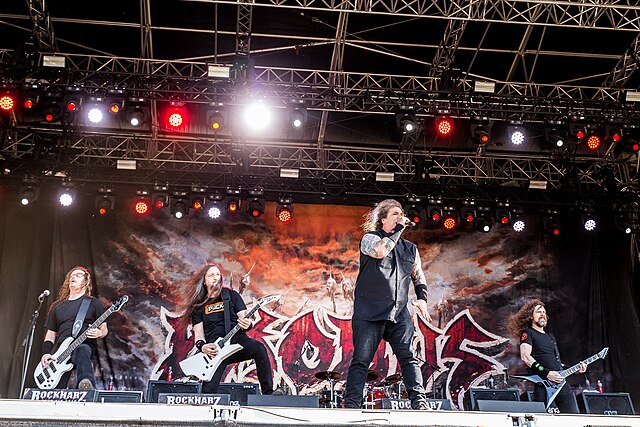
Tom Hunting anchors Exodus as the band‘s original drummer and the sole remaining founding member of this pioneering thrash metal group, which helped define the genre during its development in the late 1970s and early 1980s in the San Francisco Bay Area. His powerful and precise drumming has provided the rhythmic foundation for Exodus through various lineup changes and several hiatuses, maintaining the aggressive energy and technical proficiency that established them as influential figures in the evolution of thrash metal. Hunting’s commitment to the band and the genre has sustained Exodus through challenging periods while preserving their reputation among metal fans and musicians.
Despite facing various personal and professional challenges over the decades, Hunting has consistently returned to lead Exodus in new projects and tours that celebrate their contribution to thrash metal history while exploring contemporary heavy music territories. His ability to work with various guitarists and vocalists while maintaining the core Exodus sound demonstrates both musical adaptability and a dedication to the band’s identity. This persistence has allowed Exodus to influence new generations of metal musicians while maintaining respect among fans who appreciate their historical significance.
Hunting’s continued drumming for Exodus proves that his rhythmic contributions remain essential to the band’s identity, allowing them to tour and record new material that honors their thrash metal legacy while remaining relevant in contemporary extreme music scenes. His dedication ensures that Exodus concerts deliver the intense, technically demanding performances that have sustained their reputation as one of thrash metal’s most essential and enduring acts, inspiring both longtime fans and newcomers to appreciate the genre’s rich history and continued evolution.

Conclusion
These ten bands represent compelling examples of how powerful artistic vision, unwavering dedication, and genuine connection with audiences can overcome the inevitable challenges that come with changing lineups and evolving musical landscapes. The single remaining original member in each case serves as both creative anchor and living bridge between the band’s historical legacy and its contemporary incarnation, ensuring that essential elements of their sound and spirit survive personnel changes that might otherwise fragment or end their musical journey entirely.
The continued success of these groups demonstrates that authentic musical vision transcends individual personalities when it connects deeply enough with audiences to create lasting emotional bonds. Their ability to attract talented new musicians who respect and contribute to established legacies while bringing fresh energy to familiar material proves that great music can adapt and evolve without losing its essential character or emotional impact on listeners across different generations.
These enduring artists have earned recognition not just for their musical accomplishments, but also for their commitment to preserving and sharing the cultural legacy they helped create. This ensures that iconic songs continue to reach new audiences through live performance experiences that honor the past while remaining vital and relevant. Explore our other music retrospectives and band histories here at MediaFeed, where we continue to delve into the fascinating stories behind the artists and songs that have shaped popular music across multiple decades of creative evolution and cultural change.
Related:
- Musicians you didn’t realize were the masterminds behind famous bands
- 14 songs from 1968: Can you name them from just one line?
Like MediaFeed’s content? Be sure to follow us.
This article was syndicated by MediaFeed.org.