
12 things our grandparents bought that younger generations rarely use anymore
You can picture them. The encyclopedias on the shelf. The phone book by the phone. The checkbook in the kitchen drawer.
Twelve things follow. For each, we give a number that shows how far it fell. Some are gone for good. Some are still around, just rarely used.
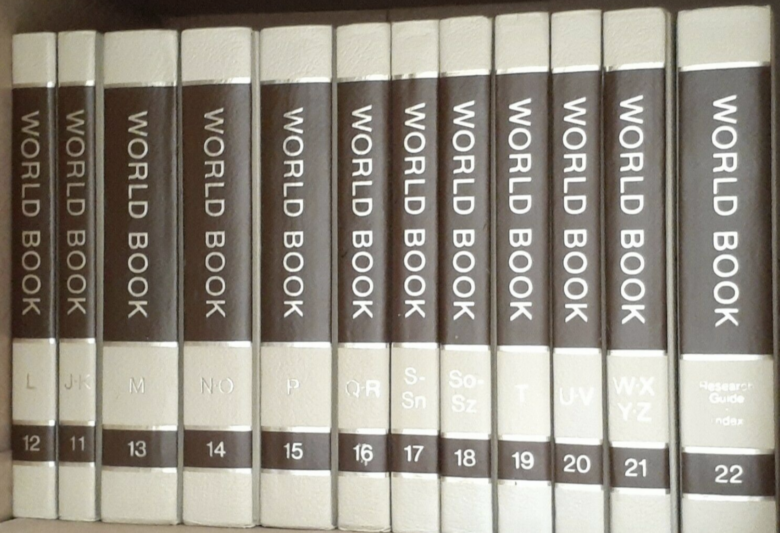
A set of encyclopedias
It was once a big purchase. Britannica sold 120,000 print sets in the U.S. in 1990, CSMonitor reports. By 1996, that number had fallen to 40,000, the AP reported.
The last edition, in 2010, ran 32 volumes and weighed 129 pounds, the New York Times noted. It sold about 8,000 sets at $1,395. On March 13, 2012, Britannica said it would stop printing.
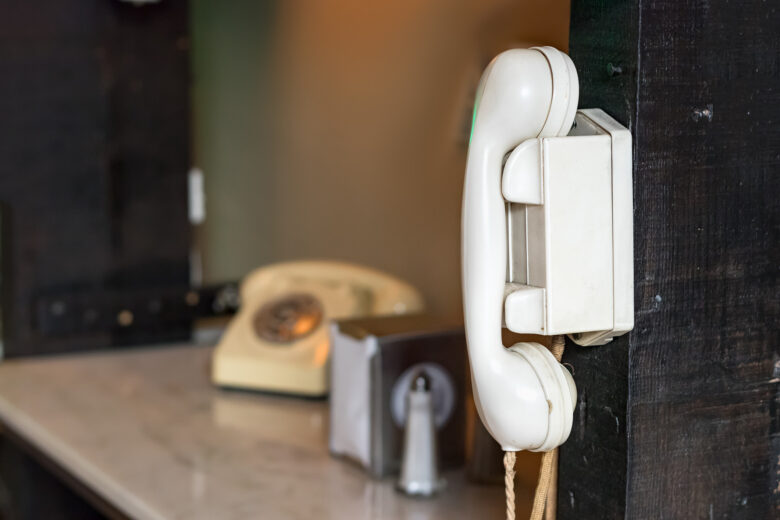
A phone on the wall
In July through December 2023, 75.2 percent of U.S. adults lived in wireless-only households, about 195 million people, per the CDC. When the survey started, only a few percent did, CDC researcher Stephen Blumberg said.
Age matters. About 90 percent of adults aged 30 to 34 had no landline. Among adults over 65, it was 55 percent, LiveNOW from FOX reported.

A drawer of checks
Around 2000, Americans wrote more than 40 billion checks a year, the Federal Register notes. By 2021, it was about 11 billion.
From 2018 to 2021, the number dropped from 13.6 billion to 11.1 billion. In 2021, consumers wrote fewer checks than businesses for the first time: 5.2 billion, down from 5.7 billion, per the Federal Reserve.

A VCR
The VCR reached 95 percent of American homes in the 1990s, Fortune reported.
Funai, the last maker, built 15 million in 2000. In 2015, it built 750,000, CBC and the AP noted. It stopped at the end of July 2016, citing a parts shortage.

A newspaper subscription
Weekday circulation of U.S. dailies was 62.3 million in 1990, per Pew Research. By 2018, it was 28.6 million. In 2022, print and digital combined came to 20.9 million, EBSCO reports.
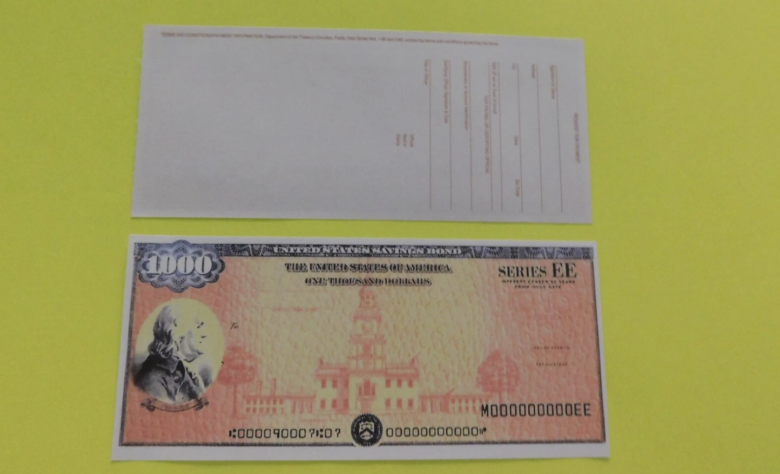
A paper savings bond
Giving a child a savings bond was a tradition dating back to 1935. On January 1, 2012, the Treasury stopped selling paper bonds at banks, Accounting Today reported.
The last paper option, a Series I bond bought with a tax refund, ended on January 1, 2025. About 35,000 filers used it each year, TreasuryDirect says. Most banks cash old paper bonds only for existing customers, U.S. News notes.
A phone book
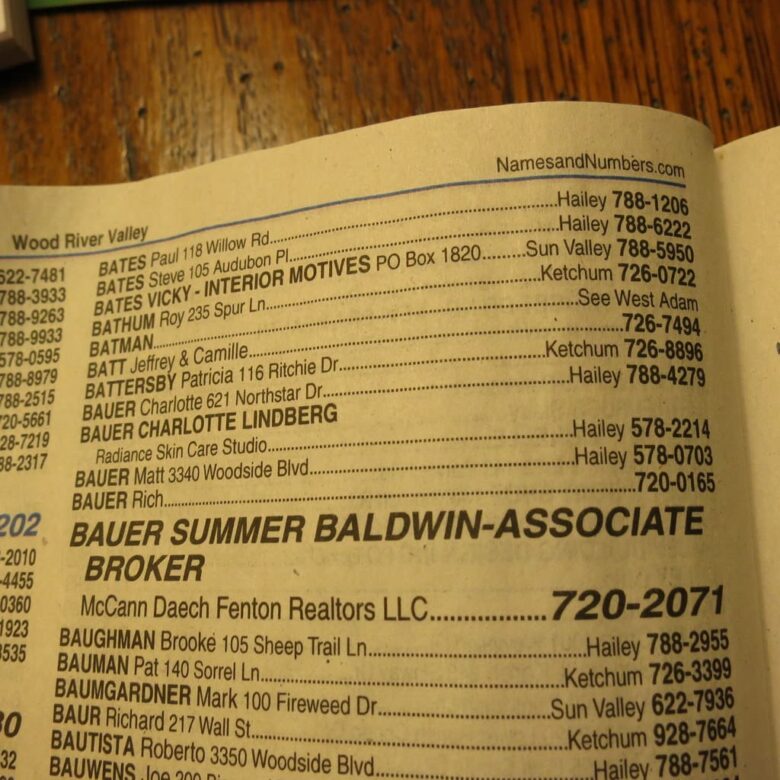
A fixture on kitchen counters and in junk drawers, it started to disappear in 2010. On October 14, New York regulators approved Verizon’s request to stop mass-printing residential white pages, the Observer-Reporter recalled.
Gallup found reliance on the stand-alone white pages fell from 25 percent of households in 2005 to 11 percent in 2008, per NBC. Where AT&T offered copies on request, about 2 percent of customers asked.
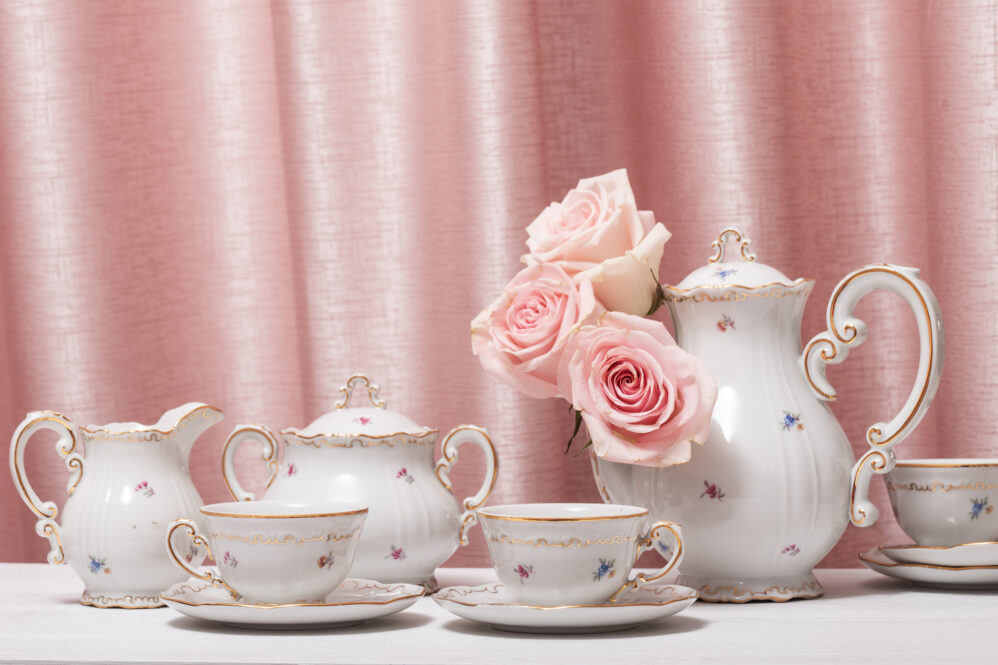
A set of fine china
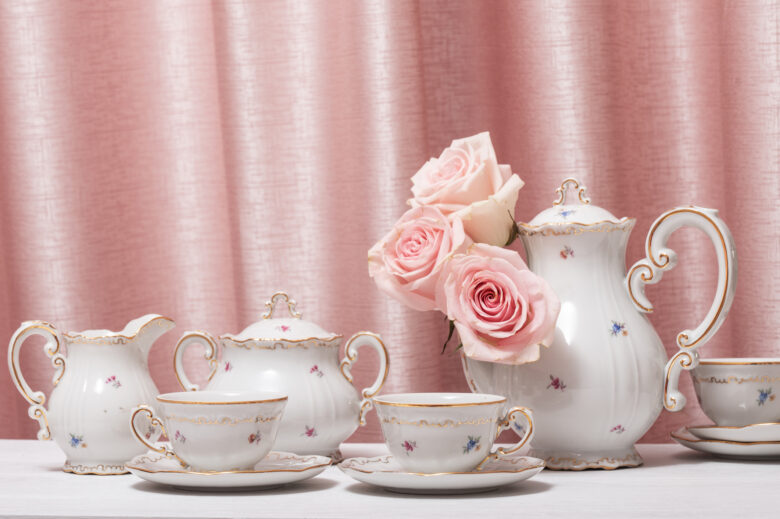
According to The Knot, only 26 percent of couples put china on their wedding registries. That’s about half as many as register for casual dinnerware. Of those who didn’t, 49 percent said they wouldn’t use it, the Houston Chronicle reported.
A Lenox vice president said the buying pattern had flipped. The company used to sell far more china than casual ware. A Calgary appraiser remembered when every young girl picked a pattern at 13.
A film camera
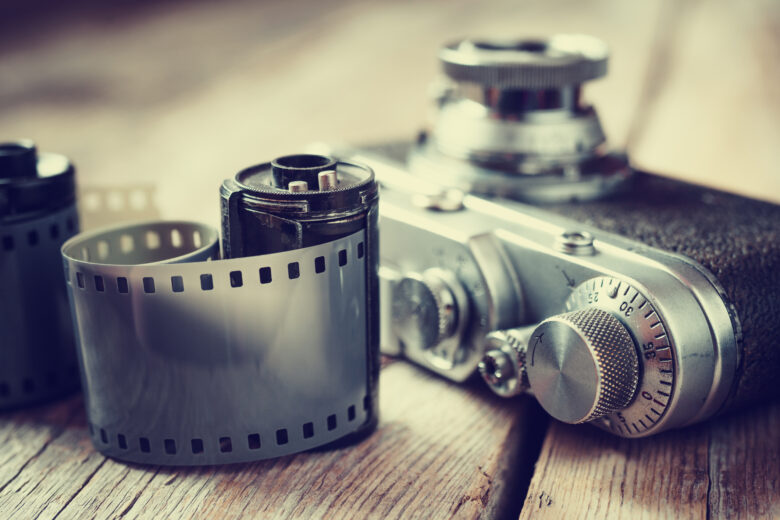
At its peak, Kodak held about 90 percent of the U.S. film market and 85 percent of camera sales, Quartr reports. Its own engineer, Steve Sasson, built the first digital camera in 1975.
In 2004, Kodak removed film cameras from its lineup in North America and Europe, per one timeline. It filed for bankruptcy on January 19, 2012, the same source notes.
A TV Guide
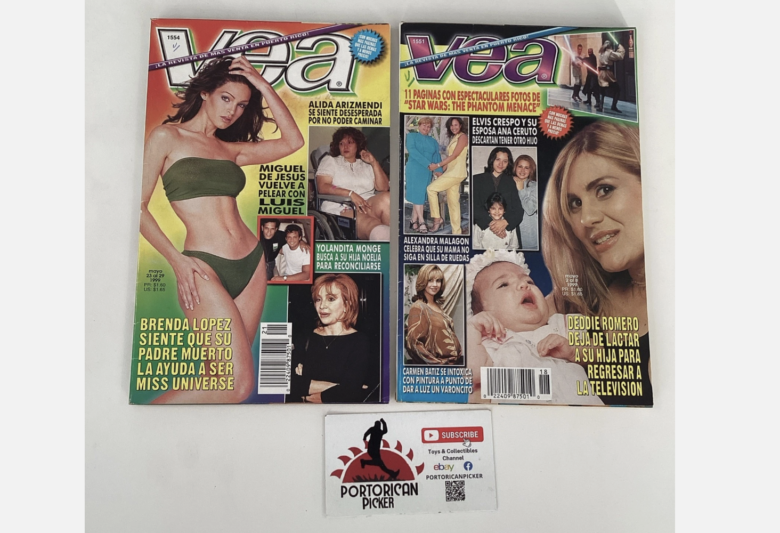
The first national issue came out on April 3, 1953, with 1.5 million copies in ten cities. At its peak, it reached close to 20 million readers a week, Television Obscurities reports.
By the mid-1970s, weekly circulation was over 17 million, one history says. In the six months ending in December 2017, it was 1.3 million.

A typewriter
Godrej & Boyce, in Mumbai, made about 50,000 a year at its peak in the 1990s, domain-b reported. Until 2009, it was still making 10,000 to 12,000.
Then it stopped. Reports in 2011 called it the last major maker of office typewriters. Gulf News cautioned that lighter portables might still be made elsewhere.
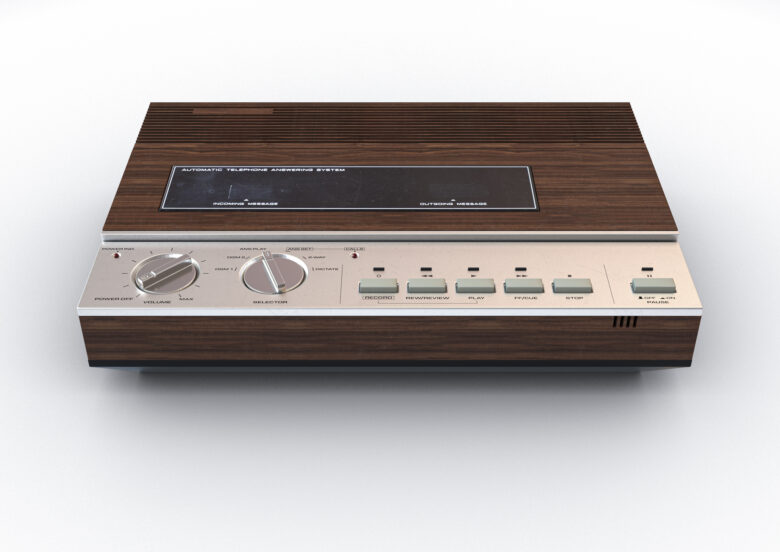
An answering machine
The PhoneMate 400, in 1971, was the first affordable one. It was about ten pounds and held roughly 20 messages on reel-to-reel tape, IEEE Spectrum reports.
Sales hit 400,000 in 1978 and 800,000 by 1982, per Recording History. Then voicemail arrived. In the 1990s, cell phones and phone-company voicemail took over.

The bottom line
In 1990, Britannica sold 120,000 print sets in the U.S. In 2015, the last VCR maker sold 750,000 machines, down from 15 million in 2000.
Ask us! What questions do you have about content, strategy, pop culture, lifestyle, wellness, history or more? We may use your question in an upcoming article!
Related:
- 10 slang words from the ’70s that need to make a comeback ASAP
- Some of the most surprising record deals in music history
Like MediaFeed’s content? Be sure to follow us.
This article was syndicated by MediaFeed.co.