
Real-life events that sound like the plot of a horror movie
1,746 is the number of people who died in a single night in August 1986, in villages around a lake in Cameroon. Most never woke up. Nothing burned. Atlas Obscura notes most died as they slept.
Real life doesn’t need a screenwriter. Six documented events follow, from 1518 to 1986. Where scientists still disagree on what happened, we say so.

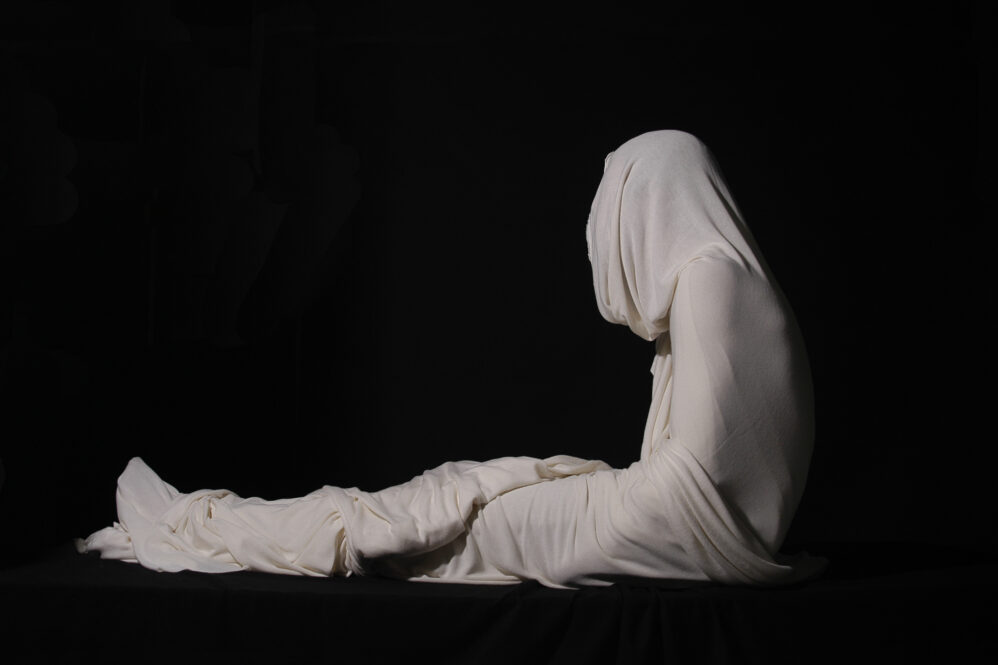
A woman started dancing and couldn’t stop
Strasbourg, July 14, 1518. A woman known as Frau Troffea stepped into the street and began to dance. No music. She didn’t stop for days.
Within a month, between 50 and 400 others had joined her, according to Popular Science. The city council made it worse: it built a stage, hired musicians, then banned music and sent the dancers to a Saint Vitus shrine.
Historian John Waller argues it was mass psychogenic illness, brought on by extreme stress and a firm belief that Saint Vitus could curse people to dance. Ergot poisoning doesn’t fit: poisoned people couldn’t dance for days, the BPS notes.
A village shut itself in
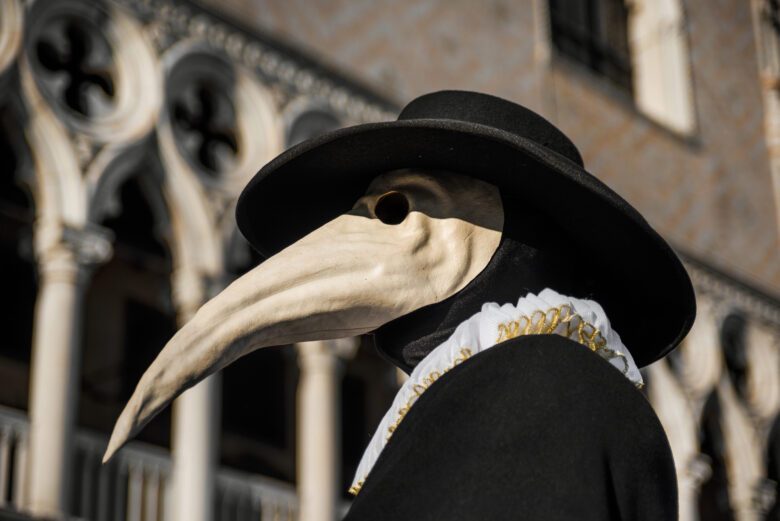
Eyam, Derbyshire, 1665. A bundle of cloth arrived from plague-ridden London for the village tailor. His assistant, George Viccars, died within a week.
By spring 1666, the rector, William Mompesson, and the Puritan minister Thomas Stanley had persuaded the village to quarantine itself. They left food at a boundary stone. Coins were dropped into vinegar, per Hektoen International.
It worked: the plague never reached nearby Sheffield. It cost 260 lives over 14 months. Elizabeth Hancock buried her husband and six children, as the Riley Graves record.

A gas nobody could find
Mattoon, Illinois, August 31, 1944. A woman called police to say a prowler had sprayed something at her home. Her legs felt numb.
On September 2, the Journal-Gazette ran “Anesthetic Prowler on Loose.” Over the next two weeks, police logged 25 reports, per REAL. Armed neighbors patrolled the streets.
Police found no prowler and no gas. Chief Eugene Cole said it was mass hysteria, and suggested wind carried fumes from a local war plant, per the University of Illinois. Psychologist Donald Johnson called it a classic case in 1945.

Laughter that wouldn’t stop
Kashasha, Tanganyika, January 30, 1962. Three girls at a mission boarding school started laughing and couldn’t stop. Within weeks, 95 of 159 pupils were affected, per the original medical paper.
The school closed on March 18. The girls went home, and the laughter went with them: to a village, to other schools. In all, about 1,000 people were affected, and 14 schools closed. It faded after about 18 months. Not a single teacher caught it, one account notes.
A man who came back from the dead
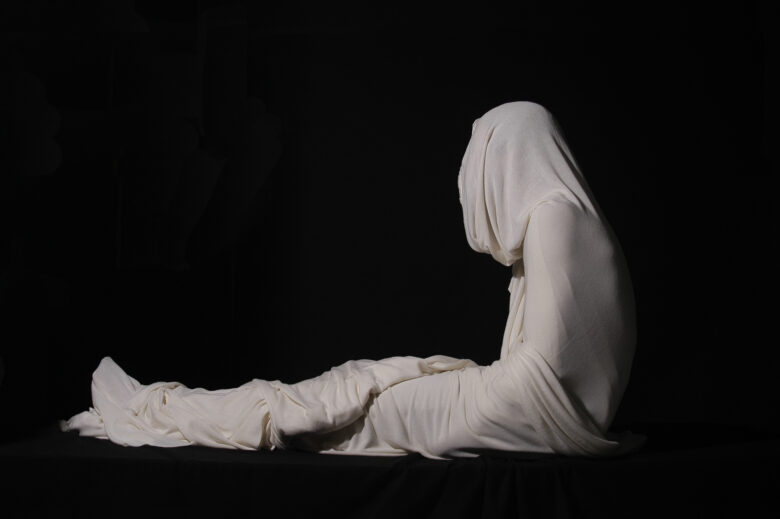
On April 30, 1962, Clairvius Narcisse walked into the Albert Schweitzer Hospital in Deschapelles, Haiti, spitting up blood. Hospital records show he died days later and was buried, Harvard Magazine reports.
In spring 1980, a man appeared at the L’Estère market and gave Narcisse’s sister a childhood nickname only the family knew, TIME reported.
Ethnobotanist Wade Davis proposed a poison made from pufferfish toxin. It’s disputed. Japanese pharmacologists couldn’t find an active toxin in his samples, ScienceInsights notes.
A lake that exhaled
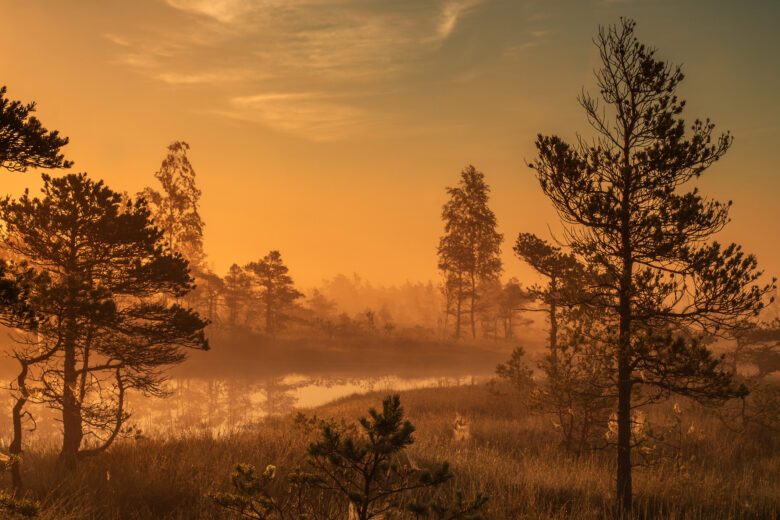
Lake Nyos, Cameroon, 9:30 p.m., August 21, 1986. A cloud of carbon dioxide rose from the lake and flowed down into four villages, per San Diego State. It’s heavier than air, so it settled in valleys and pushed the air out.
1,746 people died, and about 3,500 cattle. Survivor Joseph Nkwain from Subum woke hours later. Nobody knows exactly what triggered the release.
A degassing pipe was installed in 2001. By 2019, it had become self-sustaining, Boing Boing reports.

The bottom line
Eyam’s villagers paid for food with coins dropped in vinegar. Lake Nyos has a pipe that needs no power to keep working.
Ask us! What questions do you have about content, strategy, pop culture, lifestyle, wellness, history or more? We may use your question in an upcoming article!
Related:
- Historical “discoveries” that turned out to be elaborate hoaxes
- Some of the most surprising record deals in music history
Like MediaFeed’s content? Be sure to follow us.
This article was syndicated by MediaFeed.co.