The worst years to be alive in the 18th century
“Never in my life have I seen a winter such as this one,” Princess Liselotte wrote from Versailles in 1709. The ink was freezing at the tip of her pen.
Twelve years later, Boston’s churches cut their sermons short so crowds wouldn’t spread smallpox. In 1783, a pastor in Iceland preached to a lava flow. In 1793, the U.S. government left Philadelphia to escape a fever.
Six years follow, from 1709 to 1793. The death tolls are estimates, and for some of them nobody counted.
1709: The ink froze on the pen
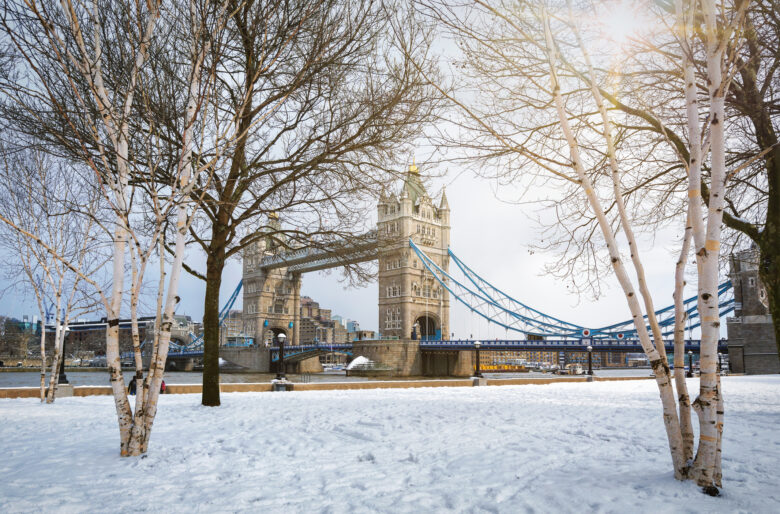
The cold arrived overnight on January 5. The Thames froze, and so did the Baltic. Copenhagen Harbor reported 27 inches of solid ice. In France, wine froze in barrels, and people had to cut bread with an axe.
France lost at least 600,000 people that year. Grain prices rose sixfold in places.
Boston, October 26, 1721
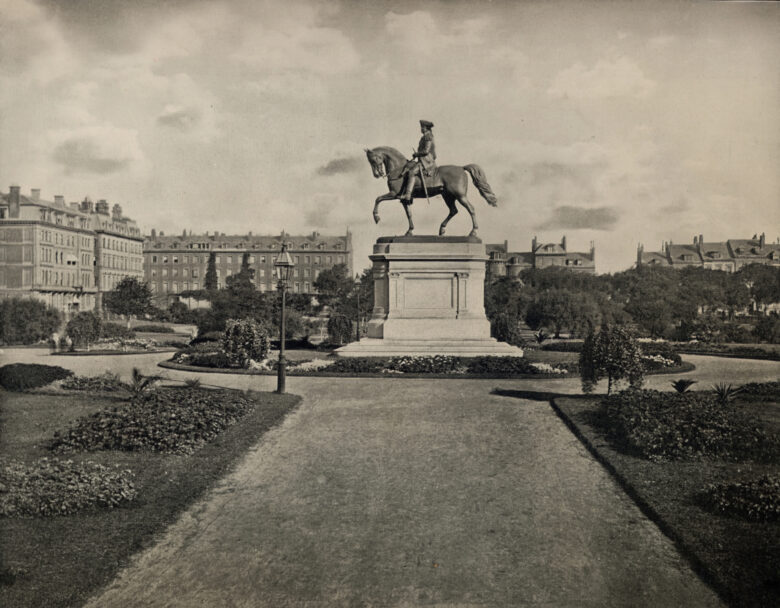
Most congregations held a single sermon that Thursday at 11 in the morning, for fear of smallpox. The next day, Judge Samuel Sewall attended the funeral of a child, Edward Rawson, and then the burial of one of his own tenants.
The disease had arrived on a ship from Barbados in April. Cotton Mather wrote in his diary that the calamity had “entered the town.” Mather had learned about inoculation six years earlier from an enslaved man named Onesimus. Dr. Zabdiel Boylston inoculated 247 Bostonians, and six died, against about 15 percent of those who caught it naturally. Mobs forced the inoculated into isolation, and Boylston hid in his house for two weeks.
By February, 844 of Boston’s roughly 10,600 residents were dead.
Why did Ireland call 1741 the year of slaughter?
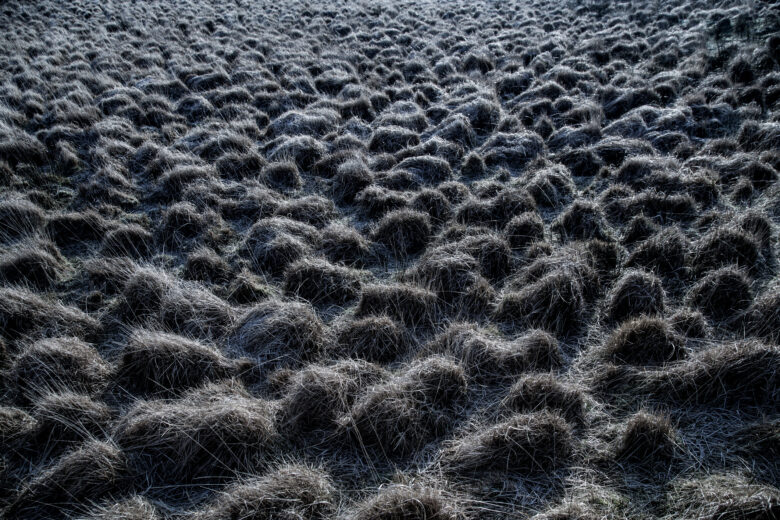
Because of what the frost left behind. Historian David Dickson, who wrote Arctic Ireland, notes that the cold of 1739 and 1740 was “quite outside the Irish experience.” The Liffey, the Boyne, the Slaney, the Lee, and the Foyle all froze solid, and by the time the thaw came, virtually every potato in the country was ruined.
Between 13 and 20 percent of the island’s 2.4 million people died, a proportionally larger loss than in the Great Famine a century later.
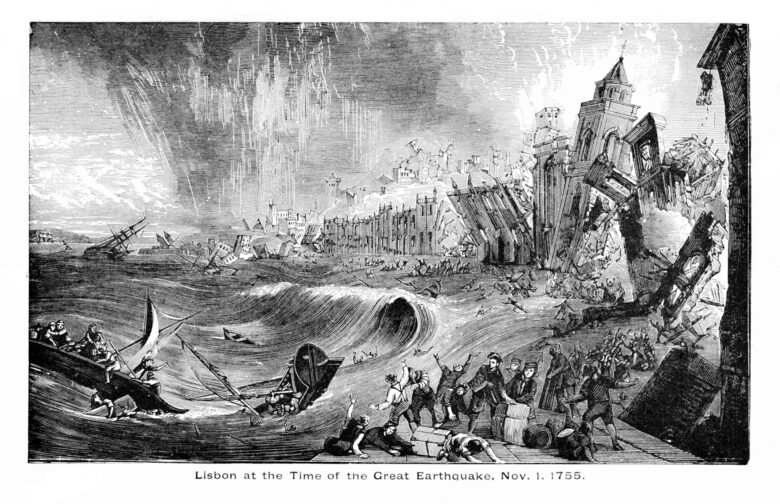
9:40 a.m.
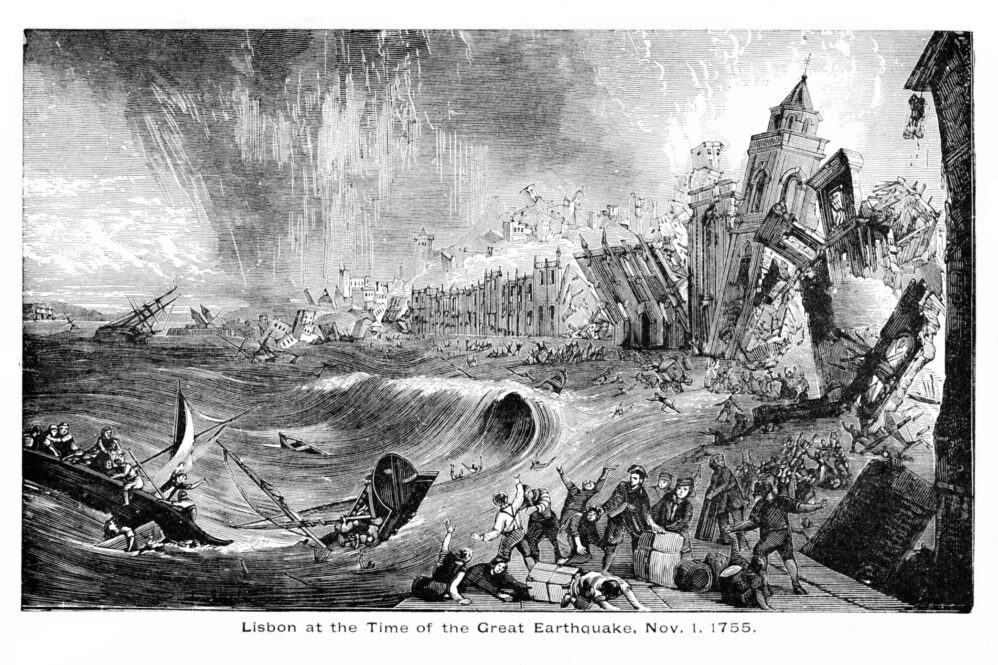
It was All Saints’ Day, and Lisbon’s churches were full. When the earthquake struck, candles lit in homes and churches were knocked over, and the fires burned for hours. Survivors ran for the waterfront. About an hour later, the first tsunami wave rose 40 feet above the quay.
Rebuilding fell to the king’s minister, the future Marquis of Pombal. Voltaire wrote a poem about the disaster, and then Candide.
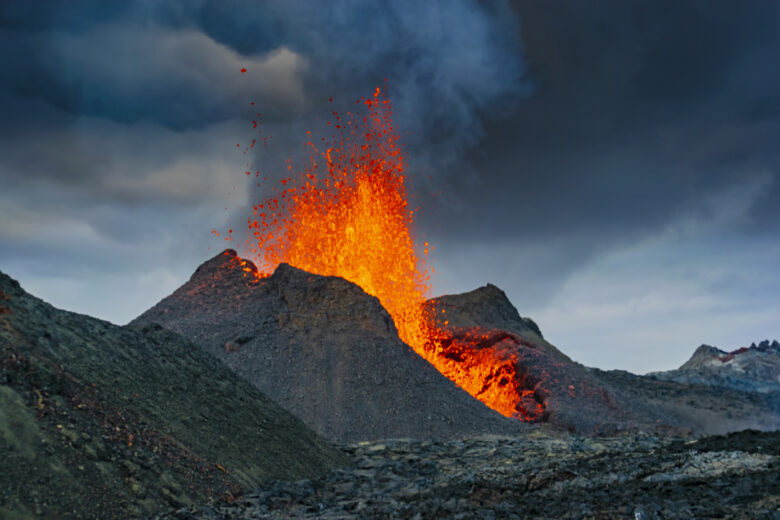
“There are hardly words to describe how the sheep just withered away”
That’s Pastor Jón Steingrímsson, writing in the summer of 1783 in southern Iceland, recording what he saw. A fissure had opened on June 8, and fluorine and sulfur settled over the pastures. Animals that grazed the grass sickened.
On July 20, with lava creeping toward his church, he held a service he expected to be the last there. The flow stopped about a mile away, at a spot now called Eldmessutangi, Fire Mass Point.
Half of Iceland’s livestock died, and one in five people, about 10,000. A dry fog drifted over Europe all summer, and in Paris, Benjamin Franklin wondered what was behind the strange weather.
From ten a day to a hundred
Samuel Breck, who lived in Philadelphia through the summer of 1793, described how deaths rose from ten a day in August to a hundred a day in October. He wrote that sudden death was common.
Roughly 5,000 of 45,000 residents died, and another 17,000 fled, George Washington and most of the federal government among them. Believing Black residents were immune, Dr. Benjamin Rush appealed to the Free African Society. Absalom Jones and Richard Allen answered. They nursed the sick and carried coffins, and Allen fell ill himself in late September and survived.
Rush was wrong about the immunity. In 1794, Jones and Allen published their own account of the epidemic.
The bottom line
Each of these years arrived with little warning. Four of the six left behind letters, diaries, or sermons that are still read.
Ask us! What questions do you have about content, strategy, pop culture, lifestyle, wellness, history or more? We may use your question in an upcoming article!
Related:
- Historical “discoveries” that turned out to be elaborate hoaxes
- Some of the most surprising record deals in music history
Like MediaFeed’s content? Be sure to follow us.
This article was syndicated by MediaFeed.co.