Natural disasters in history that sound like science fiction
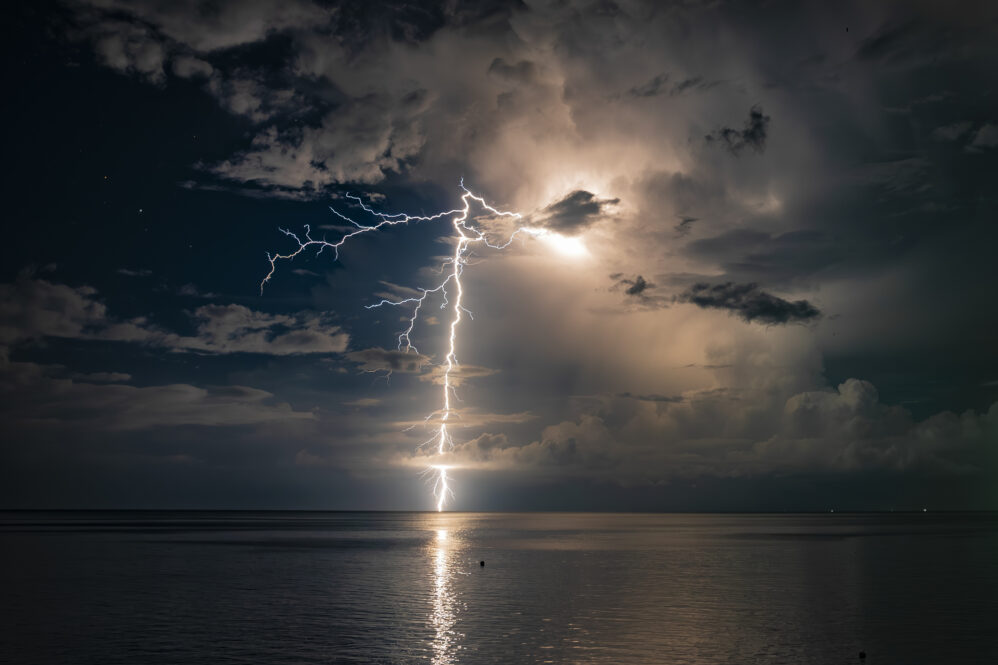
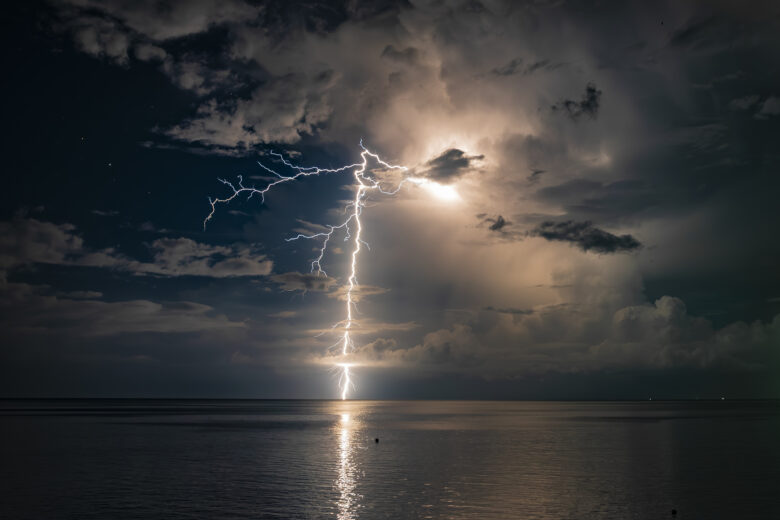
Sometime in the middle of the night in early September 1859, gold miners in California woke up, saw a bright sky, and started making breakfast. It wasn’t morning. An aurora had lit up the whole sky.
That’s the tone of everything below: real people in real places, reacting to something that doesn’t belong in a believable plot. A scientist walks into a Siberian forest expecting a crater. A farm kid outruns a wall of dust with his horses.
Five disasters follow, in order, from 1859 to 1986. Each is documented with a date, a witness, and a record, and two are still debated by researchers.
“A superabundance of electricity in the air”
Richard Carrington was sketching sunspots at his private observatory outside London on the morning of September 1, 1859, when patches of white light flared across the sun. About 18 hours later, the sky answered. Auroras reached the Caribbean. Telegraph lines filled with, in a phrase from the time, “a superabundance of electricity in the air,” and some operators kept sending after they unplugged their batteries. Others took shocks, and small fires broke out in a few offices.
Leonid Kulik went looking for a crater
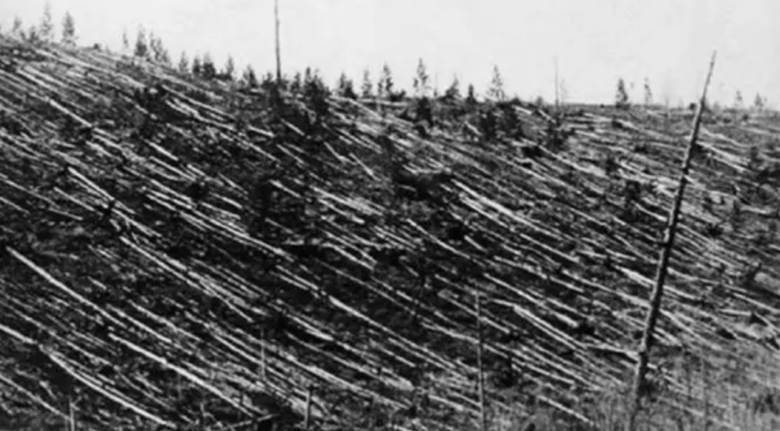
When Soviet scientist Leonid Kulik finally reached the Tunguska site in 1927, almost two decades after the blast, he went looking for a crater. Instead, he found a butterfly-shaped zone of flattened forest, with the trees laid out in a pattern radiating from a center.
The blast itself came on the morning of June 30, 1908. People near the river described a blue light as bright as the sun crossing the sky, then a pillar of fire on the horizon that split in two and faded to black. Some were knocked down by hot winds. Seismographs in western Europe picked up the tremor. Most scientists now think an asteroid or comet blew apart in the air, 5 to 10 kilometers up, so nothing reached the ground to dig a hole. Kulik had come to find one.
A 14-year-old unhooked his horses and ran
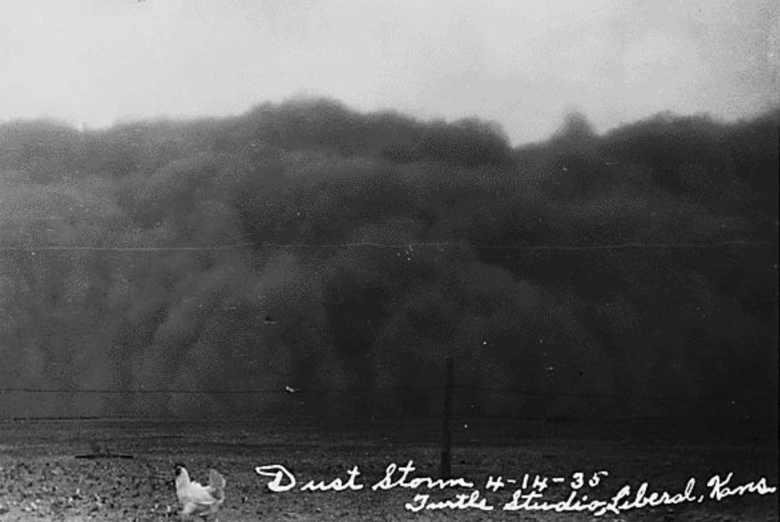
Lucian Doll was working on a Kansas farm on April 14, 1935, when he noticed black clouds on the horizon. He unhooked his team of horses and ran them a quarter mile to the barn, with a wall of dust closing in behind him. The front hit the Oklahoma Panhandle around 4 p.m., and by late afternoon visibility across the Plains had dropped to near zero, with total darkness in the middle of the day. “Never had we been in such all-enveloping blackness before,” Pauline Winkler Grey wrote. The next day, Associated Press reporter Robert Geiger put “dust bowl” in a dispatch, and the name stuck. Congress passed the Soil Conservation Act two weeks later.
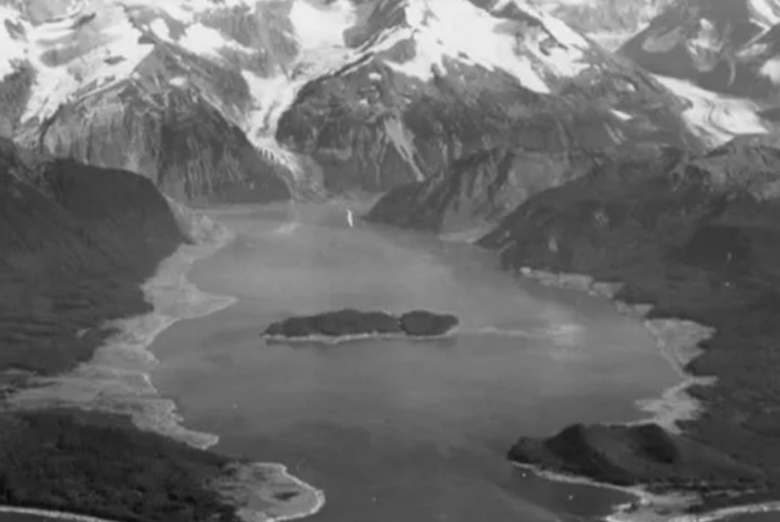
1,720 feet
Picture 8 million dump truck loads of rock letting go at once. That’s the scale NASA gives for what came off a mountainside above Lituya Bay, Alaska, at 10:16 p.m. on July 9, 1958, after a 7.8 earthquake on the Fairweather Fault. It dropped about 3,000 feet into the bay. Across the water, the wave splashed up a ridge to 1,720 feet. The Empire State Building would have come up short.
Three fishing boats were anchored near the bay’s entrance. Howard Ulrich turned his boat toward the wave, which snapped the anchor chain and carried the boat above the trees before setting it back in the bay with no major damage. Geologist Don Miller flew over twelve hours later, and he later put the odds of another giant wave there at about 9,000 to 1.
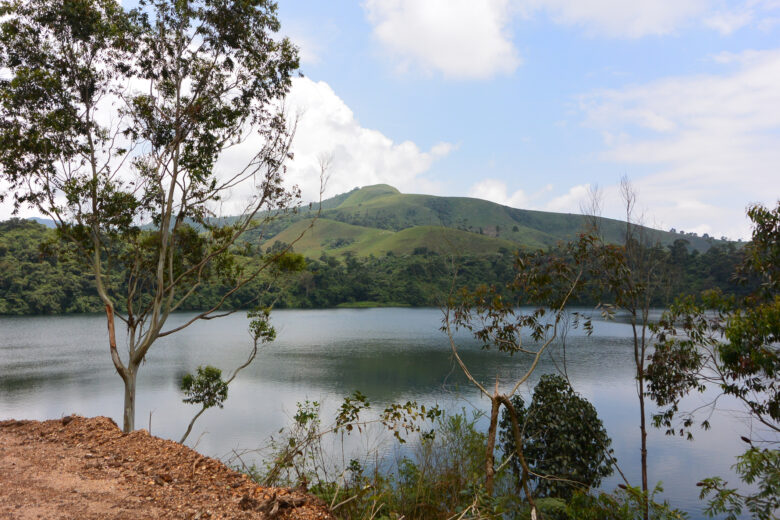
How does a lake release a cloud of gas?
By saving it up. Under Lake Nyos in Cameroon, volcanic carbon dioxide had been dissolving into the cold bottom water for years, like a pressurized soda bottle sitting in plain sight. At that depth, a single liter of water can hold about 20 liters of the gas.
On the night of August 21, 1986, the deep water rose and the gas came with it. The burst was violent enough to push water over an 80-meter promontory. About a quarter cubic mile of carbon dioxide poured out of the crater basin and ran downhill at roughly 45 miles an hour. It had no smell and no color, and it was heavier than air, so it hugged the ground and followed the valleys into Nyos, Cha, and Subum while people slept. More than 1,700 of them were lost.
Nobody saw what set it off. The ten-person American team that went in afterward, including USGS geochemist William Evans and limnologist George Kling, couldn’t pick between a landslide, a cold rain, an internal wave, and a small tremor. Engineers installed the first permanent degassing pipe in 2001, so the lake can let its gas go a little at a time.

The bottom line
No monsters, no villains. A flare, a space object, a cold front, a landslide, and a lake full of gas.
Ask us! What questions do you have about content, strategy, pop culture, lifestyle, wellness, history or more? We may use your question in an upcoming article!
Related:
- Historical “discoveries” that turned out to be elaborate hoaxes
- Some of the most surprising record deals in music history
Like MediaFeed’s content? Be sure to follow us.
This article was syndicated by MediaFeed.co.