Things scientists discovered by accident that changed everything
A controlled experiment usually goes exactly as planned, which is precisely why the ones that didn’t tend to matter so much more. Five moments below happened because someone noticed something wrong, something melted, something that shouldn’t have been there, and decided to investigate instead of just cleaning it up.
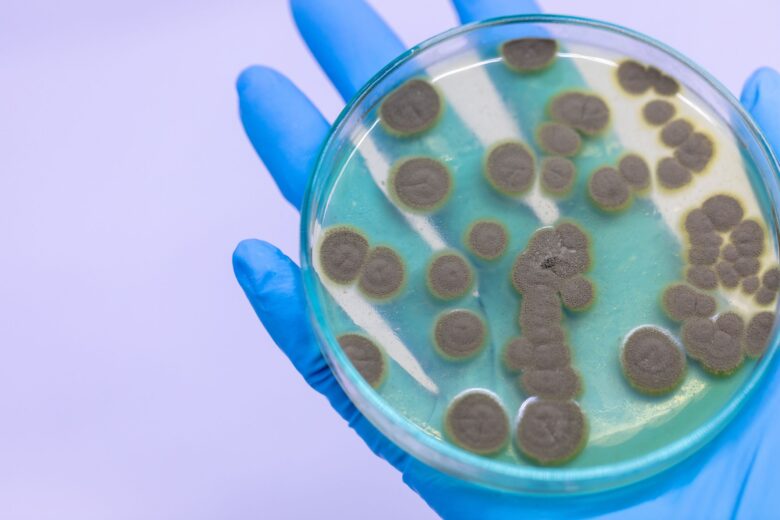
A dirty petri dish
Alexander Fleming returned from a two-week vacation in 1928 to find a stray mold had contaminated one of his bacterial cultures, killing off everything growing around it. Most scientists would have simply washed the dish. Fleming investigated instead, and the resulting discovery, penicillin, earned him a Nobel Prize and a quote he later gave credit where it was due: “I did not invent penicillin. Nature did that. I only discovered it by accident.”

Why did an engineer’s chocolate bar melt just from standing near radar equipment?
Percy Spencer noticed exactly that in 1945 while testing a magnetron at Raytheon. Rather than just changing his shirt, he pointed the device at popcorn kernels next, then an egg, and watched both react dramatically. The microwave oven followed within months, now sitting in roughly 90 percent of American kitchens.

A glowing screen, nine feet away, with nothing visible passing between them
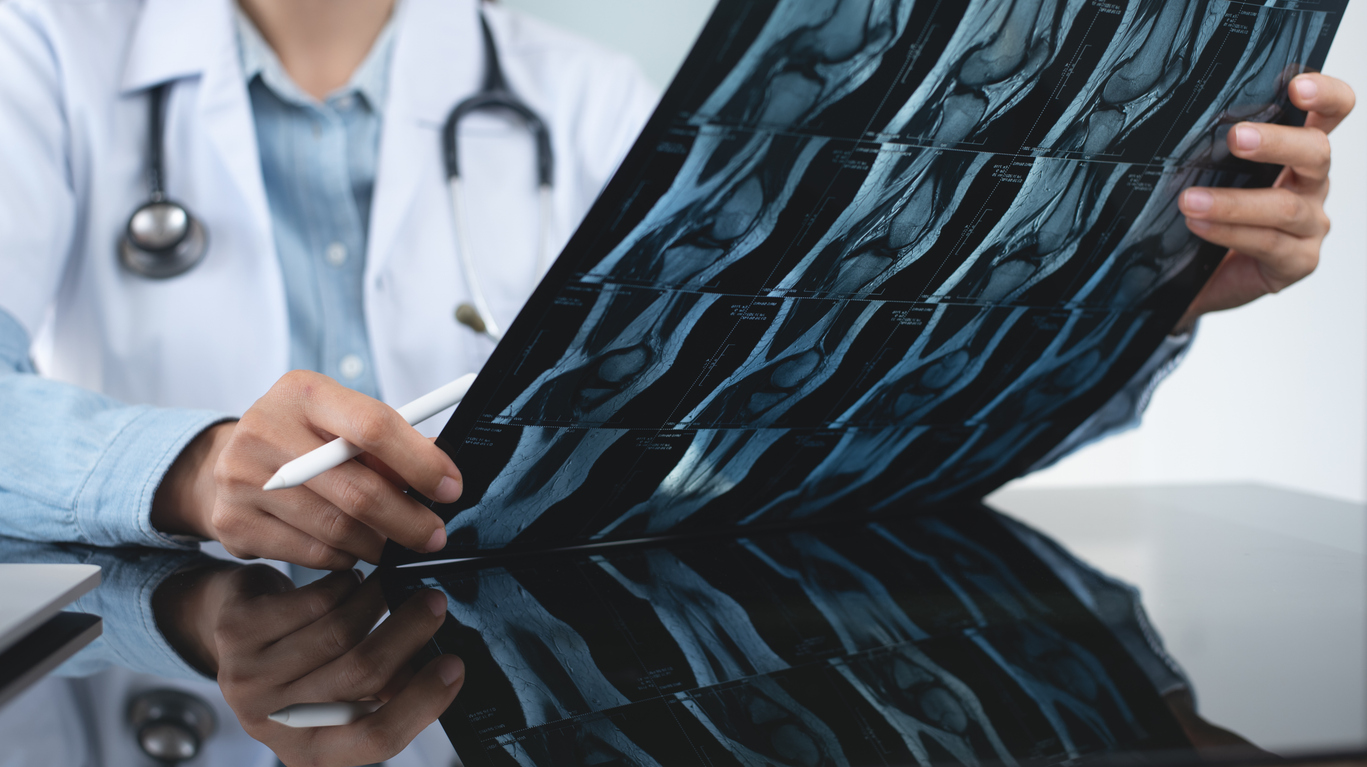
Wilhelm Röntgen was experimenting with cathode ray tubes in 1895 when a chemically coated screen across the room began glowing on its own. He’d stumbled onto a new form of radiation capable of passing through solid matter. When he X-rayed his wife’s hand shortly after, she reportedly reacted with genuine horror at seeing her own skeleton, wedding ring included, floating on the plate.

Charles Goodyear never made a dime off the company that carries his name
India rubber turned brittle in cold weather and gummy in heat for decades, a flaw that made it commercially useless. In 1839, Goodyear dropped a rubber-and-sulfur mixture onto a hot stove and found the result had turned tough, elastic, and stable in a way raw rubber never was. He died $200,000 in debt decades later, with no financial stake in the tire company that eventually adopted his name in tribute.

A dropped flask cracked instead of shattering, and it took years before anyone realized why that mattered
French chemist Édouard Bénédictus watched a glass flask coated in cellulose nitrate hold its shape after falling in 1903, rather than exploding into shards on the floor. He filed the memory away. It resurfaced years later after he read about severe windshield injuries from car accidents, and the eventual product became the foundation of modern laminated safety glass.

The bottom line
None of these moments started out looking like a breakthrough. Each one just needed someone curious enough to stop, notice something wrong, and ask why.
Ask us! What questions do you have about content, strategy, pop culture, lifestyle, wellness, history or more? We may use your question in an upcoming article!
Related:
- Historical “discoveries” that turned out to be elaborate hoaxes
- Some of the most surprising record deals in music history
Like MediaFeed’s content? Be sure to follow us.
This article was syndicated by MediaFeed.co.